Summaries were generated by AI. Generative AI is experimental.
Explore other styles:
There was a time when smelling good meant dousing yourself in an imported, designer fragrance gifted by an overseas relative. We dutifully endured hyper-synthetic blue marine notes and headache-inducing cedarwood because we were taught that luxury spoke only French or Italian. We were wrong.
Imported no longer equates to better. A sophisticated coup is taking place across our archipelago. A new generation of local noses is bypassing the status quo to bottle something far more personal: regional memory.
Scentsmith Perfumery
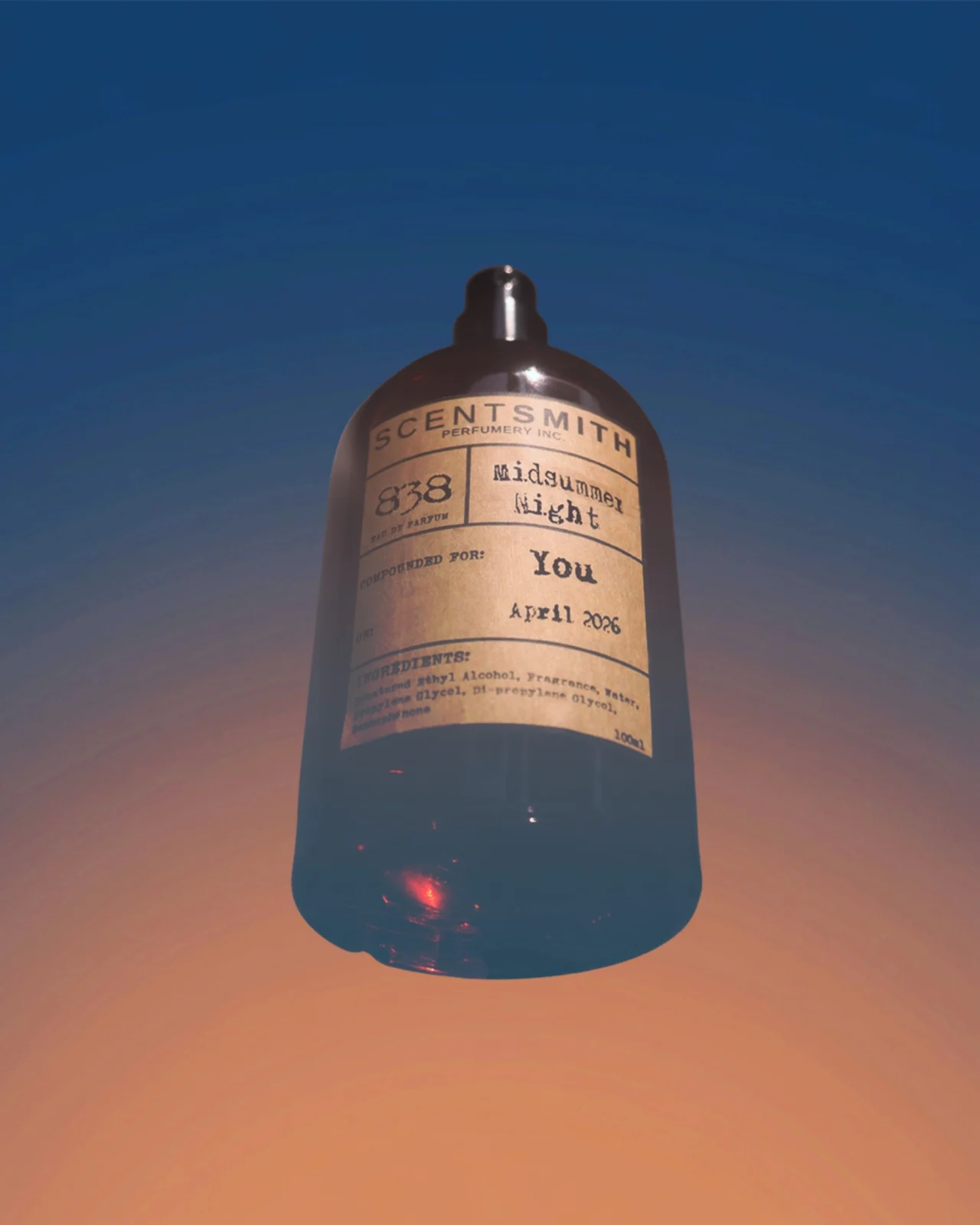
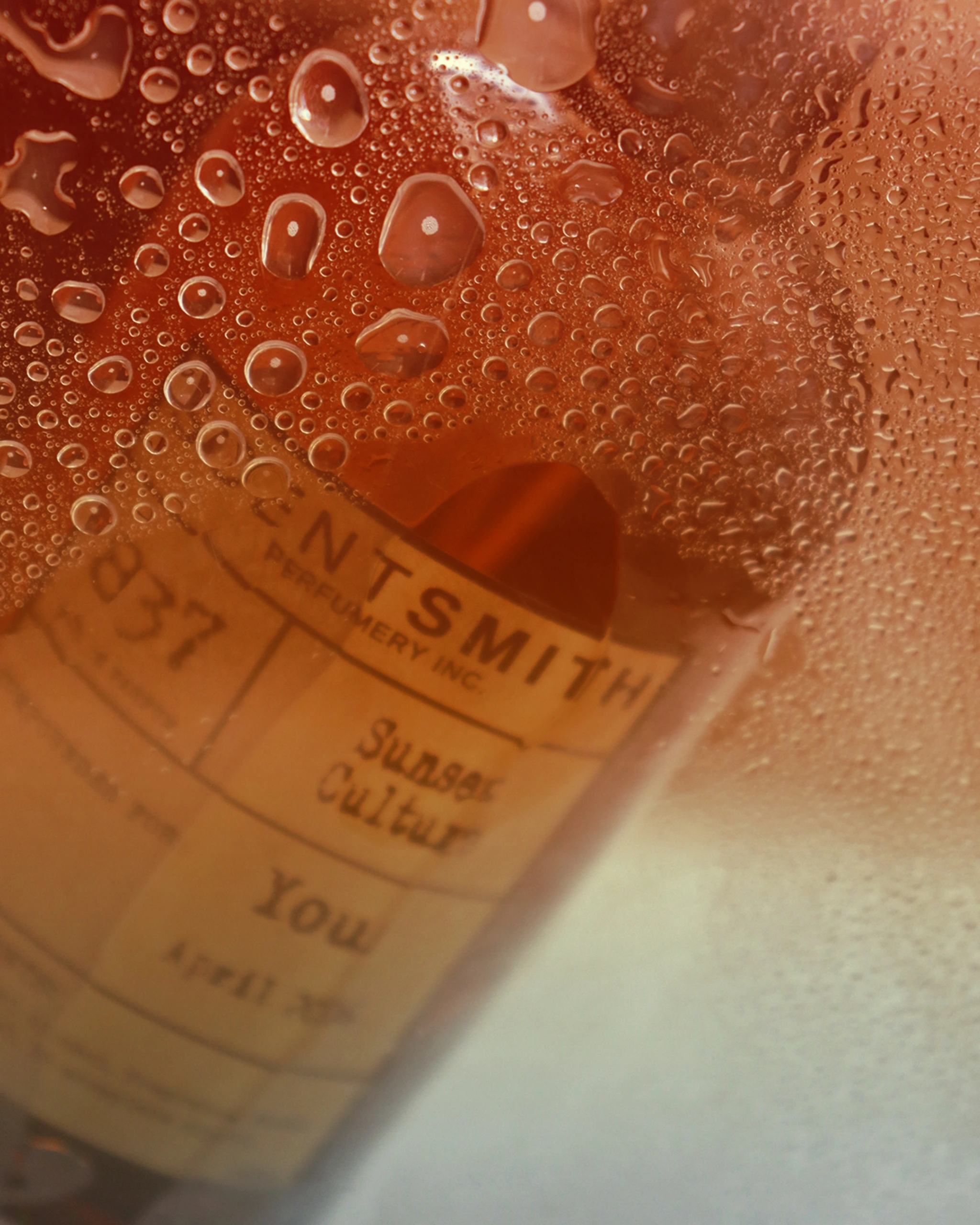
Scentsmith Perfumery approaches olfactory creation not through rigid pyramids, but through mood-boarding. “Many of our recent variants begin not with fragrance notesFragrance NotesThe individual scent layers of a perfume, divided into top notes that appear first, heart notes that form the core, and base notes that linger. Knowing the notes helps aGo to Fragrance Notes Glossary alone, but with a feeling or scene, an approach we call ‘scentscaping,’” explains Kat Torres, the brand’s marketing manager. They deem a blend successful when it drags you back to a familiar memory—rain hitting sun-baked pavement, fresh sampaguita in Quiapo, or the aged wood of a provincial home. Should a stranger corner you in a dimly lit Poblacion bar to ask about your sillage, Torres envisions a GQ-worthy response: “It’s Scentsmith. The rest is me.”
Simoy Ng Haraya
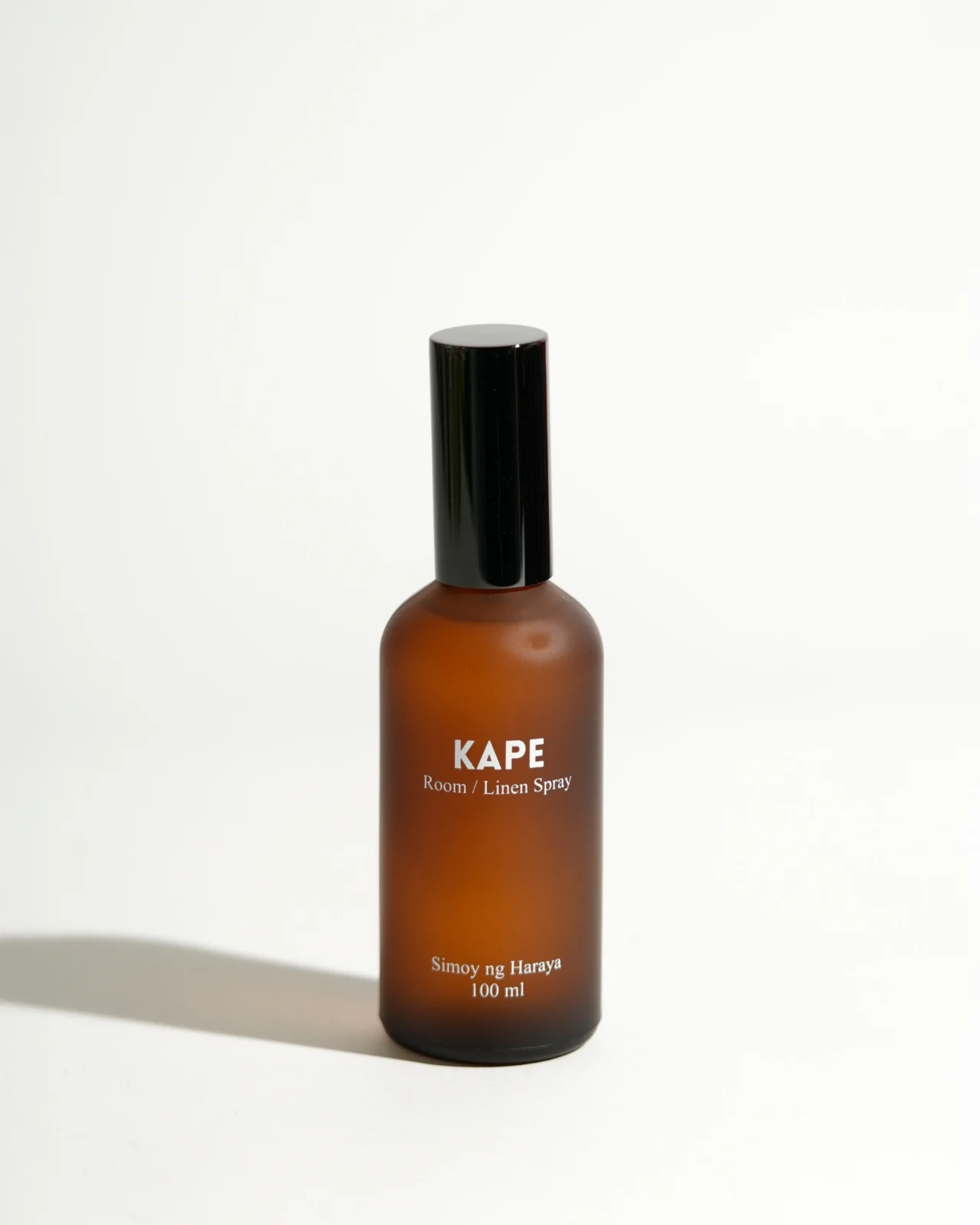
In the niche trenches, Simoy ng Haraya leans into visceral domestic comfort, drawing its blueprints from Southern Luzon. “I spent part of my childhood in Batangas, where Barako coffee and warm pandesal were a familiar morning ritual,” the founder Lala de Leon notes. She distilled those golden memories into the brand’s Kape and Panaderia room sprays. For a modern man, her pick (and mine) is Ambon—an earth-bound, velvety blend of bergamot, oakmoss, and patchouli. If prompted about the aroma, she prefers organic word-of-mouth: “Oh, it’s a Pinoy indie fragrance brand called Simoy ng Haraya. Look them up.”
L’Abondance
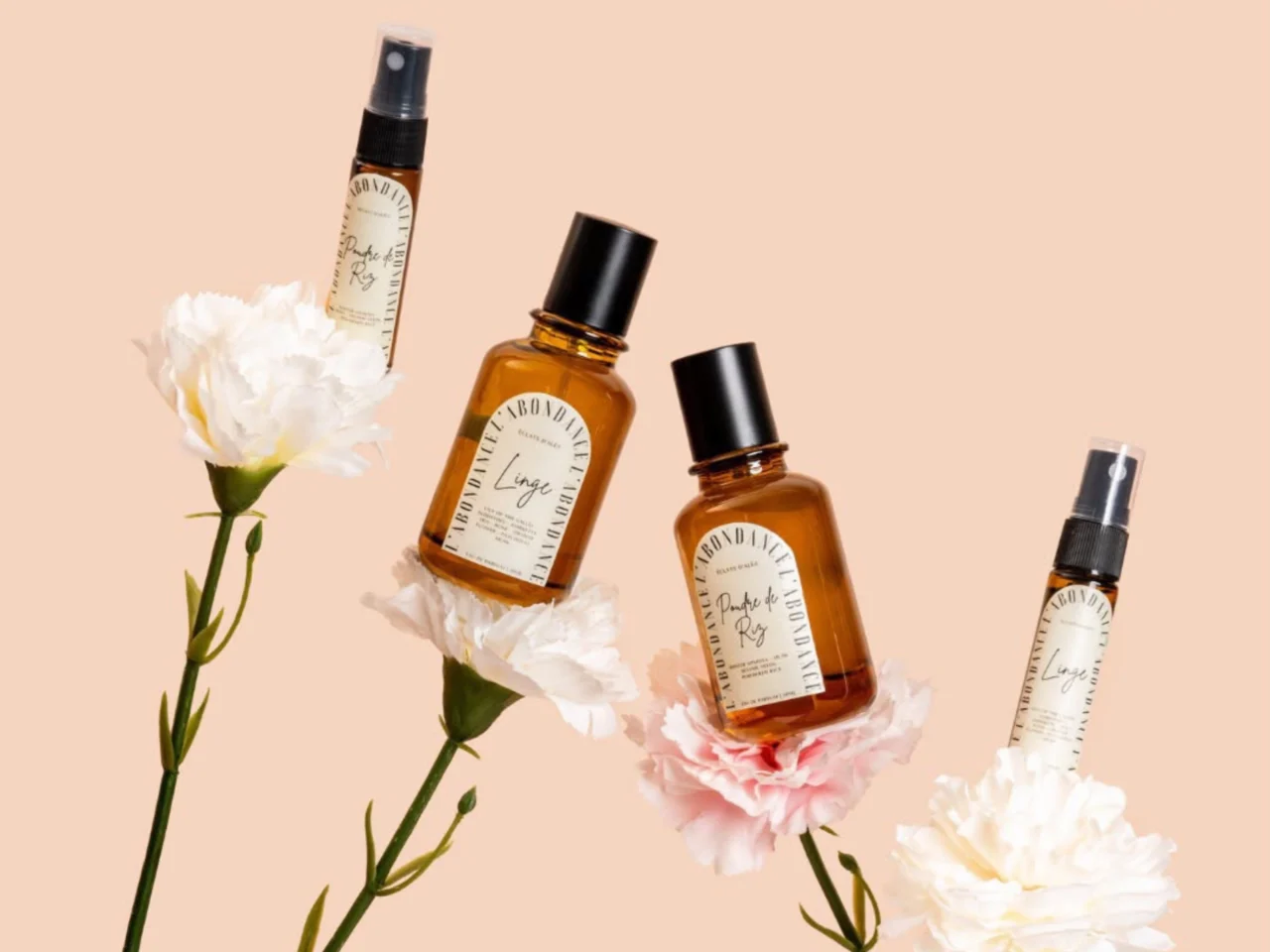
L’Abondance offers Parisian doctrine with a Filipino touch, bridging continents through artisanal craft. “All my products are handmade in the Philippines, but the memories I initially wanted to capture came from my French side,” says founder Lulu Meriguet-Cacciatore. Her standout scent, Menthe, replaces the typical candle-store spearmint scent with true French mint and Moroccan mint tea. The catalog has expanded to over 70 fragrances across candles and perfumes, but Menthe remains the brand’s nostalgia driver. When curiosity strikes, the intended answer is local pride: “It’s L’Abondance—a local fragrance brand offering perfumes, candles, interior fragrances, and personal care products, all lovingly created by a passionate one-woman team.”
Wrenatlier
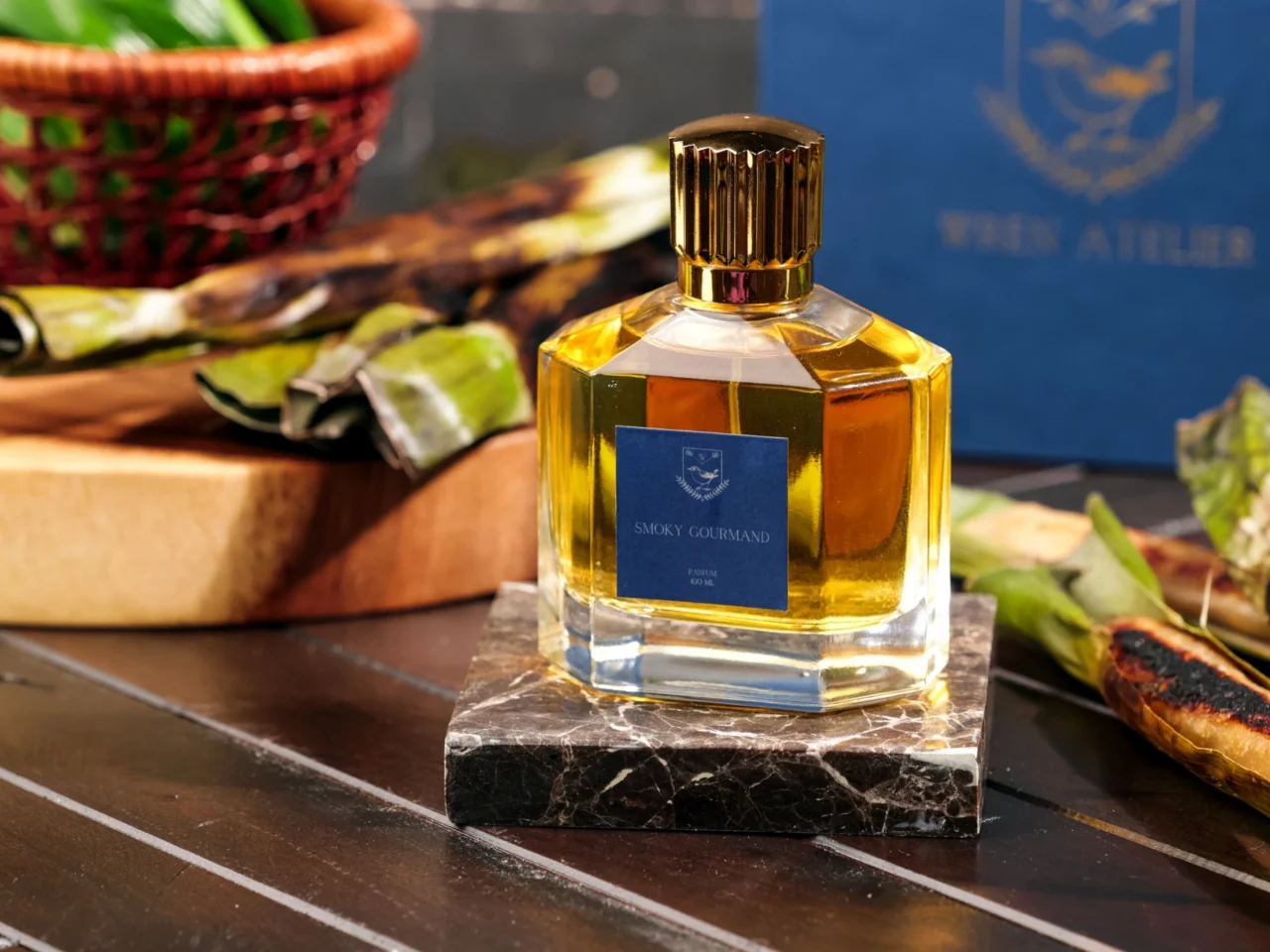
For high-concept artistic boldness, Wrenatlier takes the crown. Their Smoky Gourmand skips predictable vanilla for something richer and deeply regional. “Our award-winning fragrance, Smoky Gourmand, is inspired by my childhood memories in Pangasinan, where I watched my mother and her sisters prepare tupig (FilipinoFilipinoThe national language of the Philippines, widely used for communication, education, media, and culture.Go to Filipino Glossary rice cake), plant mango trees on our farm, and enjoy their ripe fruit,” shares founder Renato Lopena. The resulting accord pairs mango against a savory, smoky tupig note. It turns out our true signature scent was never sitting on an imported shelf in Milan. It was right here at home.
Frequently Asked Questions
Scentsmith Perfumery, Simoy ng Haraya, L’Abondance, and Wrenatlier are four Filipino fragrance brands creating scents inspired by local and personal memories.
Many Filipino fragrance brands draw inspiration from regional places, ingredients, childhood memories, and familiar everyday experiences.
Examples include Simoy ng Haraya’s Kape and Panaderia, inspired by Batangueño childhood memories, and Wrenatlier’s Smoky Gourmand, inspired by tupig, mango trees, and the founder’s childhood in Pangasinan.