Summaries were generated by AI. Generative AI is experimental.
Explore other styles:
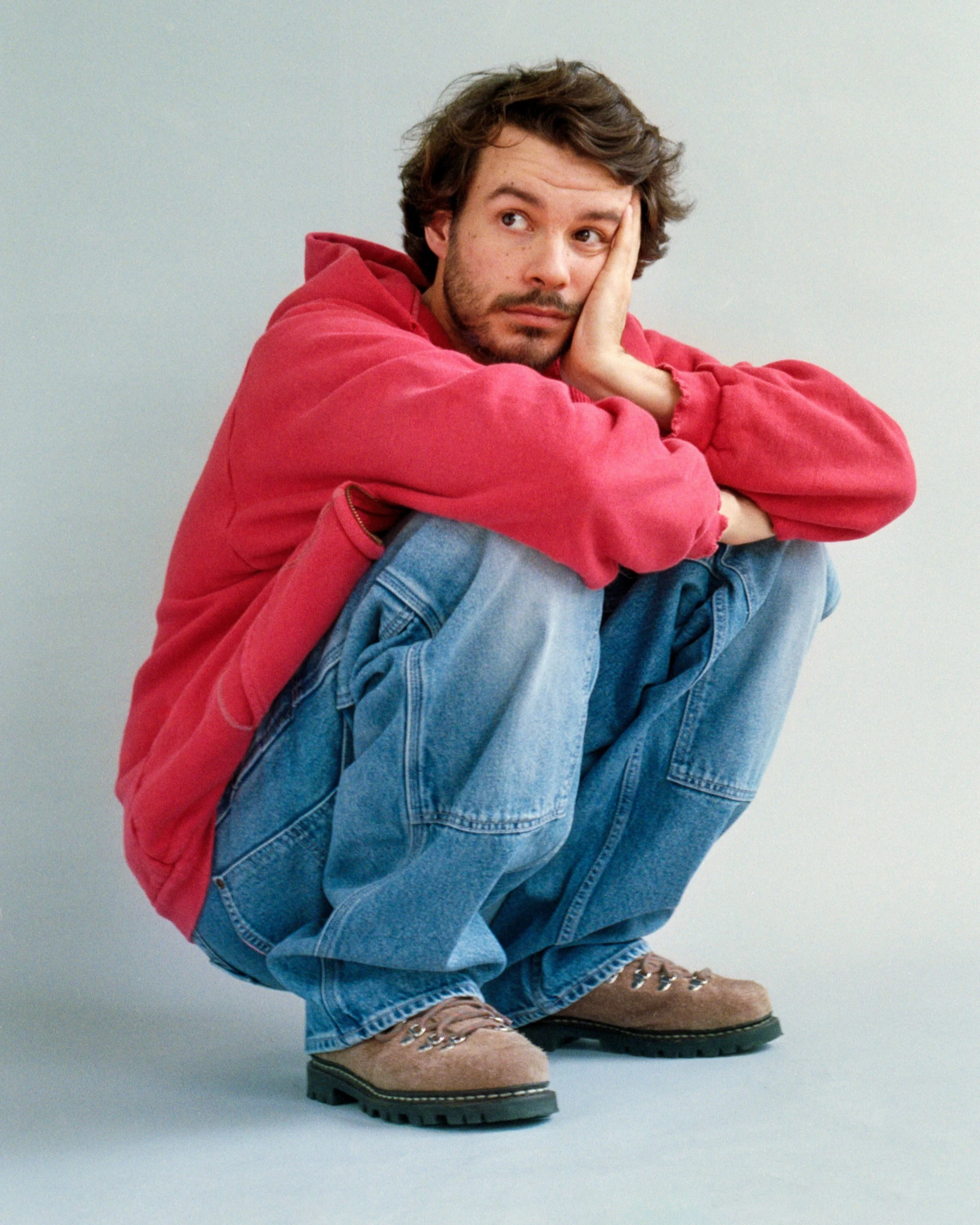
I first stumbled across Alexander O’Connor, professionally known as Rex Orange County, in 2015 through “Corduroy Dreams,” a track that served as my introduction to a highly specific brand of modern intimacy. Its loose guitar arrangements, sun-drenched harmonies, and unapologetically candid lyrics captured a distinct cultural shorthand. At the time, artists like Tyler, The Creator and Daniel Caesar were radically redefining the intersections of hip-hop, soul, and alternative music.
Rex Orange County inherently belonged to this lineage—a generation of bedroom artists discovering novel ways to suture disparate genres into a cohesive emotional language. He would eventually trade notes with both, famously appearing on Tyler’s seminal 2017 album Flower Boy and collaborating with Caesar on multiple fronts.
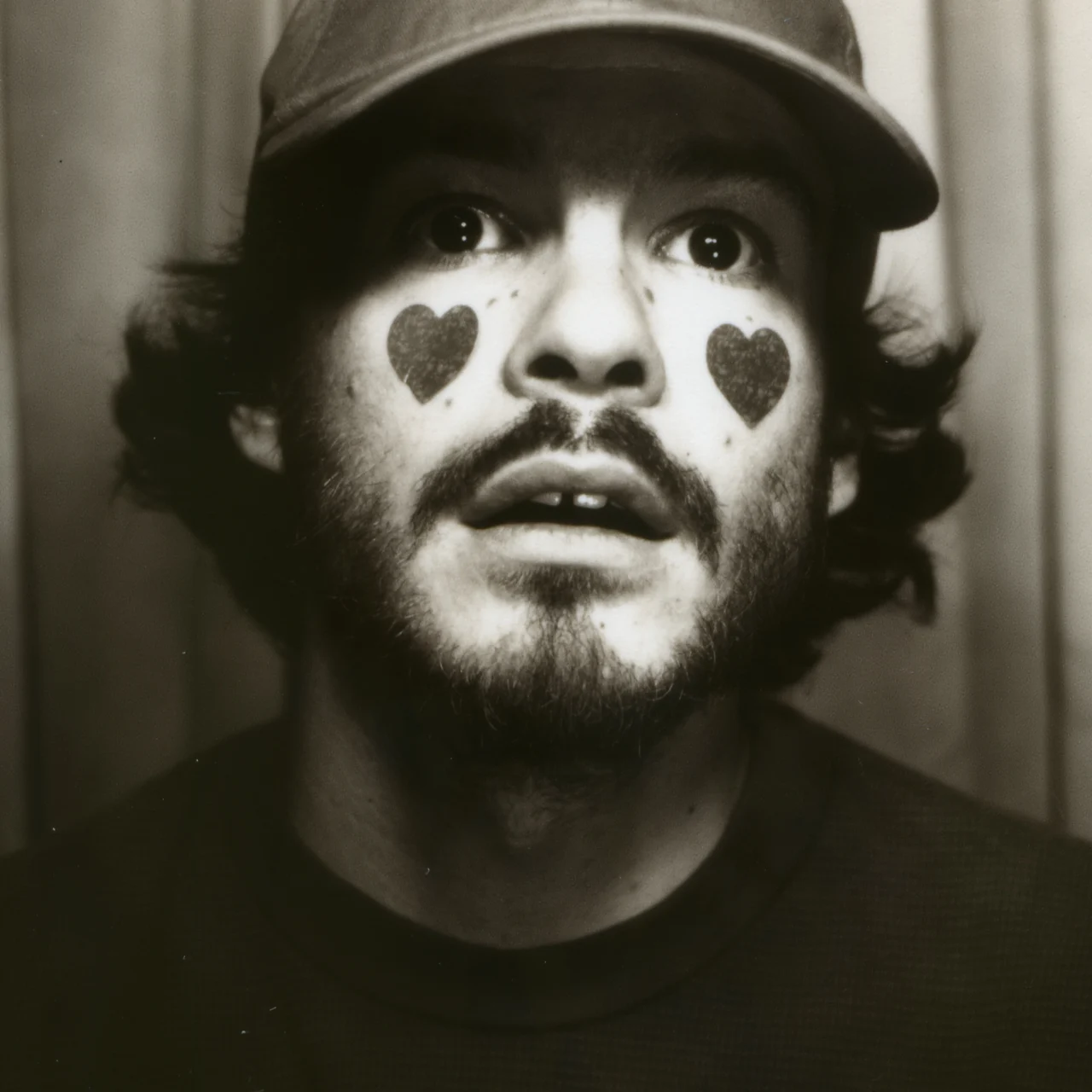
A decade later, O’Connor has arrived with Dream Fatigue, his sixth studio album. The sonic architecture has traveled an immense distance from those early bedroom recordings. While his acoustic guitar remains the emotional anchor and his vocals still carry that trademark vulnerability, O’Connor continues to stretch his boundaries following 2024’s The Alexander Technique.
Co-executive produced by Mustafa and Dylan Wiggins, the 12-track LP features an eclectic Rolodex of contributors: Dev Hynes, Daniel Caesar, Turnstile’s Brendan Yates, Jockstrap’s Taylor Skye, and dexter in the newsagent. It marks a striking evolutionary leap for an artist who spent the better part of his career writing, tracking, and producing in stubborn isolation.
It’s this shift in process that informs the album’s central idea. O’Connor has described the album as following a protagonist who repeatedly adopts different identities in an attempt to win over someone he loves.
The track titles offer some indication of this: “Hannah Montana,” “Iron Man,” and “Elvis” all refer to people whose public identities are inseparable from their personas. Beneath the concept is a familiar Rex Orange County subject, following the uncertainty of trying to become someone worthy of another person’s affection. Across the album, the narrator finds himself caught between who he is and who he thinks he needs to be.
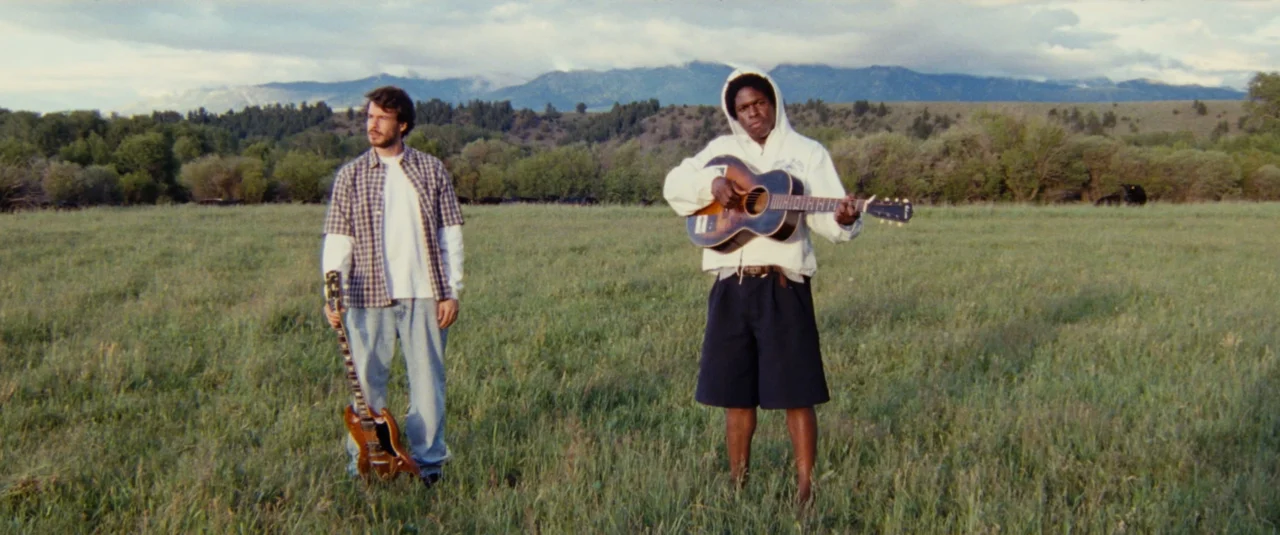
The collaborators help bring that idea to life. “Elvis,” featuring Brendan Yates, approaches the love song through a pairing of plucked guitars, strings, and duetting vocals. Yates, who also plays drums on the track, provides a different texture to Rex’s delivery. “The Colosseum” features Mustafa, whose lower register works well alongside O’Connor’s vocals. Daniel Caesar is an equally natural fit on “Indecision,” with the two trading harmonies over a soulful arrangement. For FilipinoFilipinoThe national language of the Philippines, widely used for communication, education, media, and culture.Go to Filipino Glossary fans, the collaboration also has a local connection, as the pair performed the track together at LaLaLa Fest in Manila in August.
Some of the album’s strongest moments also come when O’Connor keeps things simple. “Grandma Song” uses a guitar-led arrangement to explore memory and family, while the title track closes the album with a folk-influenced arrangement that gradually builds around O’Connor’s vocals. It is a fitting conclusion to a record concerned with the exhaustion that comes from constantly imagining different versions of yourself.
There are moments when the songwriting could go further, particularly in “Iron Man,” whose playful wordplay sits uneasily beside its subject of a friend’s depression, and in a few character studies that could use more detail.
Still, these are minor reservations about a record whose honesty and emotional openness make its ideas resonate. Early reviews have been divided, with listeners questioning aspects of the writing, while some praise its character-driven approach; I find myself closer to the latter.
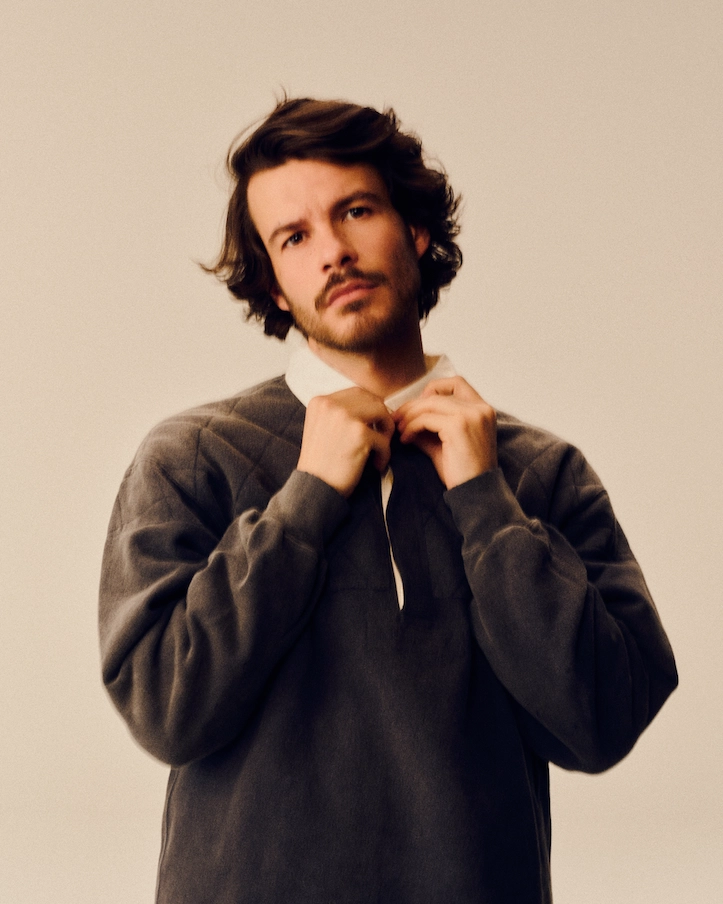
What makes Dream Fatigue work is how comfortably O’Connor accommodates other musicians without losing the qualities that defined his earlier work. The songs retain the directness of his guitar-based writing, but the arrangements now have room for other perspectives. After years of making music in relative isolation, he sounds increasingly willing to let other people shape the finished product.
For someone whose earliest songs resonated because they felt like private thoughts shared in public, this is a meaningful development. Ten years after “Corduroy Dreams,” Rex Orange County is still writing about the uncertainties of being young and in love. He just has more people to work them out with.
Frequently Asked Questions
Dream Fatigue is the sixth studio album by British singer-songwriter Rex Orange County. It features 12 tracks exploring identity, love, and self-doubt.
The album features Mustafa, Daniel Caesar, Dev Hynes, Brendan Yates of Turnstile, Taylor Skye of Jockstrap, and dexter in the newsagent.
The album follows a protagonist who repeatedly adopts different identities in an attempt to win someone’s affection, exploring the tension between being yourself and becoming someone others might love.
Brendan Yates joins him on “Elvis,” Mustafa on “The Colosseum,” and Daniel Caesar on “Indecision,” trading harmonies over a soulful arrangement.
The title track closes the album with a folk-influenced arrangement that gradually builds around Rex Orange County’s vocals.