Summaries were generated by AI. Generative AI is experimental.
Explore other styles:
For two decades, John Torres has operated as independent Philippine cinema’s premier scavenger of memory. Across acclaimed diary films and found-footage hybrids like Todo Todo Teros and People Power Bombshell: The Diary of Vietnam Rose, the Manila-born filmmaker turned personal history and decaying celluloid into moving poetry. Yet, his mother, Alice, had one persistent request: she wanted him to make a “real film.”
To her, that meant the glossy, straightforward melodramas and suspense thrillers they watched together in Cubao cinemas during the ’90s and 2000s—movies with a clear story and recognizable stars. She passed away during the opening weeks of the Philippines’ 2.5-year pandemic lockdown before seeing him attempt one.
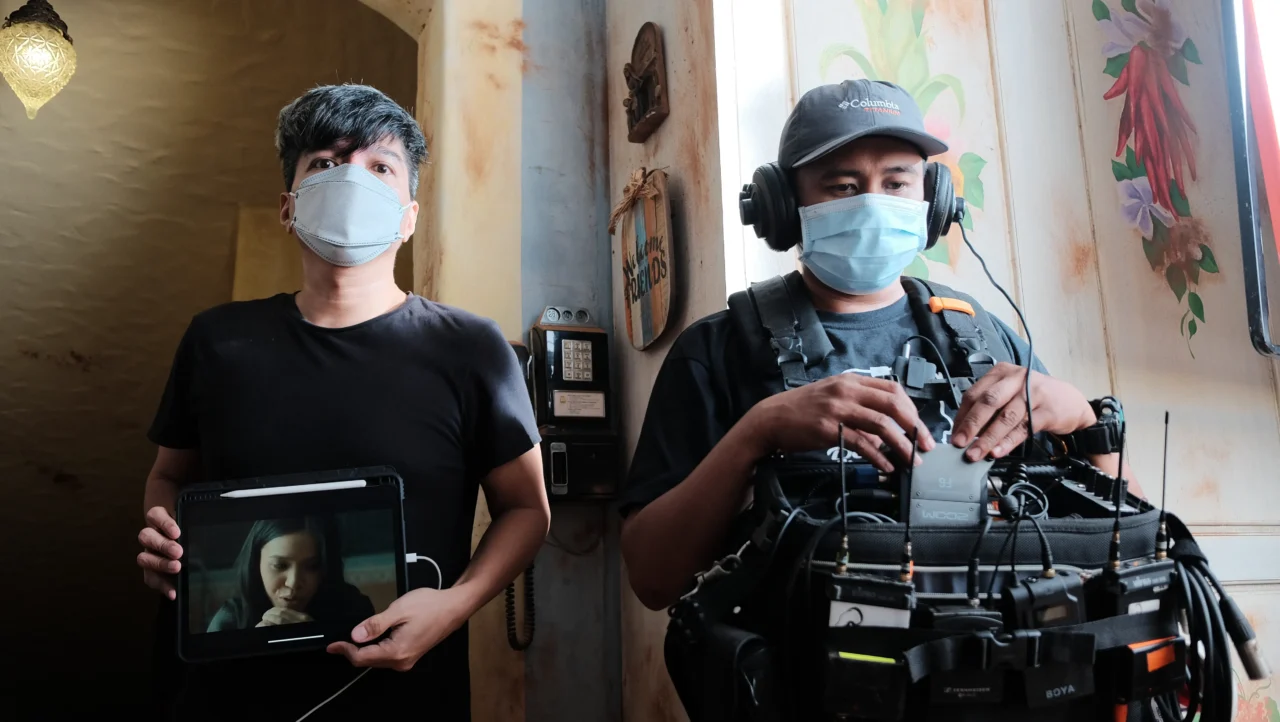
Now, Torres has answered her wish with The Remotes (2026), his first narrative fiction feature. Premiering at the Toronto International Film Festival (TIFF) and the New York Film Festival before coming home to the QCinema International Film Festival, the 153-minute speculative noir is co-written with genre maestro Dodo Dayao (Violator, Midnight in a Perfect World) and produced by fellow Philippine New Wave alum Sherad Anthony Sanchez.
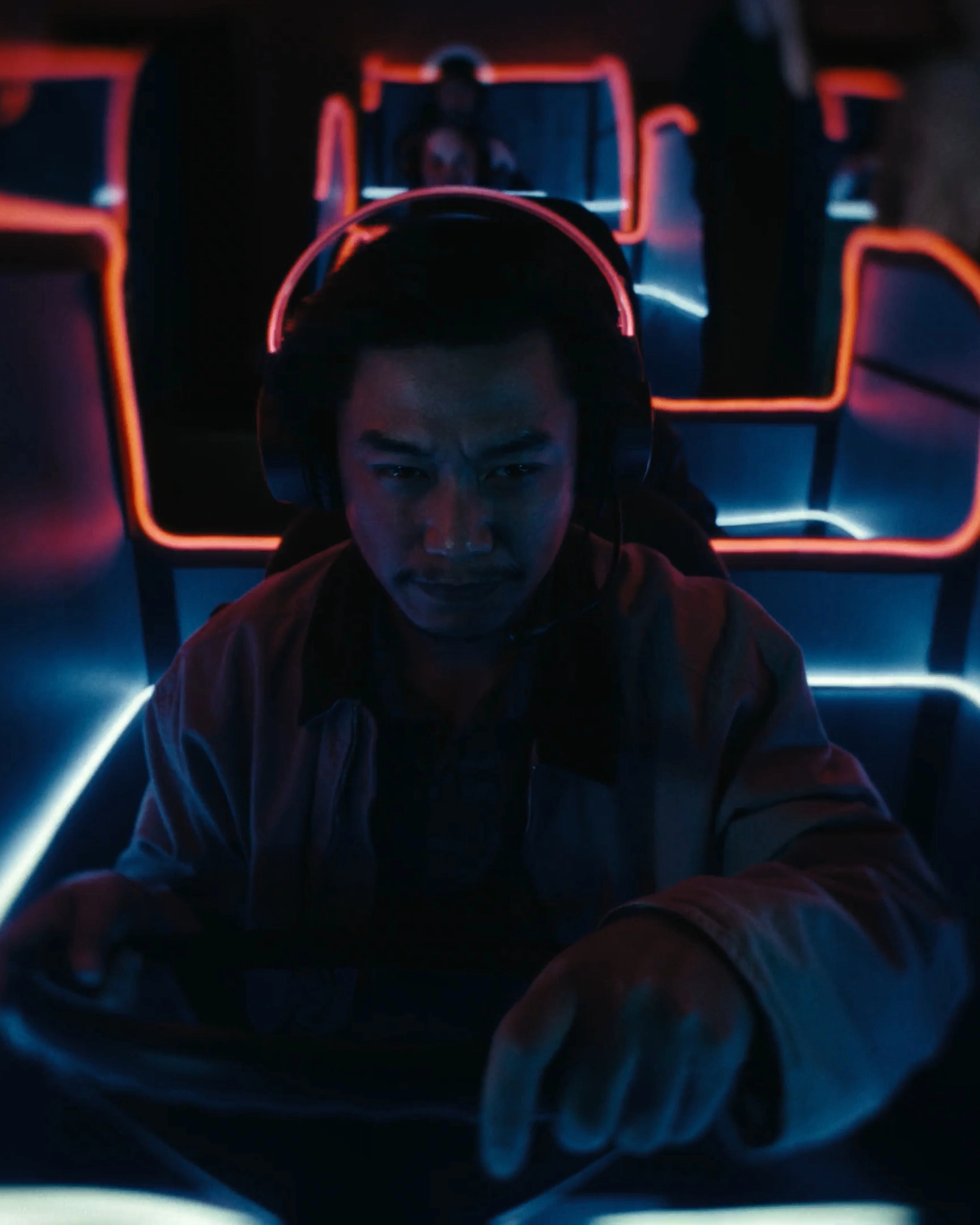
Set in the permanent-midnight sprawl of Metro Manila, the film follows Detective Mijares (Alchris Galura), a grieving investigator probing a string of fatal road crashes linked to a mysterious navigation app. Trained on grief hotline archives, the app uses a soothing maternal voice to hijack drivers’ bodies and motor functions. Yet The Remotes is less a traditional whodunit than an atmospheric hypnosis—a story about why the bereaved surrender their free will to the machines and voices that promise to take the wheel.
“The Remotes is more of a gesture toward the real film,” Torres explains from Evanston, Illinois, where he currently resides with his wife, filmmaker Shireen Seno, and their two children. “A gesture, because I know the film is a far cry from being a real film in many ways. But I hope my effort charms her.”
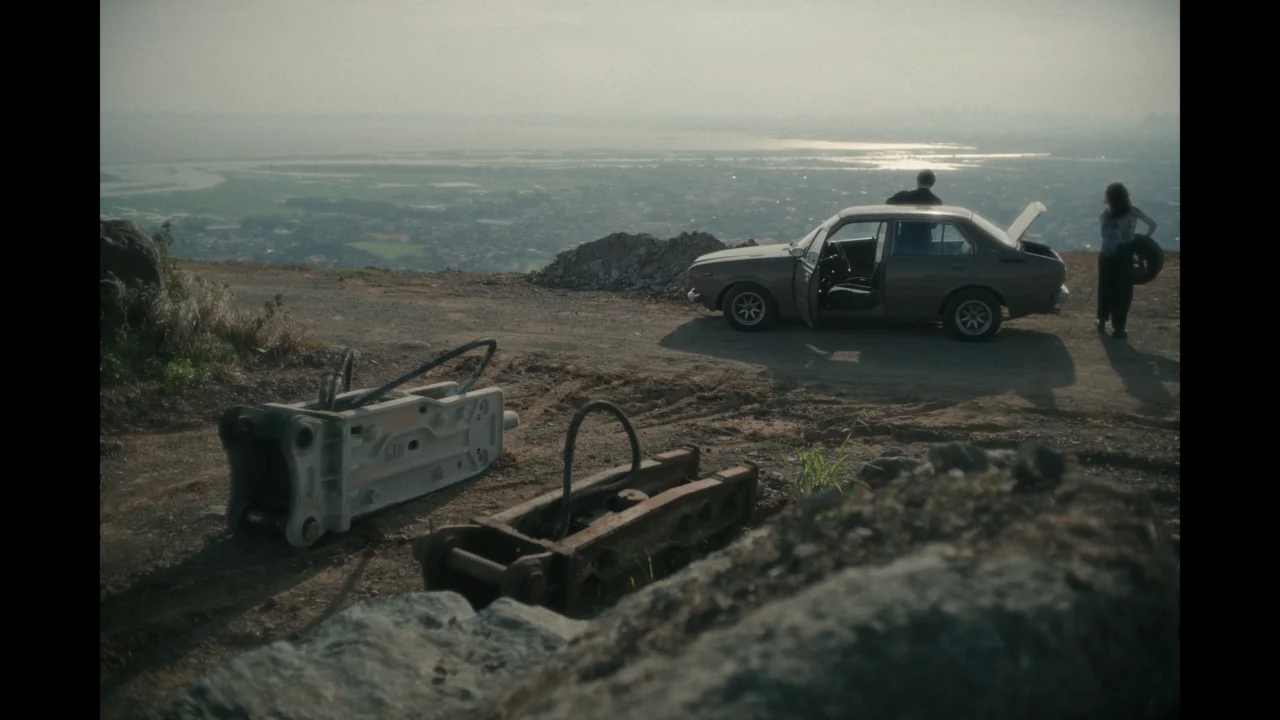
Sleepwalking Through Genre
The seeds of The Remotes were planted two years before the pandemic, when Torres was balancing fatherhood with filmmaking—sneaking onto friends’ movie sets to shoot peripheral moments between takes before rushing home for his daughter’s three-hour breastfeeding cycles. Those fragments became the 2019 short We Still Have to Close Our Eyes. When lockdowns froze traditional production, Torres turned to Dayao, his co-writer on 2013’s Lukas the Strange, to help expand that premise into a fiction screenplay.
“He gave me just two things to work on: that it was about a driving app that possesses its users to commit crimes, and it was at its core about grieving a parent, which we were both going through,” Dayao says.
What followed was a protean, multi-year ping-pong match between two distinct sensibilities: Torres’s intuitive, diaristic drift and Dayao’s razor-sharp genre architecture. Rather than clashing, Dayao leaned directly into his friend’s cadence.
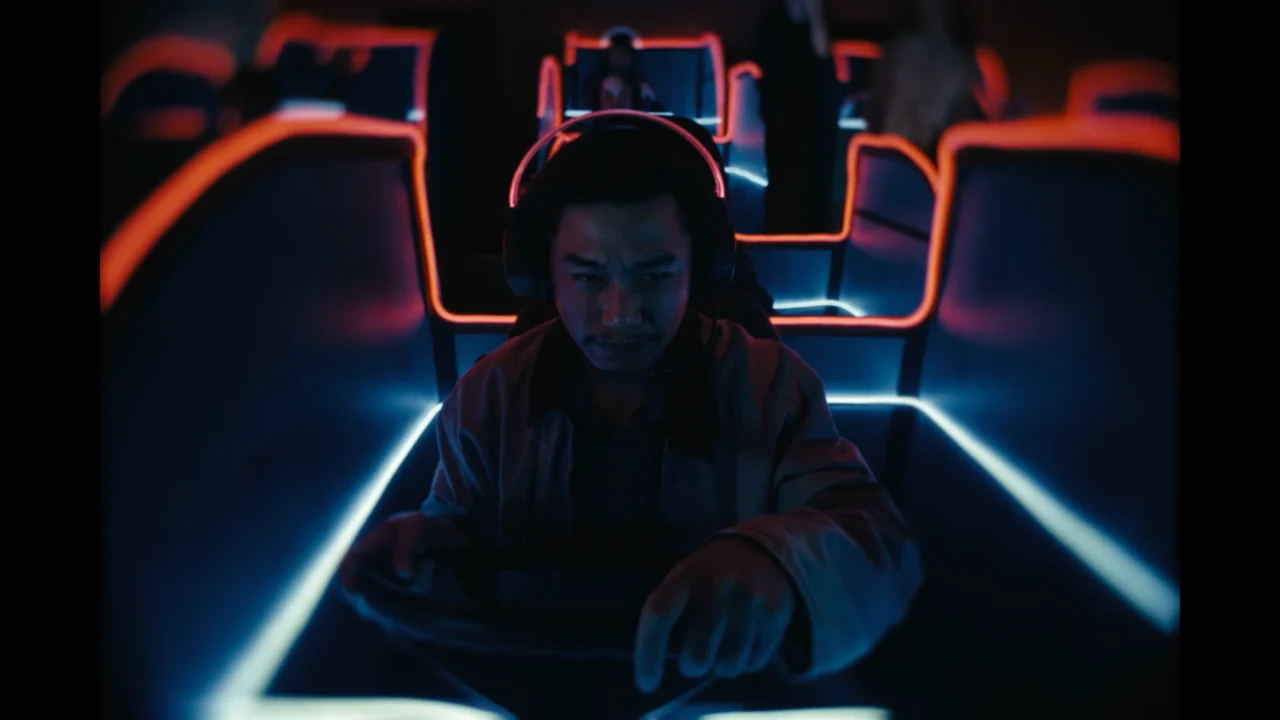
“The sort of leitmotif in the medium-length iteration was sleepwalking, and whether consciously or not I may have been writing dialogue in that sort of half-awake state,” Dayao recalls. “But I was also channeling John’s voice, not just his directorial voice, but his actual voice, and if you’re familiar with his work, you know how it’s an integral, almost inseparable, part of it and also how it has this wistful, melancholic, calm, dreamy quality.”
Classic film noir revolves around a cynical detective fighting to maintain control. Mijares, hollowed out by the sudden death of his wife, actively wants to lose it. To Dayao, that inversion fits the lineage of what he calls a “third world cyberpunk riff.”
“Look closely at most of the classic detectives in noir, and you see how they tend to be not only terribly flawed but unstable to the point of themselves losing control,” Dayao notes. “We never prepared for the way science fiction has become our everyday reality to the point of being not only texture but also atmosphere and environment. Most realist works tend to keep all these science-fictional aspects at a distance, which arguably doesn’t make them as realist. Oddly, it’s the coming back to humanity that feels almost speculative here, and in many ways, Remotes is ultimately about the desperation to retrieve the soul from the noise.”
Times as the Ultimate Stylist
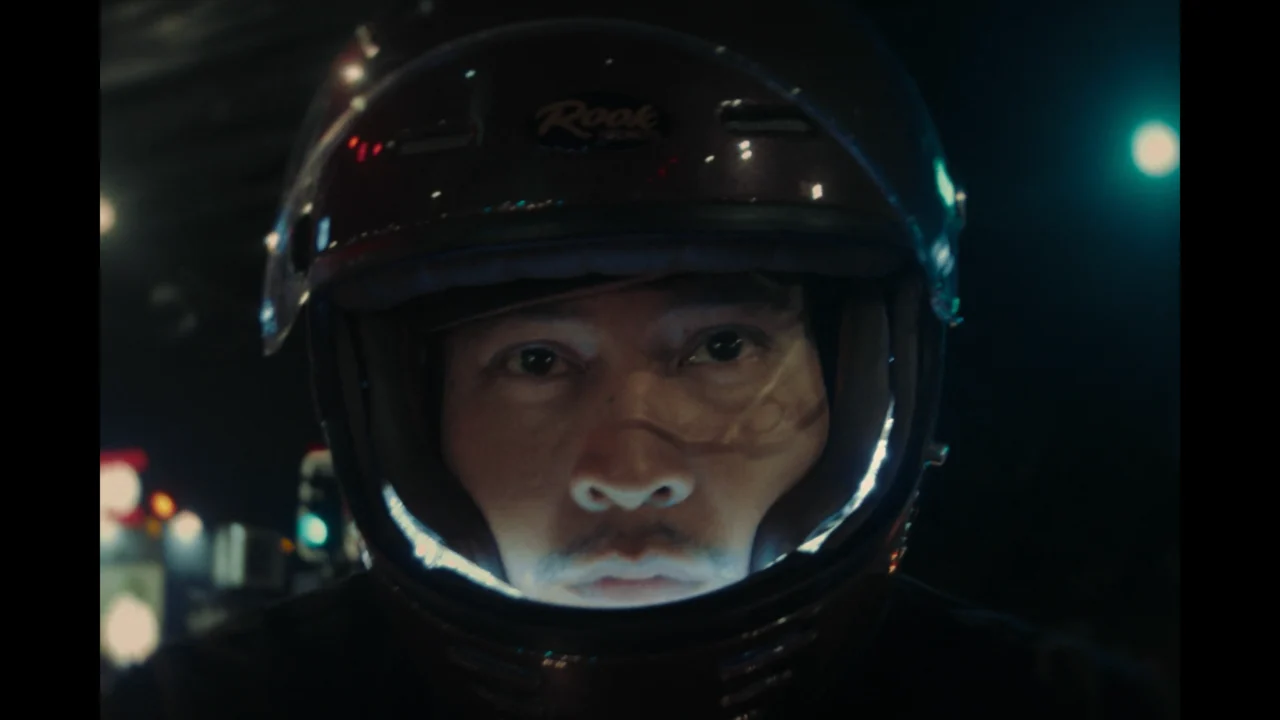
Because The Remotes was shot sporadically over several years—starting with a 2022 proof-of-concept shoot for the Singapore International Festival of Arts before securing full feature funding three years later—reality inevitably bled into the fiction. Between shoots, lead actor Alchris Galura underwent a dramatic weight loss. Rather than hiding the continuity gap, Torres folded the physical passage of time into the script’s DNA, making the 2022 footage a flashback to the year before his wife’s death.
“In the three years between shoots, a lot of changes occurred, especially with the bodies of the actors,” Torres says. “You can see in their faces and their bodies how they have transformed, and those gaps of time became part of the mystery.”
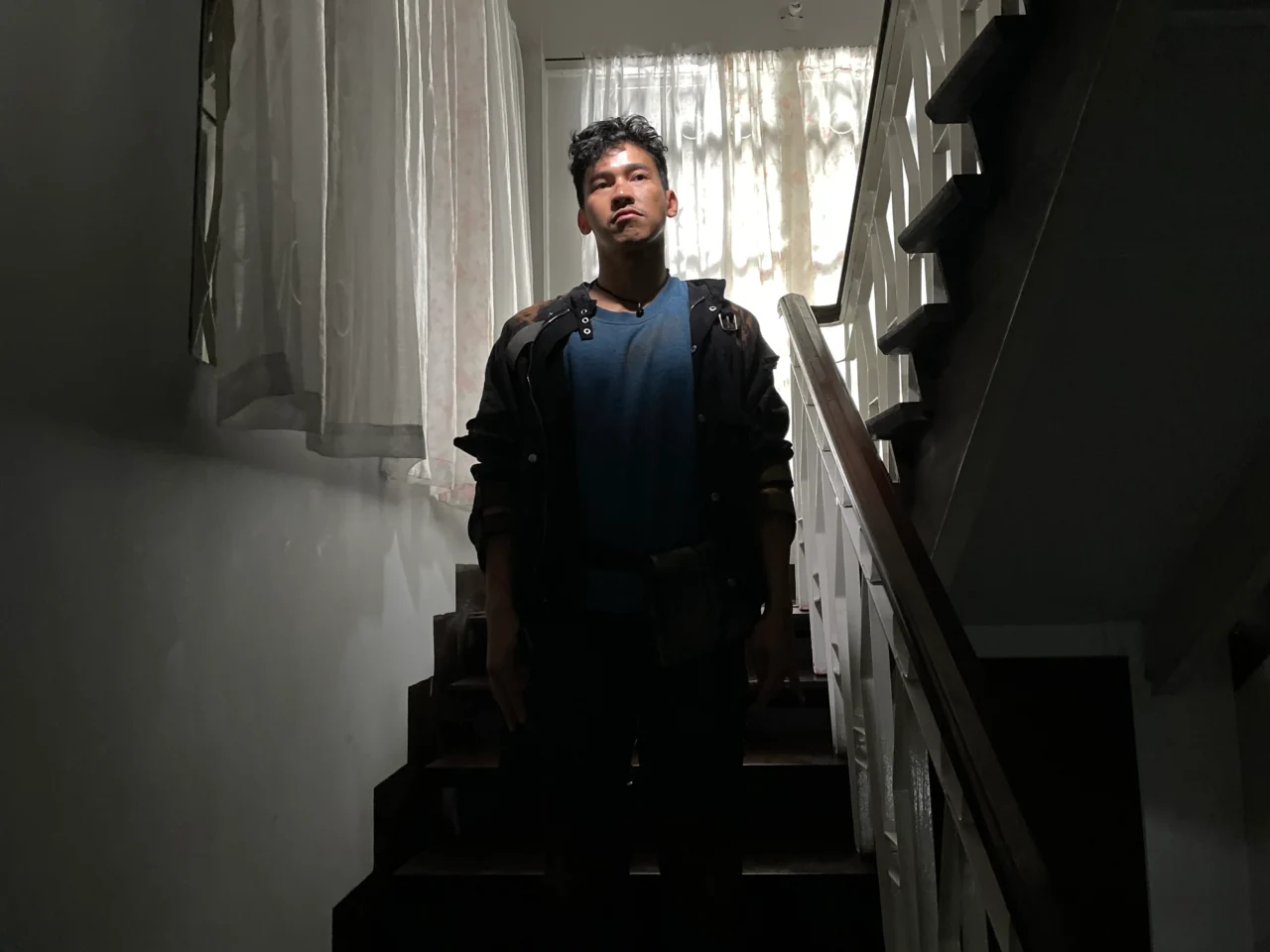
That openness to real-world texture defined the film’s eclectic casting. To satisfy his mother’s definition of a “real film,” Torres cast ABS-CBN star Enchong Dee as Donnie, a delivery rider who becomes the app’s model vessel. Alongside Galura and acclaimed stage and screen actor Gabby Padilla (as Gill), Torres cast Julia Richards—a luxury real estate influencer from YouTube’s Presello with zero prior acting experience—as Gill’s enigmatic older sister, Eva.
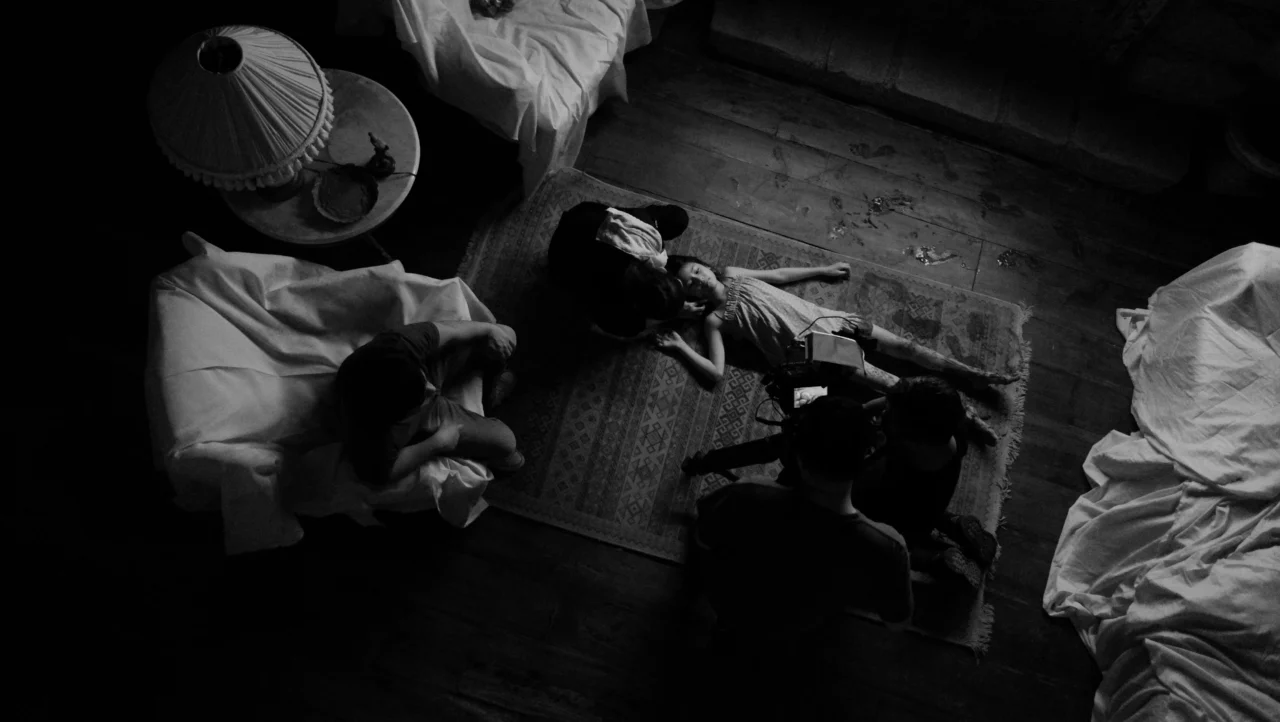
“I was drawn to this sort of artificiality and surface-level thing that she had,” Torres says of Richards. “She seemed like a shell and a ghost, yet very smart and personable, and very knowledgeable about structures and interiors. That became Eva, who sells the family house on camera while she runs seminars where people give their bodies away.”
On set, Torres brought his documentary instincts to a full-scale production crew, operating by a set of personal rules born out of mourning: Move automatically, like the riders. The director stands still. Let the place repeat. A single old house outside Manila doubled as the sisters’ residence, a police precinct, a school, and a crash site, trapping the characters in an inescapable loop.
“The moment we ask about GCash, PayMaya, iPhones, or Androids is the moment we have lost you,” Torres says, describing the deliberate opacity of the app’s mechanics. “How does a voice actually control the bodies of the riders in the film? That is never answered.”
The Allure of Surrender
Beneath its spectral mood, The Remotes pulses with the specific political and technological anxieties of contemporary Philippine life. During the pandemic, citizens spent two and a half years confined indoors while authoritarian leaders addressed the nation through screens, against the lingering backdrop of extrajudicial killings and the relentless hum of delivery motorcycles outside.
For Dayao, the characters’ numbness to the accumulating dead bodies in the film wasn’t a calculated allegory, but a national muscle memory. “I was conflating multiple eras of extrajudicial murders, and maybe even our long, sordid history of it,” Dayao says. “It’s not so much that I was actively conscious of it, more like I’ve internalized it to such a thorough degree, it just bleeds through.”
Today, that surveillance has mutated into algorithmic intimacy. Torres admits he used machine learning tools like Novelcrafter as a tireless “researcher” during development, even as he remains wary of how people increasingly treat generative AI as a digital confessional—and of massive data centers currently threatening to displace indigenous communities in the northern Philippines.
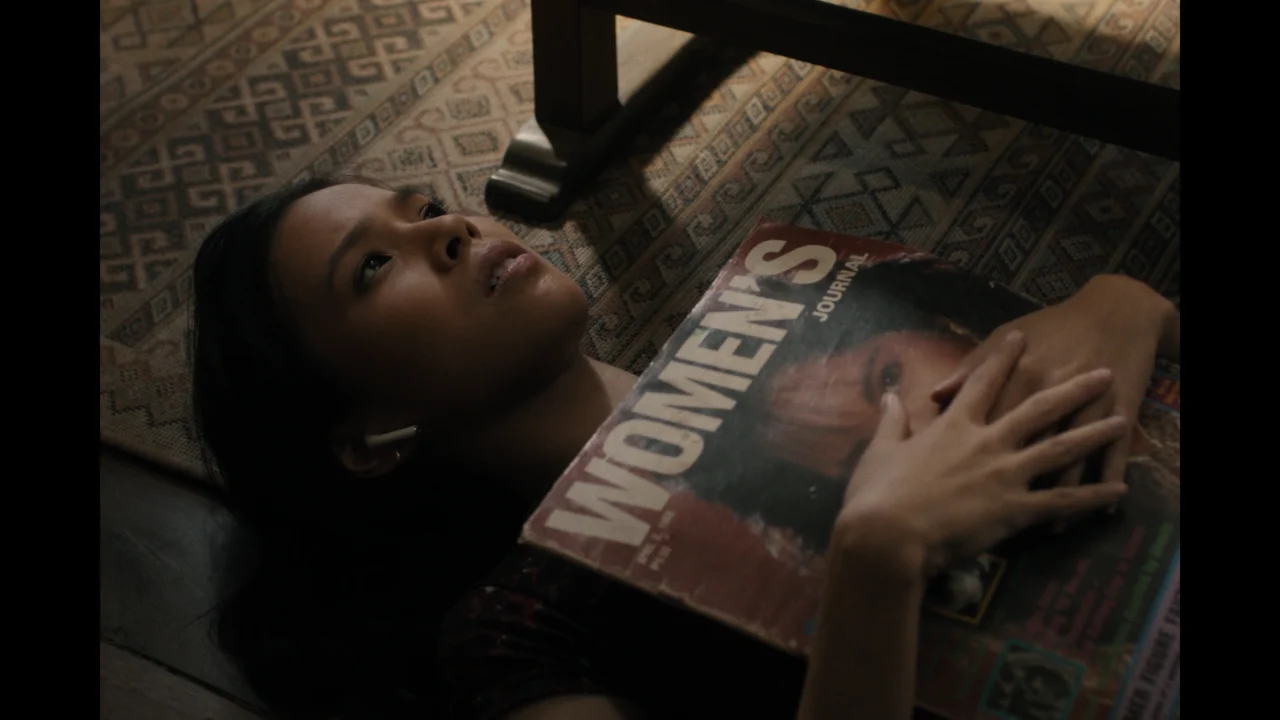
Ultimately, the horror of The Remotes lies in how seductive that surrender feels. Throughout the film, Torres slips his own voice into the soundscape—standing in for Mijares’s inner monologue and even voicing a doctor over the phone—turning the cinema itself into a medium of possession.
“For many Filipinos, after so much loss, grief makes us want someone else to steer, whether it’s a president with a strong voice or an app that knows you personally,” Torres reflects. “I’ve come to think grief has allowed us to want to be controlled. Perpetually controlled.”
Yet, despite its labyrinthine mystery, making the film offered its director a rare sense of arrival.
“Usually I’m never sure when a film is done,” Torres says. “This film was the first time I knew I had finished the journey. As if I had come home safely after a long conversation.”
Frequently Asked Questions
The Remotes follows a grieving detective investigating fatal road crashes linked to a mysterious navigation app that takes control of its users.
The film was directed by Filipino filmmaker John Torres and co-written with Dodo Dayao.
The film stars Alchris Galura, Enchong Dee, Gabby Padilla, and Julia Richards.
The Remotes premiered at the Toronto International Film Festival and the New York Film Festival before screening at QCinema.
Torres made his first fiction feature to answer his late mother Alice’s wish that he make a “real film.”