
Summaries were generated by AI. Generative AI is experimental.
Explore other styles:
Dressing for a trip to Arrakis now seems to require a working knowledge of medieval art, couture, religious history, and the survival properties of scuba gear. The latest first look at Dune: Part Three reveals an empire with centuries of dress codes, rituals, and expensive problems behind it. Jacqueline West, the costume designer who has shaped Denis Villeneuve’s films from the beginning, gives this future a decidedly historical wardrobe.
West originally described her approach as “modieval,” a blend of modern design and medieval references. For Dune: Part Three, set nearly two decades after Paul Atreides takes control of the Imperium, she has moved toward the Renaissance. Her references include Giotto and Francisco Goya, early papal courts, Etruscan and North African dress, and the sculptural silhouettes of Cristóbal Balenciaga. The story has darkened, and the clothes have matured with it.
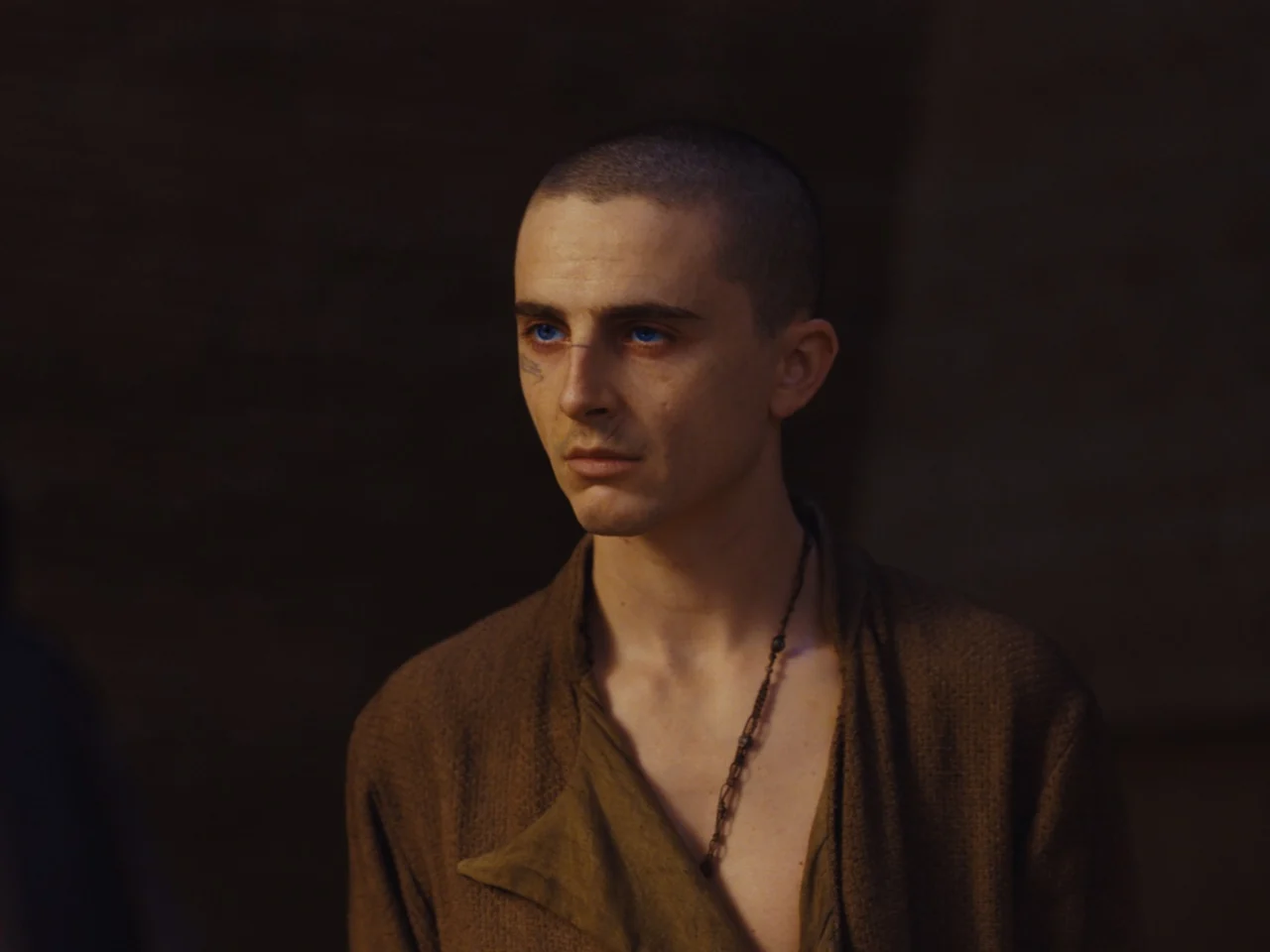
That shift is clearest in Paul, played by Timothée Chalamet. The former messiah is now an emperor living with the consequences of his power. West looked to Howard Hughes, the reclusive billionaire who spent years shut away in a Las Vegas hotel suite, to understand a ruler’s solitude.
Paul’s robes use substantial fabrics, leather, and embroidery, giving him the ceremony of an institution. A look at the sets offer a parallel to these design choices, as production designer Patrice Vermette describes Paul’s private quarters as a desert camp hidden inside a vast palace, reached through a maze and separated from the court. The emperor has arranged his life to avoid almost everyone.
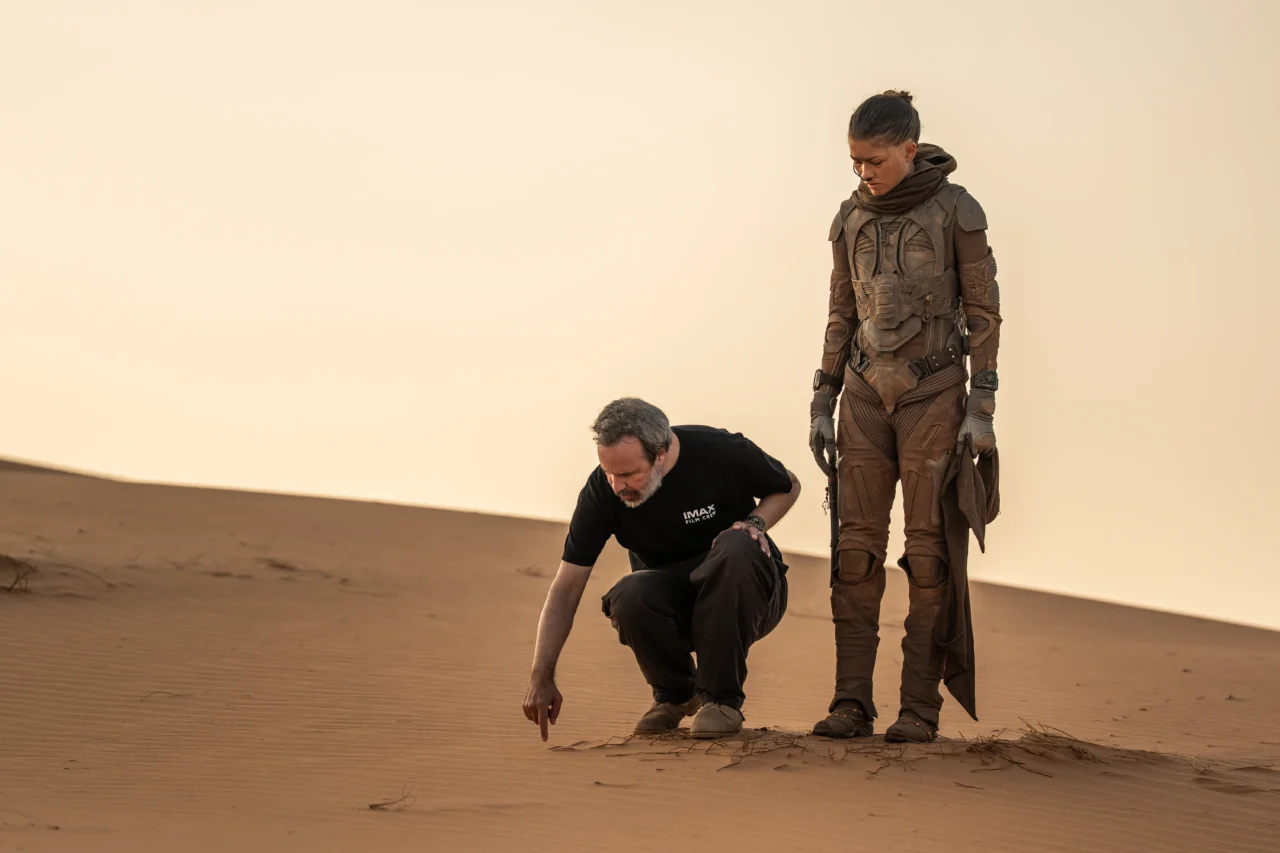
Meanwhile, Chani remains connected to the people and place Paul has left behind. Zendaya’s character keeps her traditional Fremen stillsuit, a continuity West says reflects her role as the story’s moral compass. The other stillsuits have also had a serious refit. Their familiar tubes and layers give way to a sleeker, scuba-like silhouette, made from rubber-textured coated Lycra with molded acrylic sections. The material preserves Frank Herbert’s moisture-recycling technology while allowing the actors to move. Developed in Los Angeles and manufactured in Budapest, the suits show the engineering behind a convincing future wardrobe.
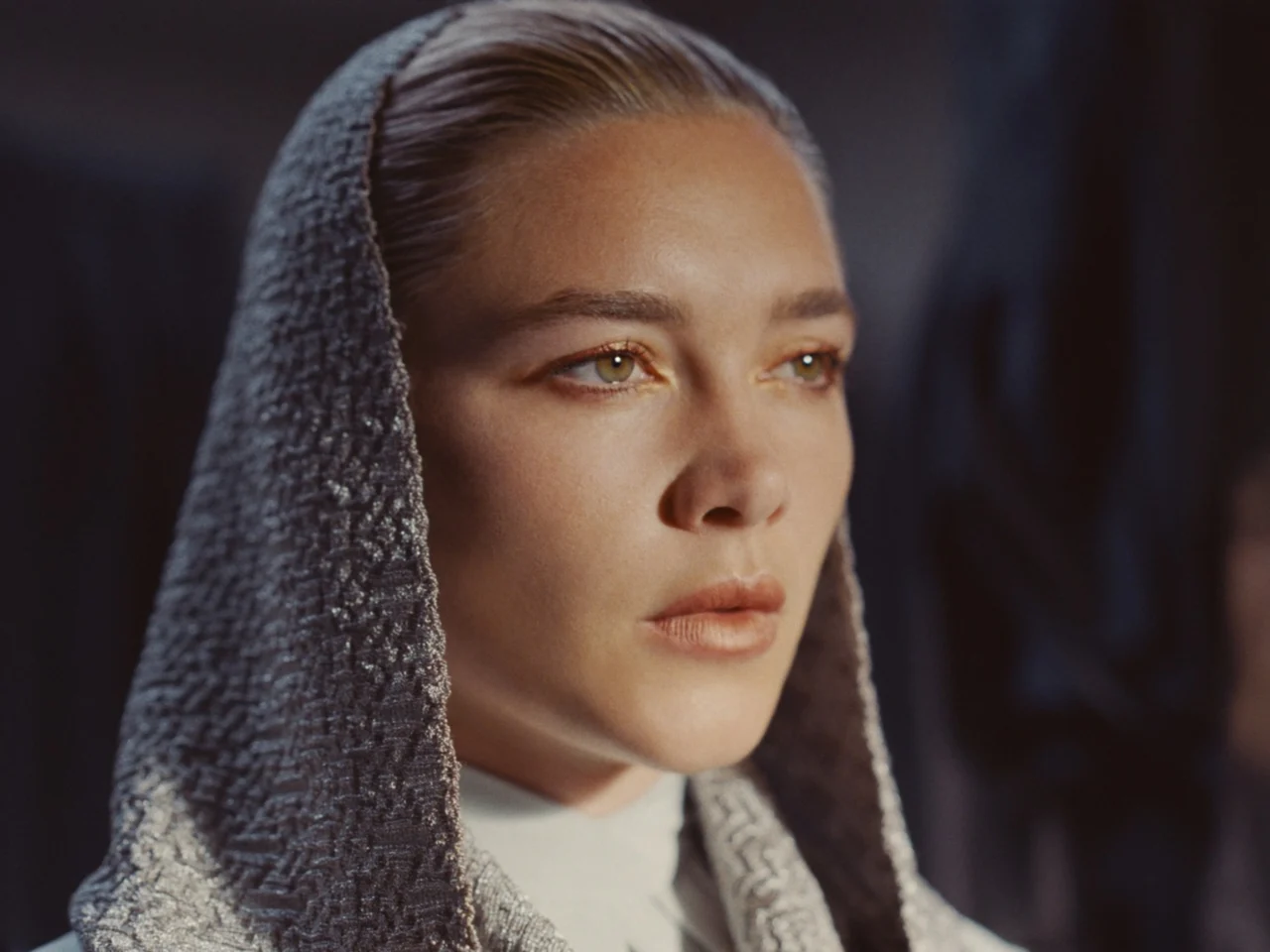
The palace comes with its own dress codeDress CodeThe set of guidelines for appropriate clothing at an event or workplace, from casual and smart casual to business and black tie. Understanding a dress code shows respect for theGo to Dress Code Glossary as well, as Florence Pugh’s Empress Irulan is wrapped in blue, with knitted and crocheted metal headdresses designed by Liria Pristine. Her standout cape uses an icy, fur-like textile West devised after finding a reference in Herbert’s description of “blue whale fur.” The wonderfully absurd phrase becomes a liquid-looking sweep of blue, giving a lonely empress the grandeur her position demands.
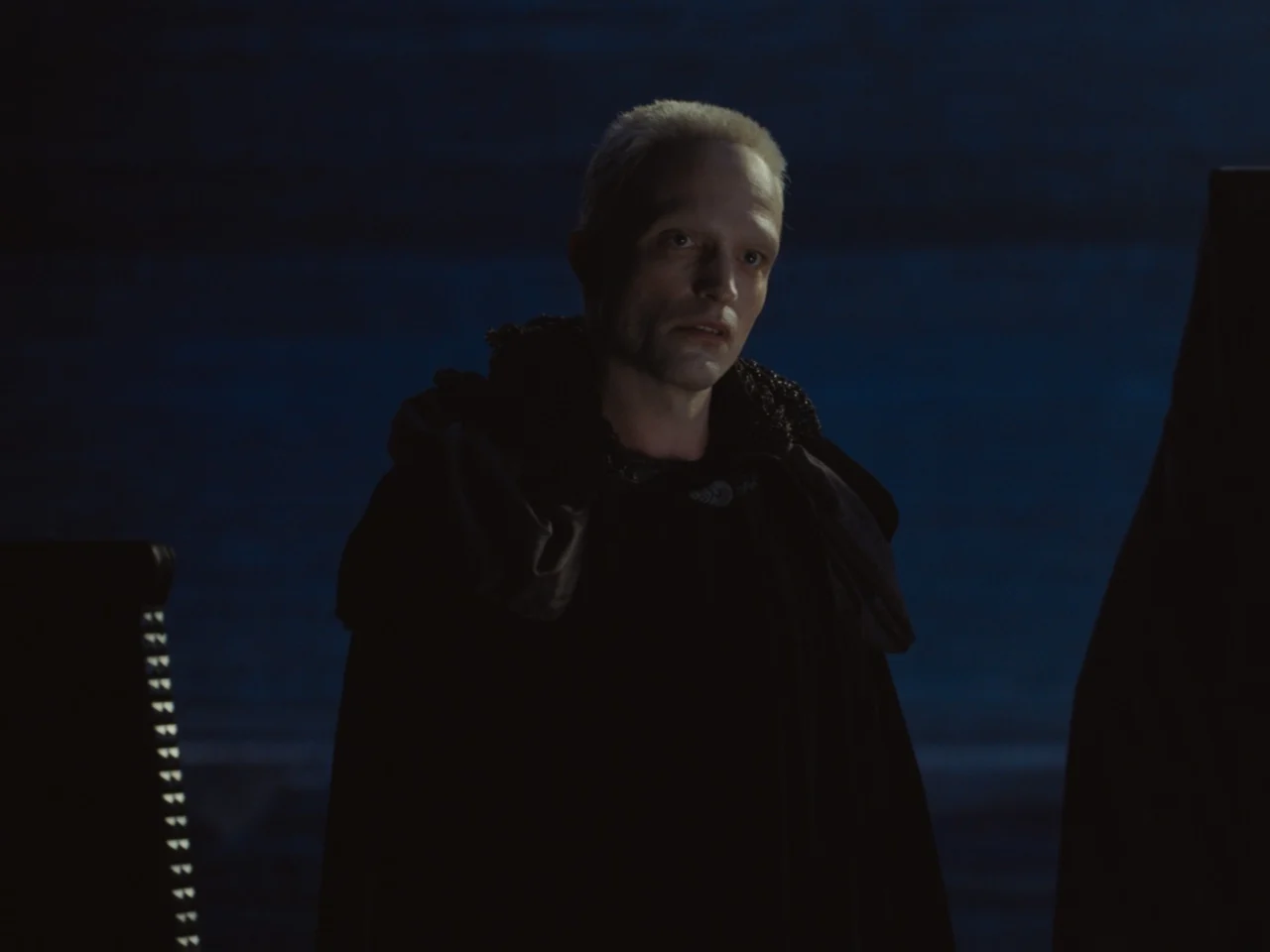
West dresses Anya Taylor-Joy’s Alia in white, drawing on Giotto’s religious paintings and Sufi-inspired shapes. A photograph of an Iranian woman in a white chador and oversized Dior sunglasses shaped Alia’s eerie presence; for the bloodied look, West also turned to the rather wonderful reference of Carrie. Robert Pattinson’s shapeshifting Scytale borrows from the early papacy, when the papal court moved from Rome to Avignon, and Jason Momoa’s Hayt wears luxurious garments that make him seem like a gift delivered to Paul.
West’s interest in natural textiles and handwoven fabrics, set against molded plastics and specialist costume effects, makes the clothes feel passed down through generations.
And in the world of Dune, power has always come with a costume. The Fremen dress for survival, the Bene Gesserit for influence, and the Atreides for the business of ruling an empire. West understands that a change of wardrobe can signal an entire change of fortune.
As Paul settles into his imperial robes, the clothes begin to carry the weight of everything that came before him, from the traditions he has inherited to the lives his rule has altered. For all its grand prophecies and interplanetary politics, Dune remains a remarkably human story, and its costumes make sure we never lose sight of the people living inside it.
Frequently Asked Questions
Jacqueline West, who also worked on the previous films in Denis Villeneuve’s Dune series.
The costumes draw inspiration from Renaissance art, early papal courts, Etruscan and North African dress, and the designs of Cristóbal Balenciaga.
The new stillsuits have a sleeker, scuba-inspired silhouette, using rubber-textured coated Lycra and molded acrylic sections while retaining their moisture-recycling function.
Empress Irulan’s cape uses an icy, fur-like textile Jacqueline West devised, inspired by Frank Herbert’s description of “blue whale fur.”
Paul wears leather and embroidered robes, Alia wears white inspired by Giotto, and Chani keeps her traditional Fremen stillsuit.