Summaries were generated by AI. Generative AI is experimental.
Explore other styles:
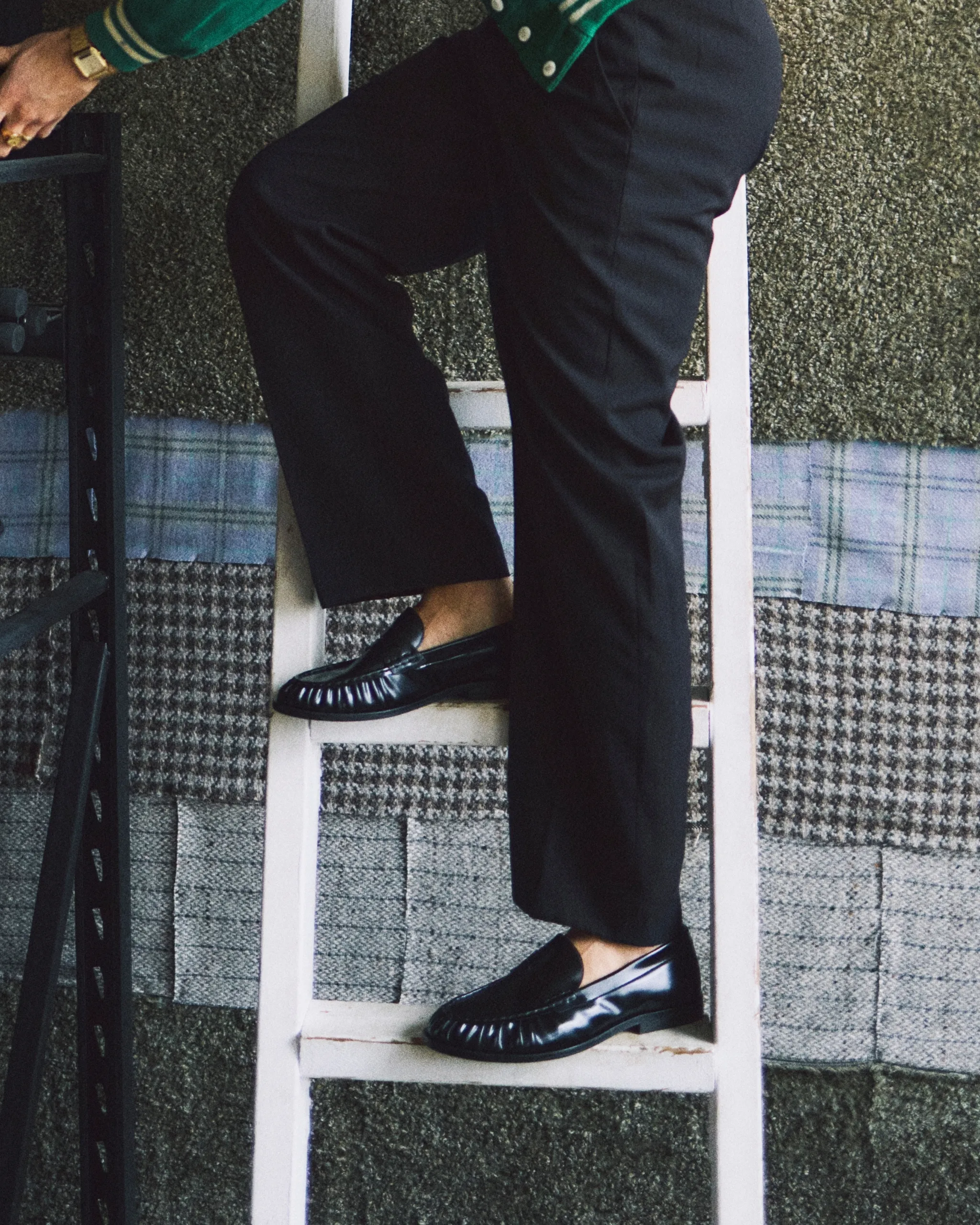
Virgil Nicholas has a theory about shoes: the right pair changes the way you carry yourself. You stand a little taller. You walk with a slice of real conviction. Suddenly, you’re reaching for a crisp shirt and a knit tie on a Tuesday morning when you’d originally planned on slumping out in sweats. It’s a subtle shift, sure. But Nicholas deals in the cumulative power of these small, deliberate elegances. He has spent a lifetime decoding how clothes dictate mood. Today, as the mastermind behind the Copenhagen-based footwear imprint VINNY’s, he’s turned that obsession into a global business.
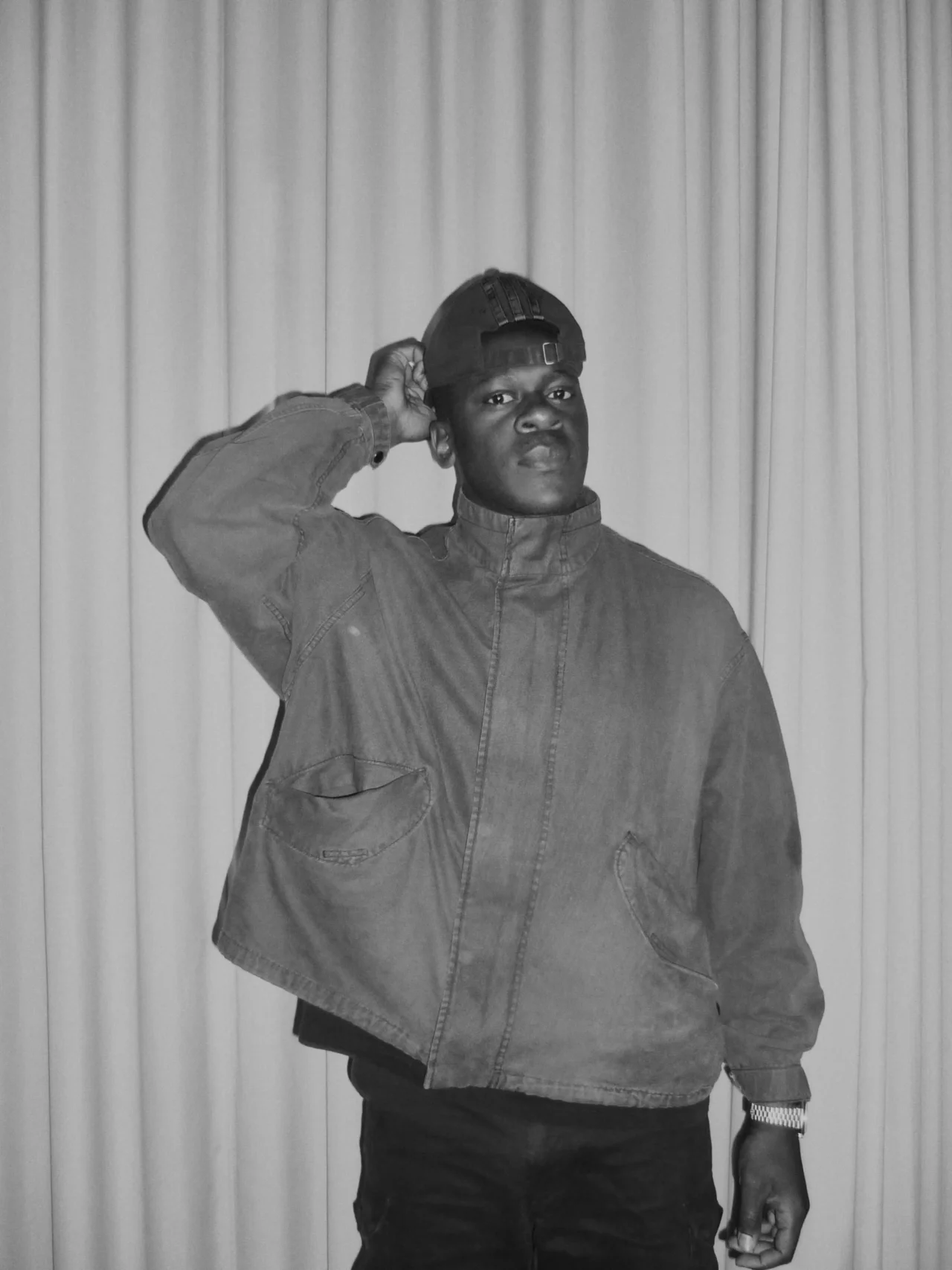
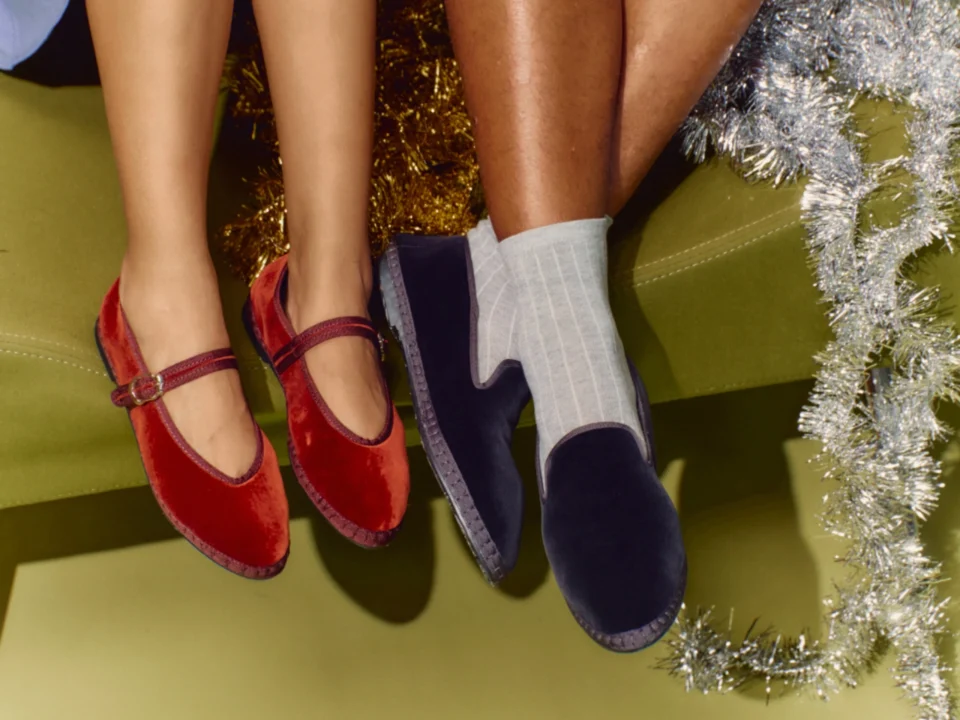
The origin story involves a one-year-old boy, a family photo album, and a pair of red loafersLoafersSlip-on leather shoes without laces, available in styles such as penny, tassel, and horsebit. Loafers combine comfort with polish, and they pair easily with tailored trousers or chinos, making themGo to Loafers Glossary. Nicholas was sitting with his son, Vinny, at his parents’ house when he began looking through photographs of himself and his brothers as children.
He had spent years collecting sneakers, working with footwear brands, and advising companies on styling and brand strategy, and had also grown tired of the sneaker cycle. At a wedding and a baptism that weekend, he had watched men struggle to reconcile their suits with their sneakers. Then, looking at the family photographs, he noticed that the shoes he and his brothers had worn as children were overwhelmingly made of leather.
“Everything is pointing in one direction,” he remembers thinking. He had an idea for a loafer, a shoe he could wear himself and recommend to his friends. He wanted to make something that felt entirely his, free from the pressure to build a business around recognition or commercial ambition.
VINNY’s began as a personal project, an exercise in following an instinct that had been sitting with him since childhood. The first product was the Townee, a black leather loafer drawn initially as a rough sketch and developed with a manufacturing contact in Portugal. Nicholas invested his savings in 200 pairs, and they sold out in three weeks.
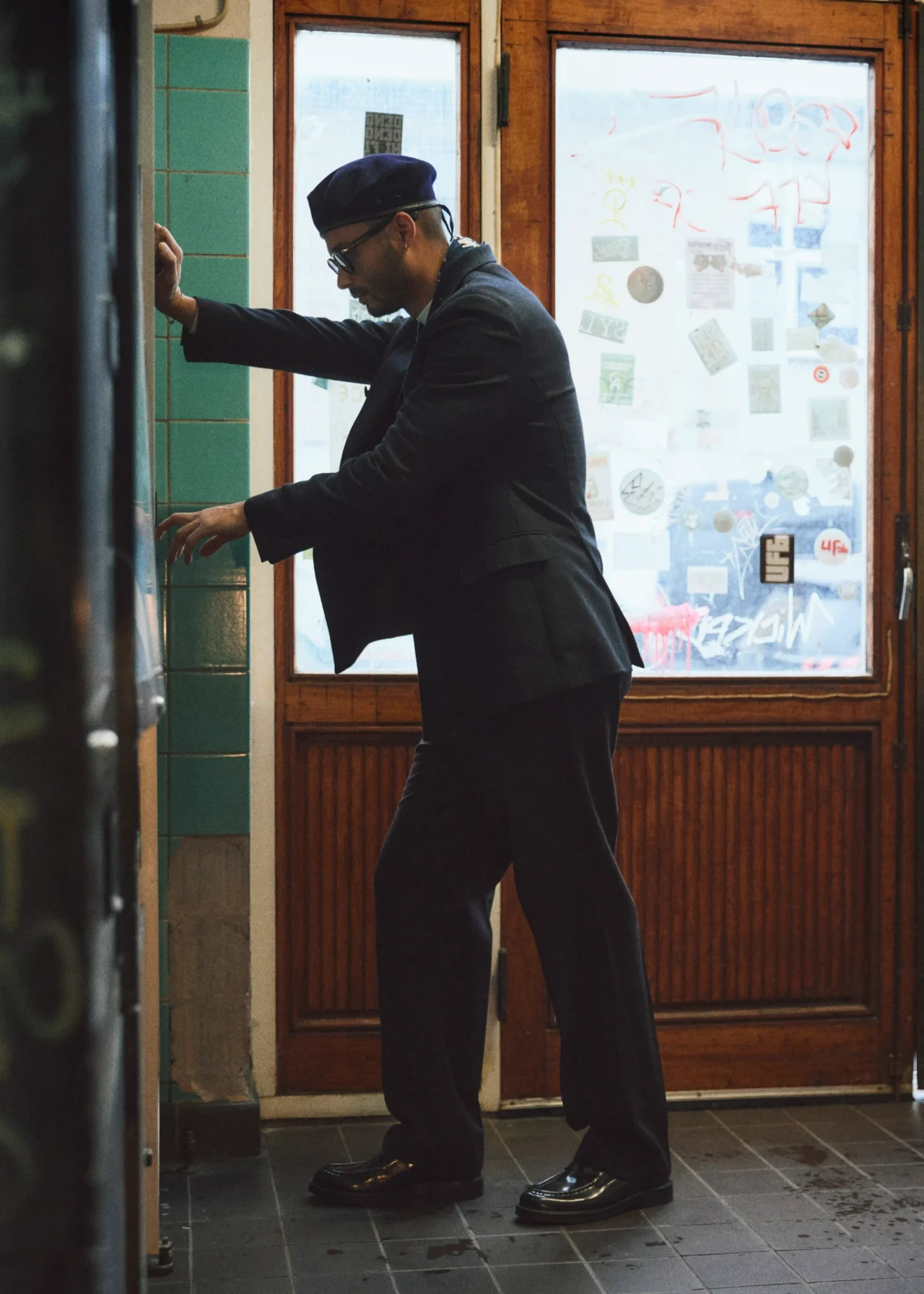
The timing could hardly have been worse. Just as the brand was beginning to gain traction, Nicholas had placed his biggest order yet and extended clothing credit for a potential Frank Ocean music video. Then the pandemic brought everyday life to a standstill. People were staying home, stores were shutting their doors, and the need for a new pair of loafers seemed almost nonexistent. Yet, despite the circumstances, demand continued.
A campaign built around friends sharing their first memories of loafersLoafersSlip-on leather shoes without laces, available in styles such as penny, tassel, and horsebit. Loafers combine comfort with polish, and they pair easily with tailored trousers or chinos, making themGo to Loafers Glossary caught the attention of Mr. Porter, who became an early international stockist. And within a year of launching, Nicholas had a product on one of the world’s most influential menswear platforms, all from a drawing he had.
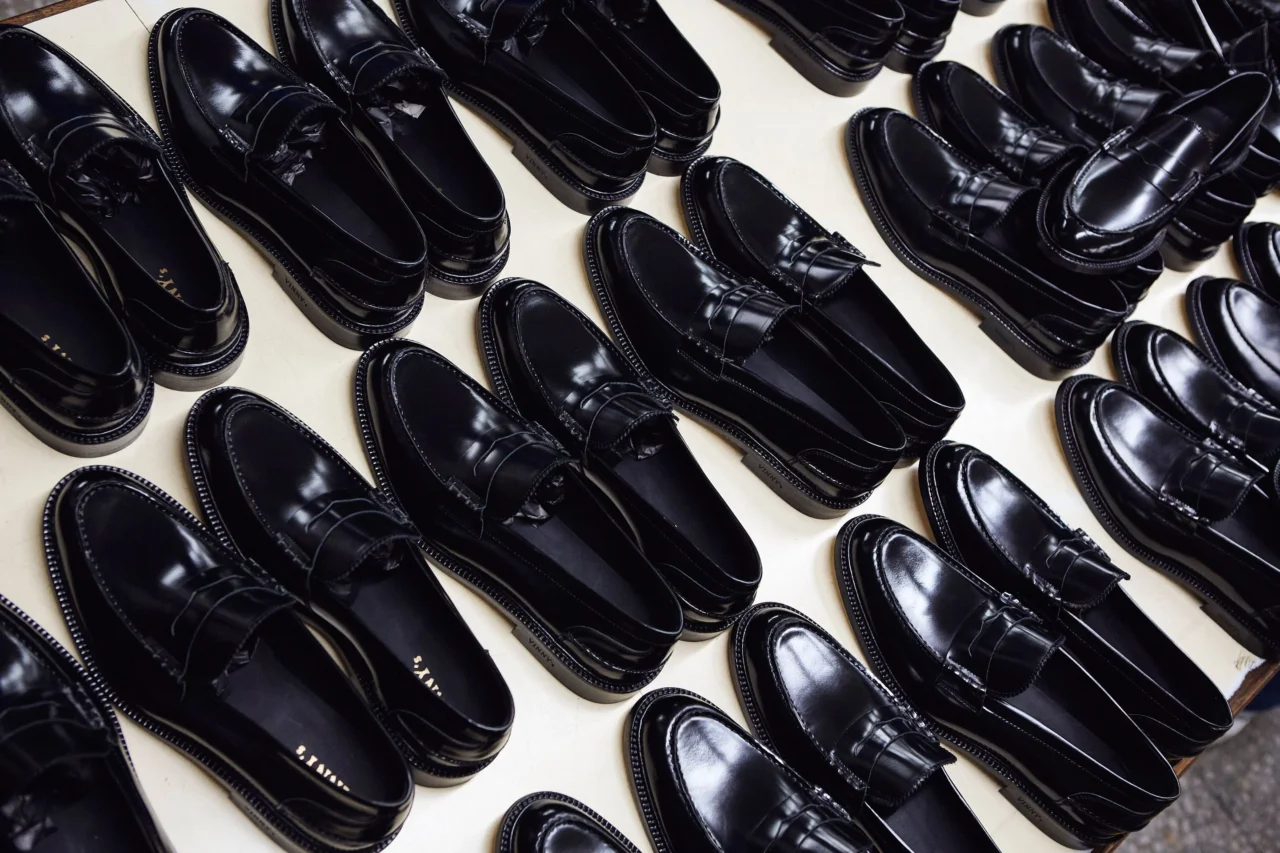
The success made sense to him because the premise was so simple. Virgil wanted to take a shoe traditionally reserved for formal occasions and make it useful to the person who might otherwise live in sneakers. He understood the sneakerheadSneakerheadA passionate collector or enthusiast of sneakers who follows releases, collaborations, and resale markets closely. Sneaker culture has a strong community in Manila, where collectors gather at events, swap pairs,Go to Sneakerhead Glossary’s wardrobe because he had spent years inside that world. He knew its pleasures, its rituals, and the peculiar satisfaction of finding a shoe that felt like an extension of your personality, having also understood the fatigue that eventually comes with collecting things. VINNY’s offered another way to think about footwear, one that allowed a loafer to work with jeans, a suit, or whatever else happened to be in the wardrobe.
“Just because the product is formal doesn’t mean the whole world around it has to be formal,” he says. It is a good principle for a generation that has spent years dressing down, and one that has helped make the loafer feel at home in a contemporary wardrobe. Nicholas is interested in what happens when a man puts on a shoe he has never worn before and discovers that it changes his posture, his outfit, or his appetite for getting dressed.
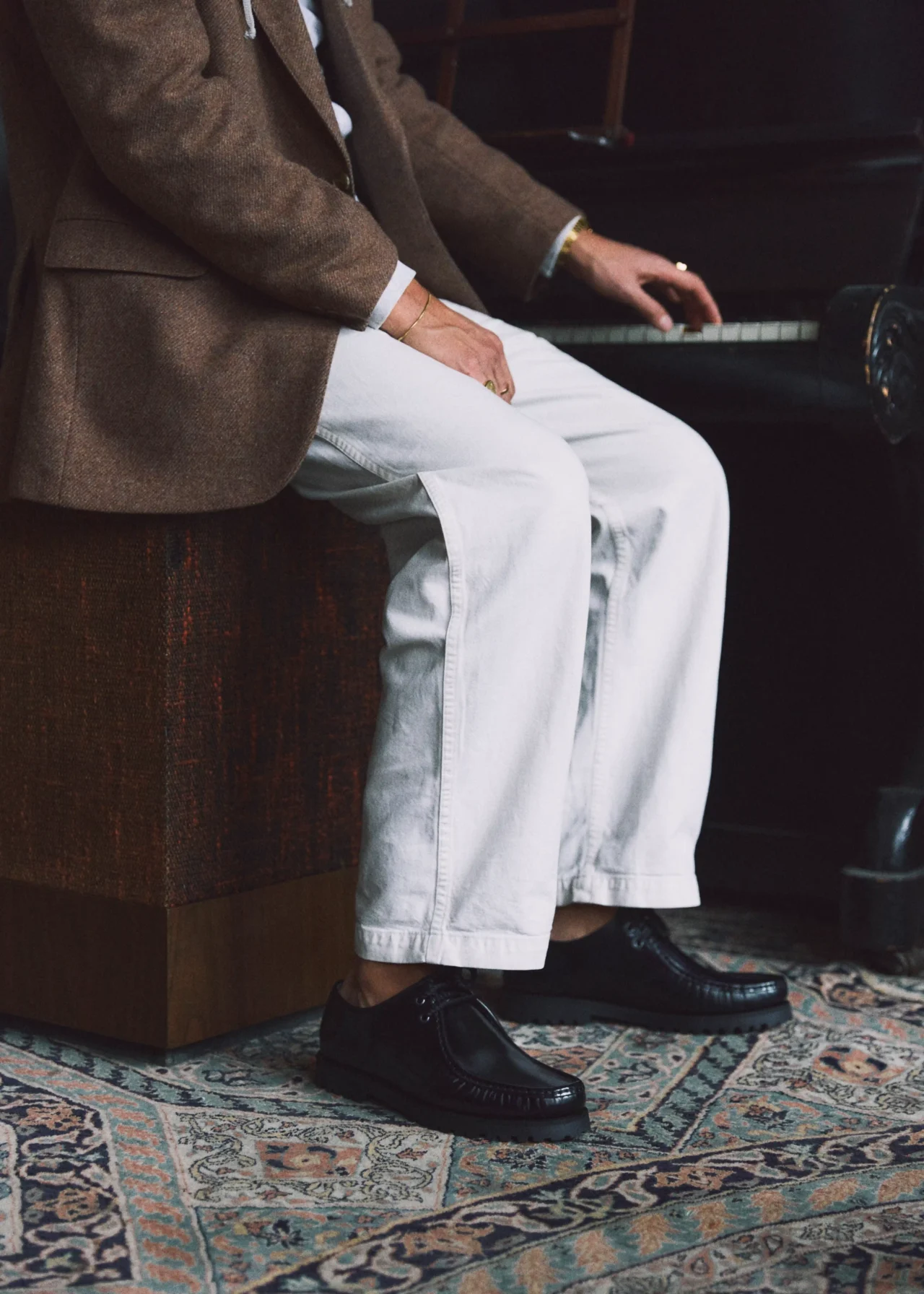
That understanding of clothes began at home, as Virgil’s parents are of Congolese descent and grew up attending Belgian schools during the colonial period. Their approach to dressing was classic and preppy, and their sons wore chinos, Oxford shirts, and vests whether they were going to school, church, or the playground. On Saturdays, Nicholas and his brothers spent an hour or two ironing their father’s shirts. When their father came home from work, they would sit beside him and untie his dress shoes. He also taught them how to tuck in a shirt properly, pulling their trousers down before arranging the fabric and pulling them back up.
These memories might seem like small domestic rituals, but Nicholas returns to them when explaining his design philosophy. His parents taught him that making an effort was a form of self-respect, something you did for yourself rather than for an audience. “When you make an effort, you also feel way better,” he says. “It’s not about looking better. It’s about doing something for yourself.”
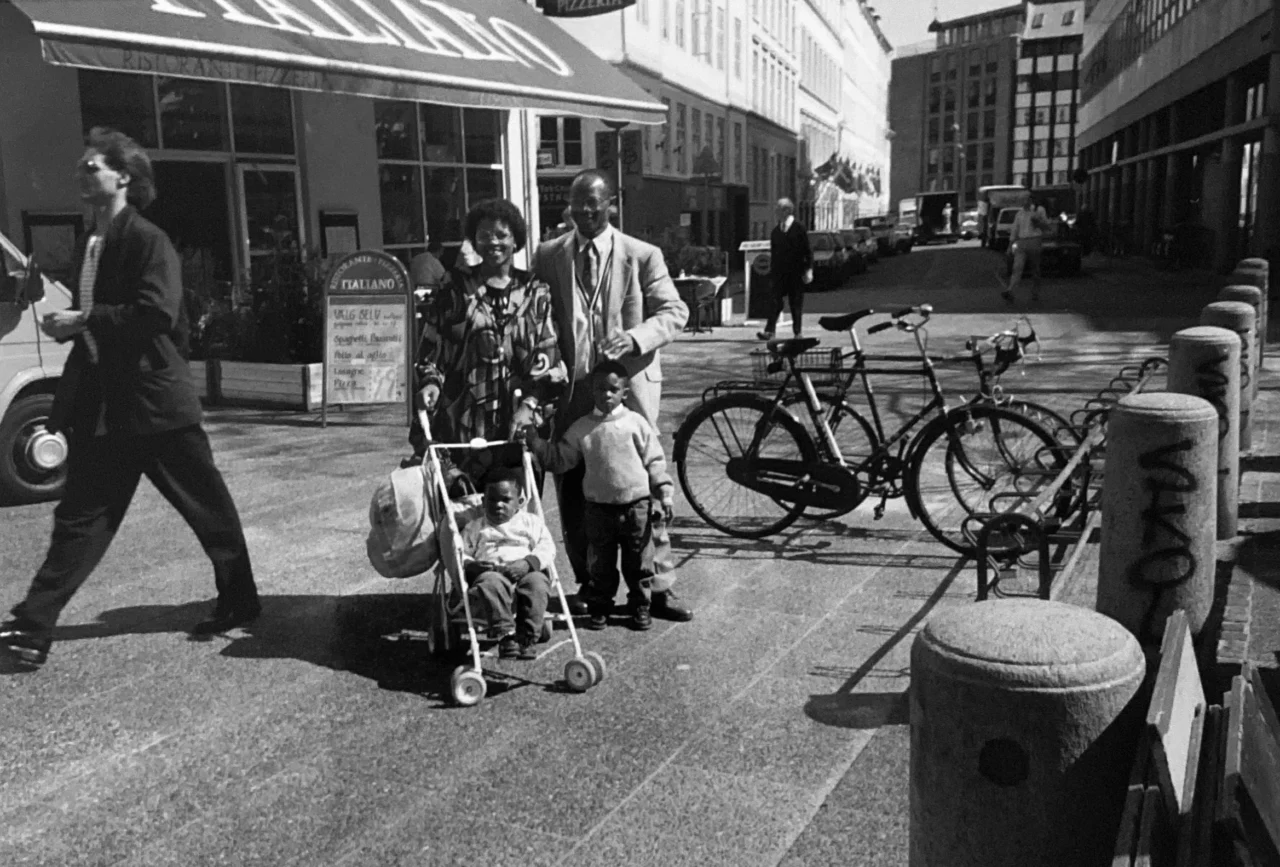
His taste, however, has never been entirely preppy. Nicholas grew up absorbing different cultural sensibilities, and he has spent years figuring out how to make them work together. Danish design favours clean lines and restraint; Congolese dressing embraces colour, personality, and a certain glorious excess; while Parisian style brings its own intuitive, bohemian ease. For a long time, he wondered whether he ought to make his work look more conventionally Scandinavian, with the minimalism expected of a Copenhagen-based brand. Eventually, he stopped trying to edit out the parts of himself that did not fit.
“My world is eclectic in its very minimal Danish style,” he says. He offers the example of a Moroccan rug he plans to bring into VINNY’s headquarters, beneath a dining table surrounded by restrained contemporary furniture. The rug was bought with his family in Morocco a decade ago. It introduces a memory into a carefully composed room, a reminder that design becomes interesting when it carries something personal.
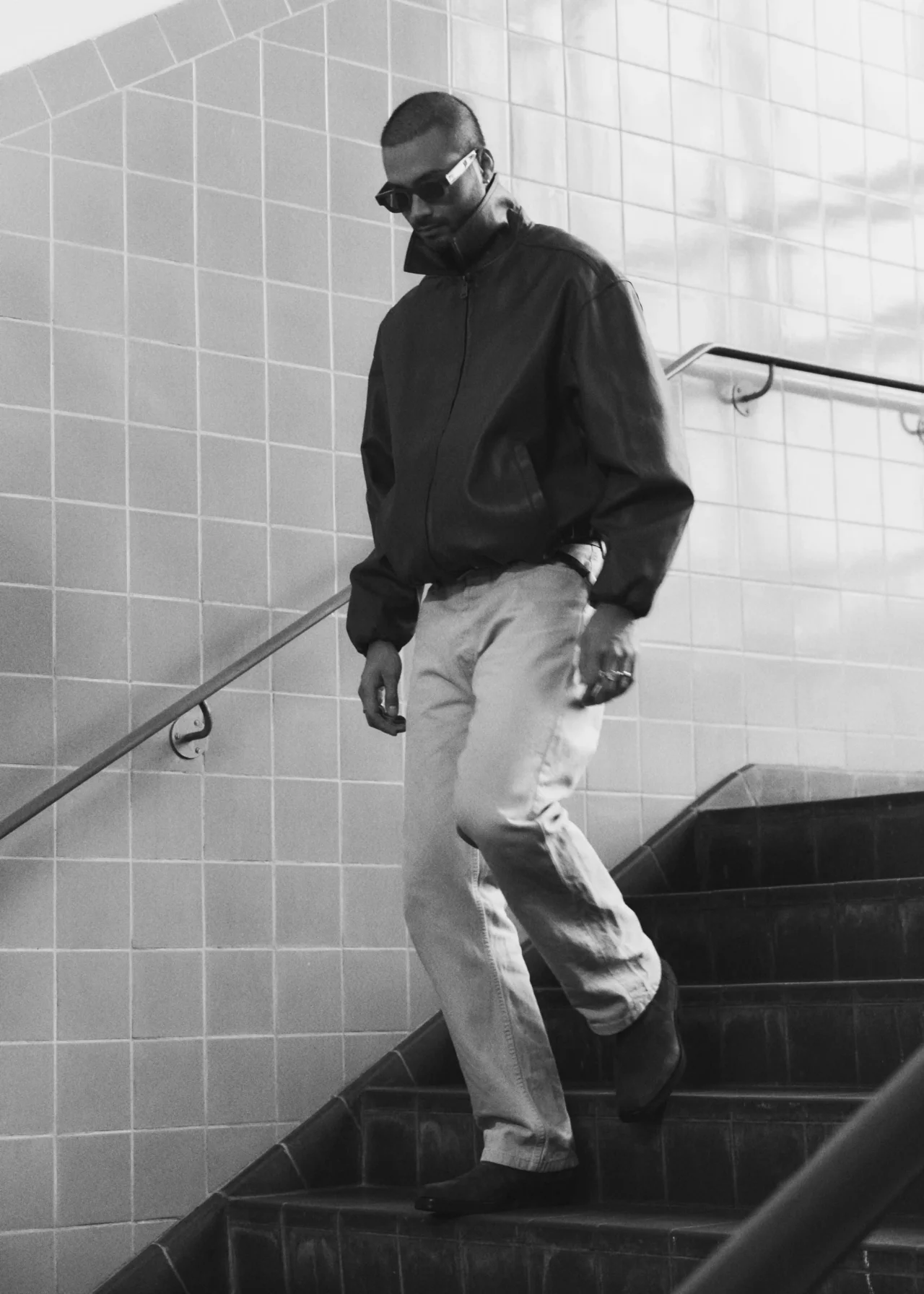
There is a larger question of identity beneath these choices. Nicholas is conscious of the colonial history that shaped his parents’ lives and the complicated inheritance of a European aesthetic adopted by families of African descent. He speaks about the responsibility of creators to help people take pride in where they come from, especially when history has shaped how they understand themselves. For him, the work is partly about making room for identities that do not fit neatly into one category. “We’re also making history now,” he says. “The only way we can kind of change the narrative is by changing the narrative.” His own designs become a way of bringing these influences into the present without having to justify their coexistence.
But before VINNY’s, Nicholas had already spent years building creative spaces. As a teenager, he started Superbial, a fashion and culture platform that championed designers, musicians, and artists working in Denmark and the Nordic region. He had grown tired of the assumption that the most interesting ideas had to come from the United States, Britain, or France. He wanted to document what was happening around him, and the platform eventually reached tens of thousands of readers each month, hosted parties, produced campaigns, and gave young writers and creatives a place to develop their work. Nicholas had also been recording music since childhood, signing a record deal at twelve and performing live while still a teenager.
Across these different pursuits, he has returned to the same idea: trust your instincts. “Your taste belongs just as well as anyone else’s,” he says. “No one’s there to speak for you other than you.” It is an unusually personal foundation for a business, and one that has sometimes made the business difficult to manage.
He remembers meeting a friend on the street who could tell he was exhausted. The friend urged him to find help and keep going, believing that the conversation changed the course of the company. The following years brought their own challenges, including the difficulty of servicing large retailers and keeping pace with the resources required by a growing international business.
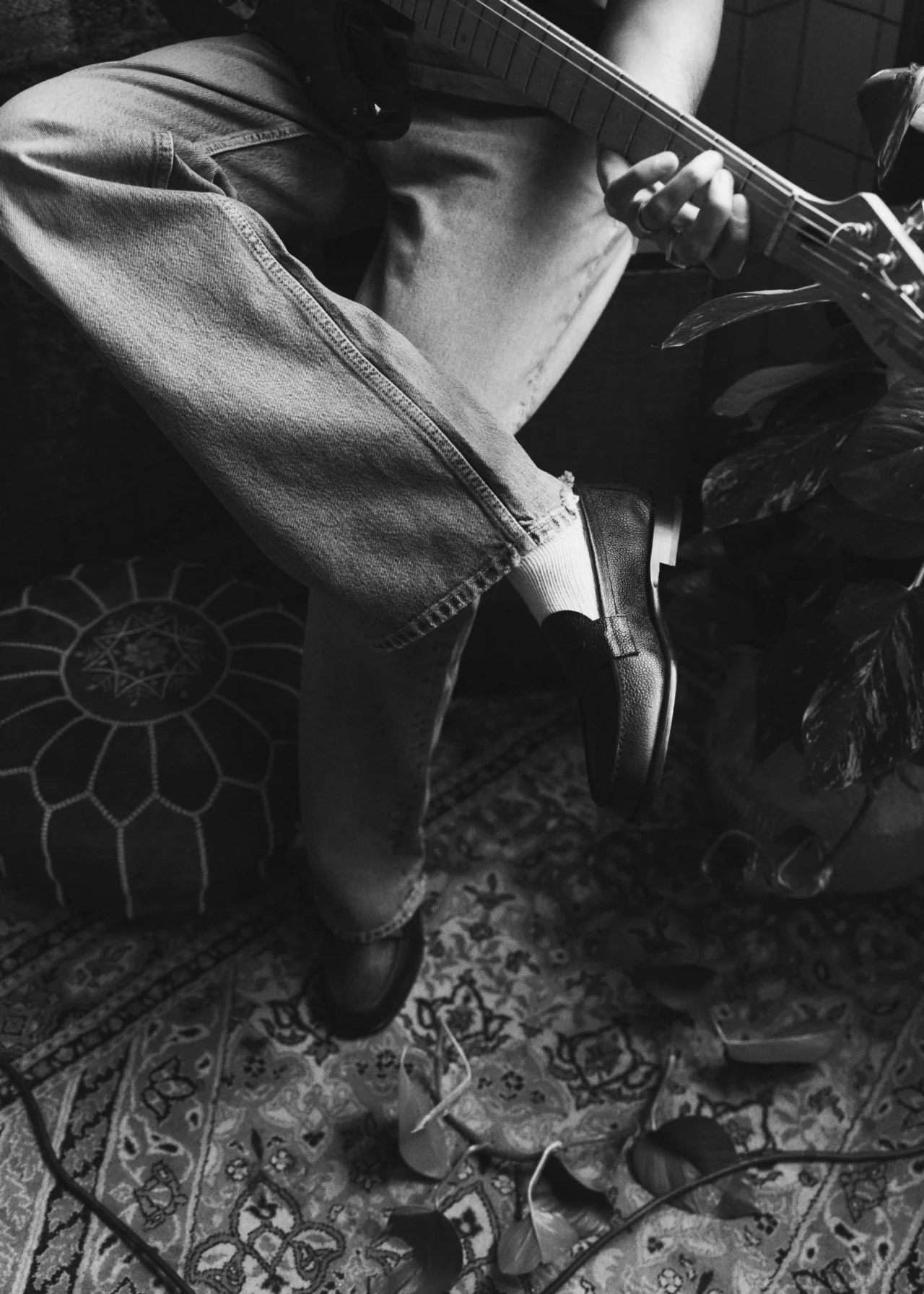
But today, Nicholas measures success differently. He has a wife, children, and a business that carries his son’s name; the responsibility has changed the way he thinks about ambition. “It’s more about freedom. It’s about presence. It’s about pride,” he says. He wants the freedom to stay curious, to spend time with the people he loves, and to create products that give wearers a sense of confidence. The celebrity sightings and high-profile endorsements are gratifying, but he is especially pleased when an ordinary customer tells him that a pair of VINNY’s made him feel good at a wedding or helped him see himself differently.
This matters to Nicholas because he wants the company to be a workplace where people can support their families, take pride in their work, and enjoy what they do. He is equally proud that his parents, who initially hoped their children would pursue conventional professions, have come to embrace these pursuits. He sees VINNY’s as a family achievement, a way of carrying their lessons into a new generation while allowing his own children to grow up with a wider sense of what is possible.
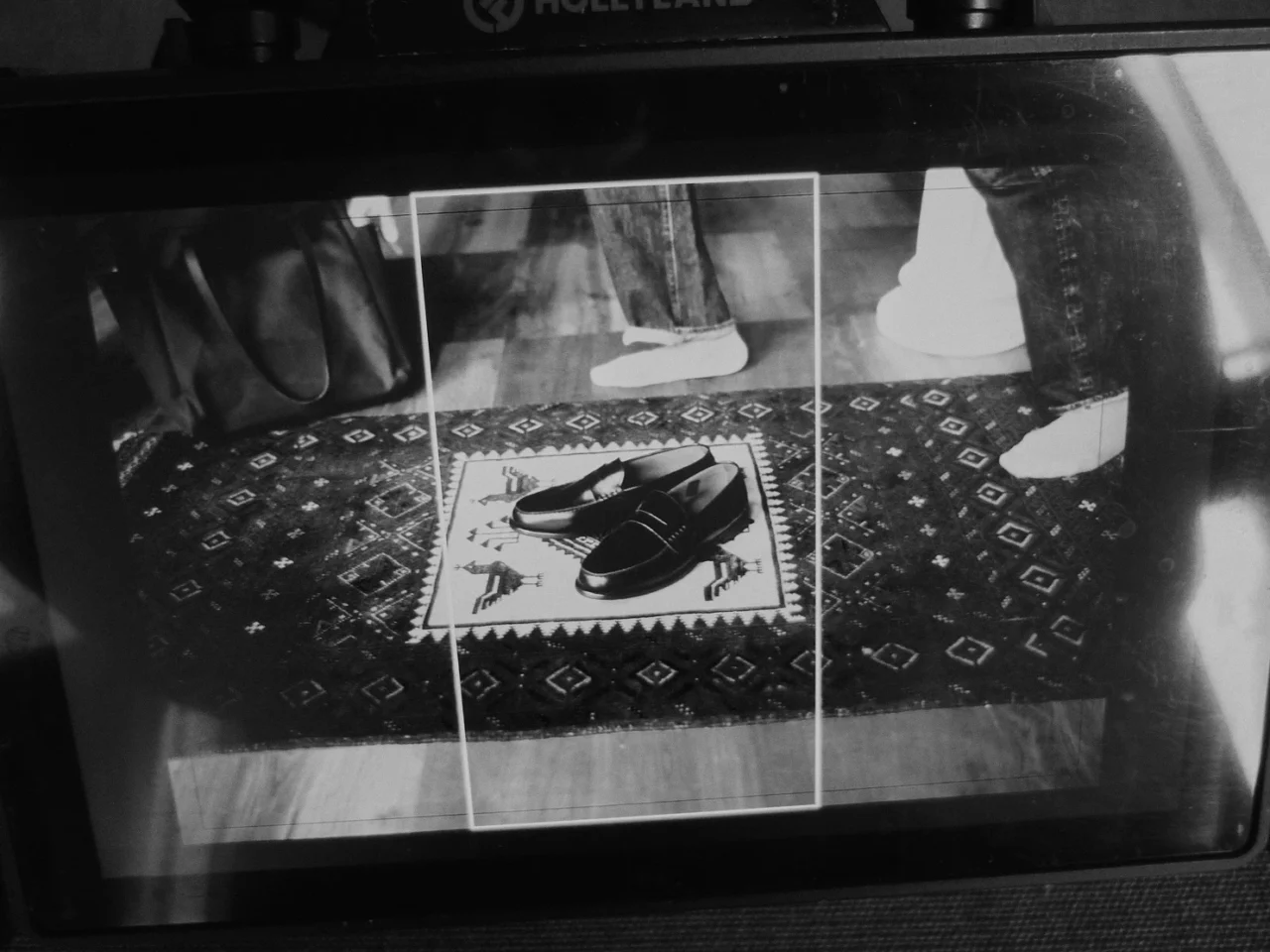
When he talks about good design, he comes back to the shoe itself. He wants customers to choose a shoe that doesn’t need to announce its branding to everyone in the room. “Confidence and character and comfort” remain his guiding principles, and they are also a useful description of the man who designed them.
The red loafersLoafersSlip-on leather shoes without laces, available in styles such as penny, tassel, and horsebit. Loafers combine comfort with polish, and they pair easily with tailored trousers or chinos, making themGo to Loafers Glossary in the family album may have been the first clue, but Nicholas has been making an effort for much longer. It began with ironing his father’s shirts, learning to care for his shoes, and figuring out how to dress for the life he wanted. Now he is making shoes that invite other people to do the same. “We don’t save lives,” he says, with characteristic modesty. “We make shoes and make people feel good,” and for Nicholas, that is reason enough to keep going.
In the Philippines, Vinny’s can be found at Commonwealth in Greenbelt, Power Plant Mall, and SM Aura.
Frequently Asked Questions
VINNY’s is a Copenhagen-based footwear brand founded by Virgil Nicholas, named after his son. It began as a personal project, and its first product was the Townee, a black leather loafer sketched by Nicholas and developed with a manufacturing contact in Portugal.
Nicholas invested his savings in 200 pairs of the Townee loafer, and they sold out in three weeks. A campaign built around friends sharing their first memories of loafers caught the attention of Mr. Porter, which became an early international stockist within a year of launching.
Nicholas wants to make a formal shoe useful to people who might otherwise live in sneakers. His principle is that a formal product doesn’t make the whole world around it formal, so a loafer should work with jeans, a suit, or anything else in the wardrobe.
Nicholas’s parents are of Congolese descent and taught him that making an effort is a form of self-respect. His design blends Danish restraint, Congolese colour and personality, and Parisian bohemian ease. He describes his world as eclectic in its very minimal Danish style, rather than editing out parts of himself.
In the Philippines, VINNY’s can be found at Commonwealth in Greenbelt, Power Plant Mall, and SM Aura. The Copenhagen-based loafer brand, founded by Virgil Nicholas and built around the Townee black leather loafer, also has international stockists including Mr. Porter, according to GQ Philippines’ profile of the founder.
Frequently Asked Questions
Virgil Nicholas is the founder of Copenhagen-based footwear brand VINNY’s and a former fashion and culture entrepreneur.
VINNY’s began as a personal project inspired by Nicholas’s childhood memories of wearing leather shoes and his desire to create a versatile loafer.
The first shoe was the Townee, a black leather loafer. Nicholas initially produced 200 pairs, which sold out in three weeks.
His design philosophy draws from his Congolese heritage, Danish upbringing, and appreciation for Parisian style, with an emphasis on confidence, character, and comfort.