Summaries were generated by AI. Generative AI is experimental.
Explore other styles:
The shoes known to last a lifetime can be found in the most unexpected places. Behind a weathered blue gate in Marikina, passing commuters and street vendors are given little hint of what is happening inside Risqué Designs, where leather shoes for some of the country’s most respected retailers are painstakingly made by hand.
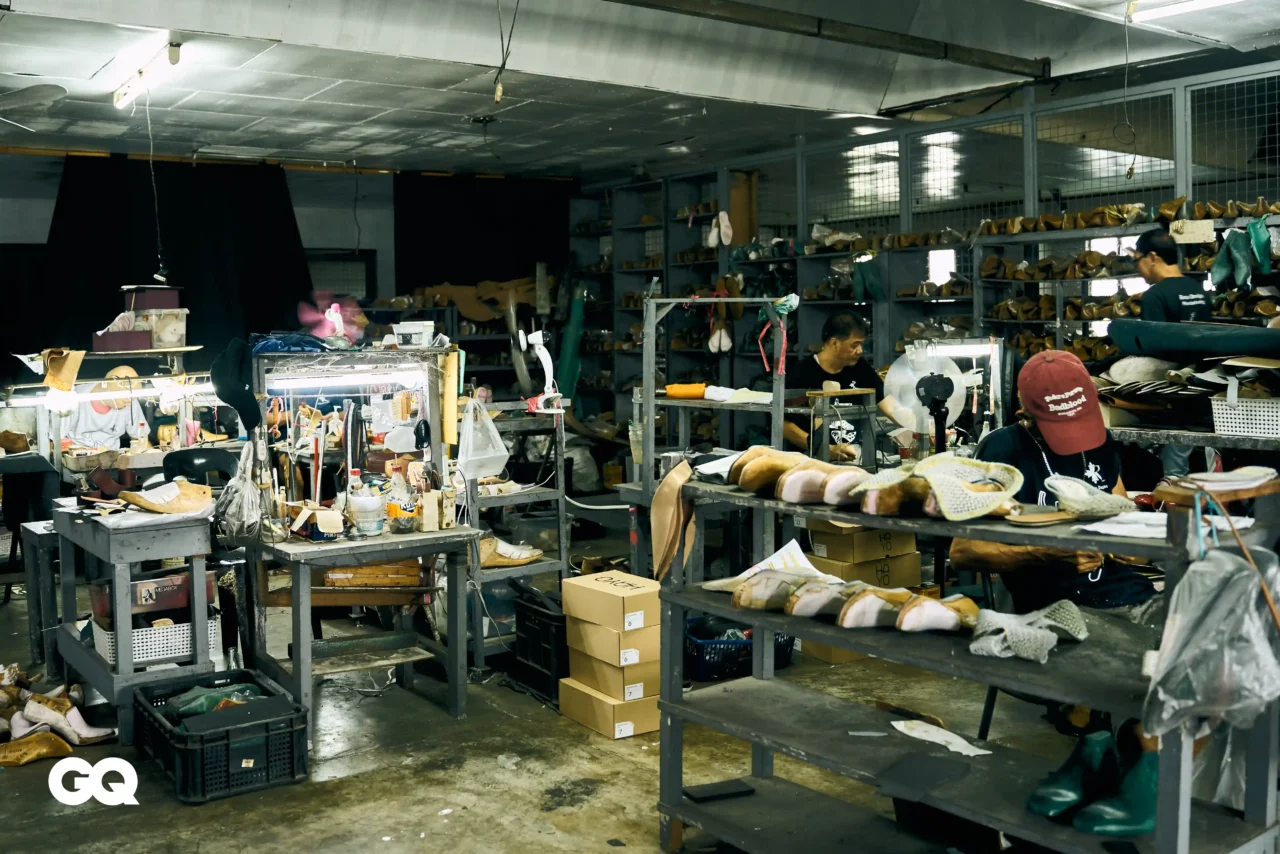
The ground floor is quiet. One flight of stairs up, however, and the workshop comes alive. Hammers strike leather and horma. The smell of hot glue hangs in the air. Stitching machines shriek in rhythm. To an outsider, it might sound like chaos. But inside the room, it feels like a well-rehearsed orchestra.
Spend enough time watching, and you’ll notice that most of the workers are older. Decades of experience reveal themselves in their movement. Their hands know where to go before they even have to think, forming shoes out of pieces of leather through countless, perfectly placed stitches. These are the people behind some of the country’s finest shoes.
The Price of Beautiful Things Is Time
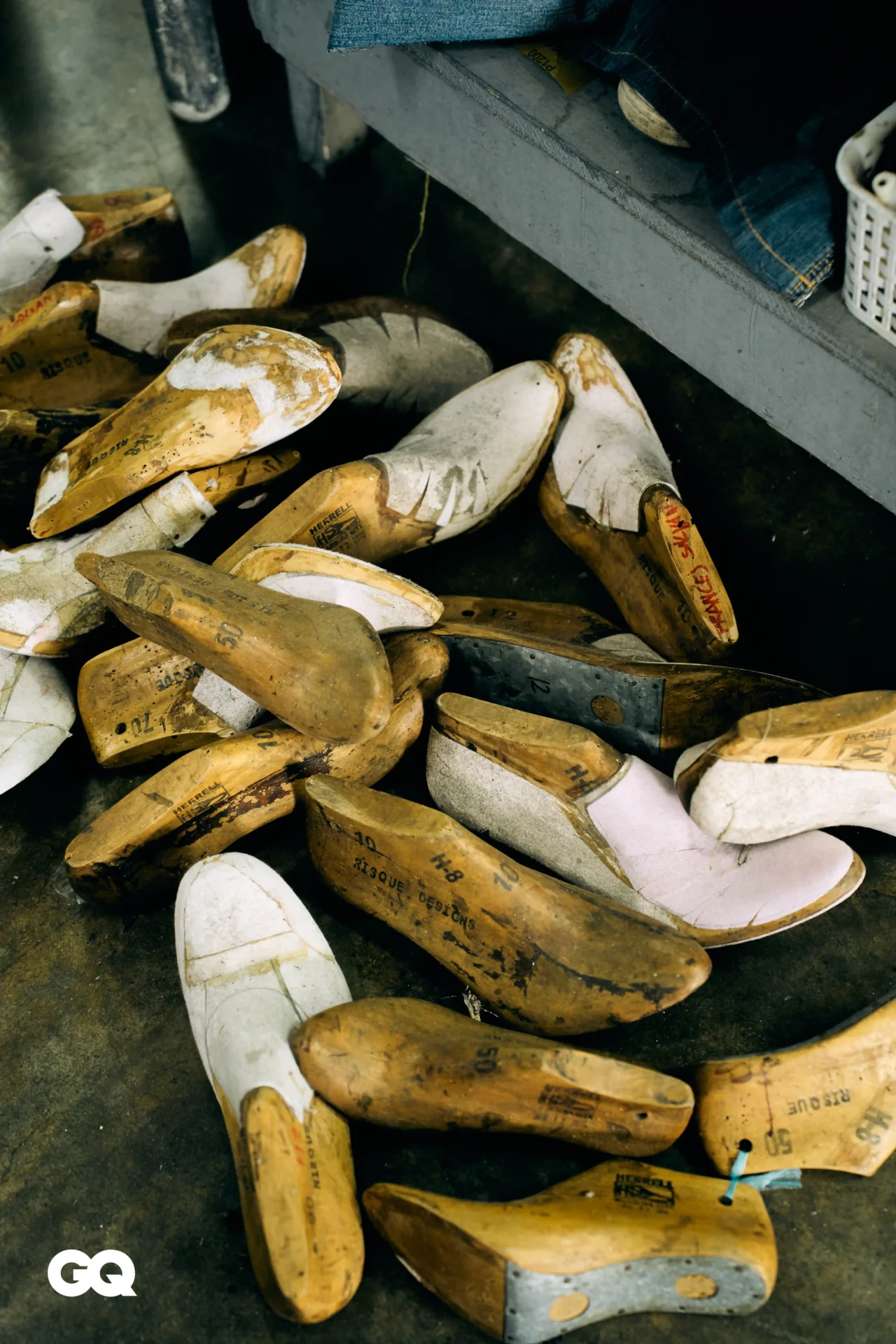
Seconds after entering the room, I was greeted by smiles and busy hands. Stacks of hormas lined one side of the workshop, while another corner was filled with workstations piled high with different kinds of fabrics. The male sapateros, or shoemakers, worked as the lowermakers. Seven of them were responsible for assembling the lower half of each shoe, hammering the finished uppers onto the insoles before attaching the outsoles and heels to complete the footwear.
Across the room, near the staircase, there were four female mag-aareglos, or the uppermakers. They are responsible for the meticulous upper stitches that are done by hand or through the zigzag machines. Collectively, working in synergy, they’re called the magsasapatos.
Beautiful things take time. Shoes made in Marikina have always been proof of that. There are no shortcuts if you want a perfect pair. It’s a process that I can describe as Saturnian: grueling, methodical, and uncompromising. Unglamorous and unromantic, perhaps—but to the people in this room, simply another day at work.
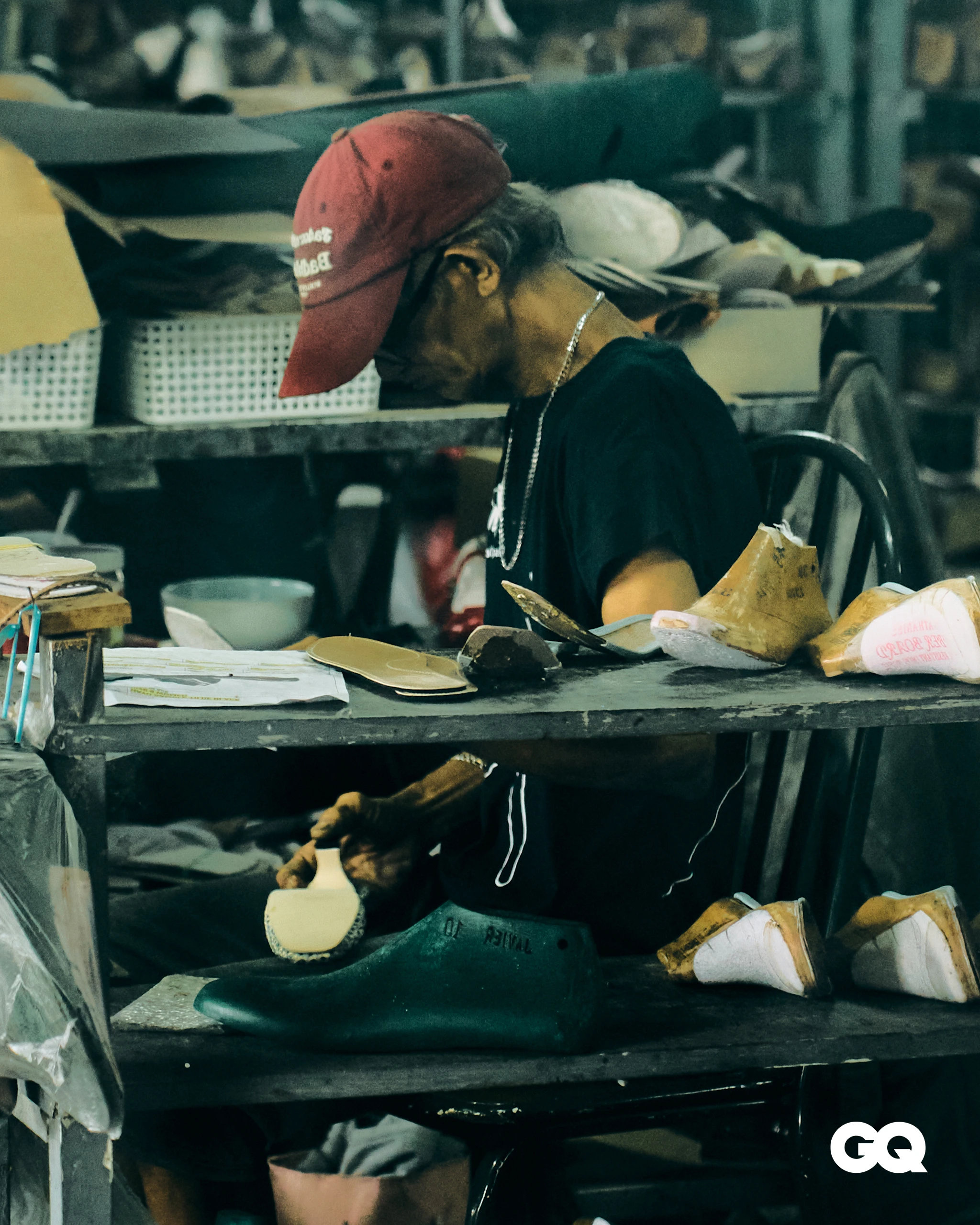
Sylvia Epetia, 64, was animated as she spoke about her years of experience as a mag-aareglo. “Ako po mag ti-ten years na today [As of today, I’ve been working here for almost ten years],” she said. While talking, she showed me the freshly completed uppers of the shoes she was working on.
Across from her was Rosalinda Angeles, 69, carefully patterning brown suede fabric on a size eleven horma for a shoe design by Hayo Footwear. Sylvia, referring to Linda, remarked, “Siya po mag-nine na siya, kasi mabait ang amo namin, super bait ng amo namin [She’s been working here for nine years because our boss is kind, our boss is super kind].”
Sylvia can finish two to three pairs of uppers a day. Linda, three to four. Romeo Del Rosario, 61, the lowermaker I spoke with, has been making handcrafted shoes since he was seventeen. He told me he can finish up to ten to fifteen pairs. But speed, he insists, is never the goal. As he puts it: “Hindi pwede padaliin ang proseso para maganda ang gawa [You can’t rush the process when creating something beautiful].”
He’s right. Handmade leather shoes demand time, precision, and a small army of skilled hands. You just know they’re worth their price tag. The proof is in the shoes.
The Hands That Remain
Marikina’s reputation as the shoe capital of the Philippines was earned as early as 1956, with the industry’s production and revenue peaking during the 1970s and ‘80s. Marikina was even sending snakeskin shoes to New York before New York knew it needed them. When trade liberalization opened global markets in the mid-1990s, Marikina-made shoes suddenly had to contend with global alternatives.
Cheaper, faster shoes became easier to buy, and an industry built on craft found itself competing against one built on volume. There was a time when almost every house in Marikina had a small shoe factory on its ground floor. Most are just houses now. “Si Ma’am, matatag pa; pinipilit niya kaming huwag mawalan ng trabaho. [Our boss has stayed resilient.] She’s done everything she can to make sure we don’t lose our jobs,” Sylvia says.
Like most businesses, the Marikina shoe industry reached an all-time low during the global pandemic. Most shops folded. Those that survived pivoted. The hands that are threading leather right in front of me once stitched face masks and medical scrubs to stay afloat. When I asked Romy about staying true to his craft despite other jobs offering better pay for less skill, he didn’t flinch: “Lahat ng tao kailangan ng sapatos, kaya nandito kami [Everyone needs shoes, that’s why we’re here].”
A handcrafted leather shoe runs through a painstaking process that leaves no room for imperfections: the horma gives it shape before it’s patterned, cut, assembled, stitched closed, welted, soled, heeled, and buffed to a finish. It’s a craft that demands focus, determination, and the willingness to spend years learning through trial and error, never quite certain whether you’ve mastered it.
That is precisely why Kristal Leen de Guzman, owner of Risqué Designs, has been running shoemaking workshops since 2016, helping to train a new generation of shoemakers. It’s also why she dreams of a proper school that will allow young shoemakers to fully explore the craft and perhaps help resolve Marikina’s succession problem.
“Unlike before, when the skill is passed from parent to child, it is rarely like that now,” she says. “I urge more people to really appreciate the value of handcrafted products, not just shoes, but everything made by hand—because it is really one of those that connects us to our roots.”
For now, the legacy rests in the hands of Marikina’s elderly shoemakers, who continue to stitch leather with the same precision as a surgeon grafting skin. Their creations prove that painstaking craftsmanship still has a place in the modern world. Somewhere out there, a pair of shoes made in Marikina are being worn on a first date, to a job interview, or through beautiful places that never asked for anything extraordinary.
The quiet irony is that those shoes never advertise the work that went into them. Most people, when they see the price tag of a handcrafted pair, choose the cheaper alternative that looks almost as good but won’t last six months. By then, they’ve convinced themselves it was a reasonable trade. That’s why the proof is in the shoes. Long after they leave the workshop, they’re still here: beautiful, refined, and ready for wherever their owners take them.
Made to Last
Before a single piece of high-grade leather gets cut and stitched, someone has to have an idea. A sketch. A silhouette. A vision, simply drawn on paper. What happens next is the translation of that idea into something you’d love to wear.
A designer’s sketch is, at best, an argument. What the magsasapatos do is prove that argument is true. It’s a misleading distinction because so many people think of the designer as the brain and the shoemaker as the brawn. The designer arrives with a vision, while shoemakers like Linda, Romy, and Sylvia arrive at 7 a.m. every weekday, armed with the mastery to transform that vision into reality.
That’s how I thought of it when I was watching Linda stitching the upper portion of what appeared to be a polished men’s leather shoe that looked like a cross between a classic loafer and a dainty pair of ballet flats. “Design po ito ni Sir Javier, ballerina shoes na pang-lalake [It’s a design by Sir Javier, ballerina shoes for men],” Sylvia gleefully told me. Javier is an up-and-coming shoe brand. Among serious footwear enthusiasts, this one is what you should keep an eye out for.
I continued to watch Linda work. Each pass was deliberate, every stitch landing exactly where it needed to. Like a spider weaving its web. Perfectly delicate. Perfectly certain. You don’t interrupt that. You just watch, quietly spellbound.
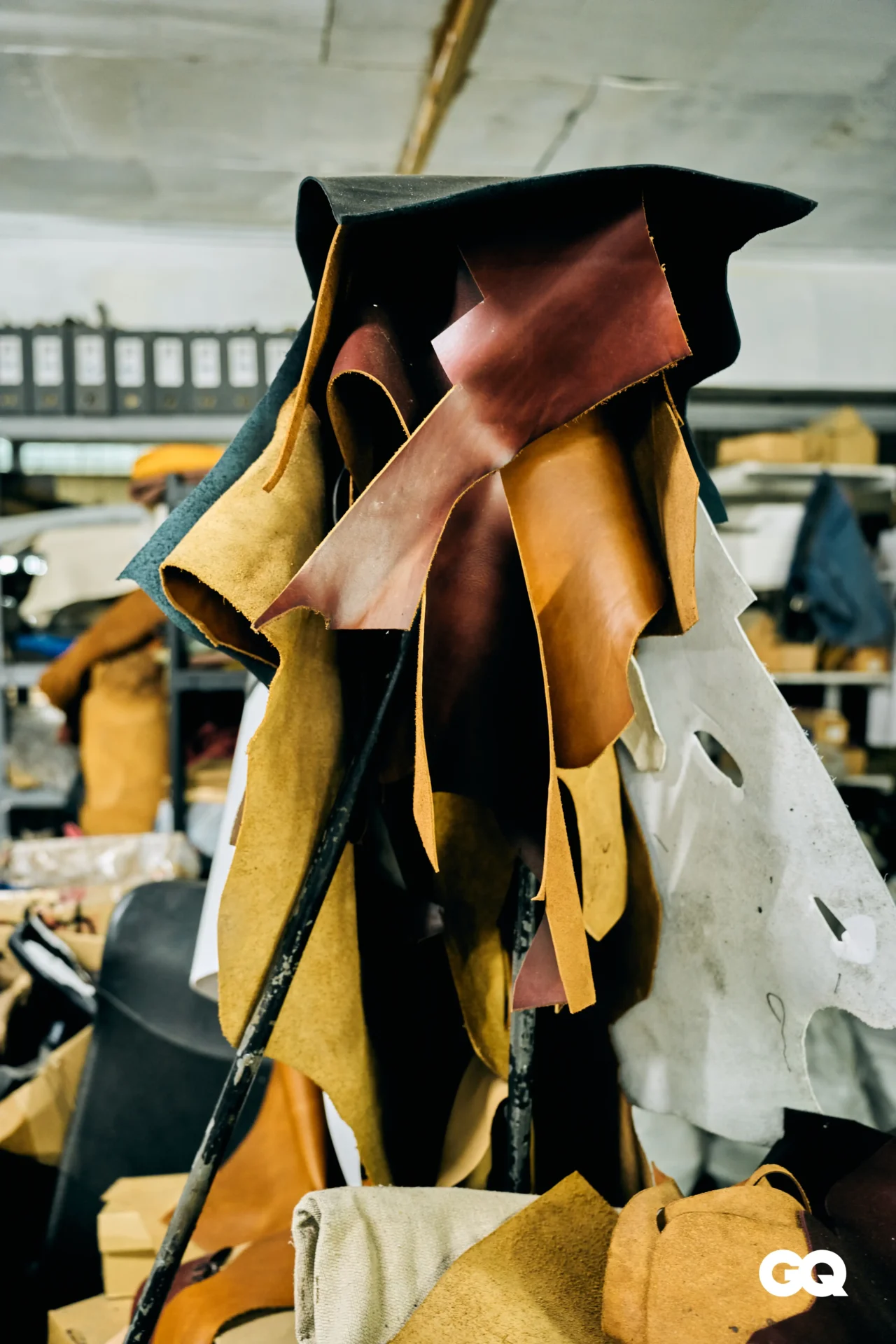
The shoes are refined and lasting, all because the people who make them have ensured they are anything but effortless to produce. The shoes made in this room are not made to be replaced. They are investment pieces, made to outlast the occasion you bought them for. Words like premium, high-quality, and durable aren’t even enough to describe Marikina shoes. At best, they’re works of art. Watching them take shape is an experience in itself. Wearing them is even better. It’s a feeling that no amount of money can truly buy.
On my ride home, I thought about what it means to make something that outlasts you. The shoemakers of Marikina don’t just make products. Every pair is proof of their legacy. Quiet, leather-bound testaments to a craft forged by tired hands that no machine can replicate.
Tomorrow, the shoemakers will be back in the workshop. Same hormas. Same machines. Same leather. This painstaking craft doesn’t ask for applause or recognition; it deserves both. And bearing witness, as it turns out, is the least complicated thing you can do.
A version of this story appears in the September 2026 issue with the title “The Sole of Marikina”
Frequently Asked Questions
Risqué Designs is a Marikina shoemaking workshop where skilled artisans, known as magsasapatos, hand-produce leather shoes for some of the Philippines’ most respected footwear retailers, using traditional techniques passed down over decades.
Marikina earned its reputation as the Philippines’ shoe capital starting in 1956, with production peaking in the 1970s and 80s. Trade liberalization in the mid-1990s introduced cheaper global competition, and the industry has since shrunk, with most former shoemaking households now serving purely residential purposes.
Handcrafted shoemakers like Sylvia Epetia can finish two to three pairs of uppers a day, while lowermaker Romeo Del Rosario can complete up to 10 to 15 pairs. Despite these rates, workers emphasize that rushing the process compromises the shoe’s quality.
Sapateros are the lowermakers, responsible for assembling the lower half of each shoe, attaching outsoles and heels. Mag-aareglos are the uppermakers, handling the meticulous hand- or machine-stitched upper portions. Together, these workers are collectively known as magsasapatos.
Yes. Risqué Designs owner Kristal Leen de Guzman notes the skill was traditionally passed from parent to child, which happens far less today. She has run shoemaking workshops since 2016 to train a new generation of craftspeople and address the industry’s succession problem.