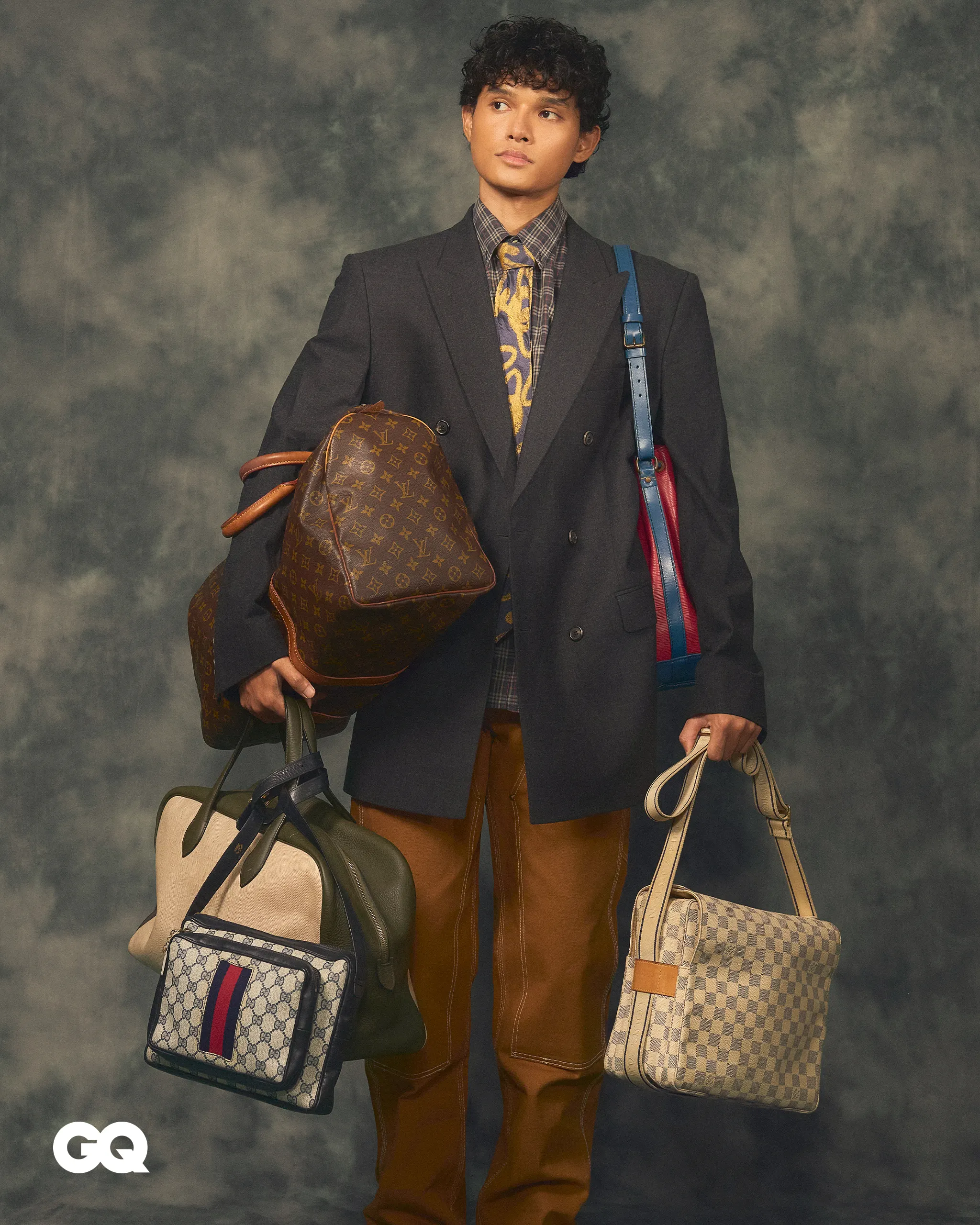
Summaries were generated by AI. Generative AI is experimental.
Explore other styles:
When Jeremy Pope attended the Met Gala this year, he sent a clear message. His green carpet appearance was part of his collaboration with Law Roach, arguably the world’s most famous celebrity stylist. Jeremy wore a trompe l’oeil fully-beaded and corseted jacket from Vivienne Westwood’s fall 1996 collection. The calculated choice confirmed something fashion has known for some time: drawing from the archives still matters. Yet it wasn’t always this way. Only recently has mining the past become fashion’s go-to flex. But why?
First things first: a word on definitions. The terms “vintageVintageClothing, accessories, or objects from an earlier era, usually at least twenty years old, that are valued for their style, quality, and character. Vintage shopping offers unique pieces that fewGo to Vintage Glossary” and “archive” are often used interchangeably, but they have distinct meanings. Vintage generally refers to garments that are at least 20 years old. “Archive,” on the other hand, refers to pieces that have acquired particular cultural, artistic, or historical significance, regardless of age. Pope’s jacket is therefore technically both vintage and archive. Your father’s leather jacket from the 1970s, meanwhile, is vintage, but not necessarily an archive piece.
The history of vintageVintageClothing, accessories, or objects from an earlier era, usually at least twenty years old, that are valued for their style, quality, and character. Vintage shopping offers unique pieces that fewGo to Vintage Glossary clothing as a desirable category is relatively recent and closely tied to the evolution of 20th-century fashion. Before the 1960s, wearing used clothing was generally associated with necessity rather than connoisseurship. Then came the youthquake. Young people began rejecting the polished uniformity of mainstream fashion, turning to thrift stores and flea markets to piece together looks from previous decades. Old clothes became raw material for new identities.
Jimi Hendrix was an early master of the practice. He paired 19th-century Royal Hussar jackets and Army Corps dress tunics with bell-bottoms and flared trousersTrousersThe formal term for pants worn from the waist to the ankle, found in tailored, pleated, wide-leg, and cropped styles. The trouser's cut and drape shape the entire outfit, andGo to Trousers Glossary, collapsing different periods into a distinctly modern image. The past was no longer something to be preserved behind glass. It could be worn, altered, and made personal.
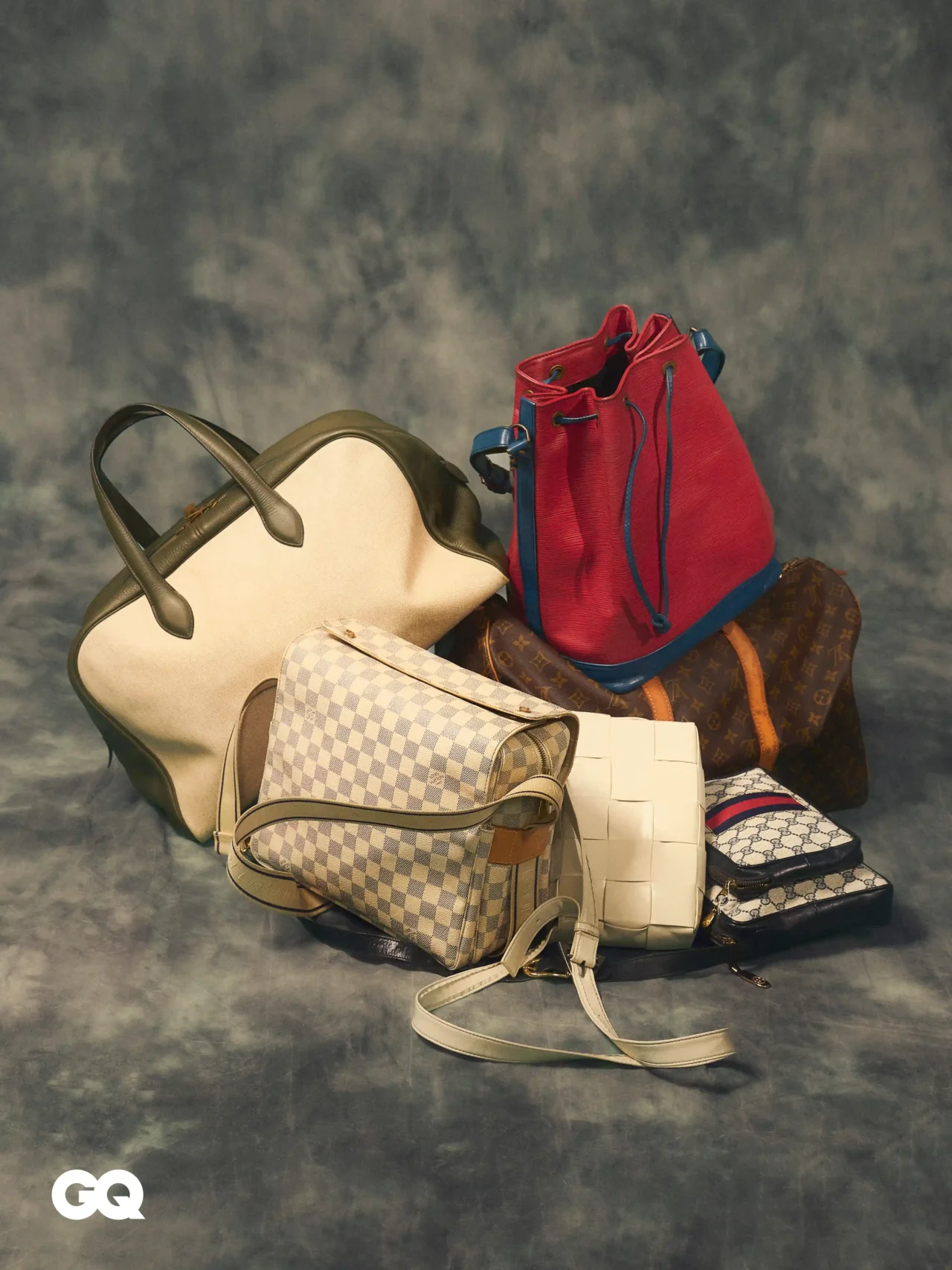
The shift was also happening inside cultural institutions. In 1973, Diana Vreeland presented “The World of Balenciaga” at the Metropolitan Museum of Art, the first exhibition she organized for the Costume Institute. Six years later, Rita Watnick opened Lily et Cie in Los Angeles, treating historical clothing as collectible objects worthy of the same attention afforded to fine art. What had once been considered secondhand was gradually being recast as rare and valuable.
By the 1990s, vintage had moved onto the red carpet. Celebrities began wearing pieces sourced from Lily et Cie, demonstrating that looking to the past could be every bit as glamorous as wearing the newest collection. By the 2000s, vintage had become a full-fledged celebrity styling strategy. Today, the practice has evolved further, with pieces from fashion history becoming coveted objects in their own right.
Part of this transformation has been driven by the resale marketResale MarketResale market refers to the secondary marketplace where limited or discontinued products, sneakers, streetwear, are bought and sold, often at prices above original retail. The resale market has grown intoGo to Resale Market Glossary. Platforms and specialist retailers have made it possible to search for pieces that disappeared from stores long ago: previous-season collections, sold-out releases, and designs that acquired cult status long after they left the runway. The internet effectively turned the hunt for the obscure into a global marketplace.
For Drex Araña, owner of Makati thrift store Give Me the Loot, popularly known as GMTL, which carries both vintageVintageClothing, accessories, or objects from an earlier era, usually at least twenty years old, that are valued for their style, quality, and character. Vintage shopping offers unique pieces that fewGo to Vintage Glossary and archive pieces, the journey began with sneakers. “I started buying and selling thrifted clothes back in 2014,” he says. “I was a sneakerhead back then, so I started buying and selling sneakers, from Nike SBs, Jordans, Air Max 1s, and Air Max 90s. A lot of it was influenced by sneakers.”
The connection is telling. Sneaker cultureSneaker CultureSneaker culture refers to the community and commerce built around collecting, trading, and discussing athletic footwear, extending well beyond shoes' original athletic function and purpose. Filipino sneaker culture has grownGo to Sneaker Culture Glossary helped establish a vocabulary for contemporary thrift culture, including the hunt for the coveted “grail.” In fashion, the grail can be a particular runway piece, a one-time collaboration, or simply a garment that has become nearly impossible to find.
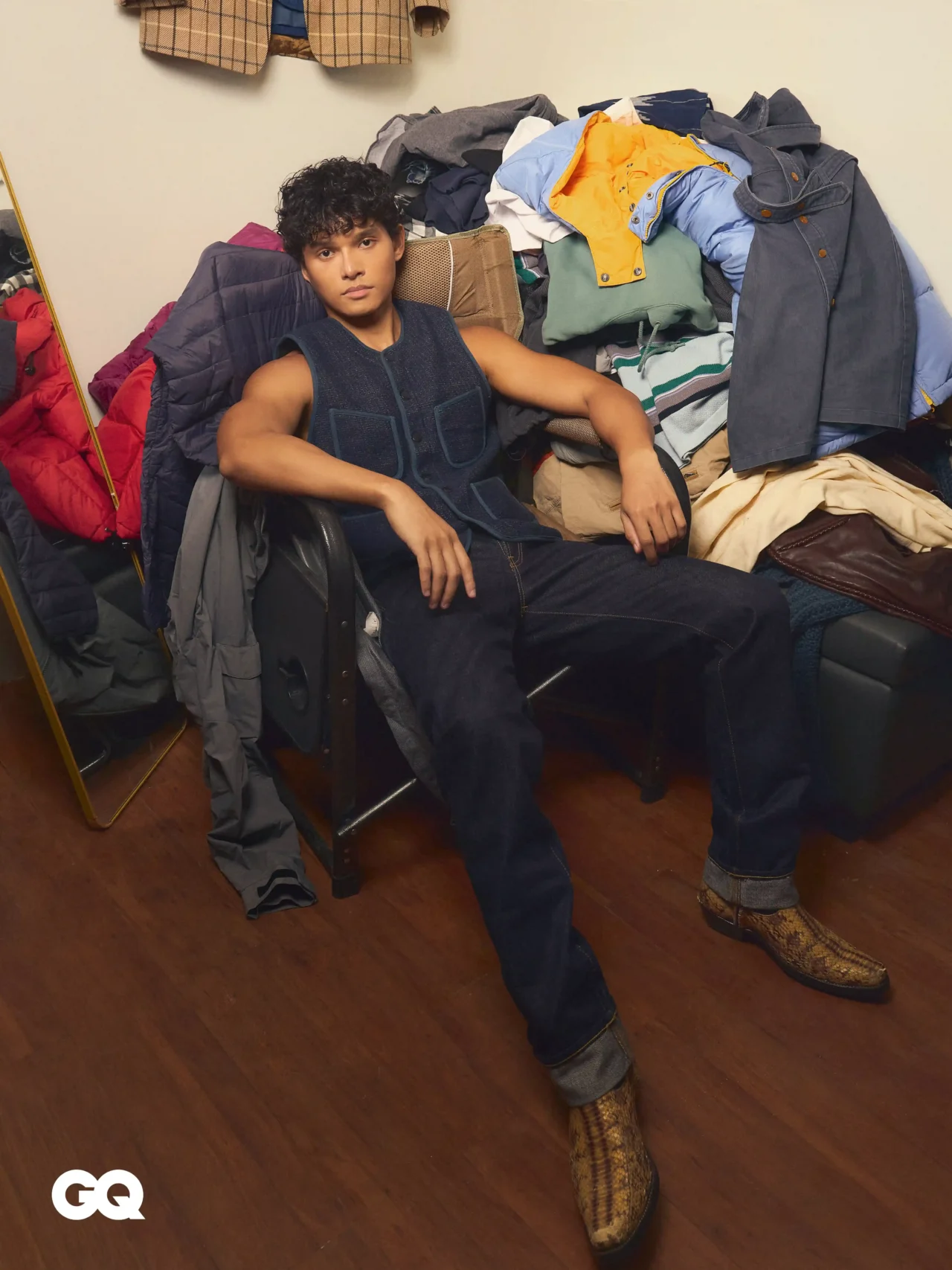
“For me, anything from the Gucci Tom Ford era is a grail,” says Drex. The sentiment is shared by many in the collecting community, like Roach and Lab2022’s Neil Leonard, who claims to own the era’s largest private collection.
Unlike conventional retail, where a customer can often expect to find the same product in multiple stores, resale operates on scarcity. There may be only one. Once it is gone, it may not return.
This has made vintageVintageClothing, accessories, or objects from an earlier era, usually at least twenty years old, that are valued for their style, quality, and character. Vintage shopping offers unique pieces that fewGo to Vintage Glossary particularly attractive to younger consumers, who have embraced pre-owned clothing not merely as a cheaper alternative to buying new, but as a means of constructing a more individual wardrobe. Research into the secondhand market has found that Gen Z and Millennials are more willing than older generations to purchase pre-owned products. Accessibility is part of the appeal, but so is the possibility of finding something outside the current retail cycle.
Drex sees the same impulse among his customers. “That’s actually true; I think it’s the younger generation’s way to express their individuality through fashion,” he notes. “Buying pre-owned, mostly unique pieces that you can’t get from other retailers is their way of expressing that.”
This helps explain why the language around vintage has changed so dramatically. Thrifting was once associated primarily with economy or necessity. Today, it can involve the same obsessive research, personal taste, and connoisseurship associated with collecting art or fine jewelry. The clothes may be decades old, but the reasons for wanting them are very much of the present.
“I think the vintageVintageClothing, accessories, or objects from an earlier era, usually at least twenty years old, that are valued for their style, quality, and character. Vintage shopping offers unique pieces that fewGo to Vintage Glossary reselling market right now is at its peak,” Drex observes. “More people are engaged and appreciative of what we have to offer for them unlike before.”
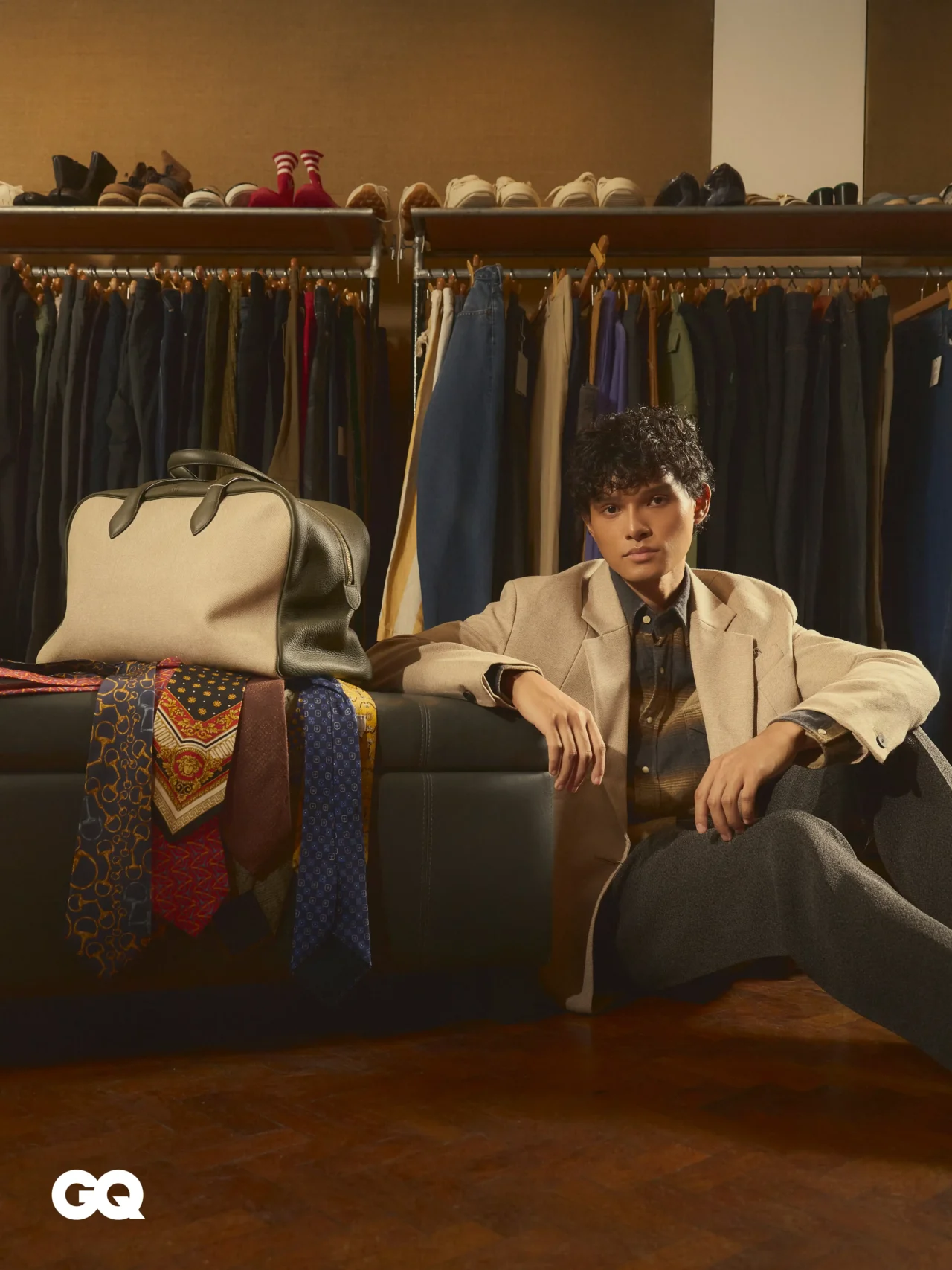
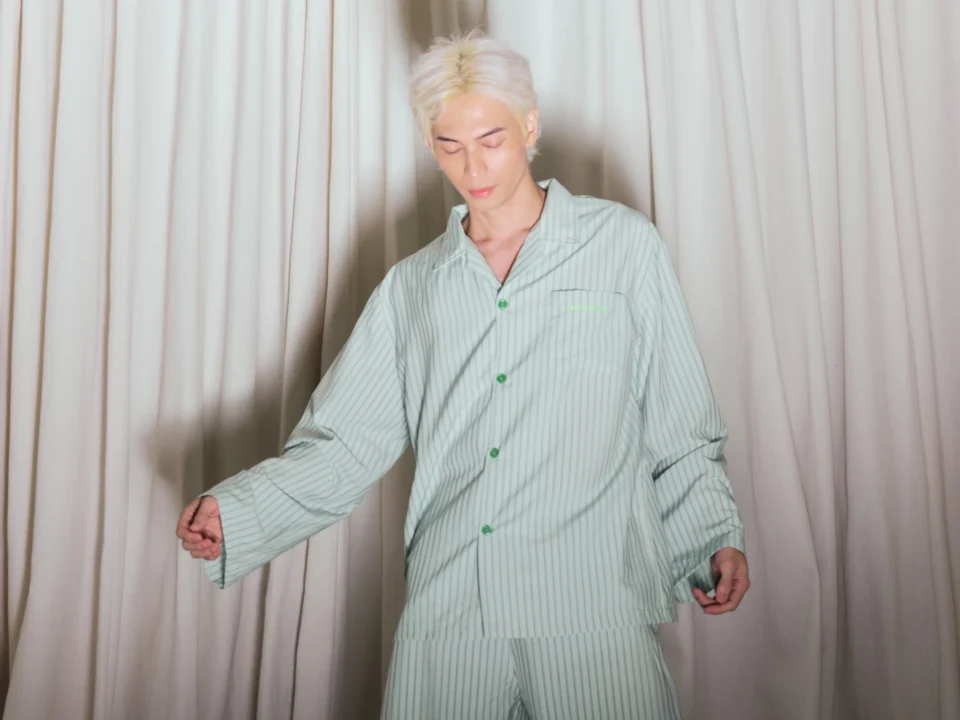
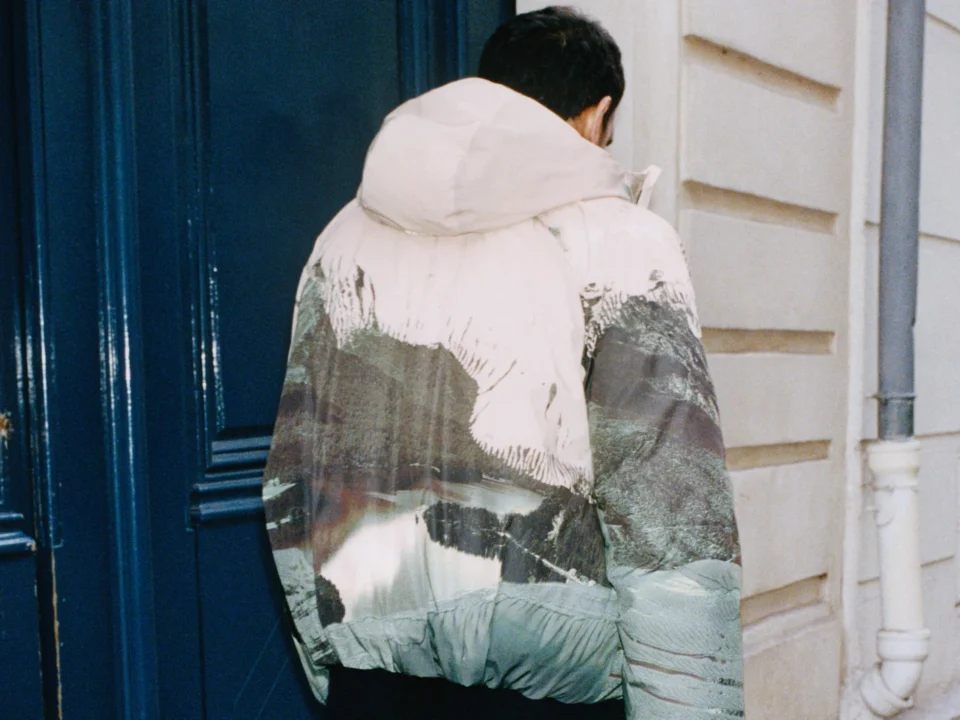
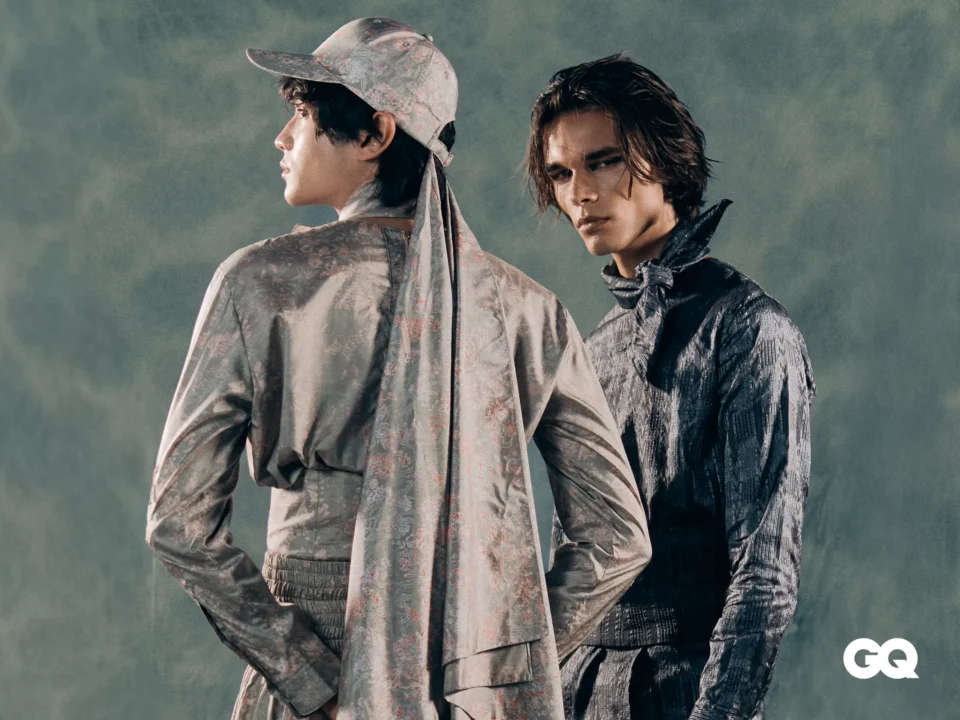
by Hermès. All from GMTL/Photo by Xavier Mallari
The vintage shopper today has a multitude of sources, from thrift stores to consignment shops, specialist dealers to auction houses. What unites these disparate channels is the possibility of finding something that conventional retail can no longer provide: a piece with a history, a degree of scarcity, and a sense of personal discovery.
Perhaps that is why archive fashion has become such a powerful form of fashion currency. Wearing something from the past is no longer simply about nostalgia. It demonstrates knowledge of fashion history, an eye for rarity, and—perhaps most importantly—the ability to make something old feel entirely of the moment.
A version of this story appears in the November 2026 issue with the title “What Goes Around, Comes Around”
SHOOT CREDITS:
Story by MIKHAIL ALBANO. Photographs by XAVIER MALLARI. Styling by DANYL GENECIRAN. Groomer: BHADS CASTRO. Producer: KEVIN GONZALES. Art Director: MARC YELLOW. Model: JHERRICCO R. PASUMB. Photography Assistant: KAHLIL ALCALA. Location: GIVE ME THE LOOT MAKATI (GMTL).
Frequently Asked Questions
Vintage fashion generally refers to clothing that is at least 20 years old.
Archive fashion refers to garments with particular cultural, artistic, or historical significance, regardless of age.
Give Me the Loot, or GMTL, is a Makati thrift store owned by Drex Araña that carries vintage and archive clothing.
Vintage fashion allows people to express their individuality through unique, pre-owned pieces that are often difficult to find in conventional retail stores.