Summaries were generated by AI. Generative AI is experimental.
Explore other styles:
For years now, the watch industry has been driven by the hype of the stainless steel sports watch, which has become an ultimate object of desire for both serious and casual collectors alike. The unparalleled demand for stainless steel sports watches has made them largely unattainable due to staggering premiums in the secondary market. Together with a perfect storm of other factors, the tide of collector sentiment has shifted back to the familiar and more refined “dress watch.”
What exactly qualifies as a dress watch? While there is no concrete definition of what it truly is, a dress watch is generally one that is worn in formal or business settings, features a minimalist dial, and is usually fitted with a leather strap or a fine bracelet.
One of the most iconic examples is the Patek Philippe Calatrava Reference 96, launched in 1932. It is a simple watch with hour and minute hands and a small seconds dial. The watch was paired mostly with leather straps, with the exception of a few that came with fine bracelets. The design of the Reference 96 is so enduring that the modern-day Patek Philippe Calatrava Reference 6196P still carries many of the elements of its nearly 100-year-old predecessor.
Dress watches had their first run in the 1920s, when people started transitioning from pocket watches to wristwatches. By the late 1980s, a gradual shift in collector preference in favor of the larger, rugged, and more casual sports watches was beginning to solidify. The rise of stainless steel sports watches was a result of the relaxation of the rules of formality and the push of watchmakers to create unbreakable watches that catered to every professional. After this era peaked around 2022, many started to look for simpler and more refined pieces. Thus, the renaissance of the modern dress watch.
Around the same time, the new wave of watch collectors that emerged in the early 2000s reached a point where they realized there was more to watch collecting beyond the hype surrounding it. These people, who were once new to horology, had accumulated enough experience and knowledge to move beyond the pursuit of recognizable sports watches to the more understated and elegant dress watches.
It also did not help that there was a broader cultural shift in the luxury segment over the last three years toward “quiet luxuryQuiet LuxuryA style philosophy that favors understated, high-quality pieces with minimal logos, relying on fine fabrics, excellent fit, and subtle detailing to signal taste. Quiet luxury values craftsmanship and longevity overGo to Quiet Luxury Glossary.” The very essence of “quiet luxury” is prioritizing quality and refinement without loud logos or obvious branding. In the watch industry, dress watches often fit the description of quiet luxury, as these pieces are characterized by fine craftsmanship, minimalist design, and timeless elegance.
The final straw in tipping the boat towards dress watches is the social media coverage of all of these circumstances. It was social media that brought the stainless steel sports watches to the top of the watch world, and it is also social media that helped facilitate the movement to go beyond the stainless steel sports watch hype towards the more elegant dress watches.
The Dress Watch in the Modern Age
As a shift in collector preference became clear, the major watch maisons developed modern iterations of their classic dress watches and new model lines. The modern dress watch is not simply a revival of the heritage pieces of the watch manufacturers. It is a perfect marriage of watchmaking tradition and contemporary design.
Sitting beside models that directly reinterpret the classic designs are new takes on the dress watch, characterized by more wearable case sizes, creative dial options, and fresh takes on straps and bracelets.
A typical modern dress watch has a case size of 34mm to 40mm. For perspective, this case size range is larger than the 30-32mm average during the first wave of dress watches, but it is also smaller than the 40-46mm case sizes of the 2000s through the early 2020s. The current case size range is the sweet spot for the modern dress watch.
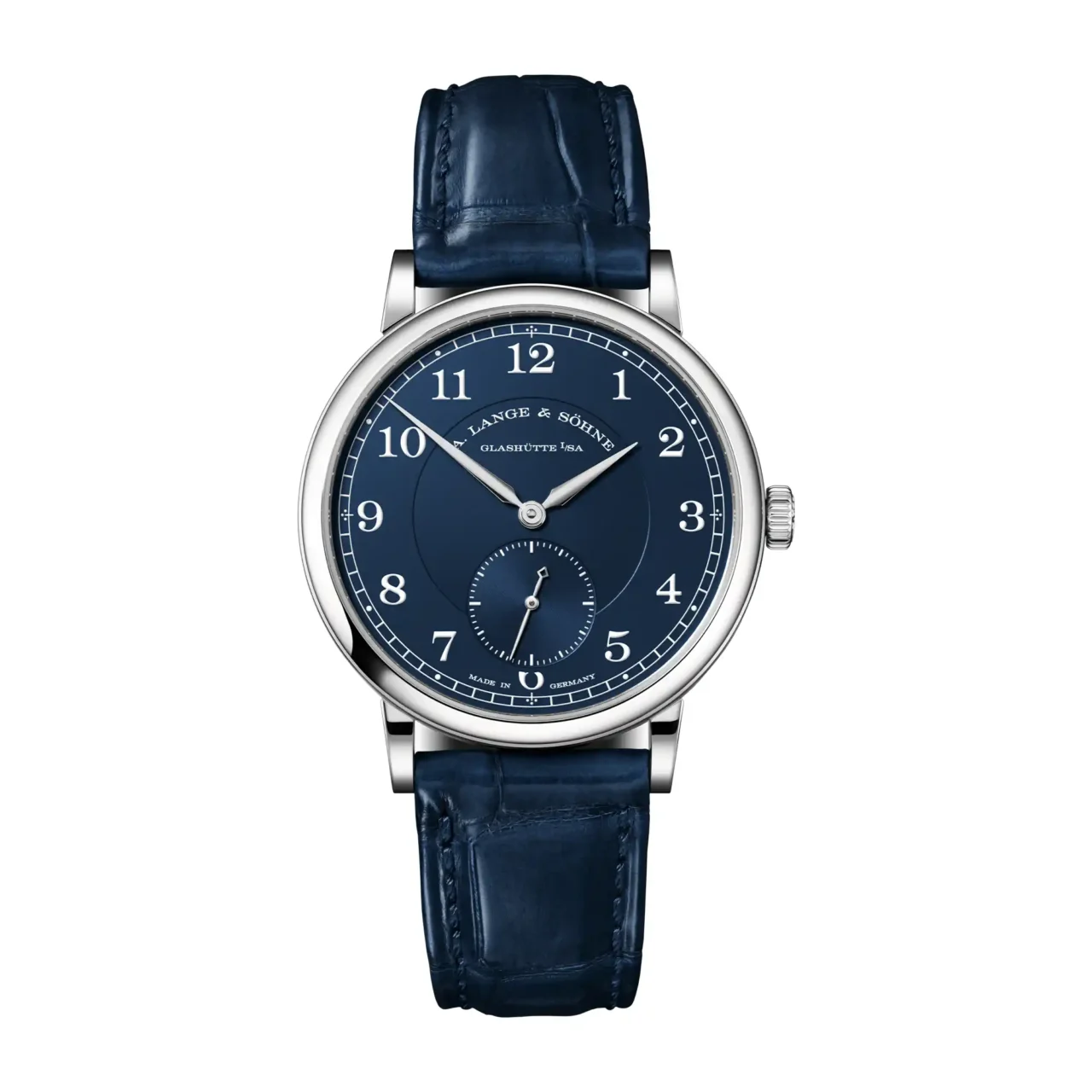
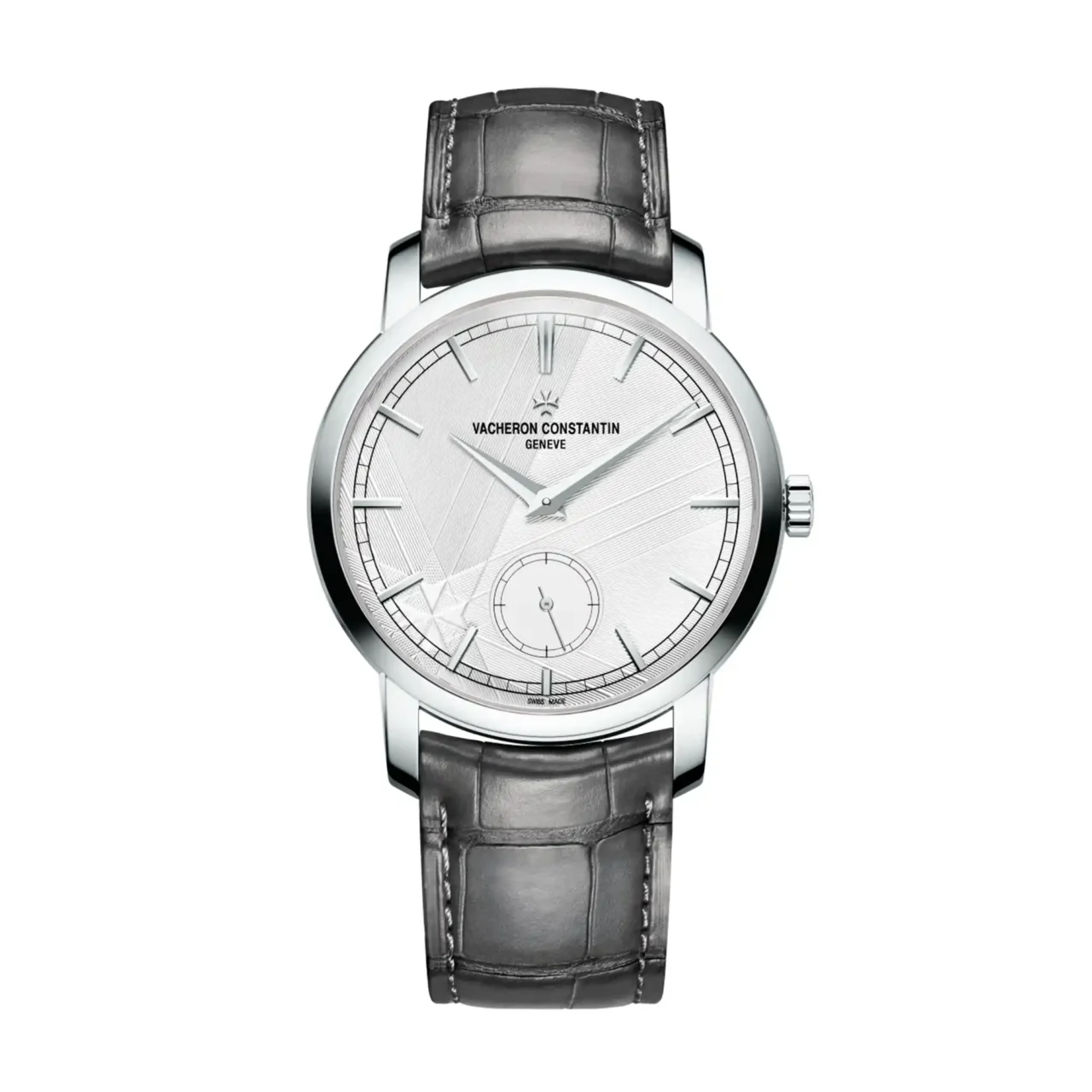
2025 was a big year for dress watches as major watch brands launched important novelties. A. Lange & Söhne introduced its 1815 model in 34mm. Patek Philippe launched the latest version of their Calatrava, the 6196P, with a case size of 38mm. Vacheron Constantin released a special version of its 38mm time-only Traditionnelle to commemorate the maison’s 270th anniversary.
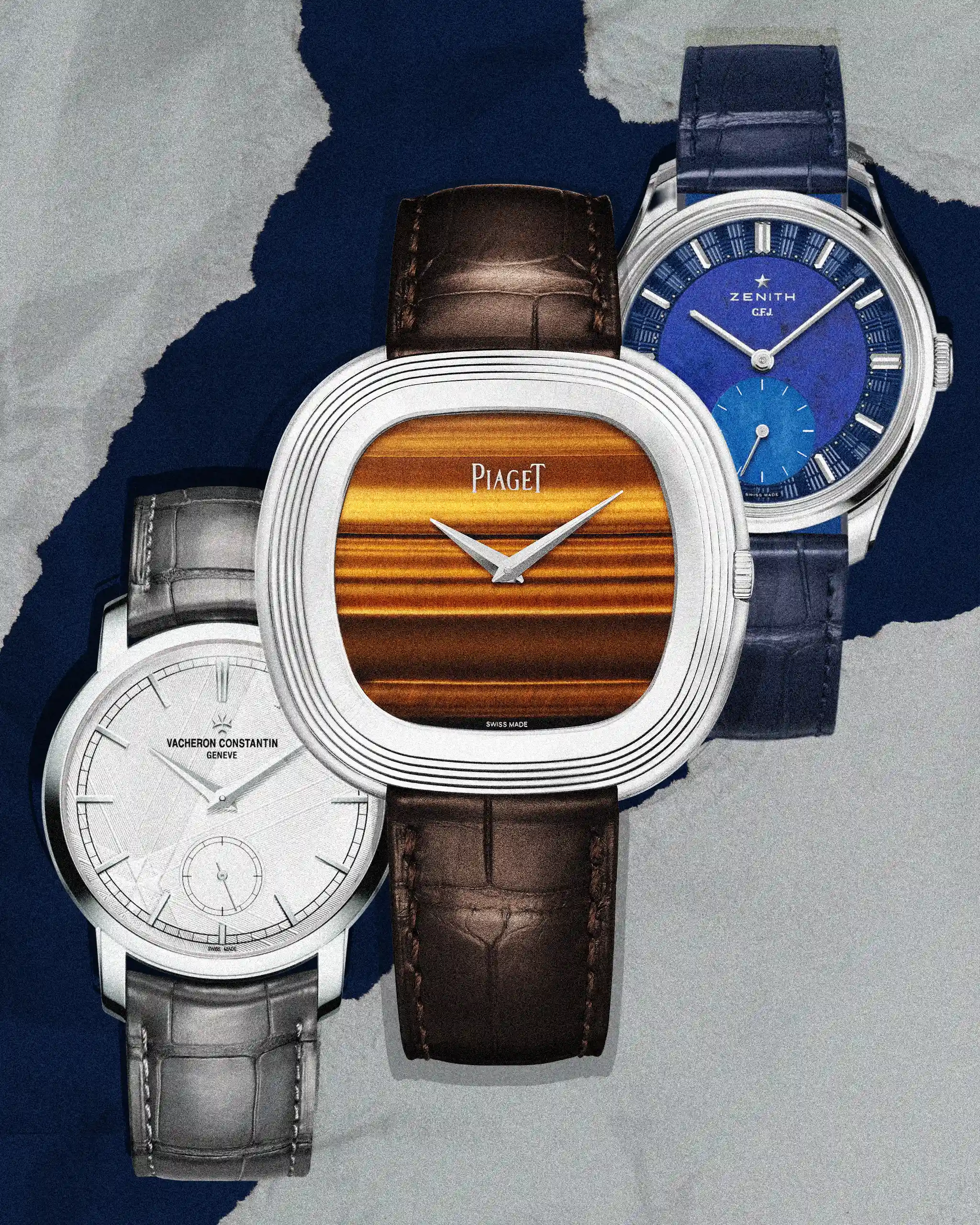
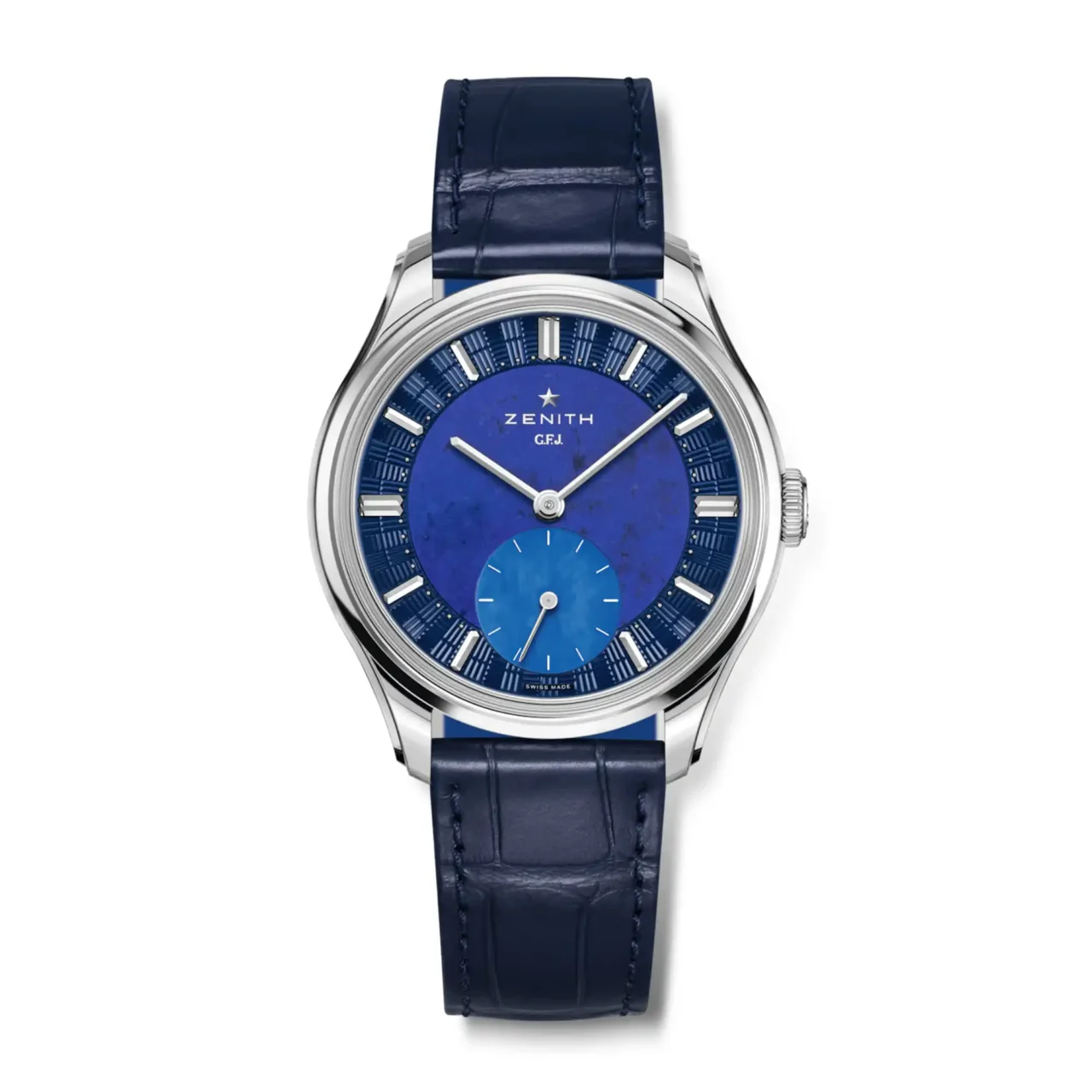
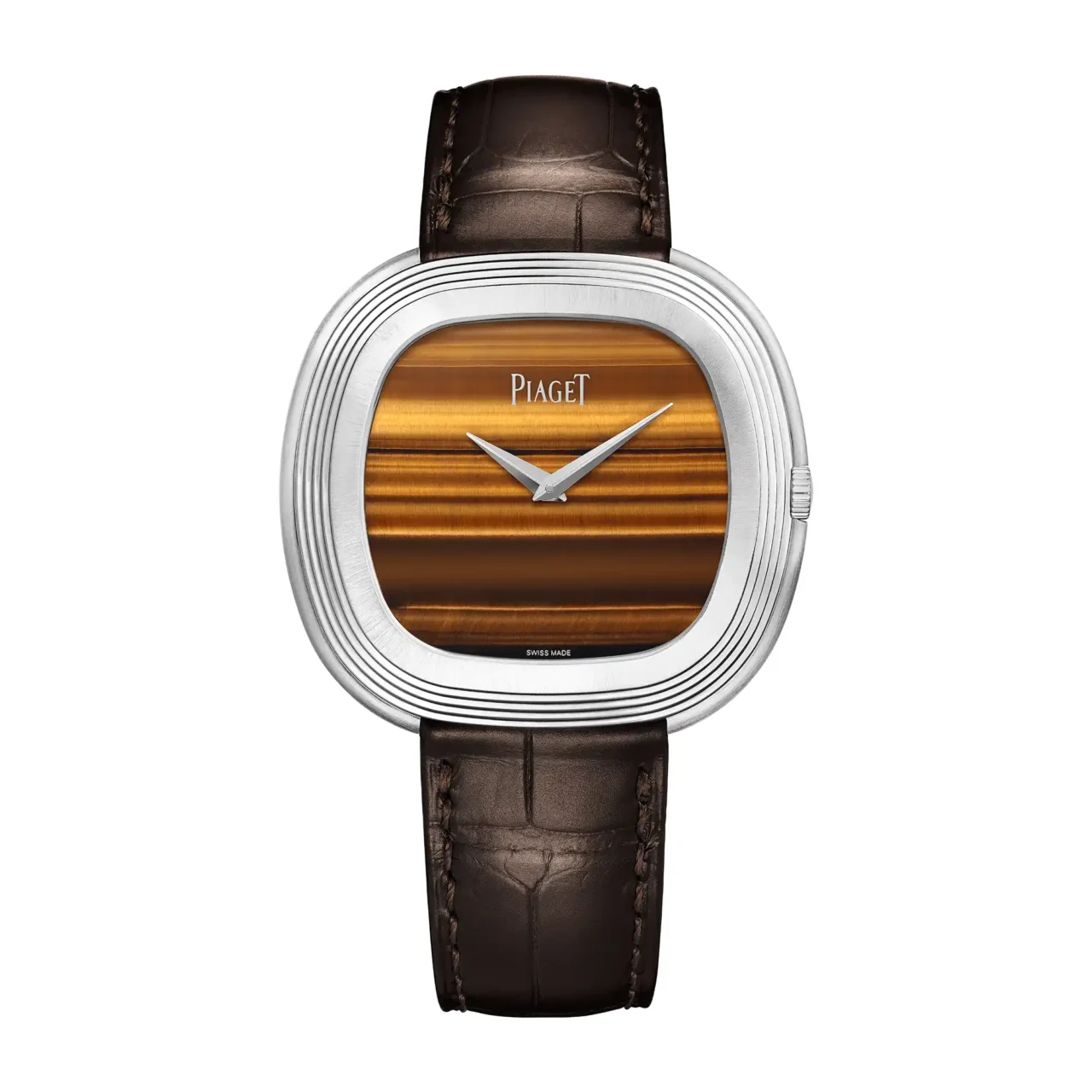
In order to further adapt modern dress watches to more settings outside of formal occasions without sacrificing their elegance, watch manufacturers reintroduced the use of different materials for their dials. Zenith, for one, introduced its G.F.J. model featuring a stunning lapis lazuli dial with a mother-of-pearl sub-dial. Piaget has also recently expanded its Andy Warhol line and now includes models with a green malachite dial and a tiger eye dial. More watch brands are starting to get creative with their dials.
Another factor that has attracted people to dress watches recently is the fact that modern dress watches are not limited to the usual black or brown leather straps. In just the last two years, Rolex, Jaeger-LeCoultre, and Cartier have released versions of their dress watches paired with multi-link or mesh bracelets.
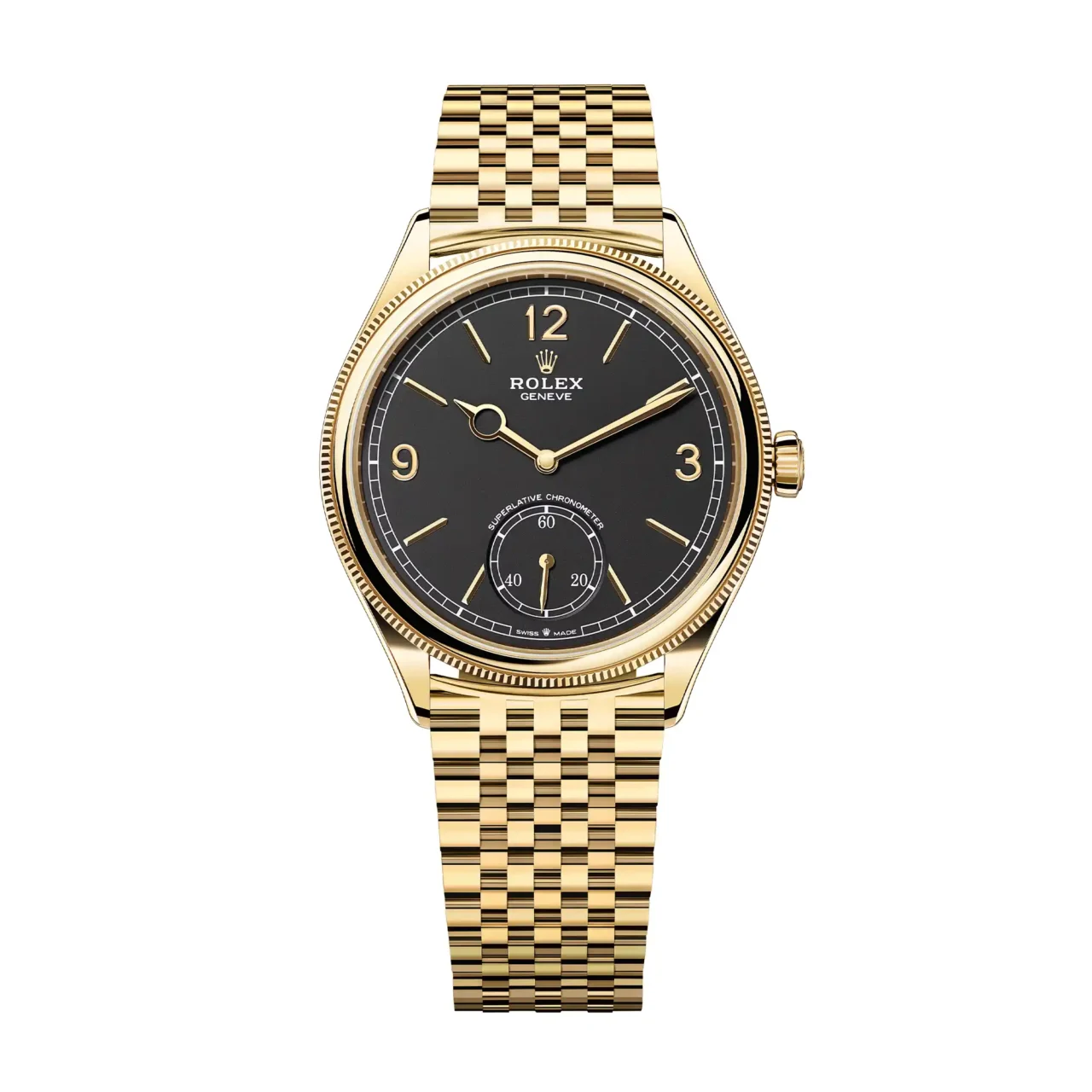
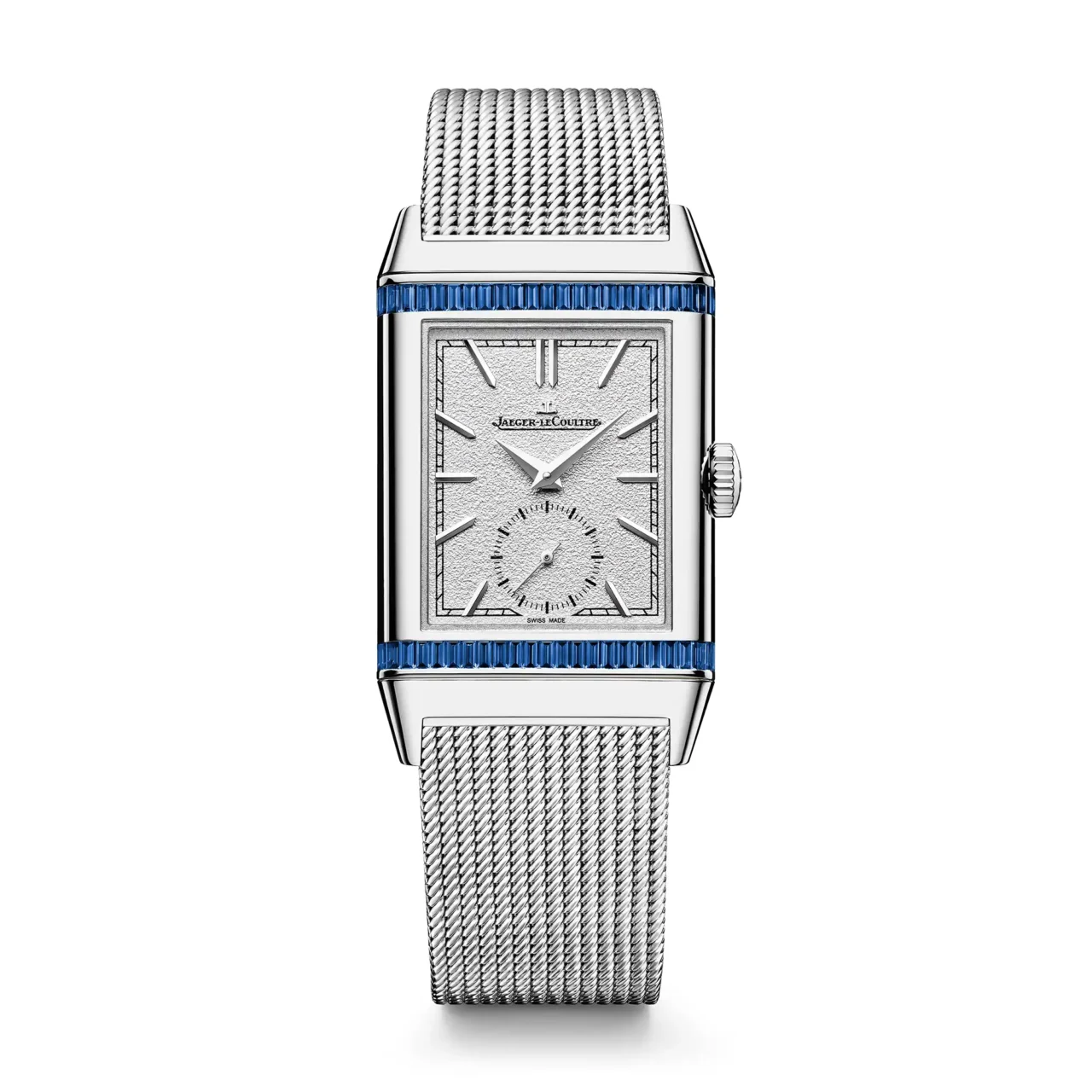
In 2025, Rolex expanded its 1908 line with the availability of a Settimo bracelet for the yellow gold model. Jaeger-LeCoultre, on the other hand, released new versions of its famous Reverso line featuring mesh bracelets. Just this year, Cartier added a mesh-type bracelet option for its Santos-Dumont line. All of these releases were positively received by the public. While the idea of bracelets in a dress watch is nothing new, these modern versions fitted with bracelets merge classic elegance and modern-day versatility.
The resurgence of the dress watch represents a natural evolution in watchmaking. After years of oversized, attention-grabbing sports watches, the appeal of something slimmer, simpler, and a little more discreet is easy to understand. The watch manufacturers have successfully redefined dress watches to break them free from the strict boundaries of formal wear. This design shift aligns perfectly with a more mature collector base that now values fine craftsmanship and understated elegance over instantly recognizable statement pieces. While it is certain that at some point new trends will emerge, the appeal of a well-crafted and understated dress watch will remain timeless.
A version of this story appears in the November 2026 issue with the title “The Return of the Dress Watch”
Frequently Asked Questions
A dress watch is typically a timepiece designed for formal or business settings, with a minimalist dial and a leather strap or fine bracelet.
Collectors are moving beyond the hype of stainless steel sports watches and showing renewed interest in understated designs and traditional craftsmanship.
Modern dress watches typically have case sizes ranging from 34mm to 40mm.
Patek Philippe, A. Lange & Söhne, Vacheron Constantin, Rolex, Jaeger-LeCoultre, Cartier, Zenith, and Piaget are among the brands featured.