Summaries were generated by AI. Generative AI is experimental.
Explore other styles:
If you were a student in the 2000s and 2010s, you most likely spent your break going through every book in the library. In the mood for an entertaining spook, you might have picked up a volume of True Philippine Ghost Stories, with the first story reading something similar to this:
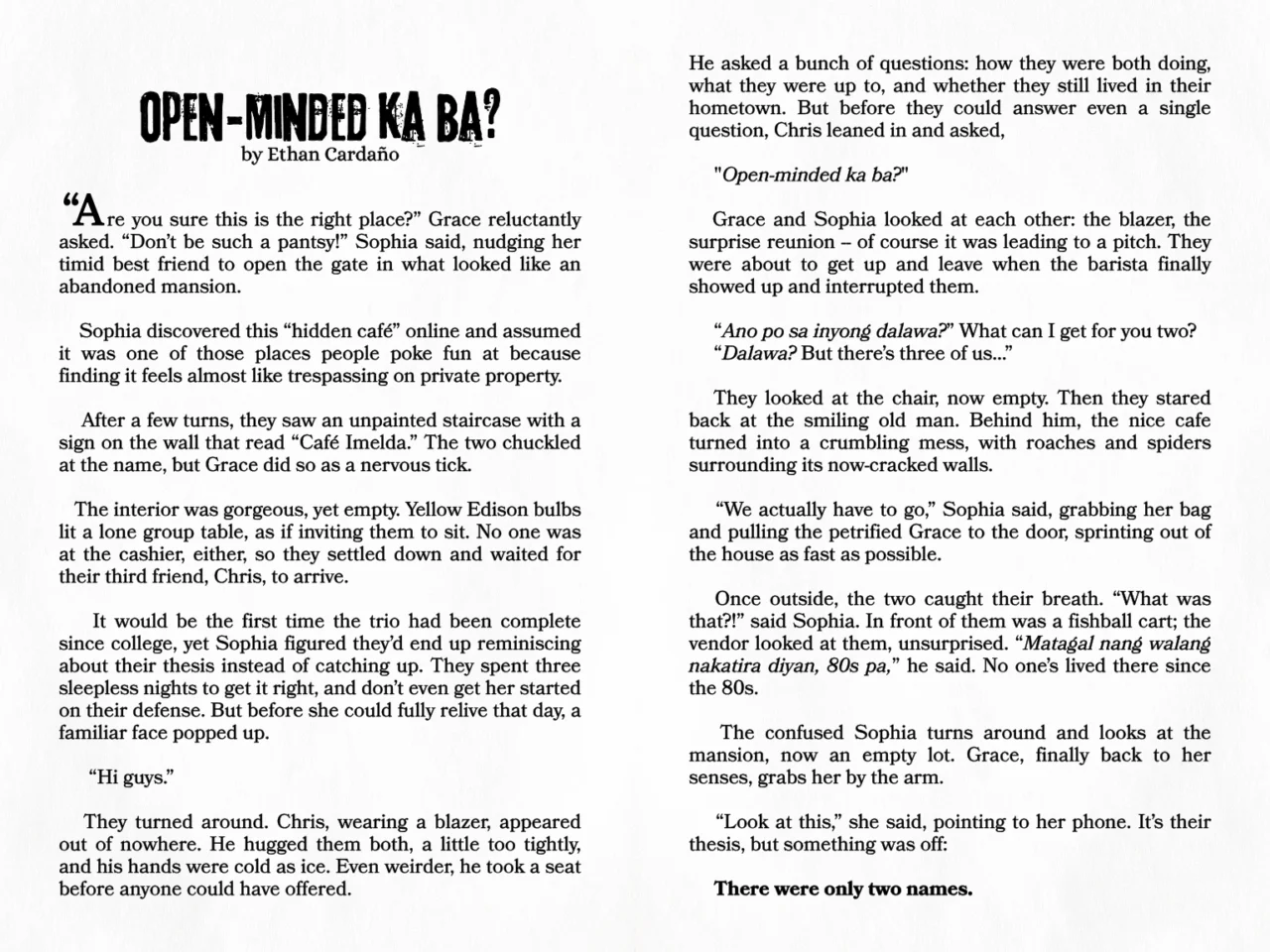
Since reading that story, you’ve begun sleeping with the lights on.
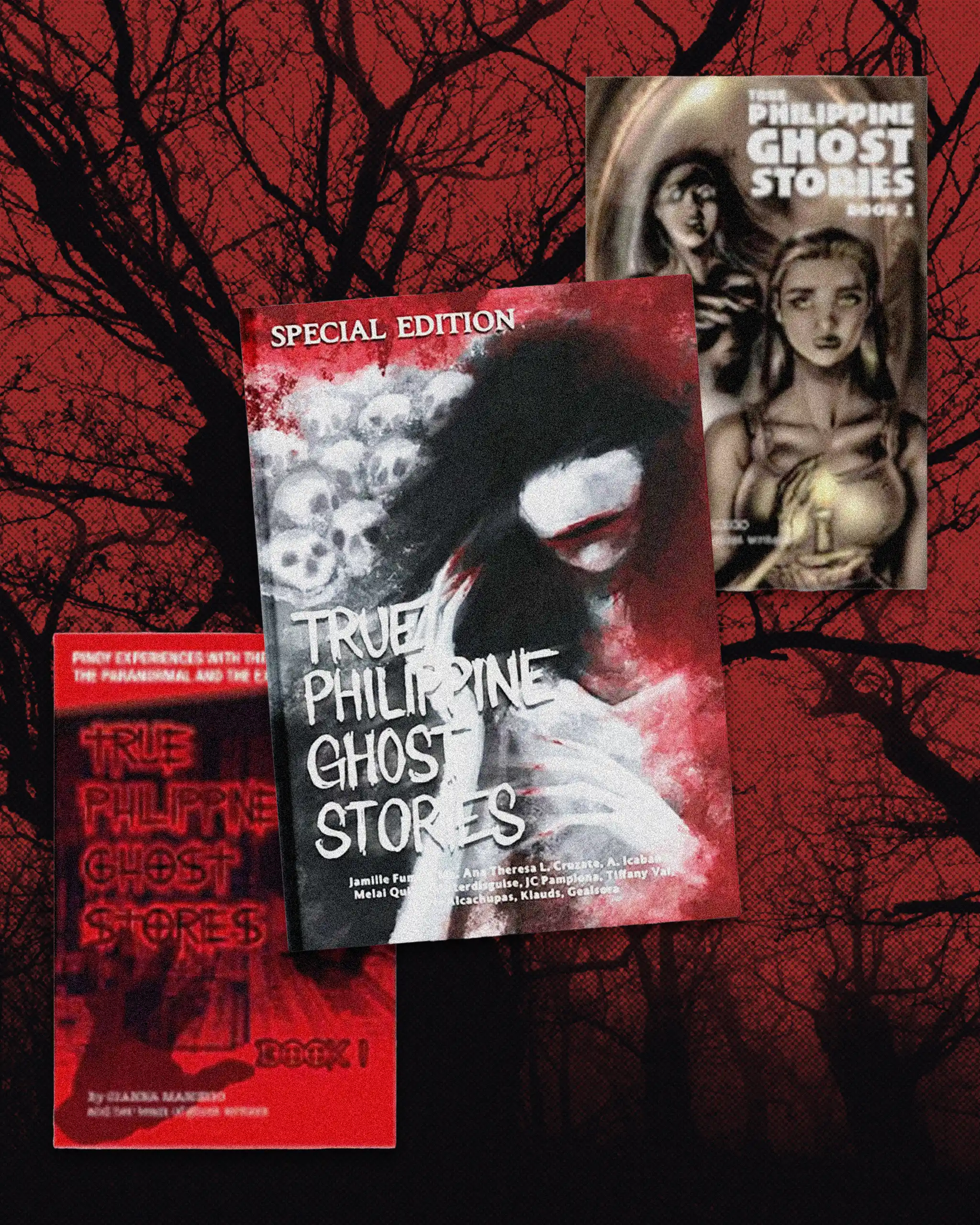
True Philippine Ghost Stories (TPGS) is a short horror anthology by PSICOM Publishing Inc. that began in 2002, a time when film and graphic novels were the main vehicles for telling local horror stories. But even with successes like the long-running Shake, Rattle and Roll films and Kilabot komiks, horror as a genre, let alone as literature, wasn’t taken seriously in the Philippines.
If horror hadn’t been relegated to carnival or theme-park experiences, it would have faced the wrath of Puritan discomfort that shunned stories centering on trauma and death. “What a lot of people cannot articulate about their dislike for horror is its tendency to showcase traits that aren’t fit for polite company,” horror author Yvette Tan wrote for Vogue Philippines.
Horrors that did reach FilipinoFilipinoThe national language of the Philippines, widely used for communication, education, media, and culture.Go to Filipino Glossary pop culture came mainly from Western media like slasher films and the Goosebumps books. TPGS needed a hard sell and a clear audience to compete, and what better way than to appeal to what we know best: urban legends, written with Filipino students in mind. This meant writing short stories tethered to topics familiar to young people, with dialogue using easy-to-understand, colloquial Taglish.
The realistic style made concepts like “two students sneaking out the back of the gym to make out, only to find a bloodied priest who haunts naughty students” feel all the more real because they read like your actual classmates retelling events.
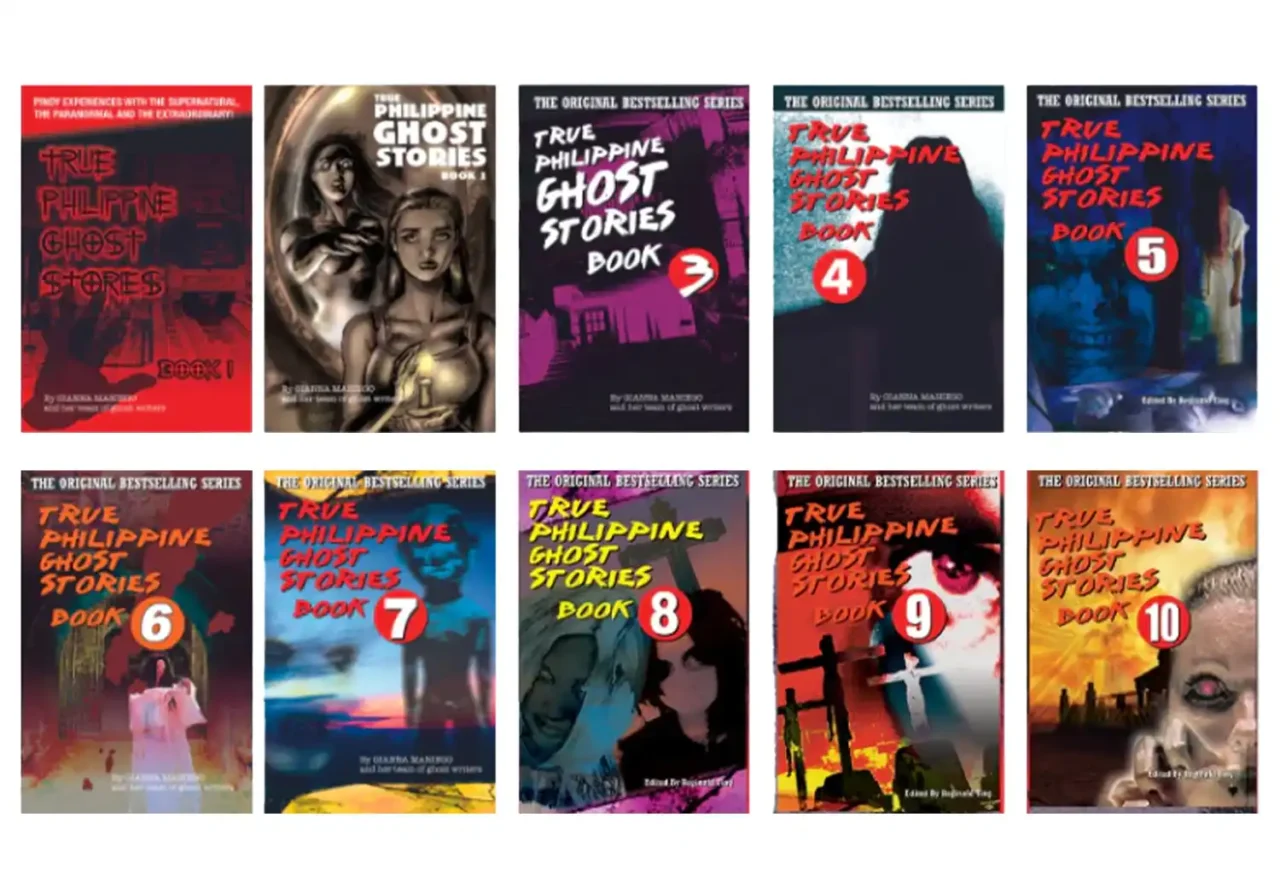
Part of the appeal is the “True” in its name, a promise the series maintained by curating reader submissions. Whether these stories are actually real or not hardly mattered; instead, what made the books so memorable was their community aspect of ordinary people writing and reading others’ spine-chilling experiences, and recounting their own.
If 1,000 copies a year is considered a best-seller in the Philippines, then TPGS selling 1,000 a day across almost 40 volumes is a blockbuster, one that got students reading, socializing, and discussing how much they love (or fear) local paranormal stories.
Horror enthusiast Julian David loved the books as a kid, often reading them at school book fairs. “Experiencing [True Philippine Ghost Stories] for the very first time was amazing; it was the thing that taught me about many kinds of Filipino horror entities,” David told GQ Philippines. “Looking back, it might be just because of the nostalgia, but I know for a fact that it was a cult classic.”
But once libraries began having computer stations, students slowly got their literature fix from the internet, and if they were anything like David, they started reading creepypastas during breaks instead.
Derived from the words “creepy” and “copypasta” (internet slang for stories copied and pasted online), creepypastas took over the urban myth niche and pulled young readers away from the books by offering something unique to internet culture at the time.
“Even the horror genre has its own dedicated space,” David said. “Things like r/nosleep or SCP Foundation gave us free access to unlimited horror stories, and slowly True Philippine Ghost Stories became a thing in the past.”
The internet’s power to build horror together is hard to overstate. Backrooms, the best horror film of 2026 (in my opinion), began its life as a 78-word internet thread. Other users fleshed out the world and lore, adding origins and monsters, but eventually, director Kane Parsons swept in and blew everyone out of the water with his YouTube series and full-length feature.
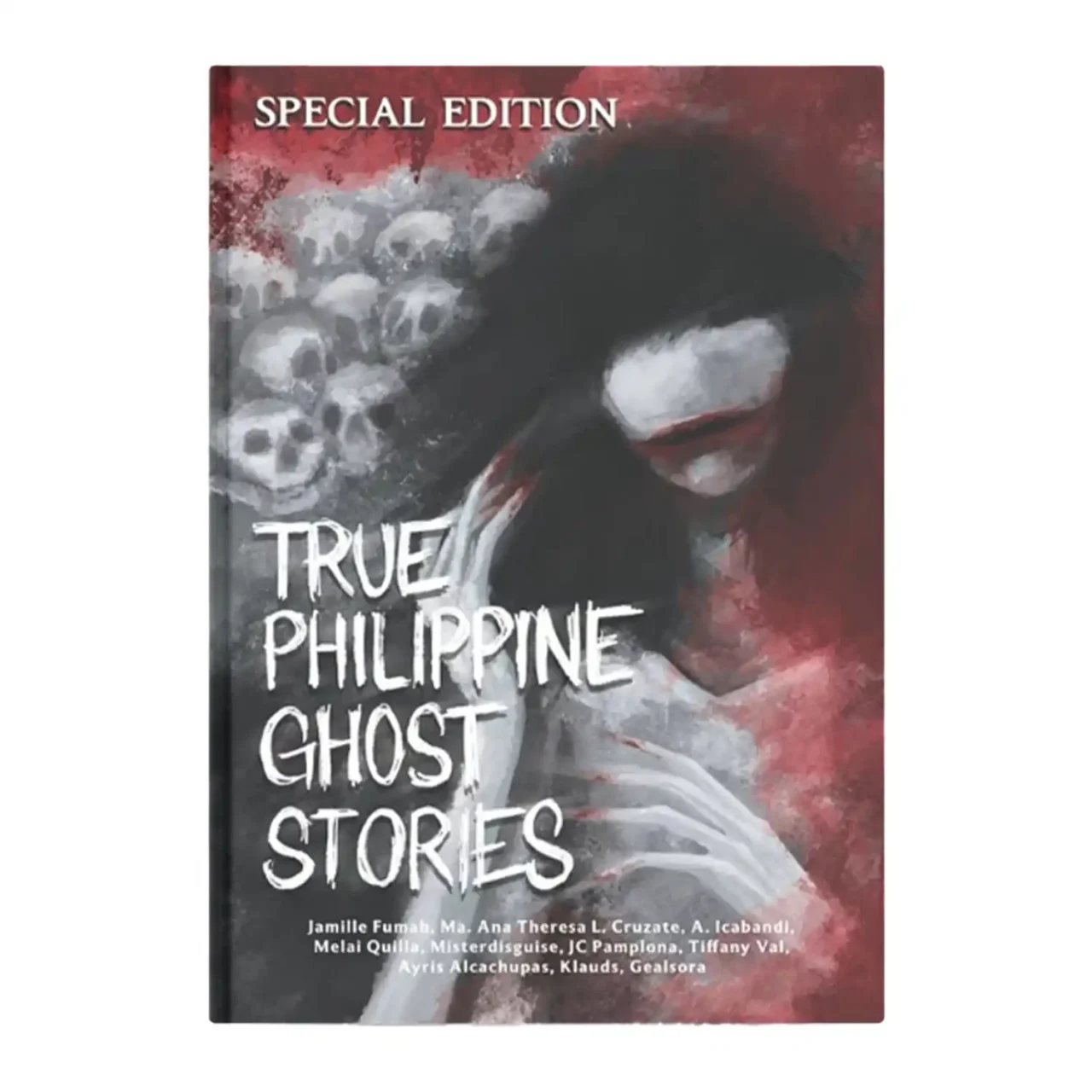
The cyberspace possessed a frictionless, global grip that TPGS books didn’t, which led to the series taking a short break in the mid-2010s. And although the series was briefly brought back to life with the 2023 “Revival” one-off and, recently, a Special Edition featuring contemporary horror writers, it hasn’t consistently kept the ball rolling enough to fill libraries and fuel playground rumors again.
While many may see this as a sign of defeat, I see it as an opportunity to use the internet to bring the series back stronger. True Philippine Ghost Stories’ edge was always its community: ordinary readers sending in stories that felt like they happened to someone next door. Filipino horror publishers need to take advantage of the fact that the sharpest writers today dwell in the World Wide Web, and create something that feels close to home.
If PSICOM meets them there, with a steady release schedule and open calls for stories, the series can offer what an endless feed can’t: a scare that sounds like it came from someone you know. Even better, let the audience build upon one another, and let someone create the next Backrooms global phenomenon that proudly calls back to True Philippine Ghost Stories.
We just need to remember that the time we spent scrolling through a 3 a.m. confession about a haunted dorm or a strange noise in the old family house began with a thin paperback passed around a school library, read in whispers until after classes were over.
The best stories in the dark sound as if they could happen to you. That spark doesn’t need reinvention; it needs a platform to be shared again. And if PSICOM keeps the door open, there’s a good chance a new generation will be sleeping with the lights on, just like you.
Frequently Asked Questions
True Philippine Ghost Stories (TPGS) is a short horror anthology from PSICOM Publishing Inc. that began in 2002. Built on urban legends written for Filipino students in colloquial Taglish, it ran for almost 40 volumes and curated stories submitted by readers, which gave the series its “True” promise.
TPGS appealed to students with urban legends tied to familiar settings, such as school gyms, written in easy-to-understand Taglish that read like classmates retelling events. Its community of reader submissions also mattered. The article says it sold 1,000 copies a day, far above the usual Philippine best-seller mark.
Readers drifted once libraries added computer stations and creepypastas, urban myths shared online, offered something native to internet culture. Julian David says forums like r/nosleep and the SCP Foundation gave free access to unlimited horror stories, so True Philippine Ghost Stories slowly became a thing of the past.
True Philippine Ghost Stories took a short break in the mid-2010s and was briefly revived with a 2023 “Revival” one-off and, more recently, a Special Edition featuring contemporary horror writers. The article says it has not released consistently enough to fill libraries and fuel playground rumors again.
The article argues PSICOM should bring the series back online with a steady release schedule and open calls for stories, since the internet is where today’s sharpest horror writers are. It cites Backrooms, which began as a 78-word internet thread, as proof of what collaborative online horror can become.
Frequently Asked Questions
A short horror anthology by PSICOM Publishing Inc. that began in 2002, built on reader-submitted urban legends written in Taglish.
Internet platforms like creepypastas, r/nosleep, and the SCP Foundation offered free, unlimited horror content that pulled readers away.
Yes. It had a 2023 “Revival” one-off and a recent Special Edition featuring contemporary horror writers.