Summaries were generated by AI. Generative AI is experimental.
Explore other styles:
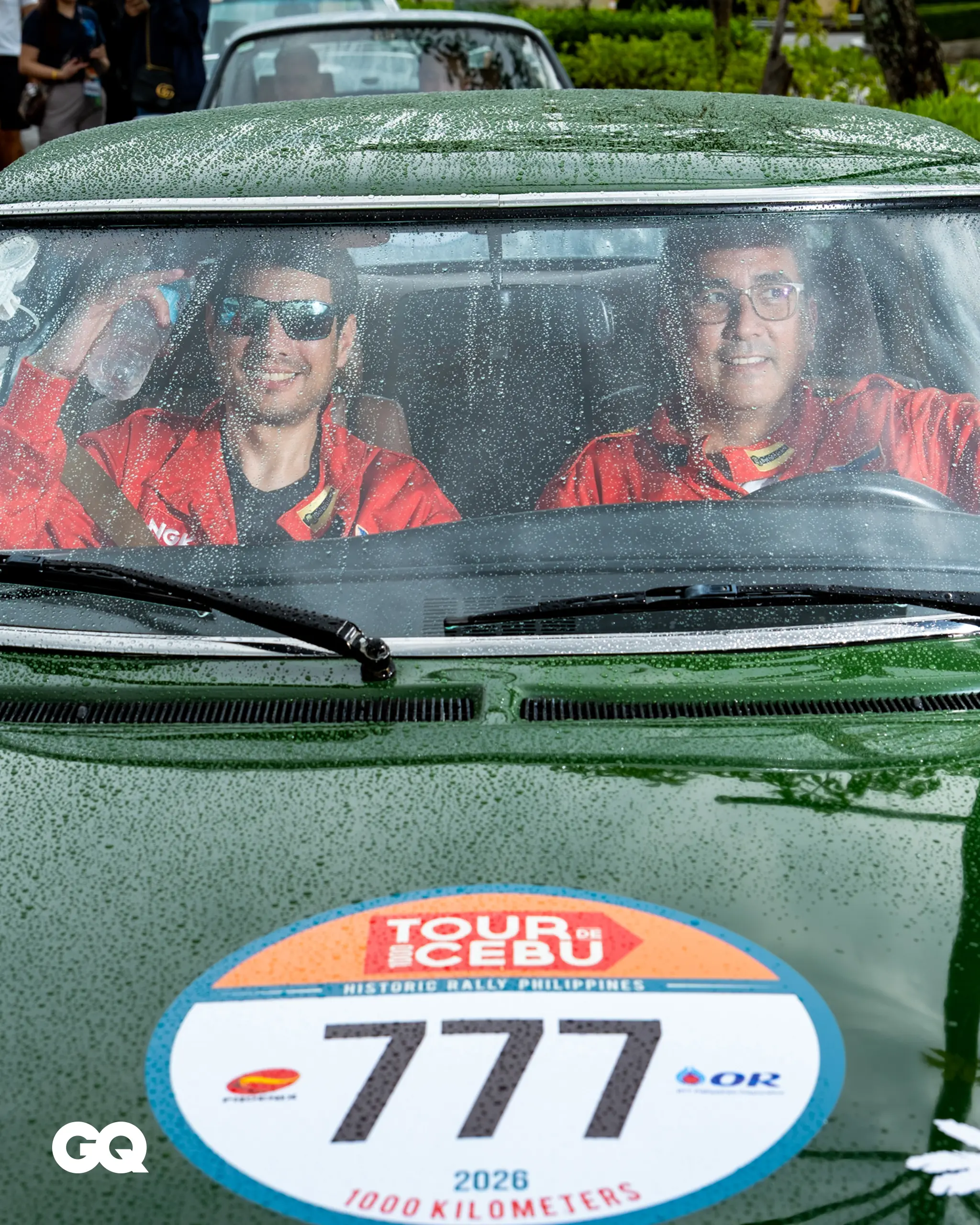
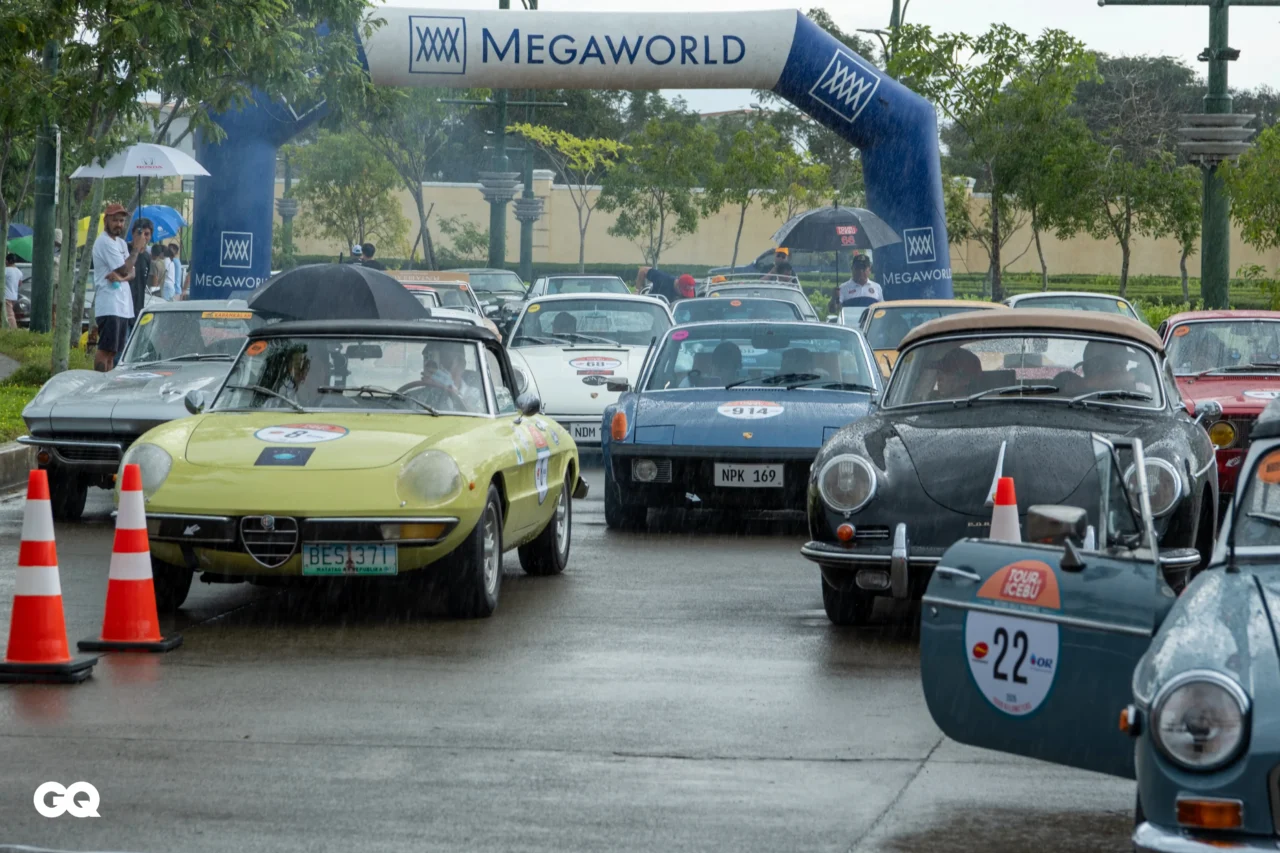
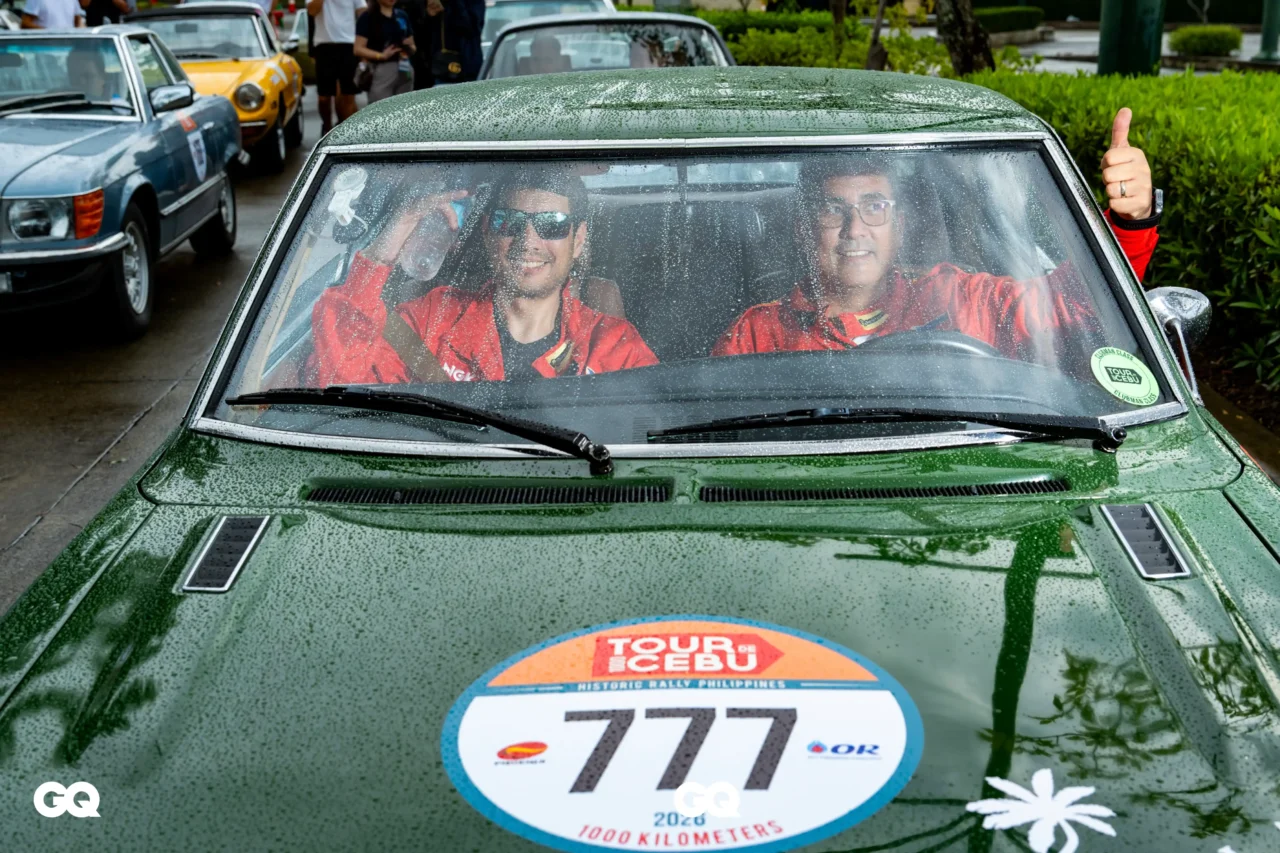
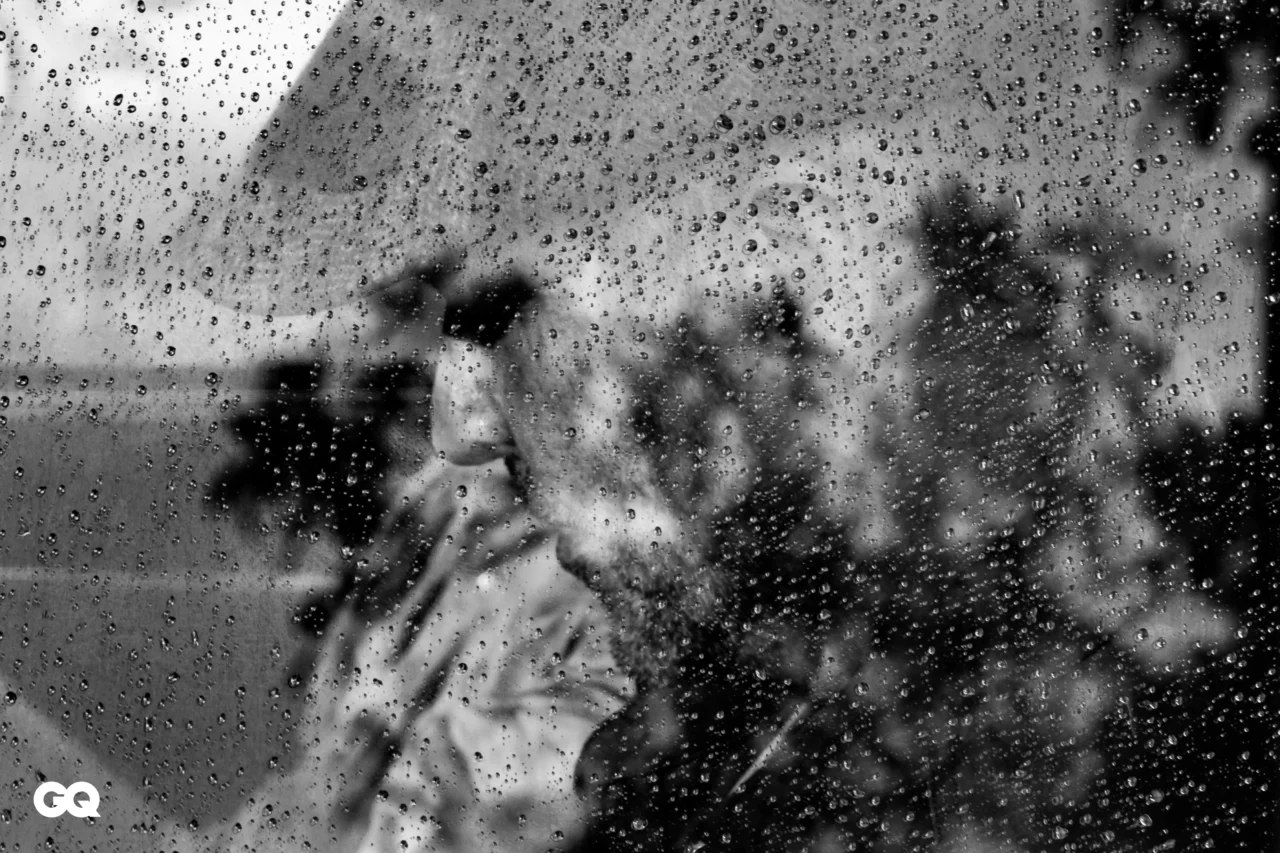
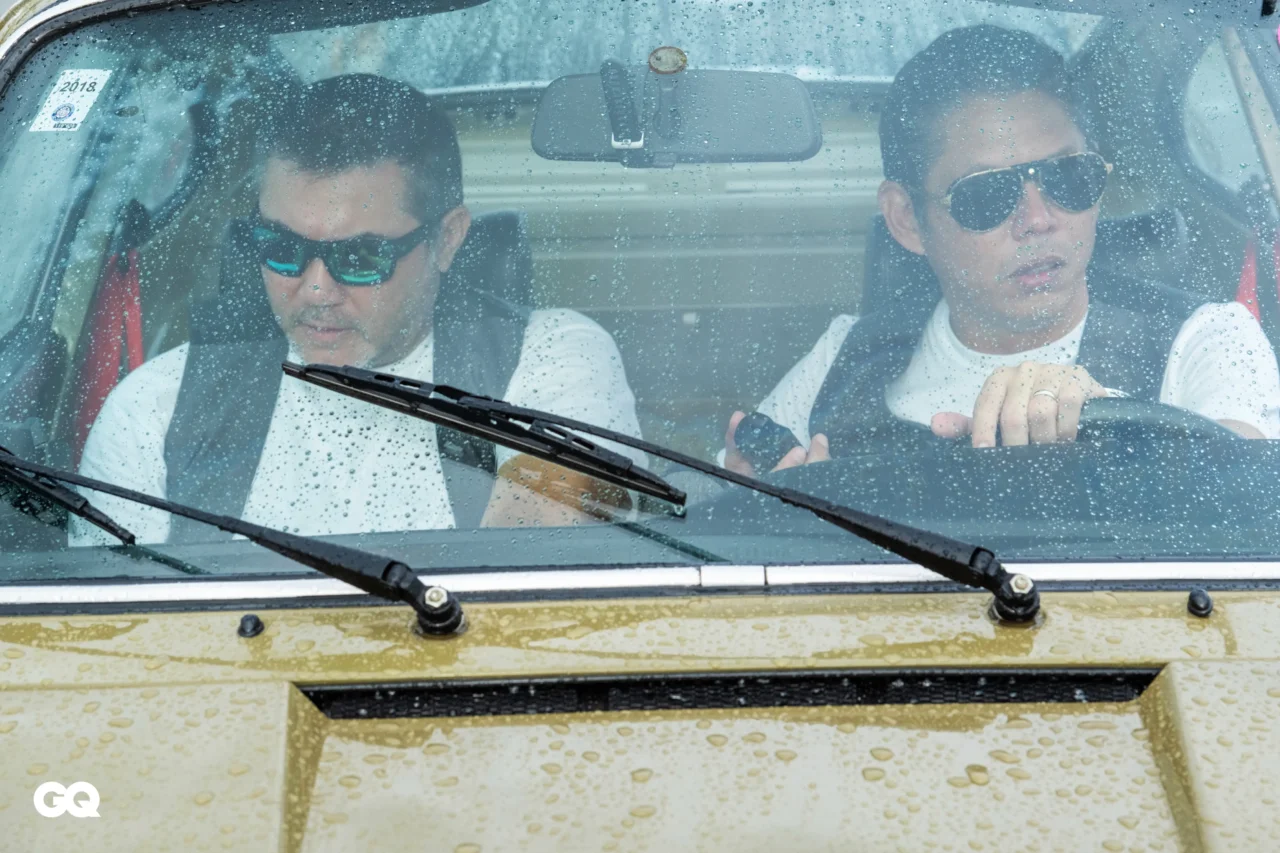
As the skies split open over Bacolod, heavy rain swept across the tarmac, catching the flat grey light on decades of polished chrome. VintageVintageClothing, accessories, or objects from an earlier era, usually at least twenty years old, that are valued for their style, quality, and character. Vintage shopping offers unique pieces that fewGo to Vintage Glossary cars—some engineered nearly seven generations ago—rolled into their grids. By any reasonable standard, the weather was a brutal, unforgiving prologue to a three-day rally across Negros. But the crews huddled around their cars regardless, checking details and preparing for the flag-off. This is the Tour de Cebu. Here, the elements aren’t a reason to cancel; they are part of the route.
For the uninitiated, this is not a drag race. It is a grueling exercise in mechanical and psychological synchronicity. Drivers must skilfully control high-speed machines through changing terrain while navigators bark out turns, split-second timings, and route instructions. It is a dance performed under pressure.
First staged in 2014 by Cebu’s Performance and Classics Enthusiasts (PACE) and the Manila Sports Car Club (MSCC), Tour de Cebu was inspired by Italy’s Mille Miglia and built around the romance of long-distance motoring across the Visayas. The rally follows a regularity format, rewarding teams for keeping to target times and navigating accurately. Penalty points are tallied at each stage, and the lowest total takes the overall win. For a field of lovingly maintained classics, precision matters as much as mechanical resilience.
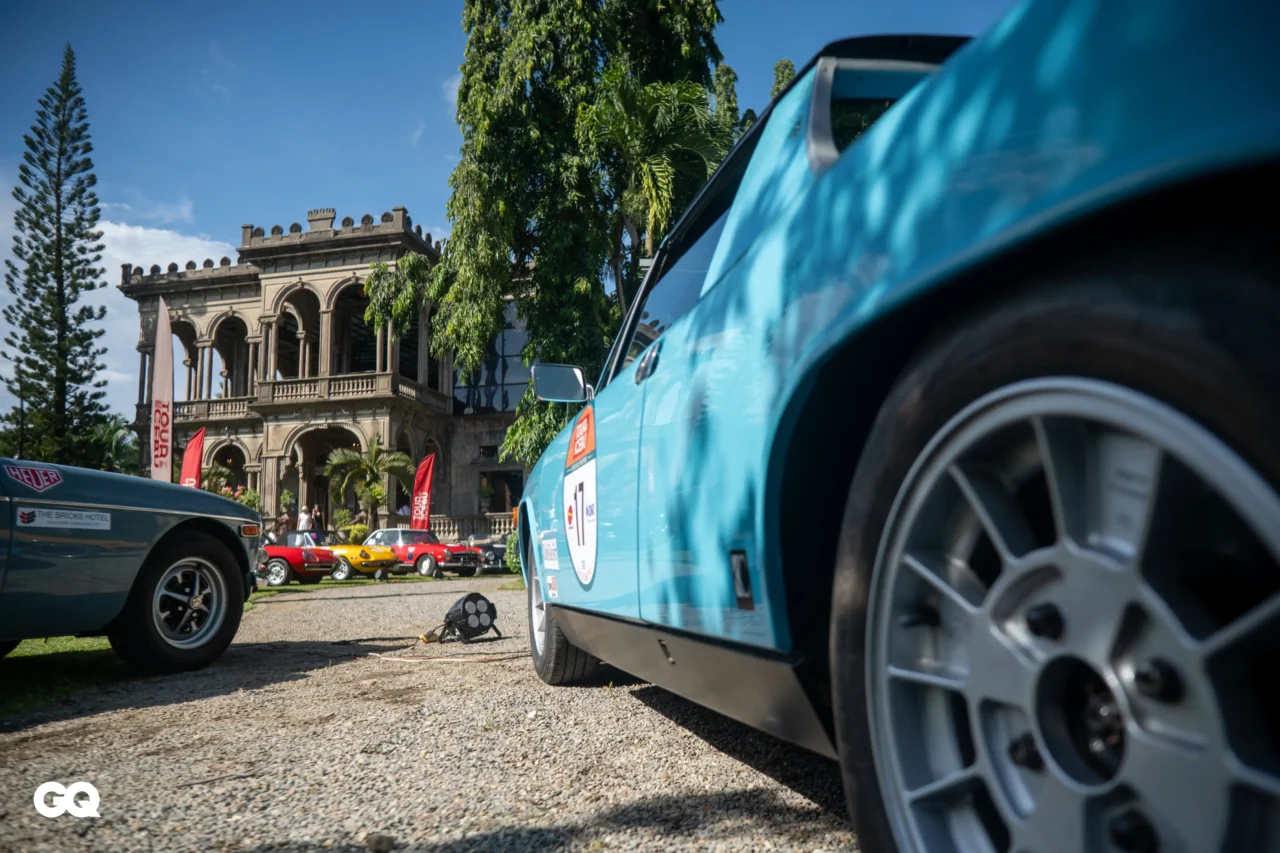
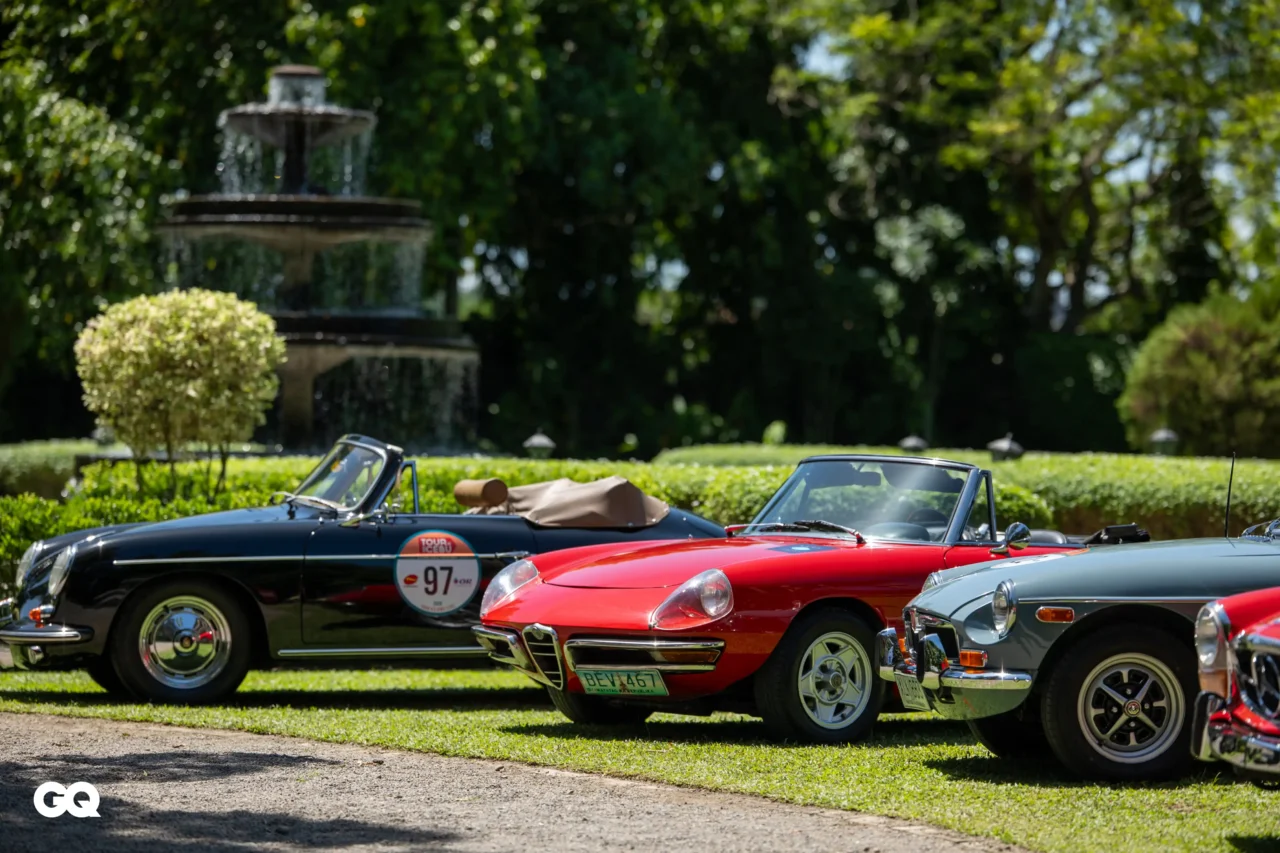
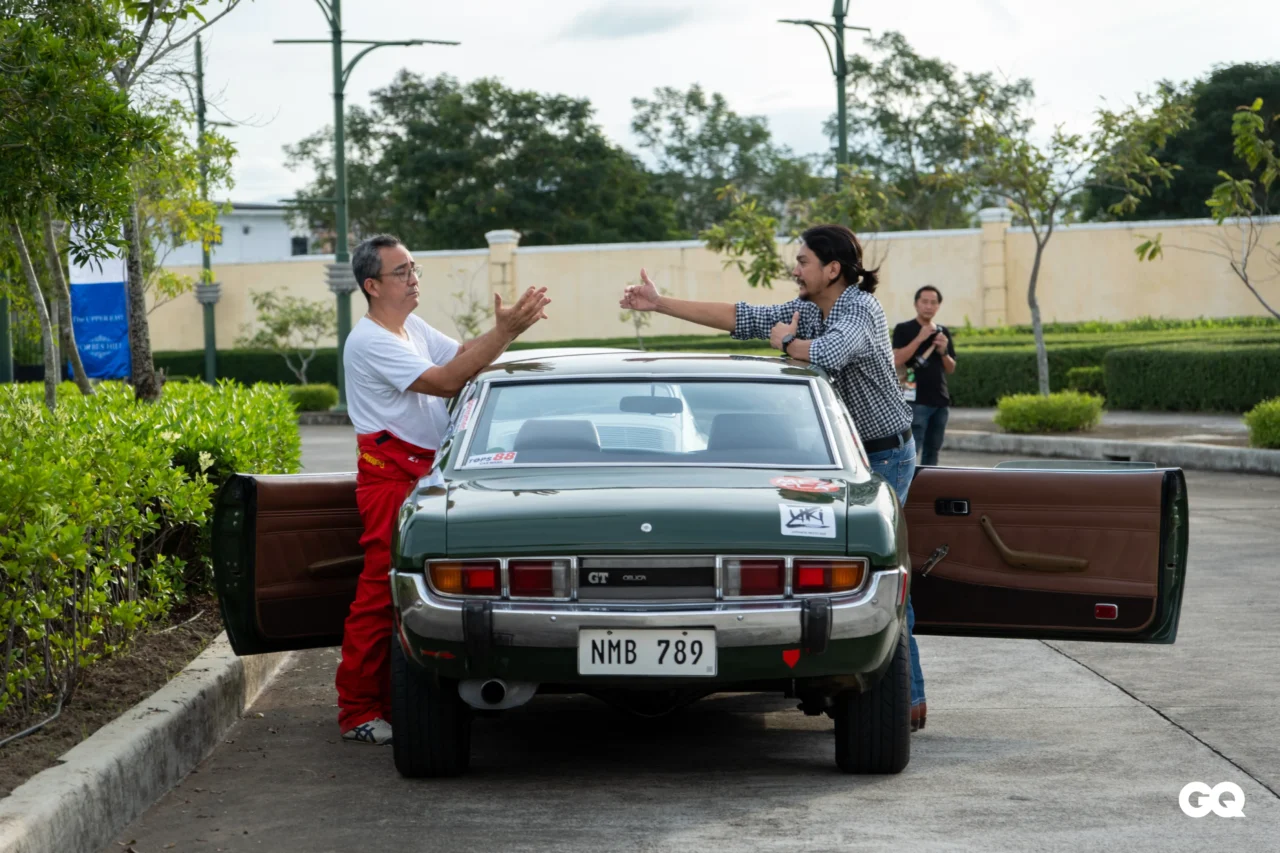
On October 21, the gathering began at The Ruins, where cocktails and a small car showcase eased teams into the weekend. Scrutineering offered a closer look at the cars before they set out across Negros.
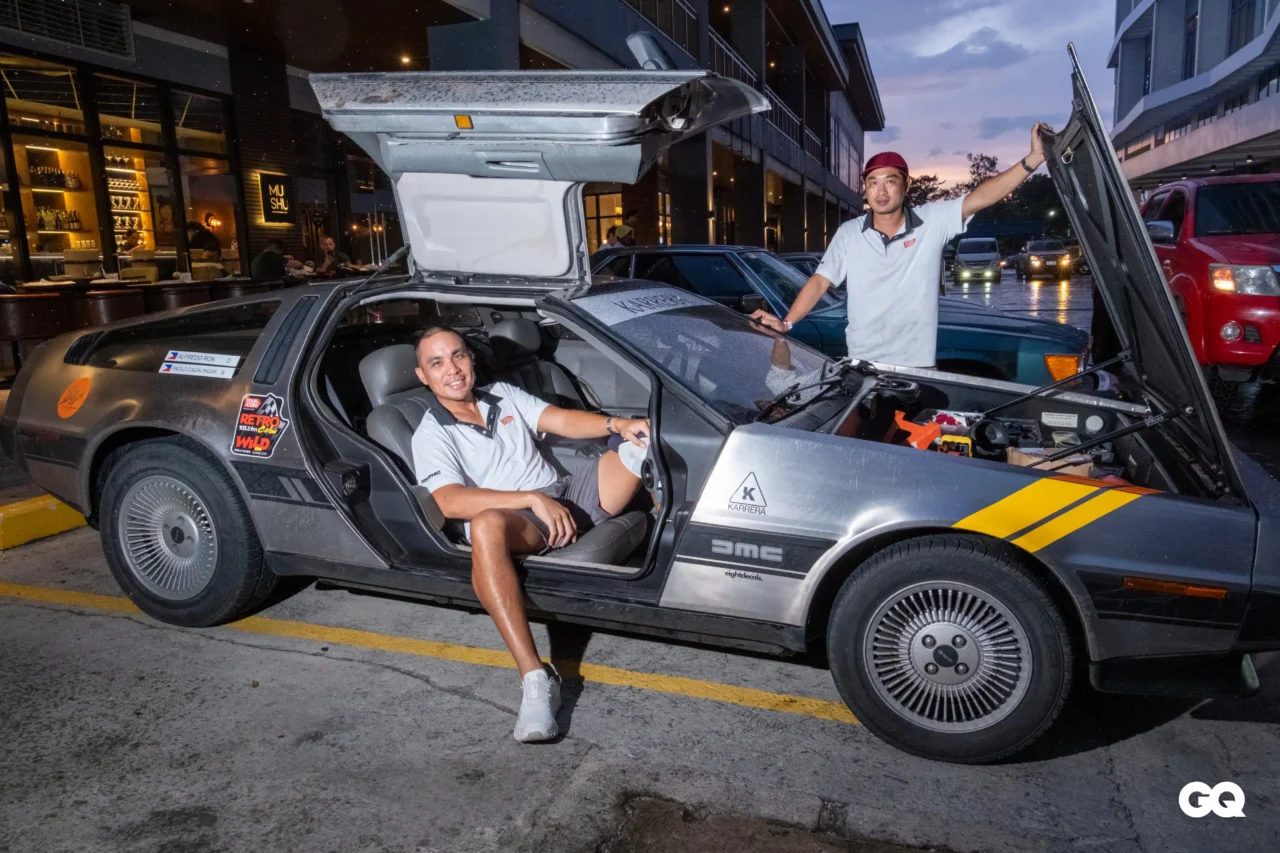
The line-up included Porsches from different decades, a Datsun 240Z, Mercedes-Benz roadsters, a Chevrolet Corvette, and a Volkswagen Karmann Ghia—all soon to face the same timing sheets and waterlogged pavement.
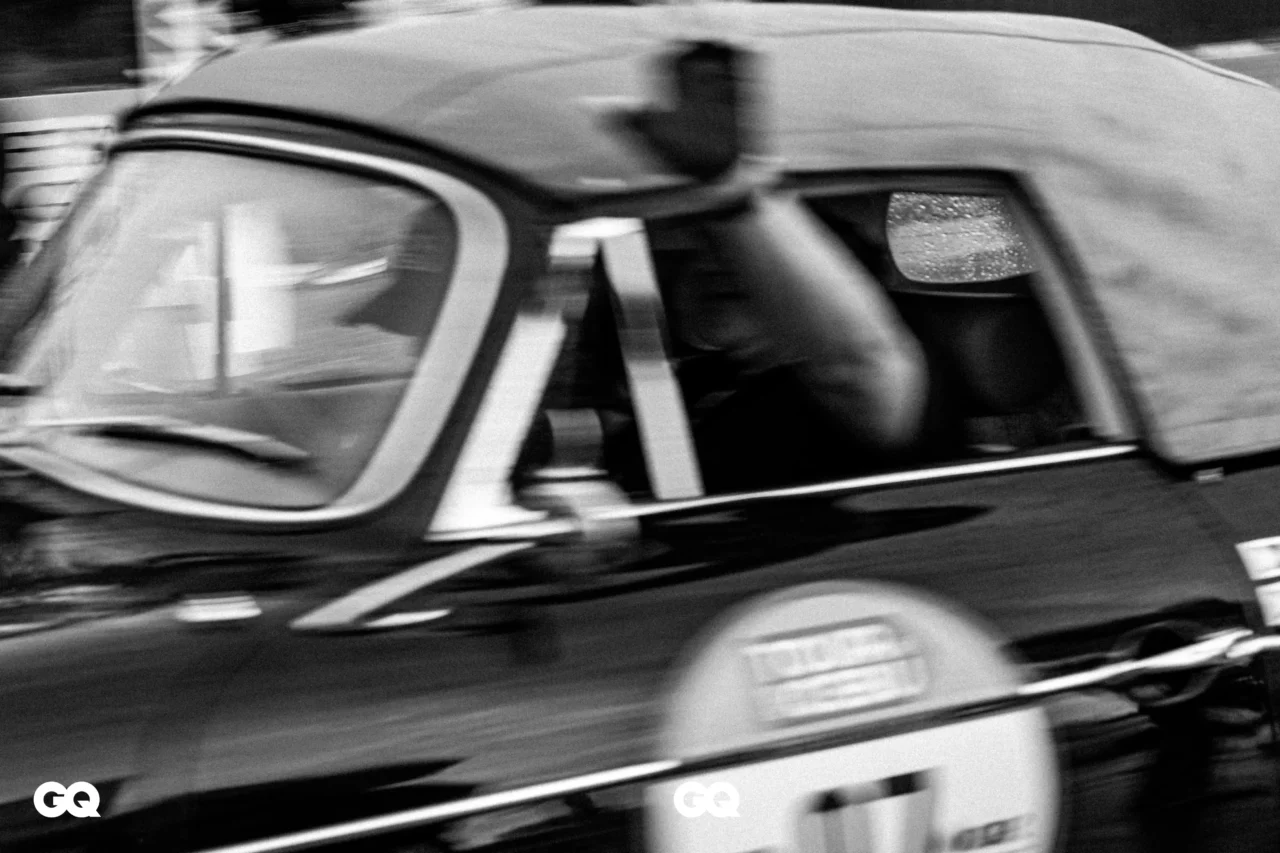
On Thursday morning, October 22, the sky delivered on its threat. The field flagged off from Northill Gateway Megaworld into a blinding, torrential downpour. Over the next three days, the crews wrestled their machines through a punishing 1,000-kilometer route, conquering five distinct stages that carved through the rugged mountains and rural expanses of Negros. The relentless rain threw a wild variable into the cockpit, forcing drivers to constantly balance momentum against traction, all while hanging on every word of their navigators.
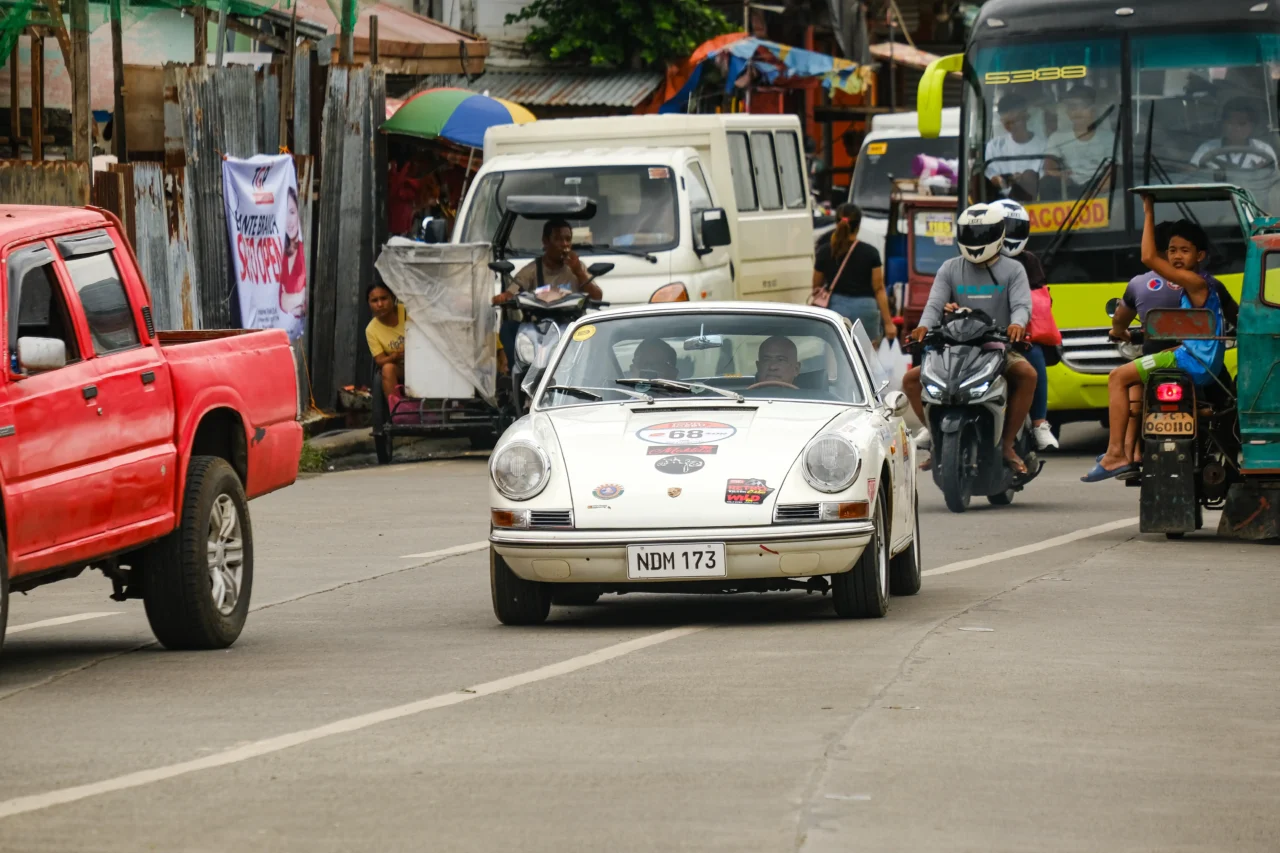
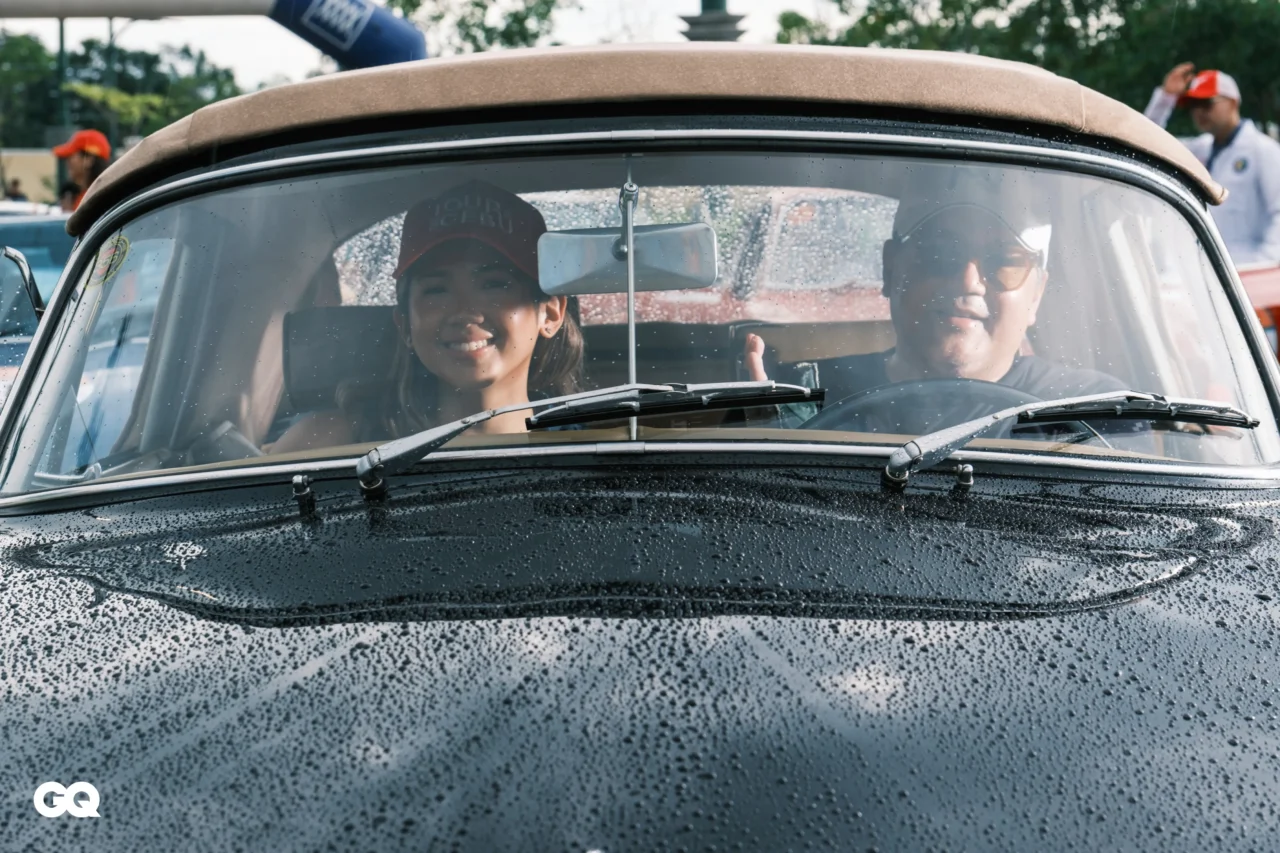
After the final grueling leg, the mud-splattered icons of motoring history rolled into Citadines. The exhaust notes finally went quiet, giving way to an elegant awards dinner at the OVY Resort in Talisay City to close out the weekend.
Tonet Ramos and Lance Ledesma emerged as overall champions, guiding their 1967 Porsche 912 to 14 penalty points. Jay Aldeguer and Ariana Aldeguer followed with 18 points in a 1960 Porsche 356B, while Kenneth Cobonpue and Andre Cobonpue took third with 20 points in a 1959 Porsche 356A. Class honours went to Cesar Azanza and Maria Elera Azanza in a 1971 Datsun 240Z (Pace Chairman); Jayjay and Pio Neri in a 1974 Porsche 914 (Sportsman); Renato Cabati and George Garcia in a 1986 Mercedes-Benz 500 SL (Modern Classic); and Marcos Escalante and Carl Oliver Rode in a 1972 Volkswagen Karmann Ghia (Clubman).
By the time the final Tour de Cebu medals were handed out, the route had given each car another story to carry home: three days of rain, five stages, and a test of trust between driver and navigator.
For an event dedicated to the preservation of classic motoring, the highest form of worship isn’t keeping these machines locked in a climate-controlled garage. It’s putting them on the road, dropping the clutch, and chasing the horizon.

Frequently Asked Questions
Tour de Cebu is a classic car rally founded in 2014 by Cebu’s Performance and Classics Enthusiasts (PACE) and the Manila Sports Car Club (MSCC). It follows a regularity format, testing drivers’ timing and navigation skills across long-distance routes.
The rally covered approximately 1,000 kilometers over three days, with five stages across the mountains and rural areas of Negros.
Tonet Ramos and Lance Ledesma took the overall title in their 1967 Porsche 912 with 14 penalty points. Jay Aldeguer and Ariana Aldeguer placed second, followed by Kenneth Cobonpue and Andre Cobonpue in third.