Summaries were generated by AI. Generative AI is experimental.
Explore other styles:
Let’s be honest, we all crave a bit of competition in our lives. Whether it’s through sports, tabletop games, or work-related tasks, there’s something satisfying about seeing your skills put to the test and achieving what you set out to do. It’s a kind of catharsis that can turn brief bursts of motivation into a cycle of self-determination. This is what psychologists refer to as gamification, the practice of using game design elements to frame habits as side quests and personal growth as character progression.
While it was initially used in academic settings, modern technology has embraced the concept for years: Apple Watch introducing shared and competitive fitness features, Ōura turning rings into fashionable health trackers, and let’s not forget the occasional screen time notifications detailing just how much we’ve doom-scrolled our weekends away.
For many users, building more sustainable habits goes hand in hand with a desire to be told how well they’re doing and where they can improve. It’s certainly a curious facet of today’s fitness landscape. Still, with the rise of personalized routines and real-time analytics, it wouldn’t be a surprise if our underwear started gamifying our gut health as well (they’ve already started researching it, and it’s exactly what you’re thinking).
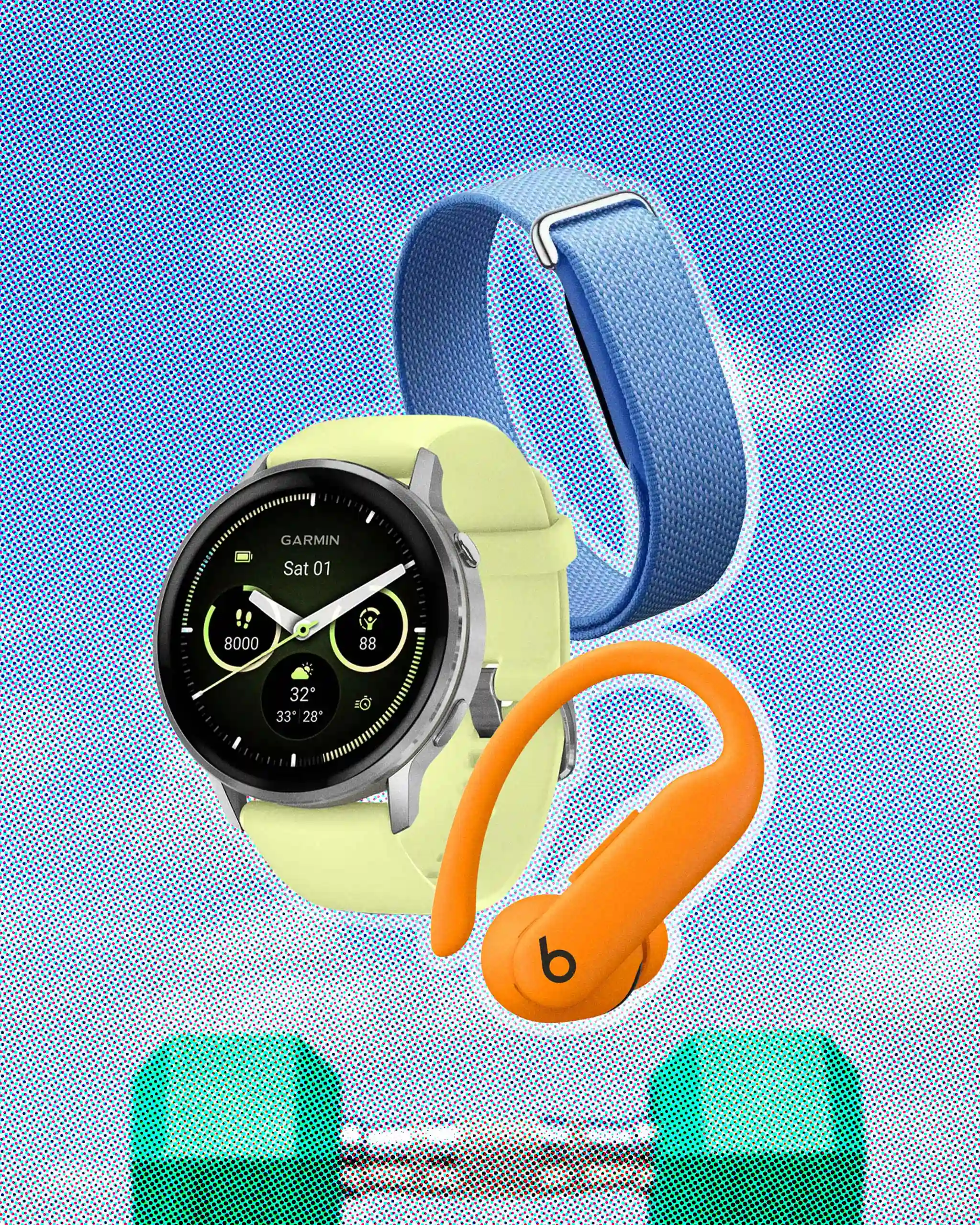
From guided home gym machines to heart-rate tracking earbuds, here are this year’s leading tech products designed to gamify even the most intense workouts, all without requiring a pesky subscription to use them.
Garmin Venu 4
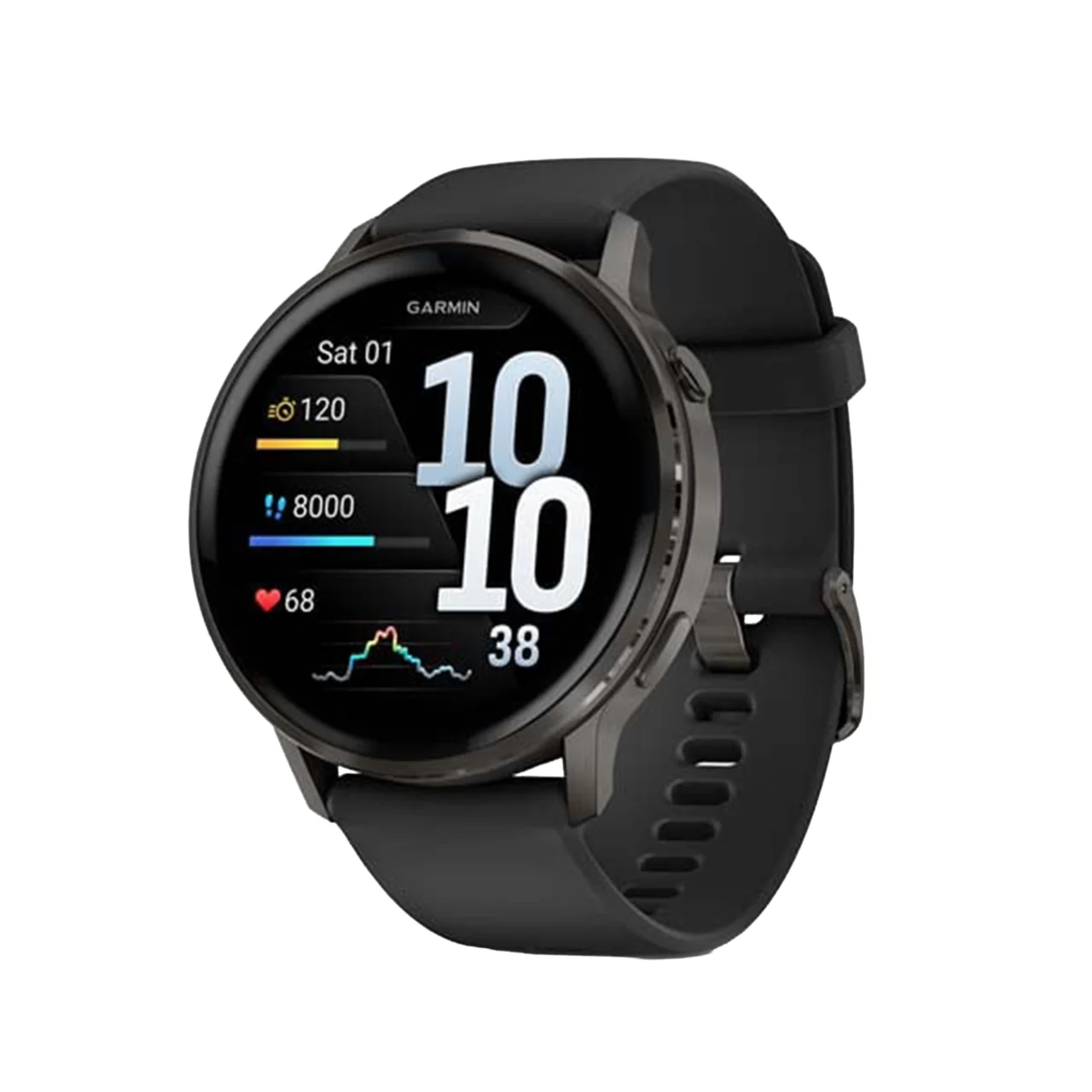
There’s a fine line between a multi-functional smartwatch from a performance-driven one, and yet the Garmin Venu 4 sits snugly in between. It offers a suite of more than 80 different sports applications, active health and recovery tracking features, and even the LED flashlight that Garmin fans can’t live without. With a battery life of up to 12 days on a single charge, the Venu 4 also provides comprehensive insights into your performance and sleep quality, giving you a better understanding of the best time to schedule your next workout and even your circadian rhythm.
Speediance Gym Monster 2 Max
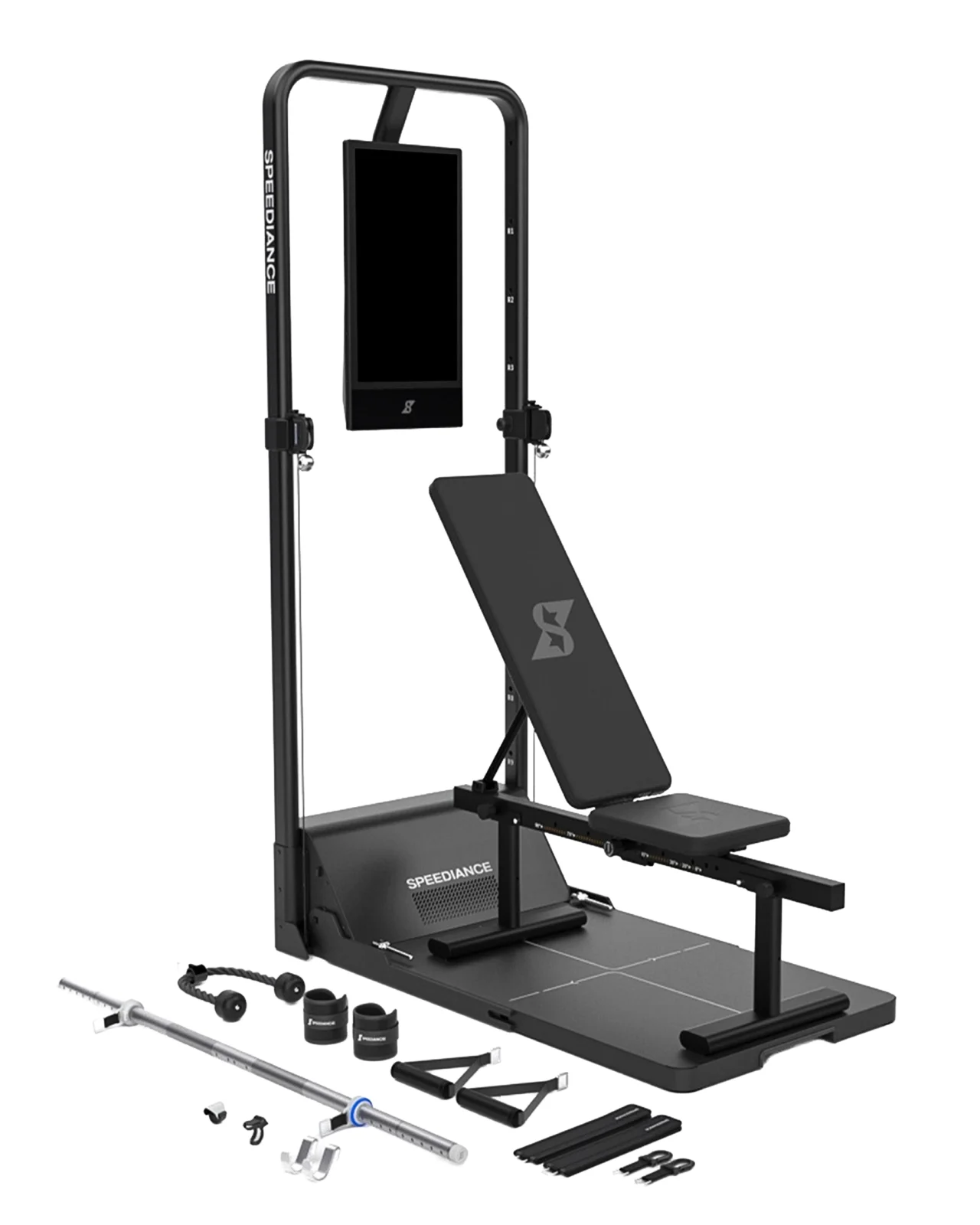
Over the last six years, at-home gym setups have become quite the commodity for those wanting to stay in shape at their own pace and privacy. Most of these products, however, require a monthly subscription to make the most of their features, but the Speediance Gym Monster 2 Max only asks for an investment of PHP 330,000 to access over 500 guided workouts. This at-home resistance trainer arrives with an integrated 21.5-inch screen, workout bench, rowing machine, and full lineup of accessories. Each workout is also designed to use up to 100kg in magnetic resistance weights, and features a digital spotter to help you squeeze out that last rep when needed.
Google Fitbit Air
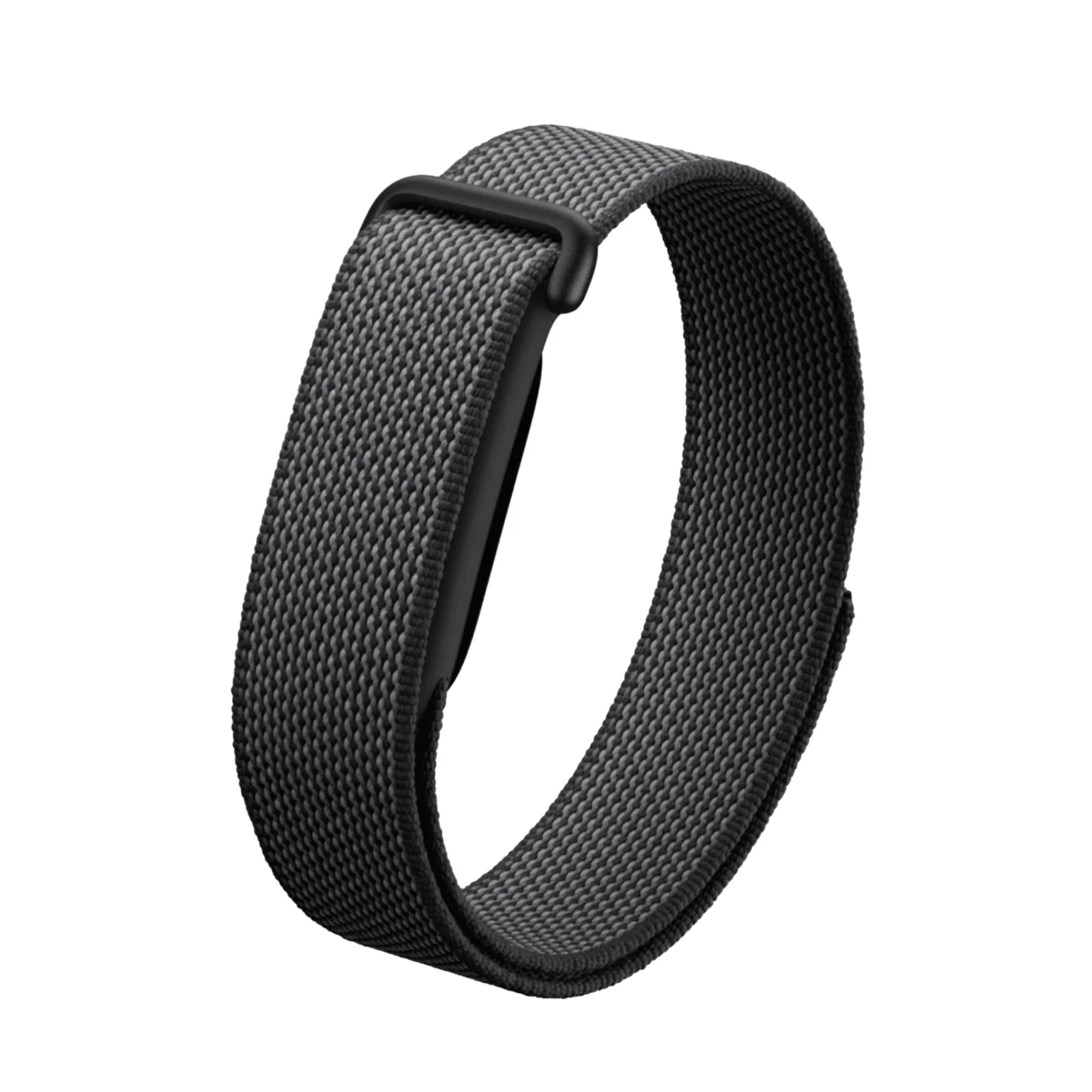
Despite being released just last May, the Google Fitbit Air has made quite the lasting impression on the fitness band community at large. The device features a lightweight design and personalized health trackers that keep you on the pulse (pun intended) of your heart rate, cardio load, and sleep quality while remaining discreet. And as the name implies, the Fitbit Air also makes use of a Gemini-built AI coach that, while behind a monthly subscription, reads your metrics and provides tailored insights and action plans for self-improvement.
Hyperice Hypervolt 3
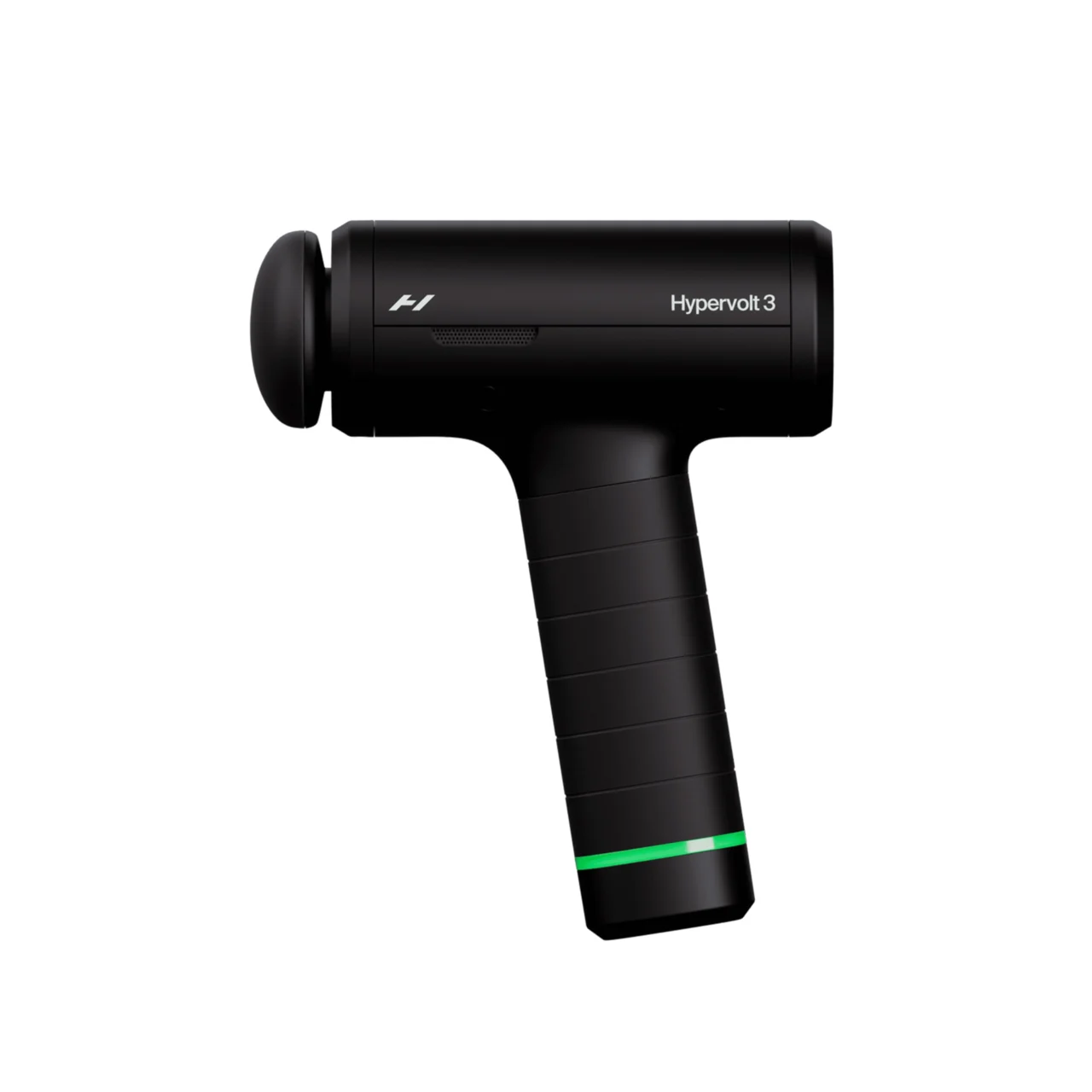
For over eight years, the Hyperice Hypervolt series has been a staple among professional athletes and enthusiasts alike thanks to its ergonomic design and portable versatility. This year, the lineup welcomes its third iteration, featuring a sleeker design and a quieter user experience. While it comes with the series’ usual set of massage heads, the Hypervolt 3 now includes a heated massage head attachment designed to help improve blood circulation. Its updated companion app also provides step-by-step recovery routines and can remotely control the massage gun for guided sessions.
Beats Powerbeats Pro 2
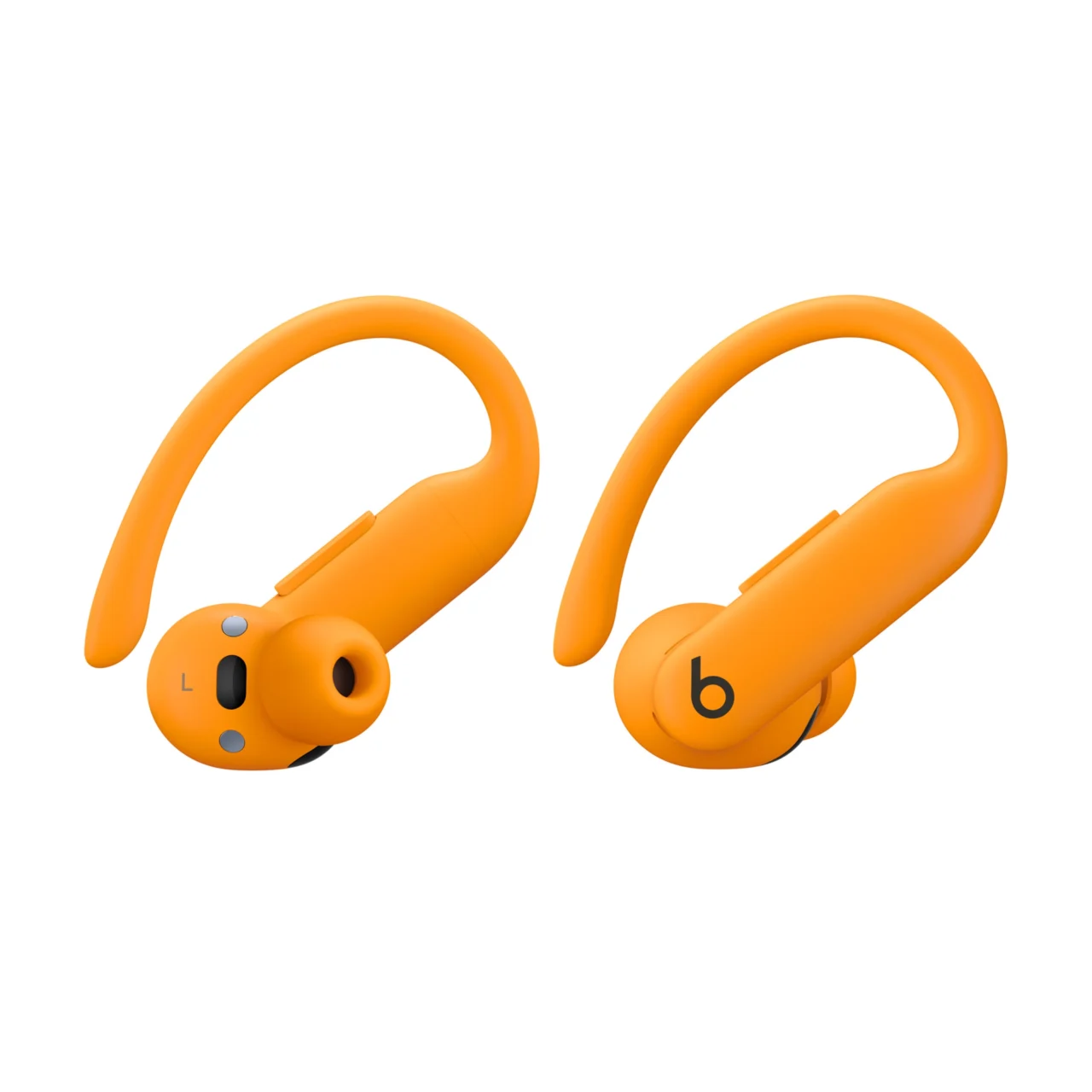
There was a five-year gap before Beats released the Powerbeats Pro 2, and in that time, the performance-focused earbuds received a host of updates. From a lighter build, a smaller carrying case, and up to 10 hours of continuous playback to enhanced ANC, spatial audio quality, and IPX4-rated sweat and water resistance, the Powerbeats Pro 2 also introduces optical heart rate sensors in each earbud. Oh, and if you’re the type to embrace bold colors, it even comes in a vibrant orange colorway to match your equally bright orange iPhone.
Frequently Asked Questions
Gamification is the practice of using game design elements — like progress tracking, rewards, and competition — to frame fitness habits as achievements or challenges. It’s used in devices like smartwatches and fitness rings to keep users motivated and engaged with their routines.
The Garmin Venu 4 offers over 80 sport applications, active health and recovery tracking, and up to 12 days of battery life on a single charge, along with performance and sleep insights to help users understand their circadian rhythm and optimal workout timing.
The Speediance Gym Monster 2 Max is an at-home resistance trainer priced at PHP 330,000 with no monthly subscription, offering over 500 guided workouts, a 21.5-inch integrated screen, a rowing machine, up to 100kg of magnetic resistance, and a digital spotter feature.
Yes. The Google Fitbit Air uses a Gemini-built AI coach, available behind a monthly subscription, that analyzes health metrics like heart rate, cardio load, and sleep quality to provide personalized insights and action plans.
The Hyperice Hypervolt 3 introduces a heated massage head attachment for improved blood circulation, a sleeker and quieter design, and an updated companion app offering step-by-step recovery routines and remote control of guided massage sessions.