Summaries were generated by AI. Generative AI is experimental.
Explore other styles:
Preparing for your first hike is exciting right up until you realize that getting to the trailhead is the easy part. Suddenly, you’re standing over a pile of gear, wondering whether you actually need three layers, two knives, and enough snacks to survive a minor apocalypse.
The good news is you probably don’t. But a few well-chosen essentials can make the difference between a memorable day in the mountains and a long, uncomfortable walk back to civilization.
Start With a Good Headlamp
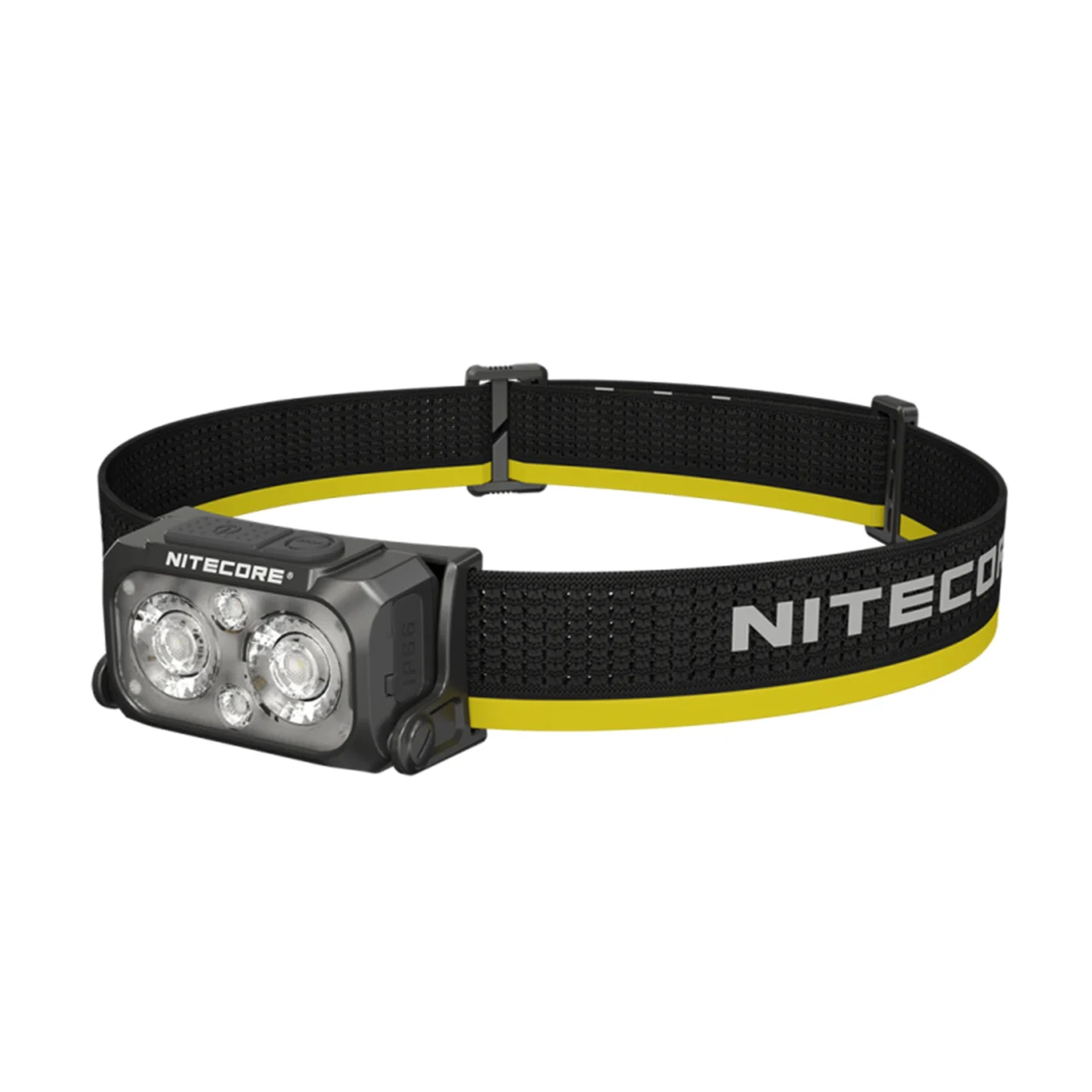
Even if your hike is technically a “day hike,” bring a headlamp. Sunrise hikes often begin long before sunrise, and on multi-day trips, darkness is a guarantee. A headlamp keeps both hands free for scrambling, checking your footing, or rifling through your bag for the snacks you swore were in the side pocket.
Pick Your Footwear Carefully
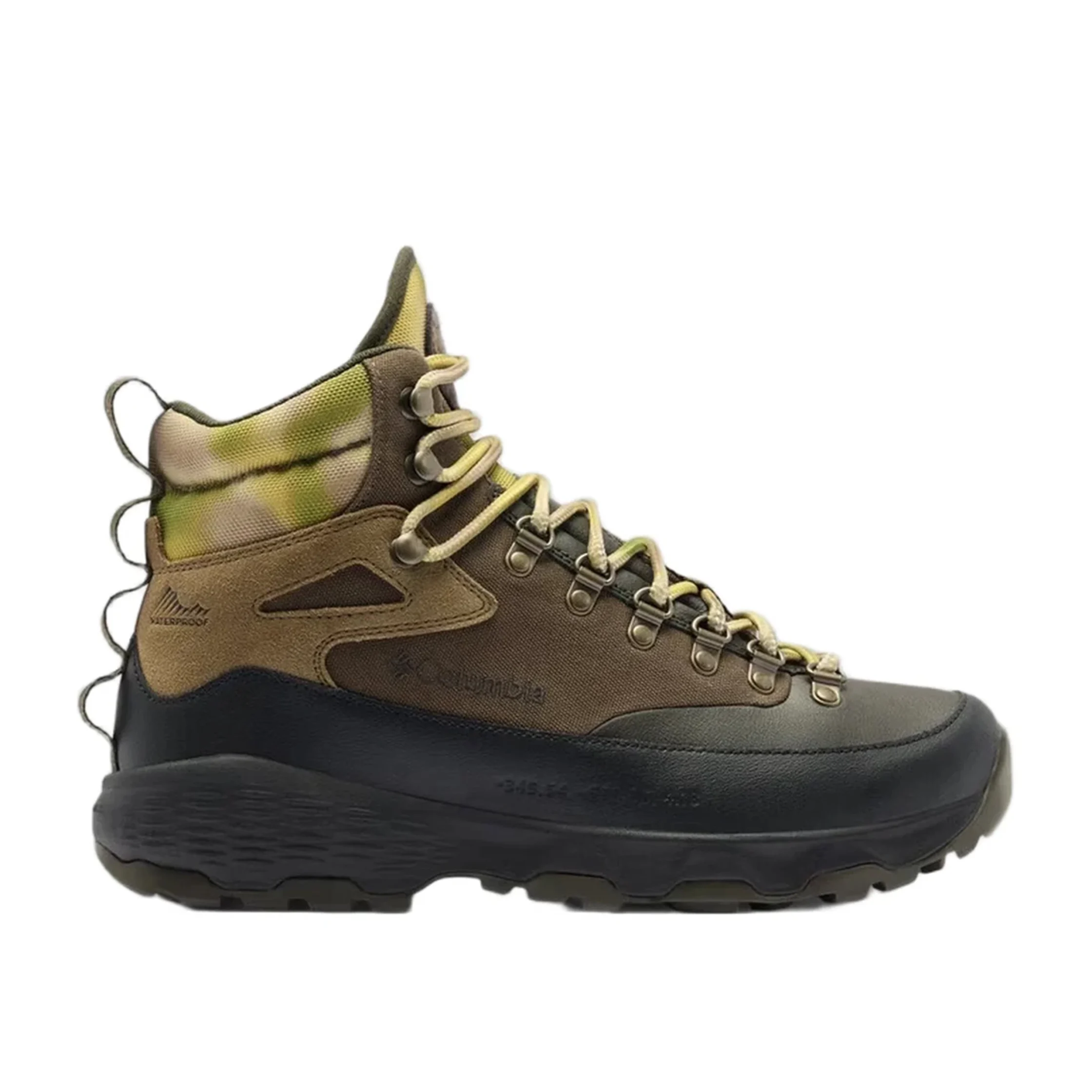
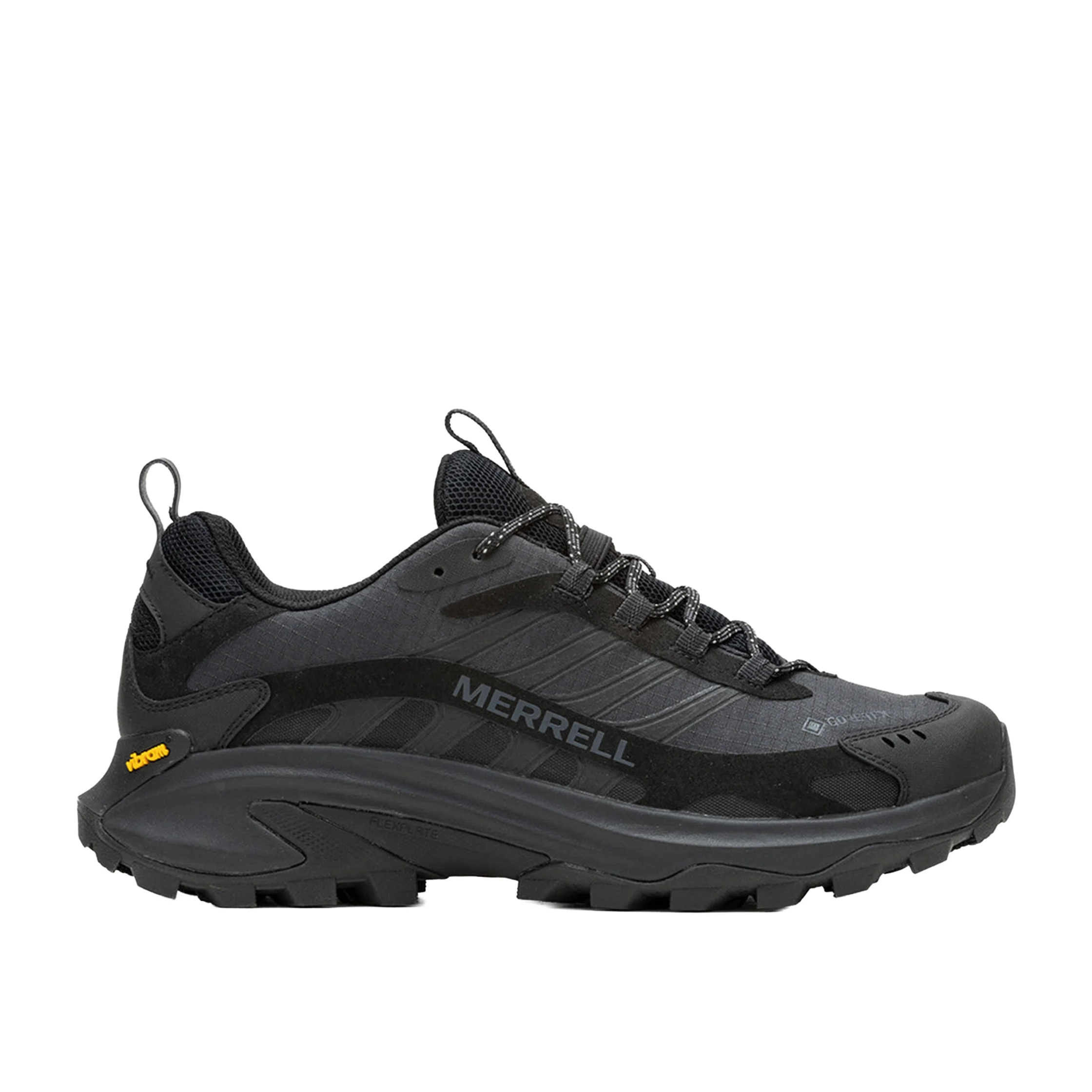
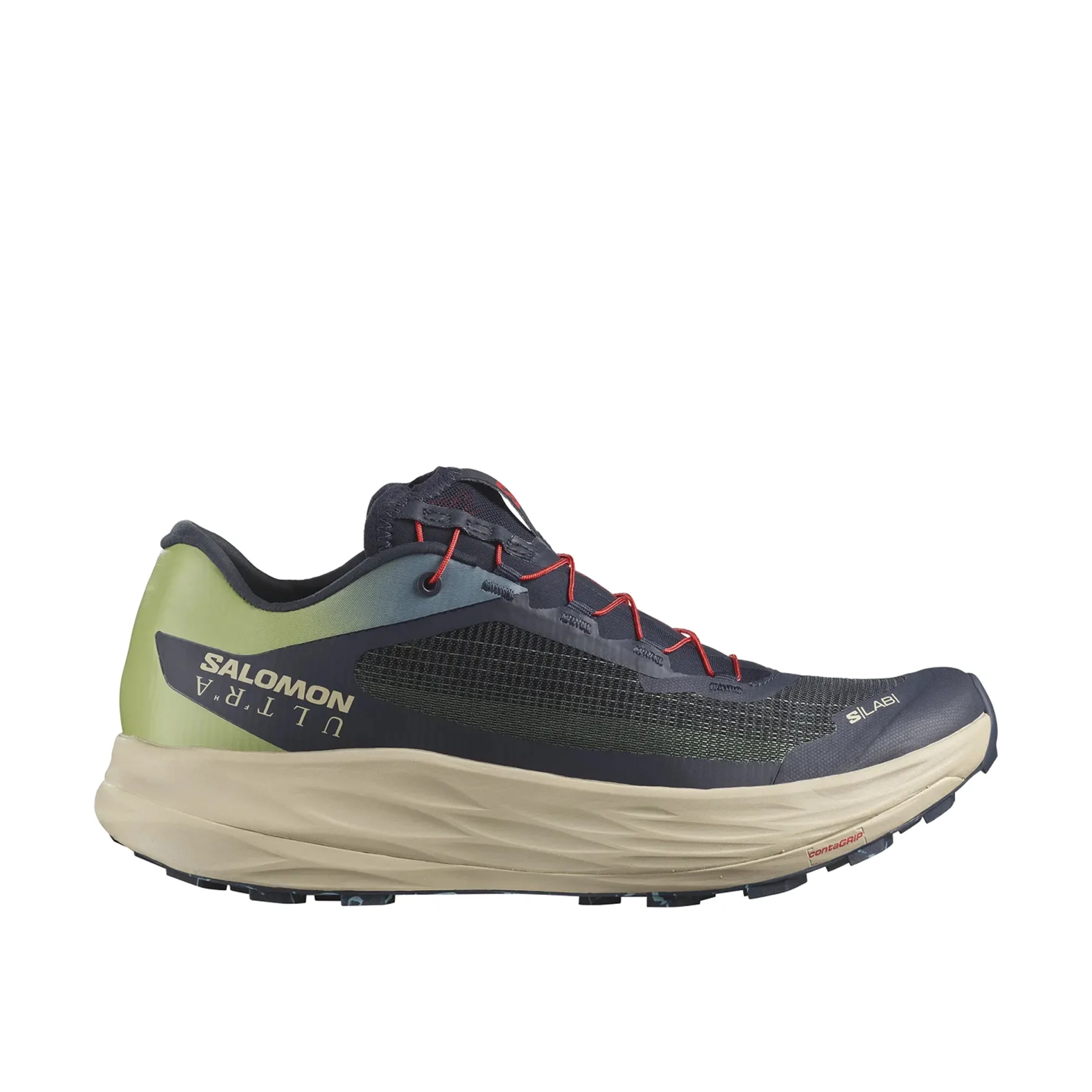
There is no single shoe that conquers every trail. Hiking shoes, trail runners, and sandals all have their place depending on the terrain and weather. Trail runners are popular for their lighter weight, while sturdier hiking shoes offer more support and protection on rougher ground.
Consider the environment, too. Waterproof or GORE-TEX footwear can be excellent in cooler, wetter conditions, but they can become sweaty and frustrating on hot trails or during repeated river crossings, where getting them dry can take forever. The right traction matters as well: rocky trails, mud, and wet riverbeds each ask different things from your soles.
Prepare for the Weather to Change Its Mind
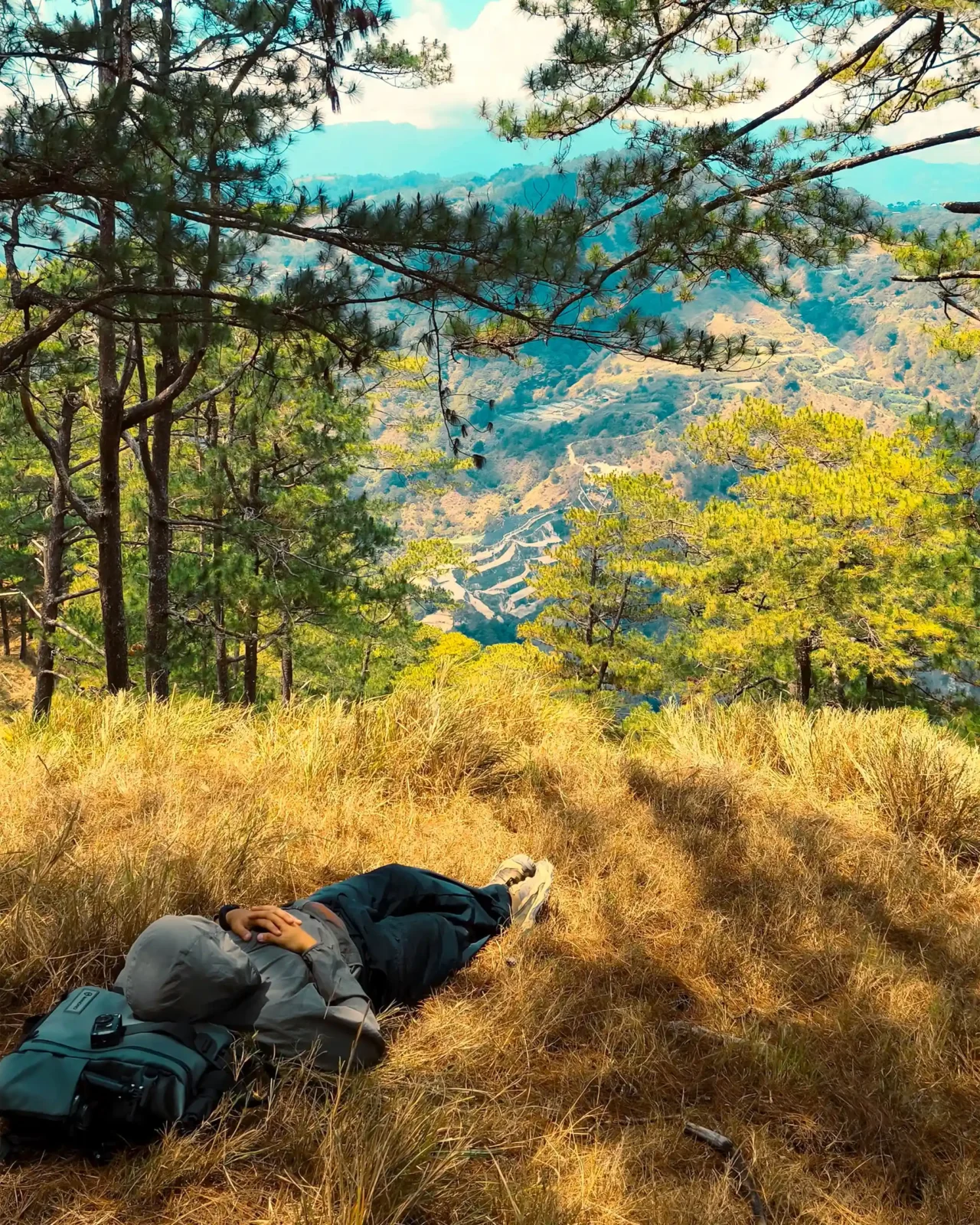
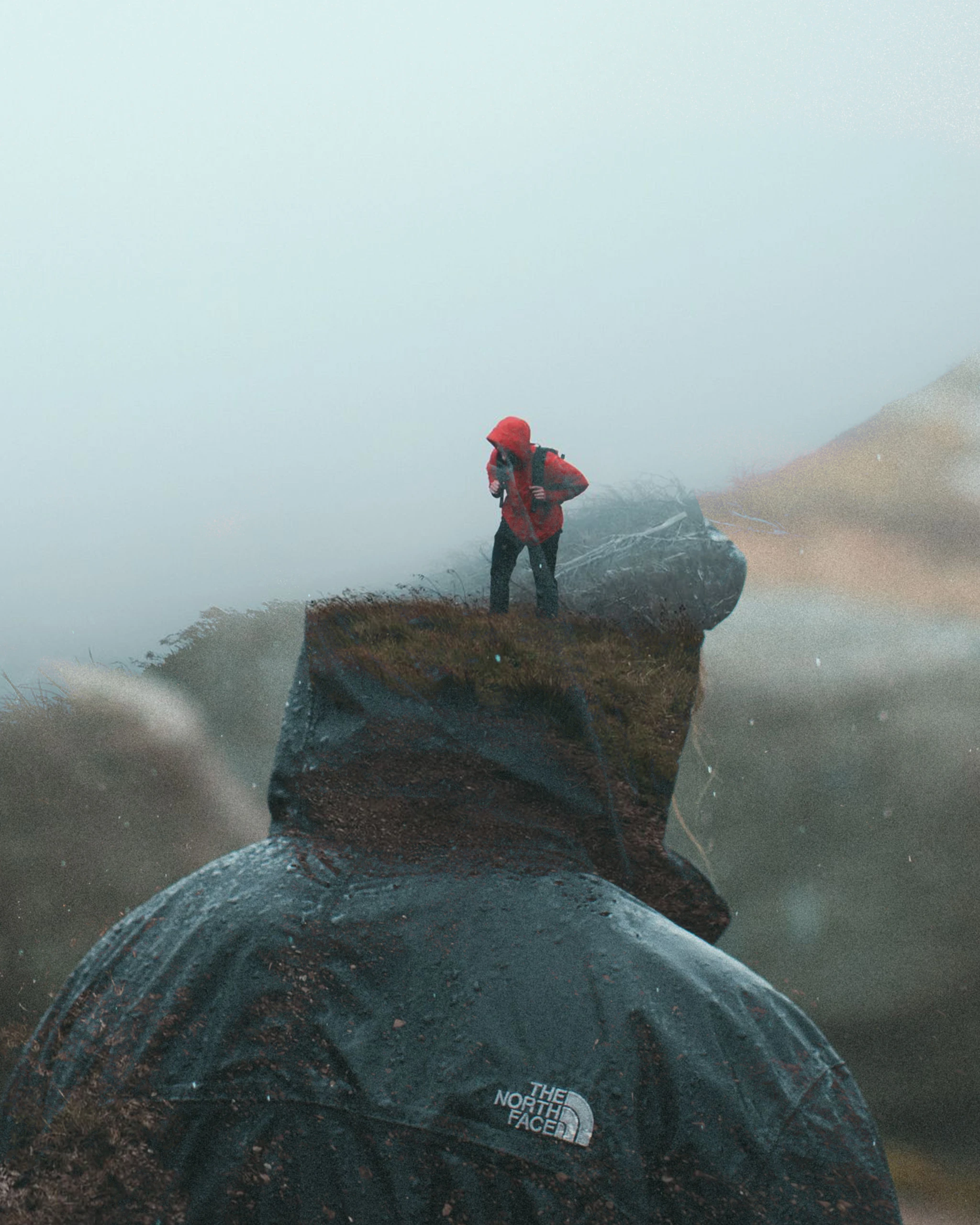
A sunny forecast is not an excuse to leave your rain jacket at home. Mountains can create their own microclimates, and weather can change quickly as elevation increases. A lightweight, water-resistant shell can keep a passing shower from becoming the defining memory of your hike.
For higher or overnight trips, bring an additional soft shell or hard shell for warmth and protection. Even in the Philippines, where “tropical” sounds like a permanent promise of sunshine, temperatures can drop sharply at altitude.
Pack More Than Your Appetite Thinks You Need

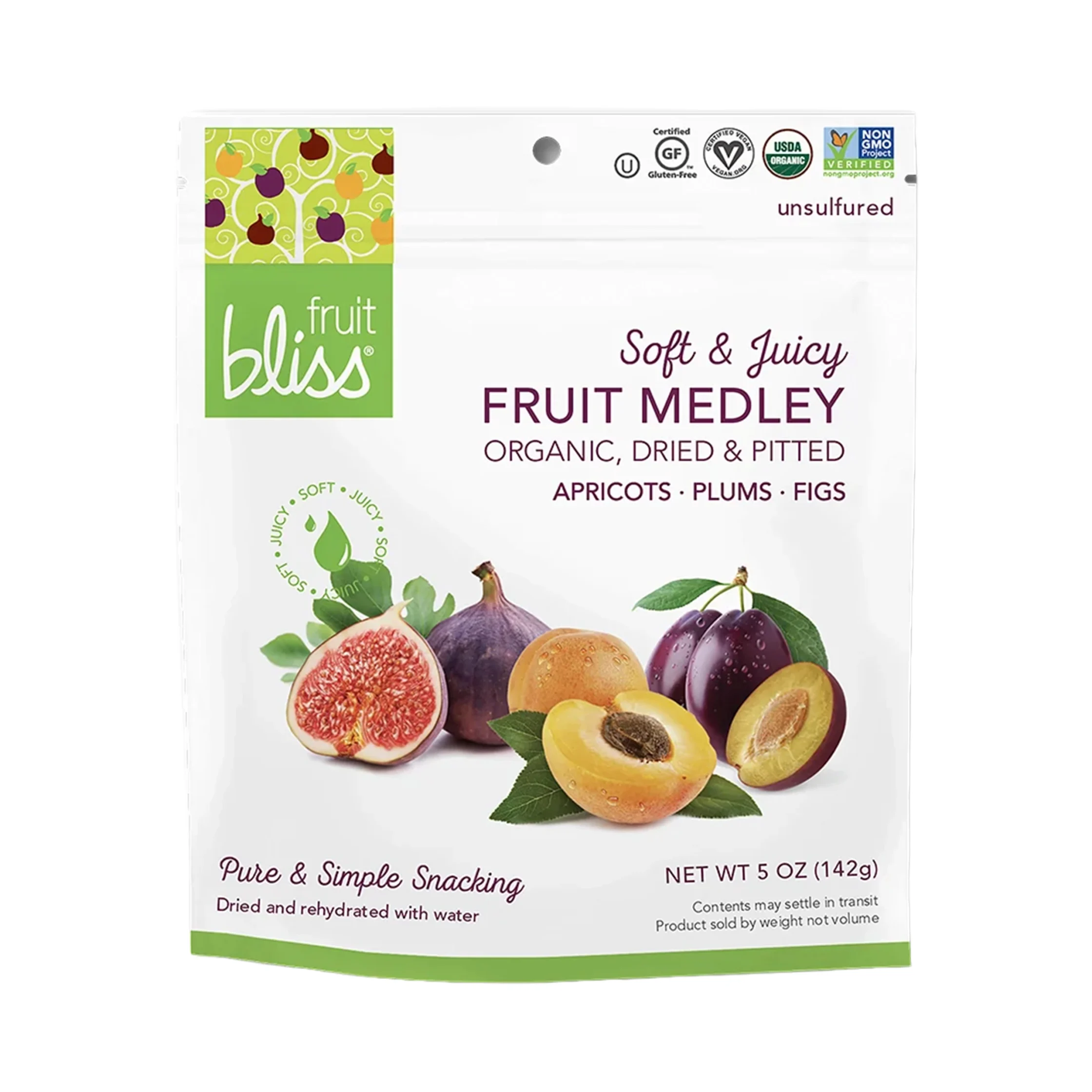

New hikers often prepare for water but forget about food. Long hikes burn through energy surprisingly quickly, and once your blood sugar drops, the trail suddenly feels much longer.
Bring compact, easy-to-eat snacks such as energy bars, nuts, dried fruit, sandwiches, or sweets. The goal is not a gourmet picnic; it’s keeping the engine running. Eat consistently rather than waiting until you are completely exhausted.
Keep Your Pack Light—and Dry
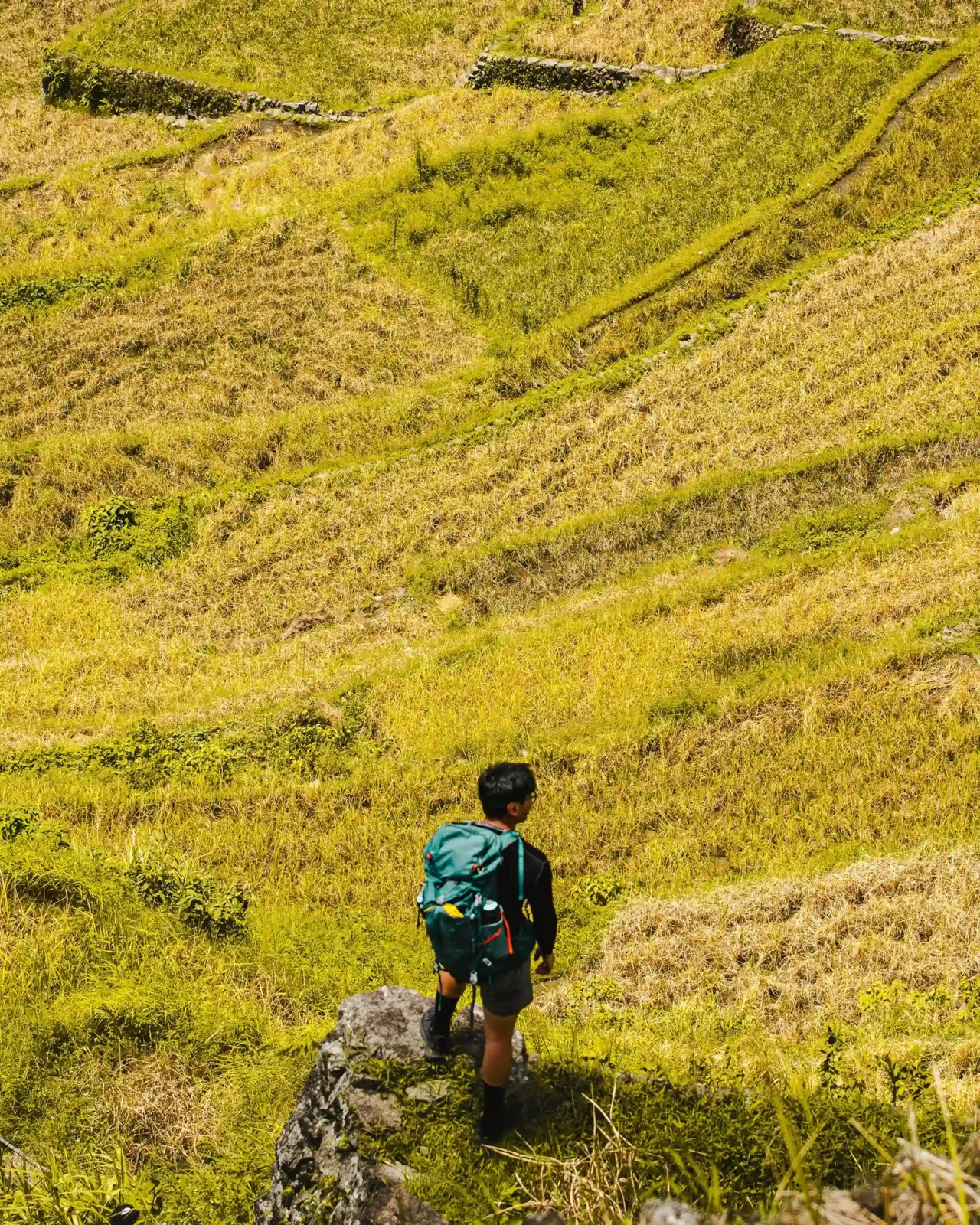
A 15- to 28-liter day pack is a good starting point for most first hikes. Look for something comfortable, lightweight, and ideally water-resistant or compatible with a rain cover. The best backpack is not the one that looks most expedition-ready. It’s the one you barely notice until you actually need something from it.
Don’t Skip the Boring Stuff

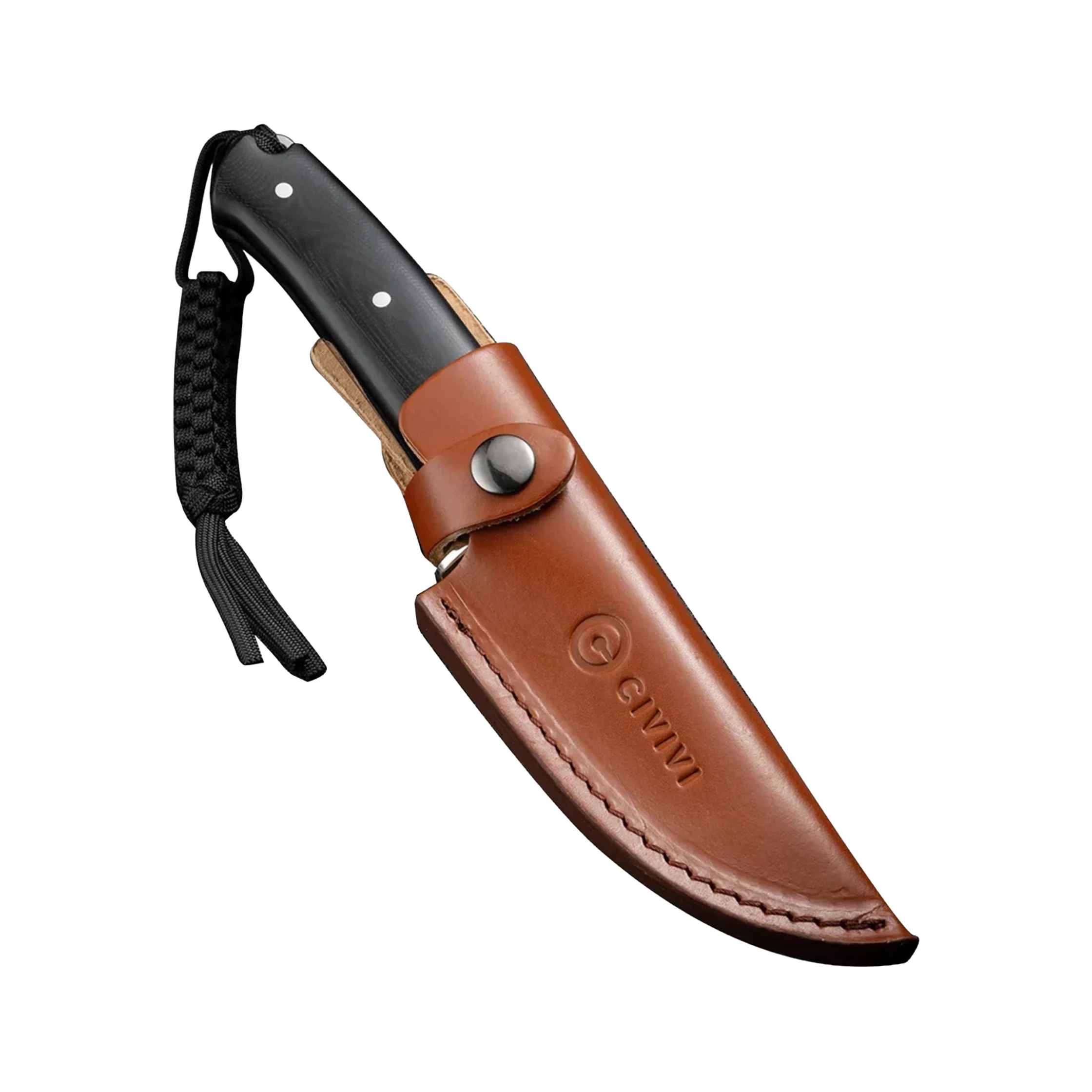
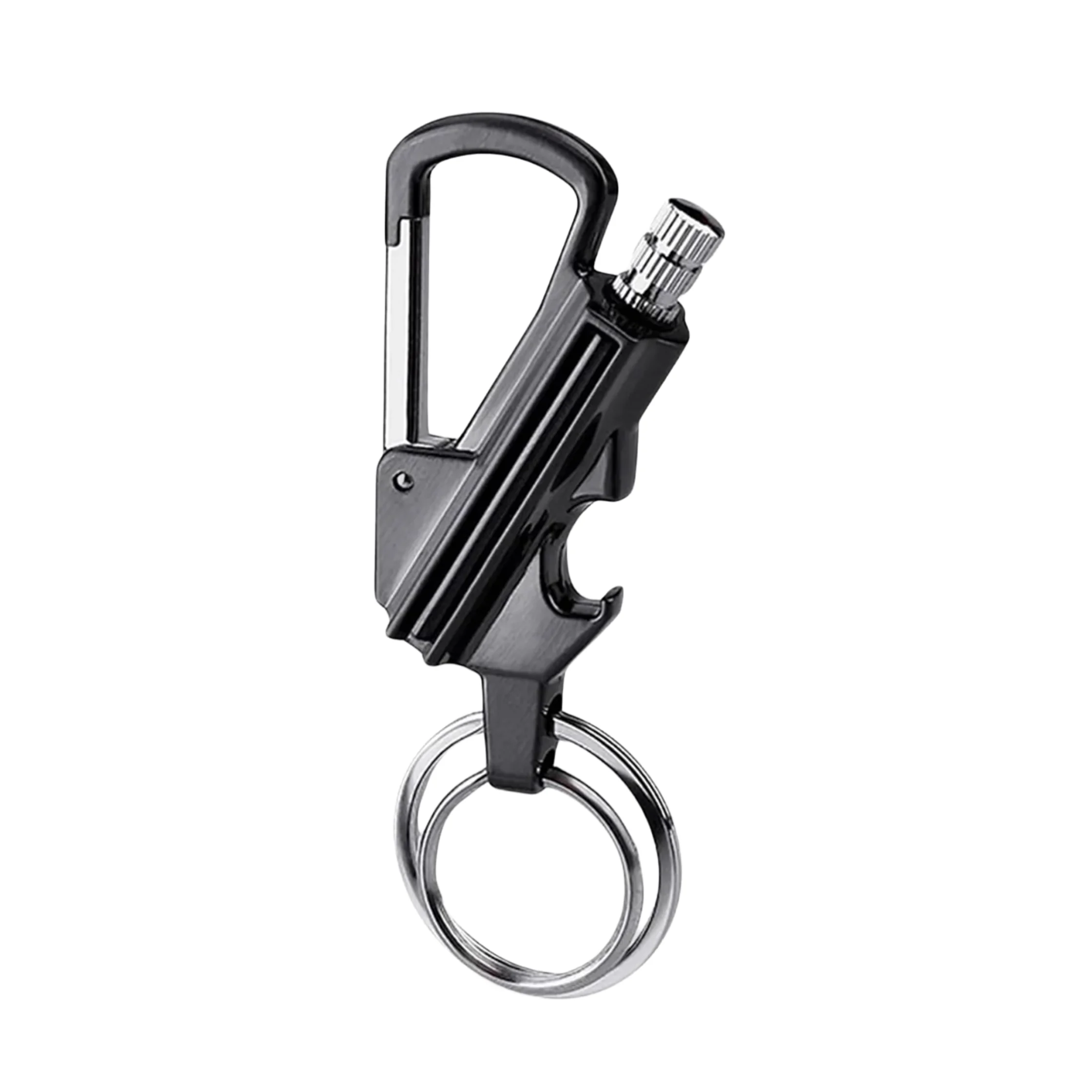
A basic first-aid kit should always make the cut. Blister bandages, antiseptic wipes, gauze, and any personal medication can be invaluable when a small problem develops several kilometers from the nearest road.
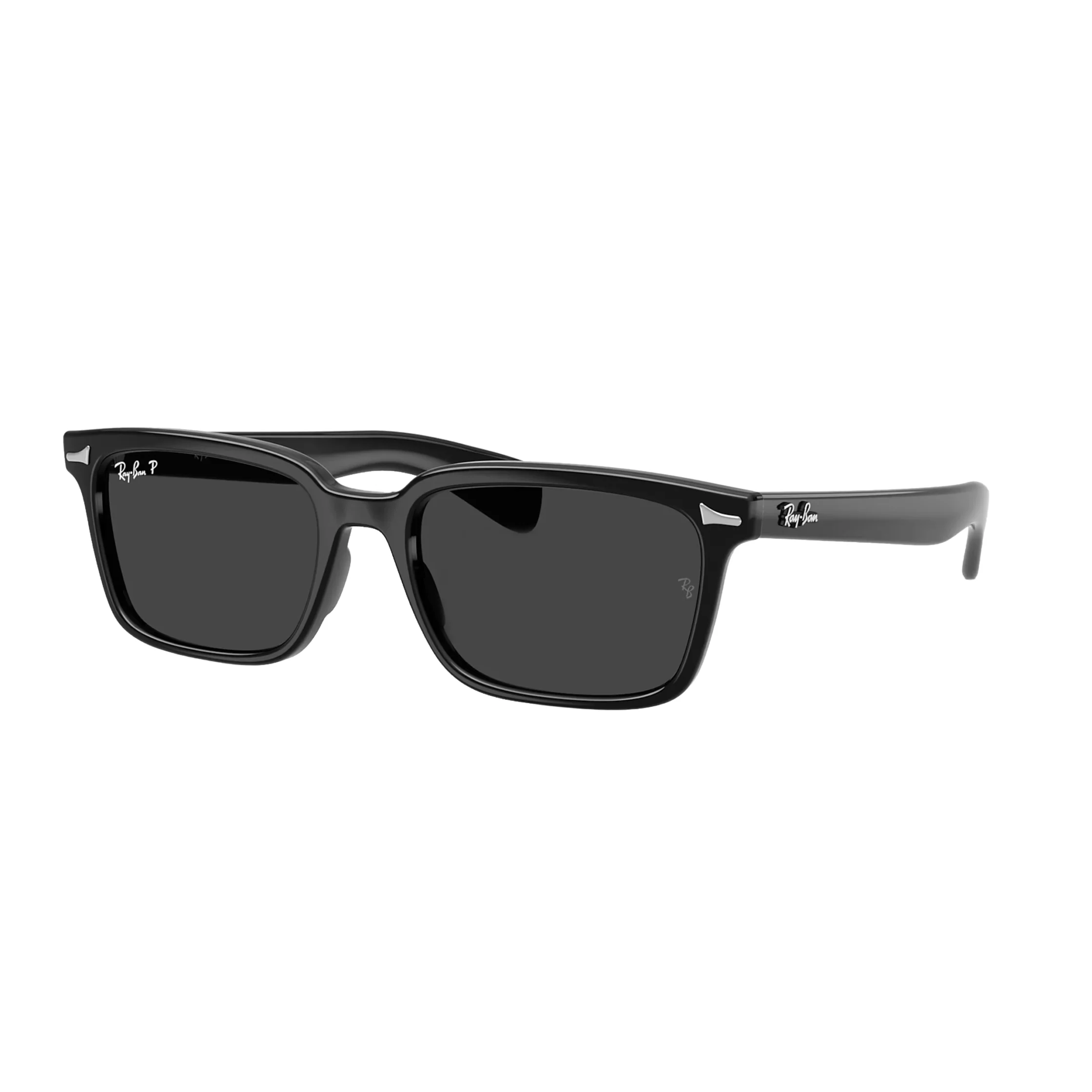
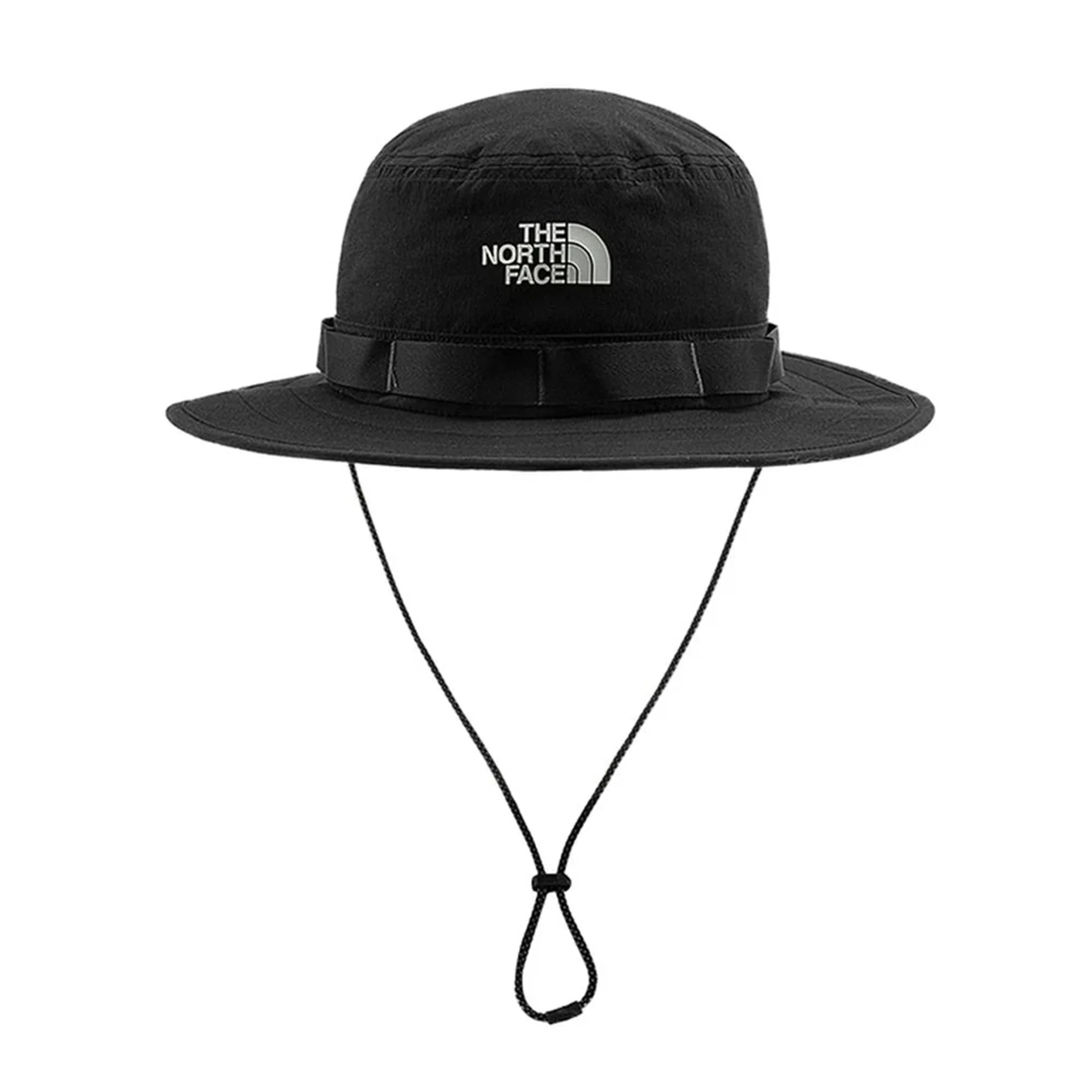
Sun protection matters just as much. Bring broad-spectrum sunscreen, sunglasses, and a hat. Clouds are not a force field against UV rays.
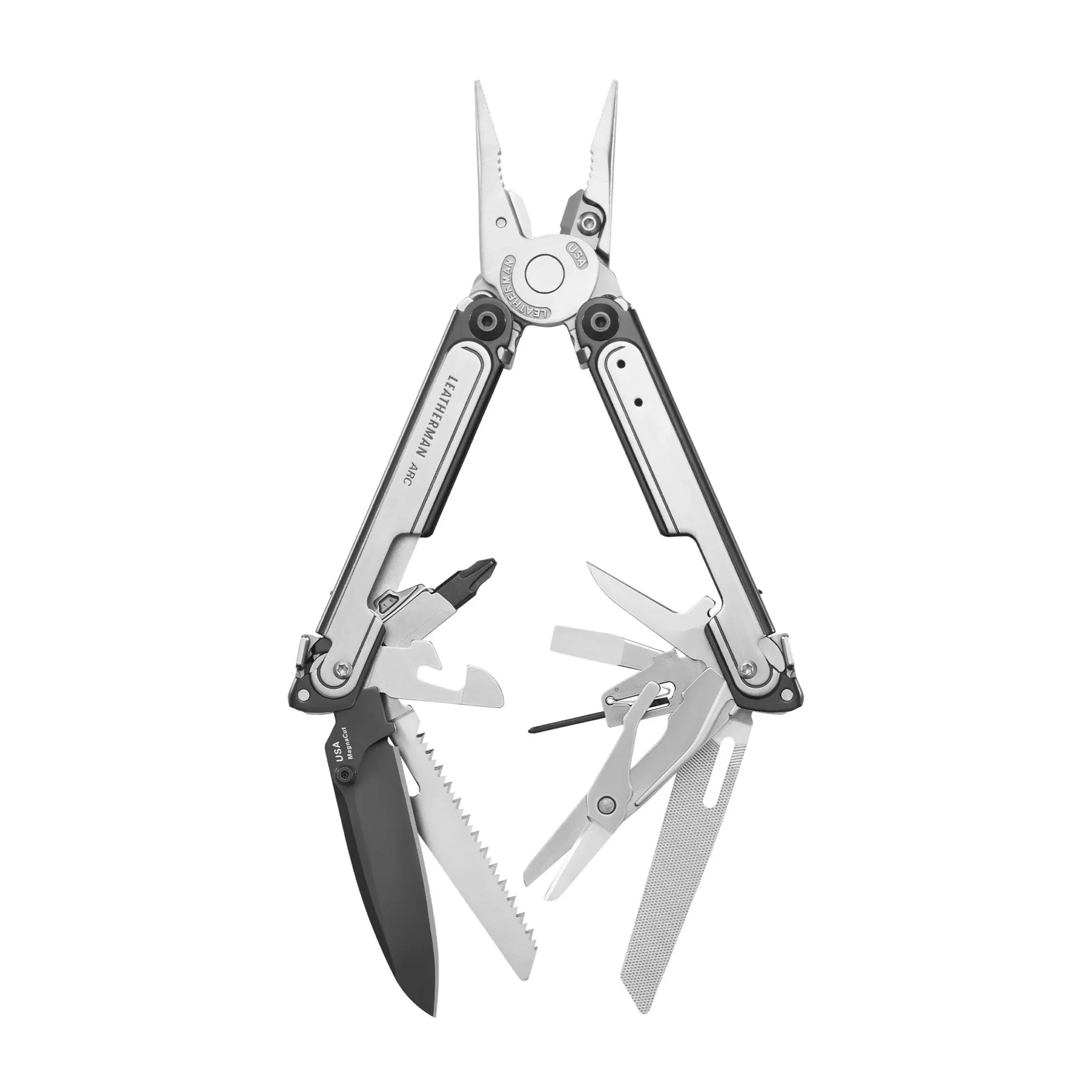
Finally, carry a few emergency essentials, like a lightweight Mylar blanket, a multitool or knife, and a fire starter, matches, or lighter. You may never use them—and hopefully won’t—but that is precisely the point.
The first rule of hiking is simple: respect the mountain enough to prepare for it. The second is to leave room in your backpack for snacks.
Frequently Asked Questions
Bring water, food, a headlamp, proper footwear, weather protection, a first-aid kit, sun protection, and a few emergency essentials.
It depends on the trail. Trail runners work well for lighter hikes, while hiking shoes offer more support and protection on rough terrain.
For most day hikes, a 15- to 28-liter backpack is a good starting point. Look for something comfortable and lightweight, ideally water-resistant or compatible with a rain cover for wet conditions.
Sunrise hikes often begin before dawn, and even planned day hikes can run into delays that push you into darkness. A headlamp keeps both hands free for scrambling or checking your footing.
Even in the Philippines, mountains create their own microclimates, so temperatures can drop sharply at altitude. Pack a lightweight, water-resistant rain shell, plus an extra soft or hard shell for higher or overnight trips.