Summaries were generated by AI. Generative AI is experimental.
Explore other styles:
There is something delightfully ridiculous about how mountaineers choose to spend their weekends. While the rest of civil society sleeps in, lingers over brunch, or recovers from Friday night’s excess, these individuals are usually crammed into a van at some ungodly hour. They wear absurdly technical layers and carry packs dense enough to suggest a permanent departure from civilization. Then, they step out and simply start walking up a mountain.
It sounds particularly unreasonable when you put it that way, which is probably why many hikers develop elaborate explanations for why they do it. But underneath all the gear, training, route planning, and increasingly ambitious itineraries is a fairly simple impulse: they want to see something.
For cinematographer Matt Tiongco, the impulse to climb a mountain is exploration. He talks about the urge to encounter things he does not see in everyday life—new terrain, wildlife, landscapes, people, even food. When he saw snow in Taiwan for the first time, he said he was “laughing like a kid.” His interest in mountaineering grew alongside filmmaking because the mountains gave him access to stories and places he would not find anywhere else.
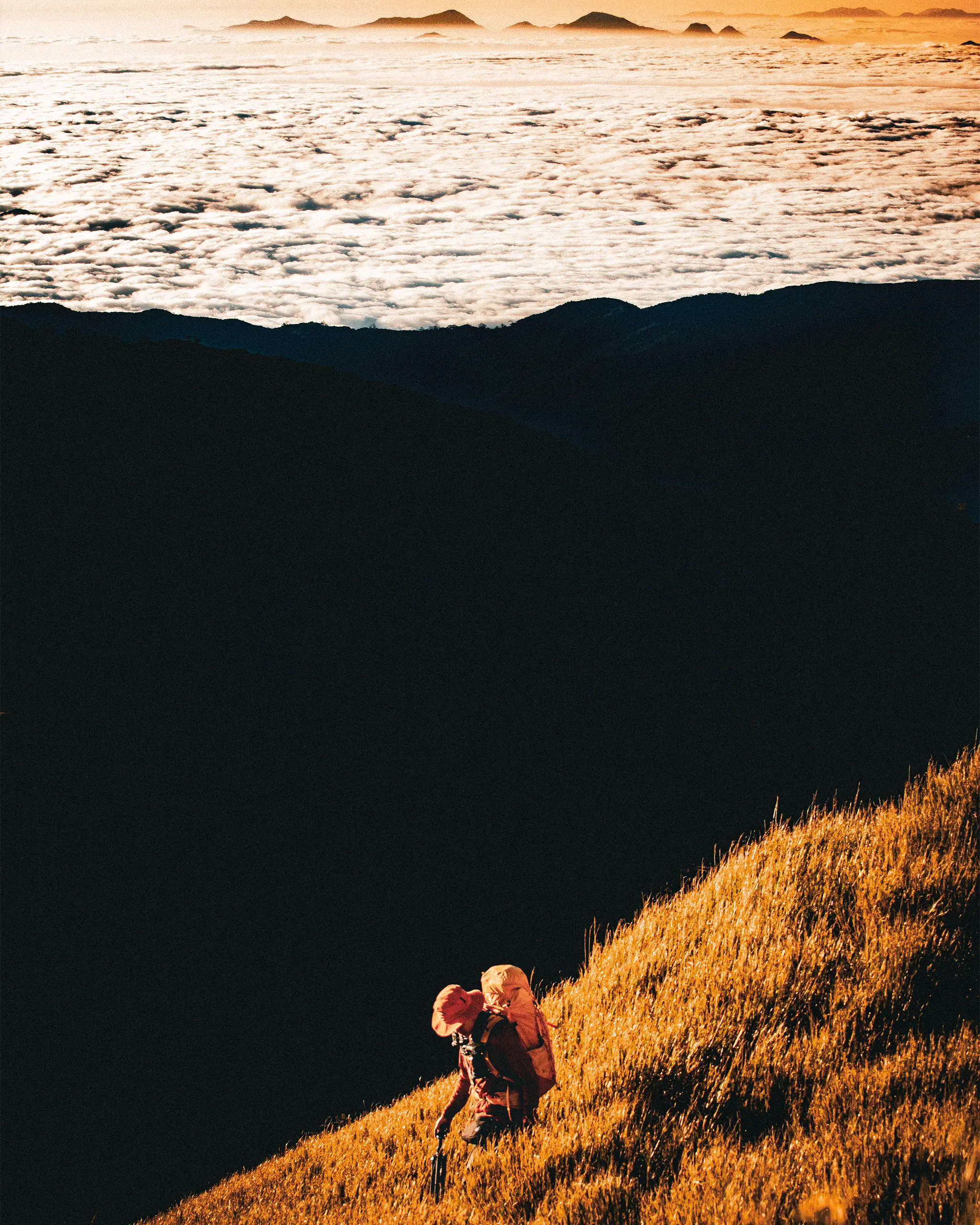
Content creator Mia Azurin came to hiking through a similar curiosity. Growing up in a big family where travel was not always easy, she saw the local mountains as a more accessible way to explore. Her first few hikes were not exactly convincing—Daraitan was a particularly rough introduction—but Batolusong changed her mind. Seeing a sea of clouds for the first time, she says, was when she finally understood why people enjoyed being outdoors.
A trail marathoner outside of his day job, Trei Altarejos found his way there through a different route, with the hobby becoming a form of escape during college. A mountain was a place where he could get away from the city, academics, and everyone’s expectations and simply be with his thoughts. Eventually, the challenge appealed to him too. Having spent much of his life as an athlete, he liked pushing his boundaries and asking the slightly dangerous question that tends to follow every successful climb: “What’s next?”
It is a psychological progression familiar to anyone who gets hooked. You conquer Mt. Pulag and assume your appetite for clouds is sated. Then a veteran whispers about harder trails. Suddenly, you find yourself on Mt. Guiting-Guiting—the jagged, notorious crown jewel of Romblon. Then comes Taiwan, Indonesia, and for the truly unhinged, the seismic ridges of Nepal. You find yourself bargaining for your next peak while still nursing the blisters of the last one. Tiongco characterizes it as a “healthy vice”—the rare kind of punishment that leaves you feeling so altered upon completion that you immediately seek out a harsher iteration.
For Azurin, getting better is also part of the fun. She noticed that the more she hiked, the less her body complained the next day, which became its own form of progress. The challenge gradually increased, from minor hikes to major ones, because she wanted to find out what she was capable of. She also likes the fact that the hardest trips eventually become the funniest stories. The suffering is temporary; the memories tend to have much better shelf life.
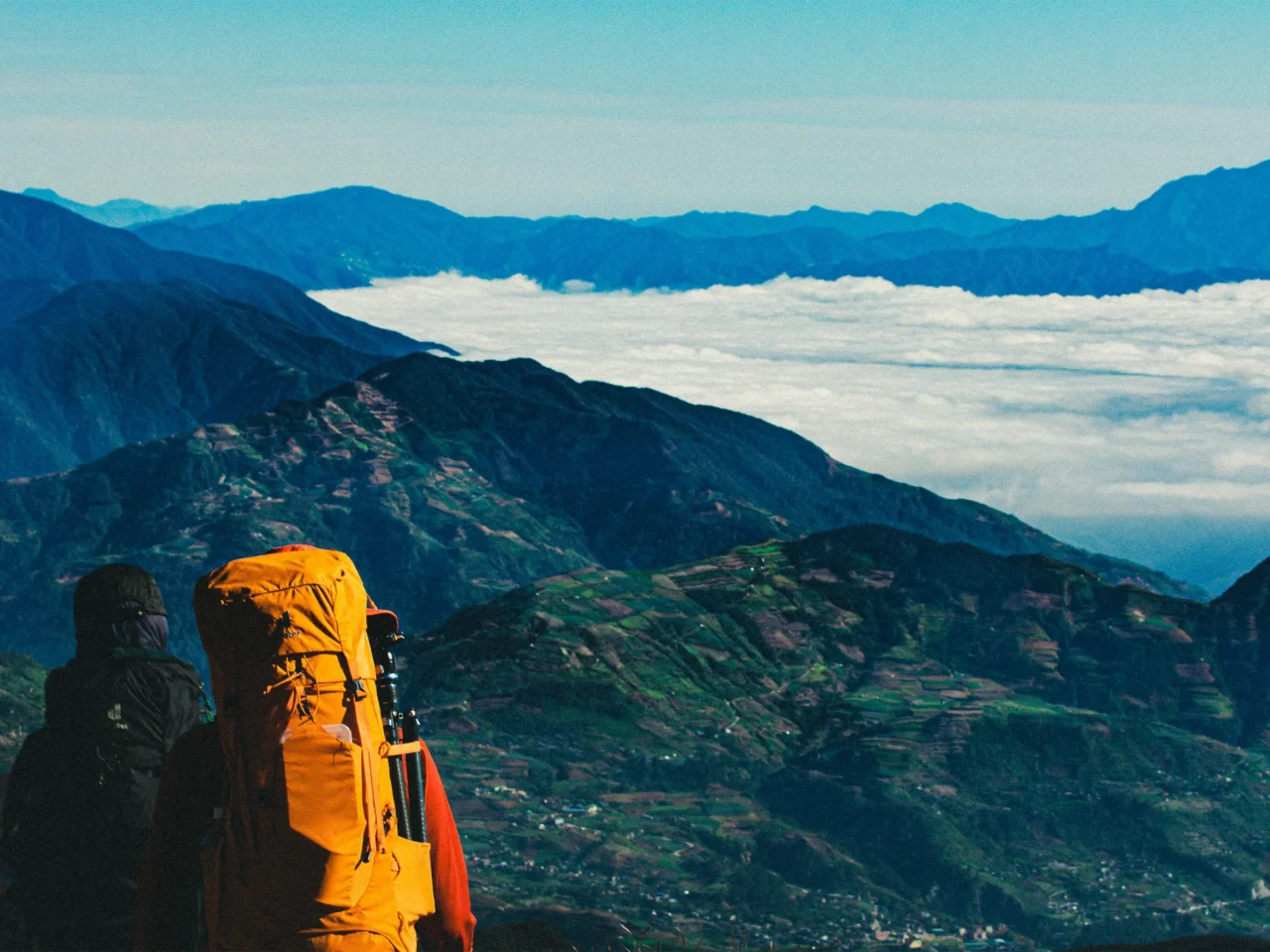
The other thing that keeps people climbing is that, despite all the photographs of solitary figures standing heroically on mountaintops, hiking in the Philippines is often a remarkably social activity. Tiongco points out that people share vans, cook together, eat together, and help carry one another’s packs. “It’s really a team sport and a social activity for me,” he says. Trei echoes the sentiment that the community has become one of his favorite parts of hiking in the Philippines. He has met some of his closest friends through it, including people he might never have encountered otherwise. There is also something about struggling through the same long trail that speeds up friendship. After enough hours of rain, hunger, bad jokes, and questionable trail decisions, everyone has usually dropped whatever pretense they arrived with.
Each of the mountaineers makes a distinction between hiking abroad and hiking at home that feels particularly telling. International trips can feel like expeditions, while Philippine hikes feel like home. There is a familiarity to the people, the community, and the knowledge that there will probably be someone around who can help if you need it.
Then there is the country itself, which might be the most convincing reason of all to keep going.
We tend to sell the Philippines through its beaches, which is understandable considering we have plenty of excellent ones. But the mountains offer another version of the country, one that is greener, quieter, and often considerably harder to get to.
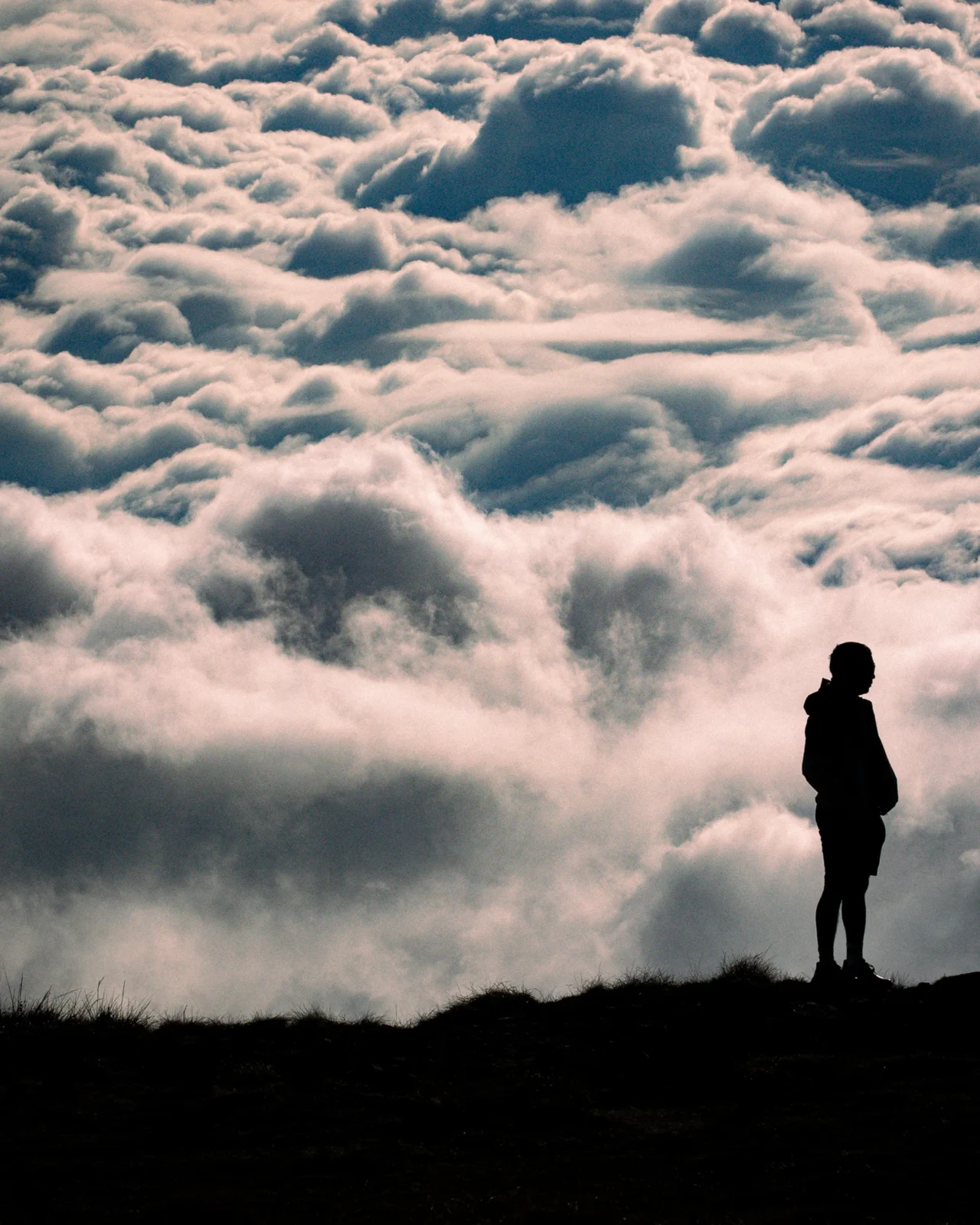
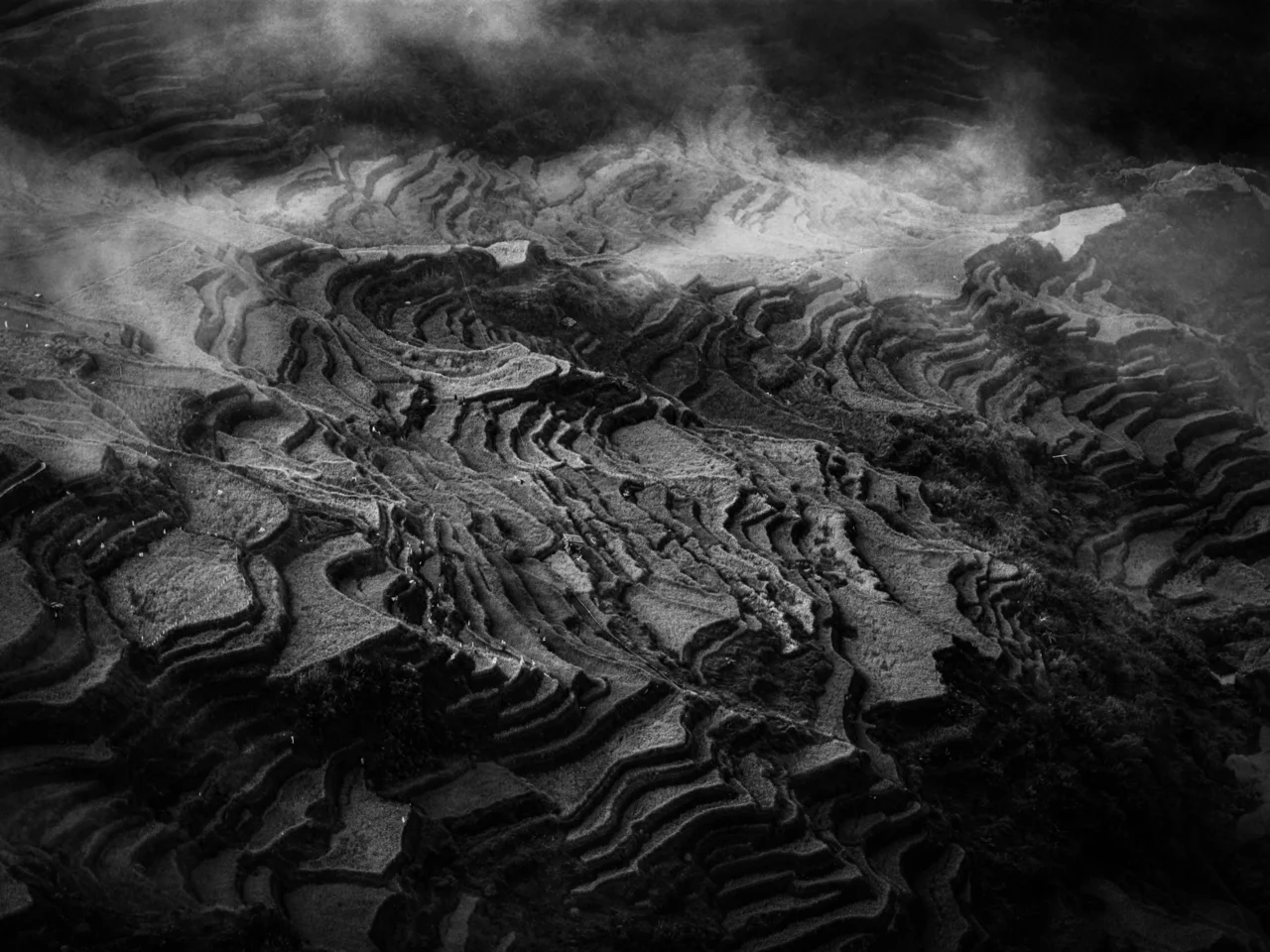
Discovering places such as the Kayapa Trilogy in Nueva Vizcaya and the Kibungan cross-country (which traverses four provinces in Luzon) makes travelers realize just how much of the Philippines they had never seen. Some of the landscapes looked so unfamiliar that people often think they would need to fly to New Zealand to experience something similar. Altarejos has traveled through around 50 of the country’s 82 provinces, and he finds that the view from a mountain can completely change his understanding of a place he thought he knew. The same province can look one way from the highway and another from several thousand feet higher.
That change in perspective follows you home, too. Azurin says the mountains make everyday concerns feel smaller, especially after spending hours outside with nothing to concentrate on except your next step, the usual frustrations of traffic, work, and daily life can seem much less overwhelming. Hiking gives her a chance to breathe, disconnect, and return with a slightly different perspective. There is also the delightful recalibration of comfort. After sleeping on the ground and walking for hours in the rain, a small hotel room suddenly feels luxurious. A bunk bed is a blessing, and a hot meal can occupy your thoughts for an embarrassing amount of time. They say this shift changes your standards for comfort, noting that getting outside your comfort zone makes you appreciate everything else a little more.
Of course, the mountains still demand preparation. Each of the three mountaineers agrees that anyone who gets into the sport should understand what they are taking on and train accordingly. One of the biggest lessons mountaineering teaches you is knowing your limits so you can keep doing what you love. For example, Alterejos’ goal isn’t to climb the biggest mountains out there, but to keep climbing for as long as he can. Sometimes, that means turning back and trying again another time.
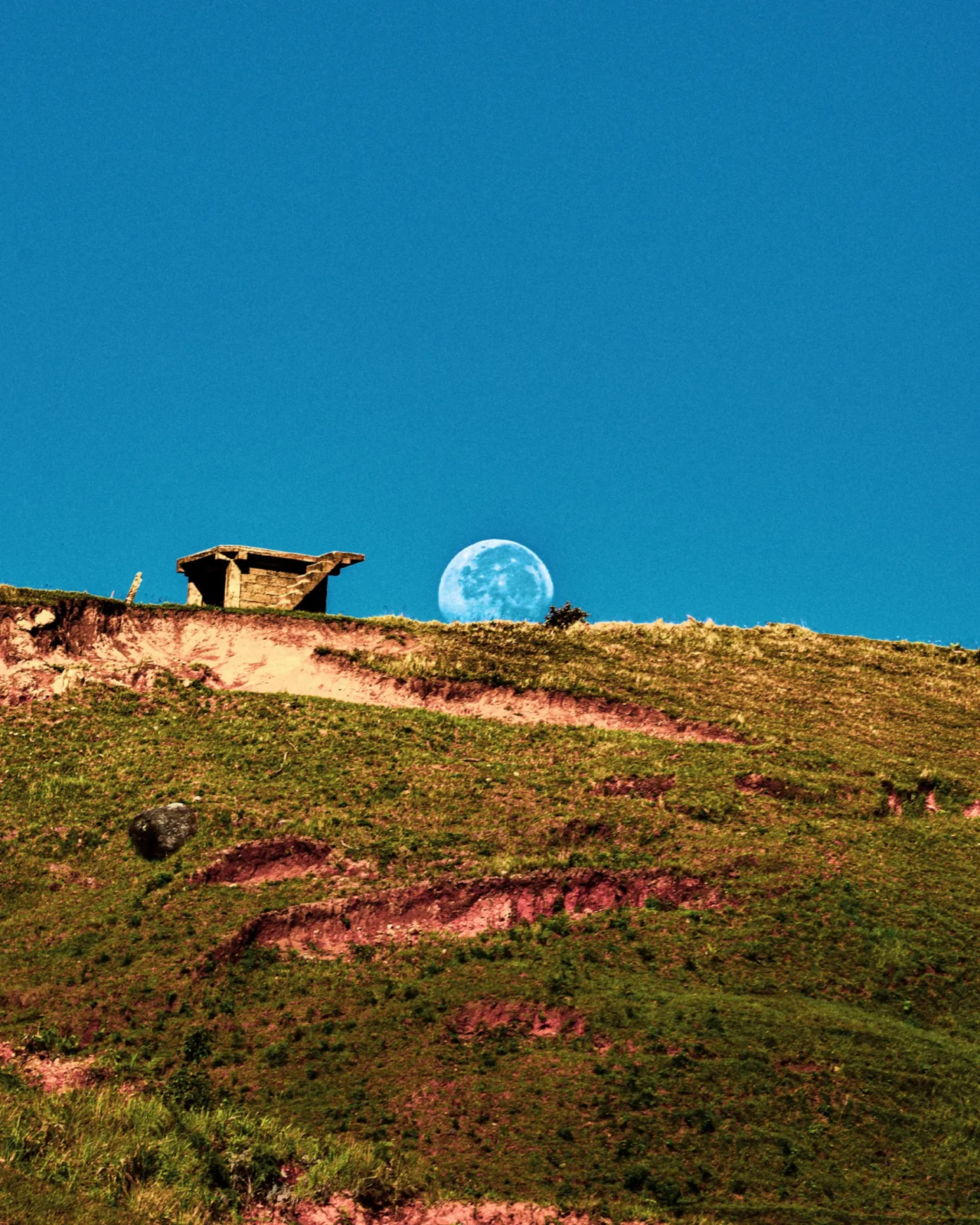
It is easy to see why the addiction takes hold. The horizon is infinite; there are always more ridges to map, more strangers to turn into confidants, and more physical limits to break. You return to the city broken, sunburned, and caked in mud—only to find yourself opening a trail map three days later.
For a hobby that involves so much walking uphill, it gives you plenty in return. And the strange thing about climbing is that the higher you go, the less important the summit can seem. You start by wanting to get somewhere. Eventually, you realize that the real reward is seeing everything differently on the way there—and coming home with a little more curiosity about where you might go next.
Frequently Asked Questions
Mountaineering is the sport and pursuit of climbing mountains, often involving challenging terrain, extreme weather, and high altitudes.
Mountaineering offers a mix of adventure, physical challenge, community, and the chance to experience the Philippines from a different perspective.
Yes. Mountaineering requires preparation, training, and an understanding of your physical limits, especially on more challenging trails.