Summaries were generated by AI. Generative AI is experimental.
Explore other styles:
There was a time when fitness in the Philippines came with familiar images: treadmills facing television screens, crowded aerobics classes, and the annual promise of a “summer body” that rarely survived the rainy season. These days, however, something has shifted.
Across Metro Manila and beyond, exercise has become increasingly social, less punishing, and perhaps surprisingly, more playful. On weekends, you would often catch run clubs gathering before sunrise. After a day’s work, pickleball courts are now a common third space and have become fixtures in commercial districts. Even hybrid competitions like HYROX found their following among Filipinos looking for new ways to move.
These days, fitness no longer demands peak athleticism; it only asks that people show up.
The changes unfolding locally mirror a broader transformation happening around the world. According to a report by McKinsey titled “What is the future of wellness?,” the space has evolved beyond traditional notions of diet and exercise into something far more expansive. “We knew that consumers were increasingly treating wellness as a priority,” said McKinsey partner and consultant Anna Pione. “What surprised us and continues to surprise us every year is how much of a priority it is.” That shift reflects how people choose to exercise. Increasingly, movement is leaning more toward sustainability.
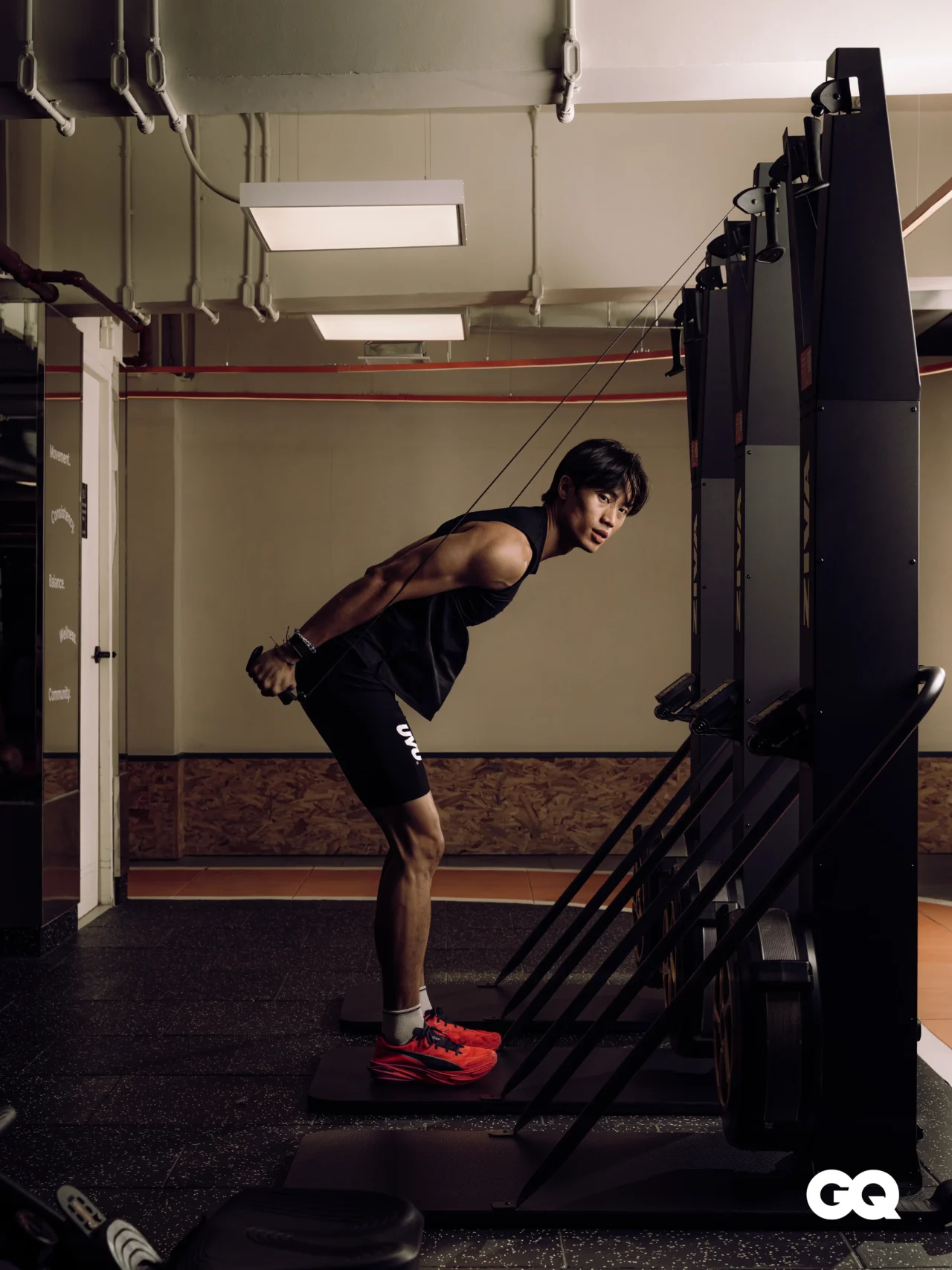
Perhaps no trend illustrates that better than the rise of running. Fitness content creator and athlete Dana Sabijon, who only began taking it seriously while preparing for HYROX, says its appeal lies in how easy it is to start. “Running is incredibly accessible,” she said. “You don’t need a gym membership, a team, or even a lot of equipment to get started.” In a country where entry points into fitness have often felt intimidating, this accessibility matters.
According to ClassPass’s annual report, Pilates has also remained the most-booked workout globally for the third consecutive year, while low-impact training and racquet sports posted some of the largest gains. More revealing than the numbers themselves is what they suggest. “This year’s data shows how strongly people value in-person experiences that support holistic wellness,” said Fritz Lanman, chief executive officer of ClassPass’s parent company.
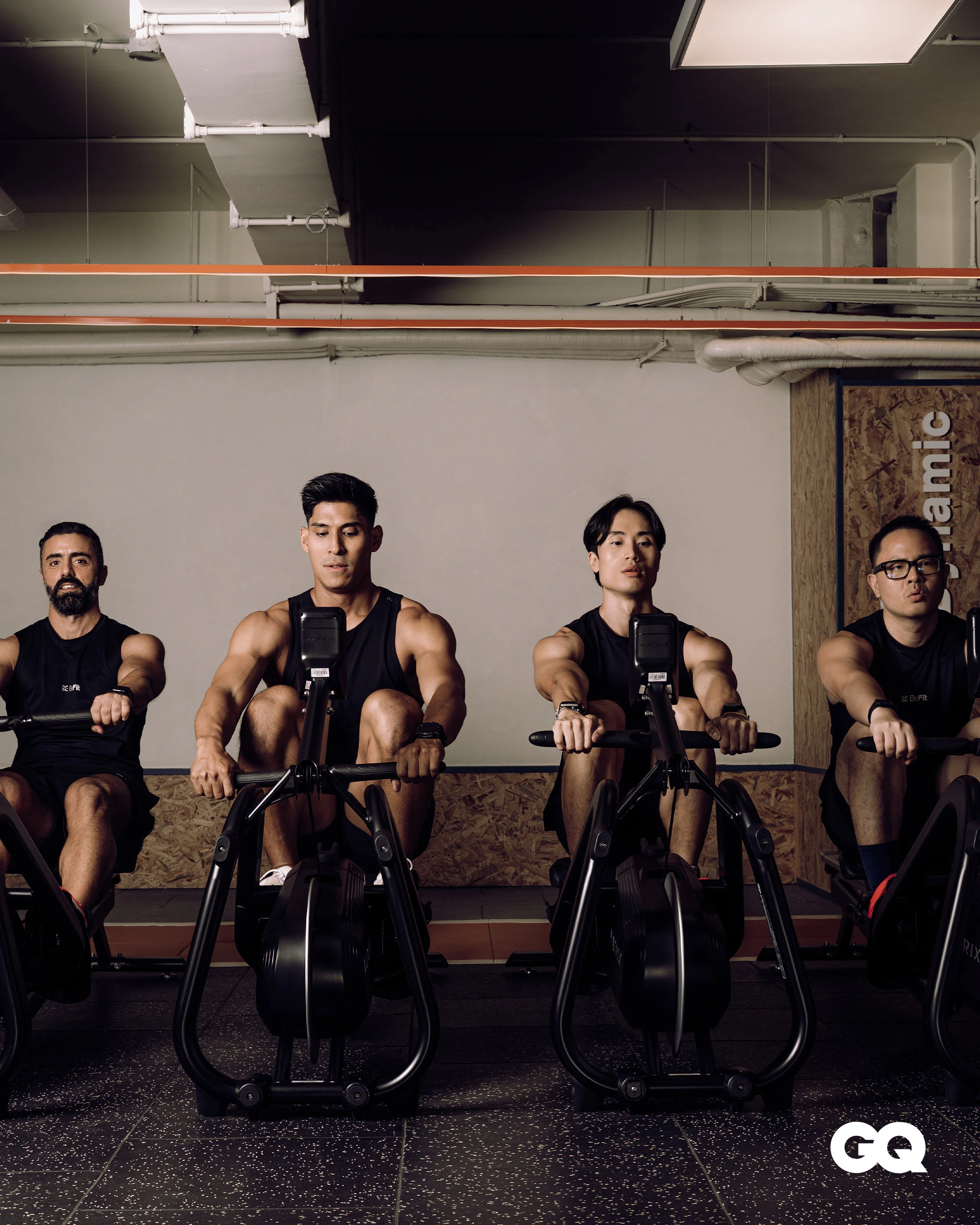
The emphasis on community can be felt across the Philippines. Running groups have multiplied. Boutique fitness studios have become gathering places. Sports once considered a niche interest or hobby have now entered the mainstream.
For Sabijon, that shift is what sets today’s running culture apart from the one that came before it. “It feels much more social now,” she said. “I used to see running as something only serious athletes would do. Today, there are run clubs, community events, and races for every level. It’s become more welcoming and less intimidating for beginners.”
This emphasis on community has also contributed to the flourishing of pickleball by removing many of the barriers associated with more competitive sports. Players of different ages and skill levels can share the same court, transforming exercise into something social rather than solitary. Meanwhile, the popularity of Reformer Pilates reflects another evolution. The workout’s appeal extends beyond physical transformation. Journalist Emine Saner wrote in The Guardian that enthusiasts become drawn to the discipline because of its focus on posture, mobility, and rehabilitation, as well as the sense of community that keeps practitioners returning.
Even high-intensity events like HYROX reveal a similar desire. Participants train together, share milestones online, and treat competition as an extension of community. Sabijon says this is part of what keeps people involved long after their first race. “Motivation comes and goes,” she says, “but having people who encourage you, celebrate your progress, and show up consistently makes it easier to keep showing up too.” She added that after her first HYROX race, she signed up for a half marathon almost immediately. “I realized I needed something to work toward.”
What emerges is a different understanding of fitness altogether. Social media may help people discover the latest run club or race, but it is the in-person experience that makes them stay. “Social media gets people through the door,” she adds. “Community is what makes them stay.”
Years ago, exercise often revolved around punishment disguised as discipline. Today’s culture appears gentler, more social, and more integrated into daily life. People no longer simply chase outcomes; they search for more sustainable routines. And in a country where community has always been one of its defining values, perhaps it was inevitable that fitness would evolve into another place where people gathered.
Frequently Asked Questions
Running has become popular because it’s highly accessible: you don’t need a gym membership, a team, or much equipment, just a willingness to start, making it an easy entry point into fitness culture.
Pickleball removes many barriers associated with more competitive sports, letting players of different ages and skill levels share the same court, turning exercise into something social rather than solitary.
Social media gets people through the door by helping them discover the latest run club or race, but it’s the in-person community and consistent encouragement from others that actually keeps them coming back.
According to ClassPass, Pilates has been the most-booked workout globally for three consecutive years, with enthusiasts drawn to its focus on posture, mobility, rehabilitation, and the community built around it.
HYROX participants train together, share milestones online, and treat competition as an extension of community, with many saying consistent encouragement from others is what keeps them showing up long after their first race.