
Summaries were generated by AI. Generative AI is experimental.
Explore other styles:
There are few clearer signs of cultural change than what people choose to do at 5:00 a.m. There was once a time when weekends in Metro Manila belonged to late nights and even later mornings. Today, they belong to carbon-plated racing shoes, electrolyte packets, and coffee shops filled with runners comparing splits and recovery times before the rest of the city has even woken up. Friend groups now organize their social calendars around long runs; and vacations are even being planned around race registration dates. The syntax of pace and mileage has entered everyday conversation. Running, and marathons in effect, have evolved from a fitness goal into a growing subculture.
To call it a running boom almost feels insufficient. A boom implies novelty, a temporary spike in interest waiting to level off once the next trend arrives. What has happened instead feels closer to migration. Former basketball players have become marathoners. Weightlifters have started tracking their Zone 2 sessions with the same intensity they once reserved for squat numbers. Even strength athletes have found themselves gravitating toward endurance sports, discovering that fitness no longer has to exist within rigid categories.

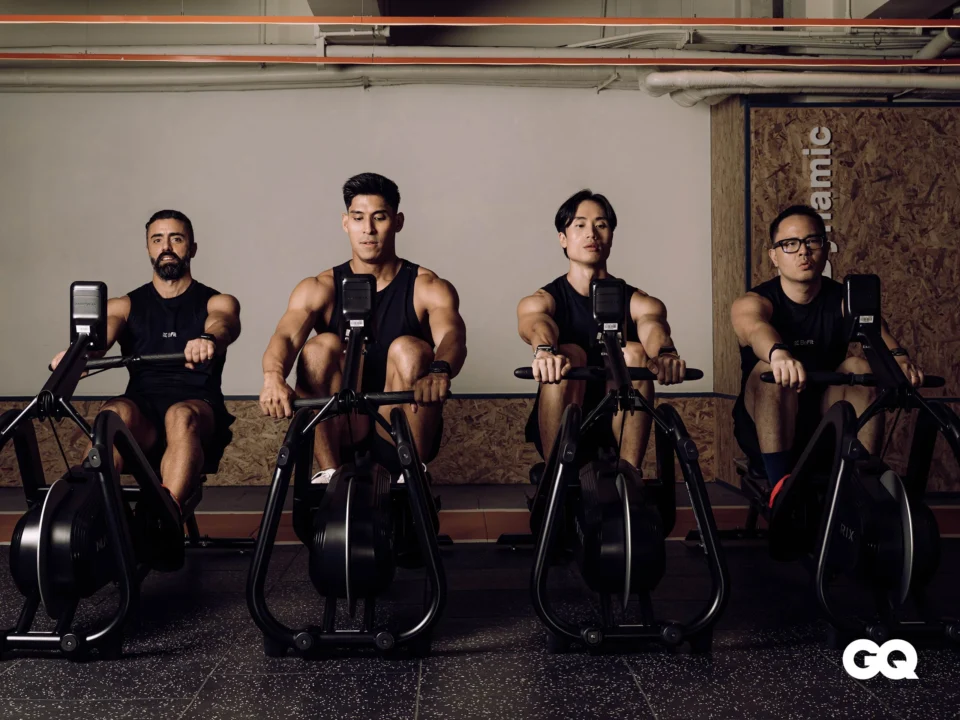
Coach and athlete Dan Hilaria understands that transition well because he lived it himself. Hilaria’s athletic background wasn’t in distance running. He first competed in triathlons before spending five years in Spartan races, eventually transitioning to HYROX, the rapidly growing fitness competition that combines running with functional movements and heavy lifts. He believes that running was never the destination, but it was the cost of admission for the sports he wanted to pursue.
“I actually didn’t like running,” he says matter-of-factly, but Spartan races demanded it, and HYROX races weren’t any different. So for Hilaria, learning it felt like a necessity.
The turning point in his career came a few years ago while joining a run dedicated to his grandfather during a hospitalization. The experience eventually led him to join a 50-kilometer run from Parañaque to UP Diliman alongside members of the running community Run With Passion. It was during that period that he stopped viewing running as content, business, or athletic performance and started seeing it as something far more personal.
“As cliché as it sounds, I believe running is a language,” Hilaria says. The phrase sounds sentimental until you spend enough time around runners and realize how often they speak about the sport in almost identical terms. Running is a shared vocabulary—a universal handshake between strangers. If two people run, barriers drop, and a city becomes legible through the routes carved into it. Communities form around movement, not geography.
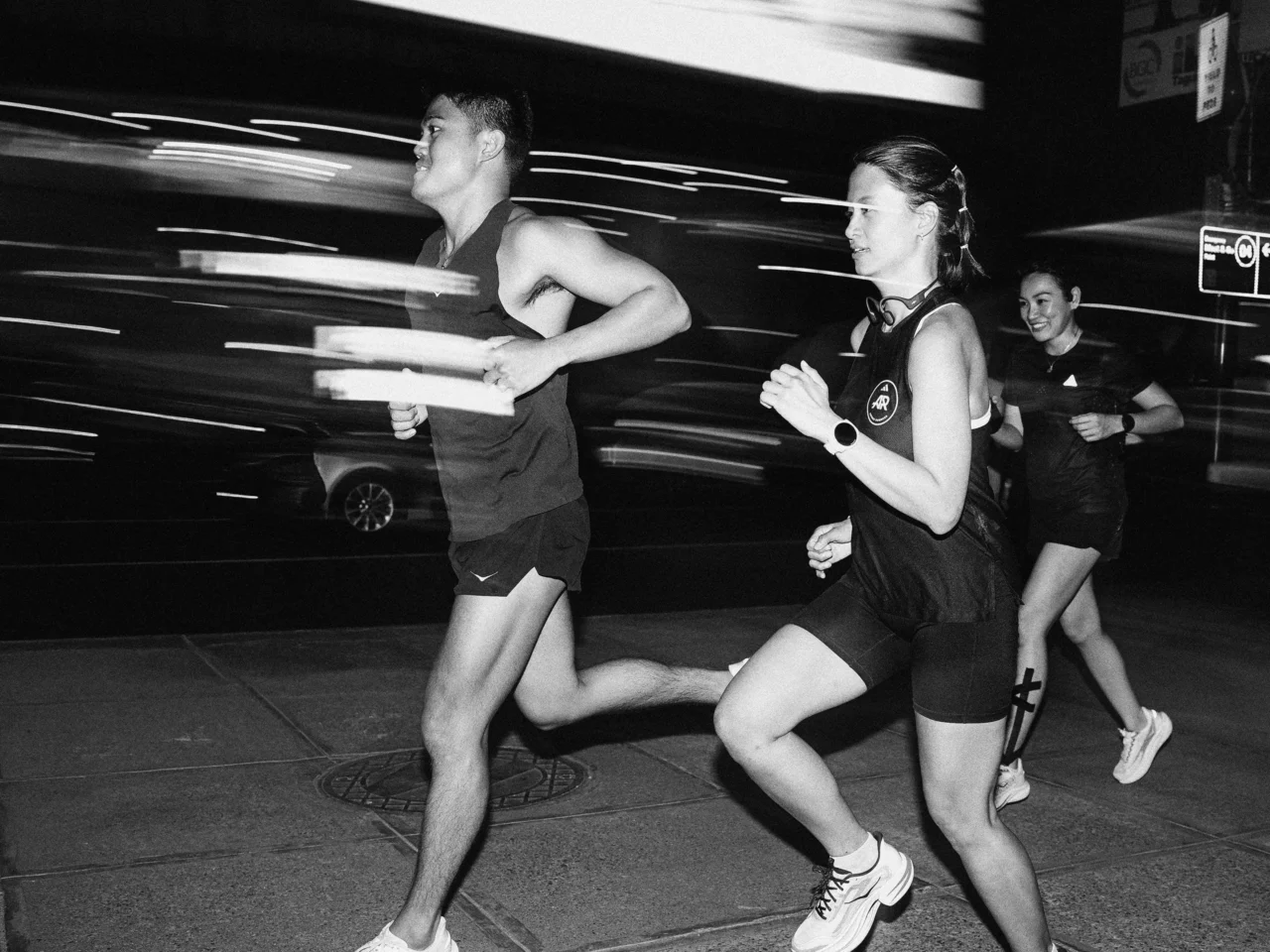
The irony is that running is among the most individual sports imaginable while simultaneously creating some of the strongest collective identities in modern fitness culture. Part of the appeal is physiological. The so-called runner’s high has long been documented, that elusive point somewhere between suffering and surrender where discomfort gives way to rhythm. Hilaria describes it as arriving roughly fifteen to thirty minutes into a session.
As a runner myself, I agree that the first few kilometers are often miserable. The legs feel heavy, breathing feels labored, and every part of the body seems intent on negotiating an early finish. But once the body settles into a rhythm and breathing becomes automatic, the mind quiets down. For many runners, that feeling is enough to keep coming back. While for others, the addiction lies in progress.
There are few experiences in adult life that offer such clear and immediate proof that effort works. A forty-minute 5K eventually becomes thirty-five minutes. Thirty-five becomes thirty. And in an era where professional advancement, financial milestones, and personal goals often feel increasingly abstract, running offers a simple equation. Put in the work and the numbers move. That probably explains why marathons have become part of the bucket list for an entire generation.
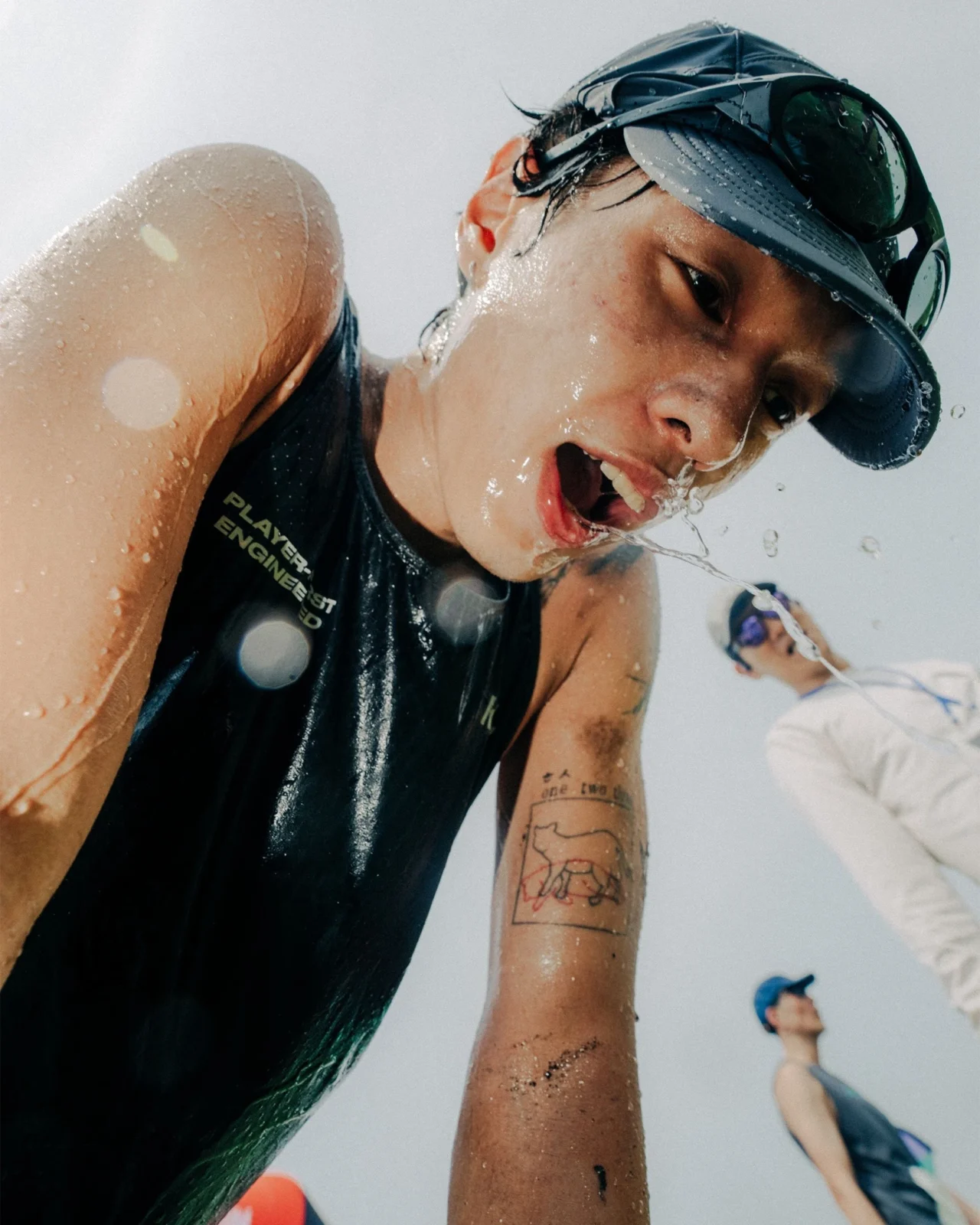
Increasingly, achievement now looks like a race bib pinned to a shirt at dawn and a finisher’s medal waiting at kilometer 42. The marathon occupies a strange space in modern life because it is simultaneously insignificant and deeply meaningful. Running a few kilometers changes nothing tangible about a person’s circumstances, yet anyone who has crossed that finish line will argue that it changes everything else.
Hilaria’s own first marathon came almost accidentally after receiving a complimentary race entry while serving as a Spartan ambassador in Vietnam. He finished his first marathon in four hours and eleven minutes despite admittedly lacking proper marathon preparation. “Forty-two kilometers is never easy,” he says, but he’s already signed up for the next one.
And I believe that might be the clearest symptom of marathon addiction. Nobody willingly puts themselves through months of training, hours of discomfort, and the physical toll of race day only to decide they never want to do it again. More often than not, the finish line quickly becomes another starting line. Da Nang becomes Tokyo, and Tokyo becomes Manila. “When I travel now, I always bring shoes,” Hilaria says. “Running has become my way of understanding a city.”
Perhaps that is the most interesting part of this entire movement. It changes relationships with places and communities, time, and with oneself. Maybe that is what people are really chasing when they sign up for another race despite promising themselves they wouldn’t. Not the medal, not the personal best, and not even the marathon itself. Just the possibility that somewhere between kilometer 1 and kilometer 42, they might discover a slightly stronger version of themselves waiting at the finish line.
A version of this story appears in the September 2026 issue with the title “Runner’s Republic”
Frequently Asked Questions
Running has grown beyond a fitness goal into a thriving subculture. From run clubs to race tourism, more Filipinos are embracing endurance sports as a way to build community, challenge themselves, and experience new places.
Run clubs give people a sense of community and accountability while making running more social. They also provide opportunities to meet new people, explore the city, and train for races together.
Many runners find satisfaction in seeing measurable progress and pushing their limits. For others, completing one marathon simply inspires them to sign up for the next, making the finish line the start of a new goal.
Dan Hilaria is a coach and athlete who transitioned from triathlons and Spartan races to HYROX and marathon running.
The runner’s high is the shift from early discomfort to a steady rhythm where breathing becomes automatic, arriving fifteen to thirty minutes into a run, according to coach Dan Hilaria.