Summaries were generated by AI. Generative AI is experimental.
Explore other styles:
SPOILER WARNING: This review may contain spoilers for the film Clayface.
“My career, my life—it is gone!” Matt Hagen’s anguished declaration in Batman: The Animated Series has always made Clayface a tragic member of Batman’s rogues’ gallery.
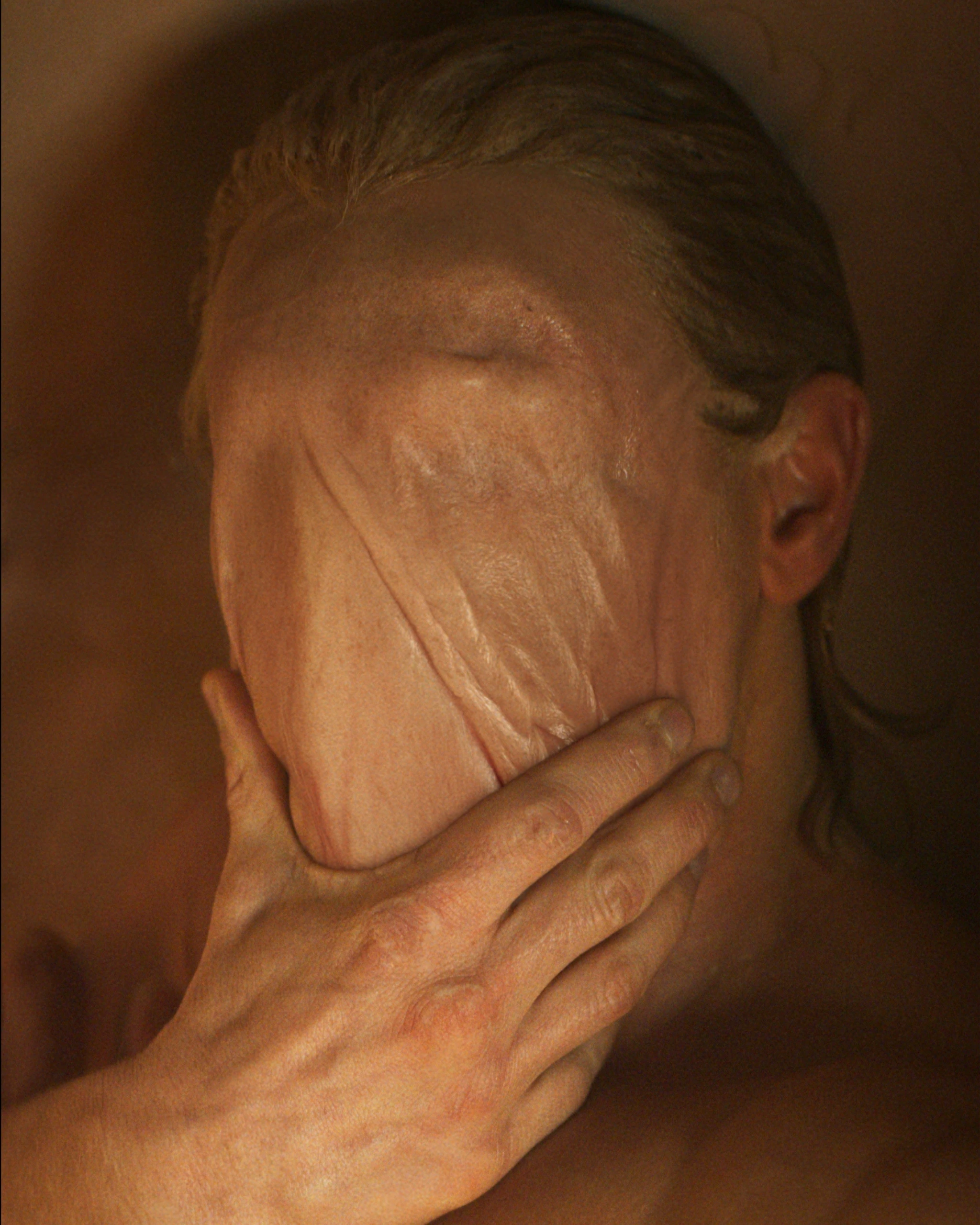
He is a man who loses his face, his livelihood, and the thin line between the two. James Watkins’ film, scripted by Mike Flanagan and Hossein Amini, takes that old wound and presses a thumb into it, turning a shape-shifting villain into a gooey nightmare about the cost of being seen.
The film begins with Hagen, played by Tom Rhys Harries, getting carved up by Marko Szabo, a Gotham gangster. Hagen is an actor, and his face is his ticket back to the business that has made him feel like somebody. Desperate to get it back, he turns to Dr. Caitlyn Corr (Naomi Ackie), whose experimental treatment promises to repair the damage. And it does. The catch is that the living, clay-like substance involved has its own ideas about what a face should be.
Clayface has worn plenty of tones. In the Harley Quinn animated series, he can be a theatrical goofball; in the Arkham games, he is a hulking horror show. Watkins leans hard into the latter and makes the body feel treacherous. The actor’s face begins to slide during a public appearance, and a turbulent flight forces him into an eye-watering bit of self-surgery as he peels skin away from his eyes. The movie is full of wet, fleshy effects and blood that seems to have a personal grudge against the audience.

The gore works because Hagen’s body has always been his profession. Actors are asked to become other people for a living, and the film’s lead has built his identity around doing exactly that. Under the clay, the question that haunts him is simple: who is he when he cannot play himself?
Harries gives the character a brittle vanity that curdles into desperation, while Ackie’s Dr. Corr anchors the story in the dangerous intimacy of a scientist who wants to help and a man who wants his old life back at any cost.
As Hagen gets a grip on his new abilities, he learns to recreate other people down to their clothes, turning the gift into a weapon against the gangsters, friends, and collaborators he blames for his ruin. It is a nasty idea for a revenge story, especially in a city where everyone is performing some version of themselves. The film’s ambitions occasionally get swallowed by its melodrama, and its mix of tragic romance, grotesque horror, and comic-book camp can wobble. Still, it knows how much fun there is in watching a monster discover the practical uses of becoming everyone in the room.
That tension comes to a head in a nightclub brawl that lets Clayface show off his full, gloriously ridiculous potential, and the scene is gory, inventive, and silly enough to remind you that comic books have always had room for the absurd.

In that sense, Clayface follows the path opened by Matt Reeves’ The Batman, which treated Gotham like a detective story. Here, the film finds another genre hiding inside the same city (which just so happens to be body horror with a showbiz-sized identity crisis).
Near the end, Hagen reads a newspaper account of his performance and gives himself the review he’s spent his life chasing, declaring it revolutionary. The joke lands with a little ache behind it. Even after his body has become unrecognisable, he is still looking for a witness, still trying to decide whether the person underneath the roles deserves an audience. For Matt Hagen, it was the performance of a lifetime.
Clayface is now showing in cinemas nationwide. Rated R.
Frequently Asked Questions
Tom Rhys Harries plays Matt Hagen, an actor who transforms into the shape-shifting villain.
The film follows Matt Hagen as he undergoes an experimental treatment to repair his damaged face, only to discover that the living, clay-like substance used in the procedure has dangerous consequences.
James Watkins directed the film, which Mike Flanagan and Hossein Amini scripted.