Summaries were generated by AI. Generative AI is experimental.
Explore other styles:
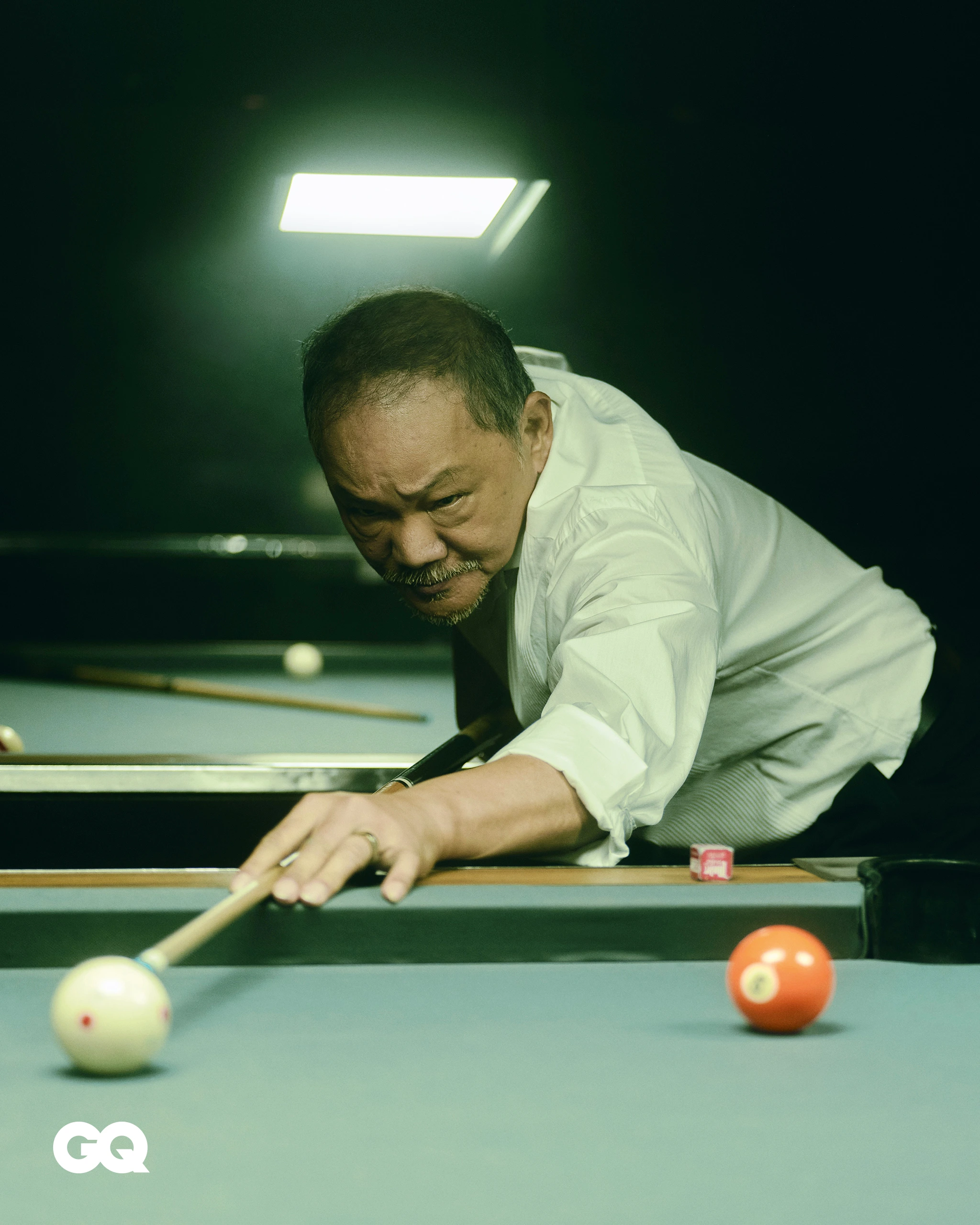
Efren Reyes wastes no time between shots. It’s lunchtime on a Monday, inside PS Bar and Billiard in Quezon City, and the billiards legend they call “Bata” is carving up the table in front of him. Playing alone, he moves quickly: he sinks one ball, then another, and before the cue ball has even stopped rolling, he’s in position for the next shot. Before you can truly appreciate his game, the pool table is already clear.
He then starts again. Reyes sets the balls in the rack and starts from scratch. It’s a different game now, one that requires a different strategy. Yet his method stays the same: he maneuvers like he can see his final shot before he makes it—and when he does, the Arctic Monkeys song playing on the speakers has not even come to an end. Another perfect run.
It’s proof that Reyes is still capable of the genius that made him a legend decades ago, when he was in his prime and taking on the biggest names in billiards. He can still read a game almost as soon as it breaks.

Watching his calculated movements, along with the way he can still execute tough kick shots and back cuts with ease, it’s as though no time has passed. Reyes might tell you otherwise.
“Nakapagod na ako [I get tired now],” he admits. “Noong dati, kahit matagal, kahit na pagod na, kaya-kaya pa, pwede pa yun. Pero ngayon, wala. Bumagal na. Wala nang resistensya [Before, even if I played for a long time, even when I was tired, I could keep going. I could still do it. But now, I can’t. I’ve slowed down. I don’t have the stamina I used to].”
His body, particularly his eyesight, isn’t what it used to be. But Reyes isn’t in denial about it, and he isn’t bitter about the players catching up to him, either. “Yung magagaling ngayon, pagka nakikita nila, titirain nila, magagawa nila; ako, ‘di ko na magagawa [The great players today, when they see a shot, they’ll take it and make it. I can’t do that anymore],” he says with humility.
Reyes has always been self-aware, and he has always had a sixth sense about his own capabilities. In his biggest matches, played under the brightest lights and with dozens of cameras facing him, he did not doubt his own hands—not even when he defeated Earl Strickland in the famous head-to-head nine-ball match still remembered as “The Color of Money.”
Reyes was down by as many as 17 games over the first two days. But on the third and final day, he pulled off a huge comeback that saw him win the competition 120-117. The victory, as well as Reyes’ cash prize (the biggest single-match purse in billiards at the time) are still talked about today.
Those are the kinds of matches—high-stakes, high-reward, the pool world watching—that only a player with unflinching self-belief can win.
Beating The Odds
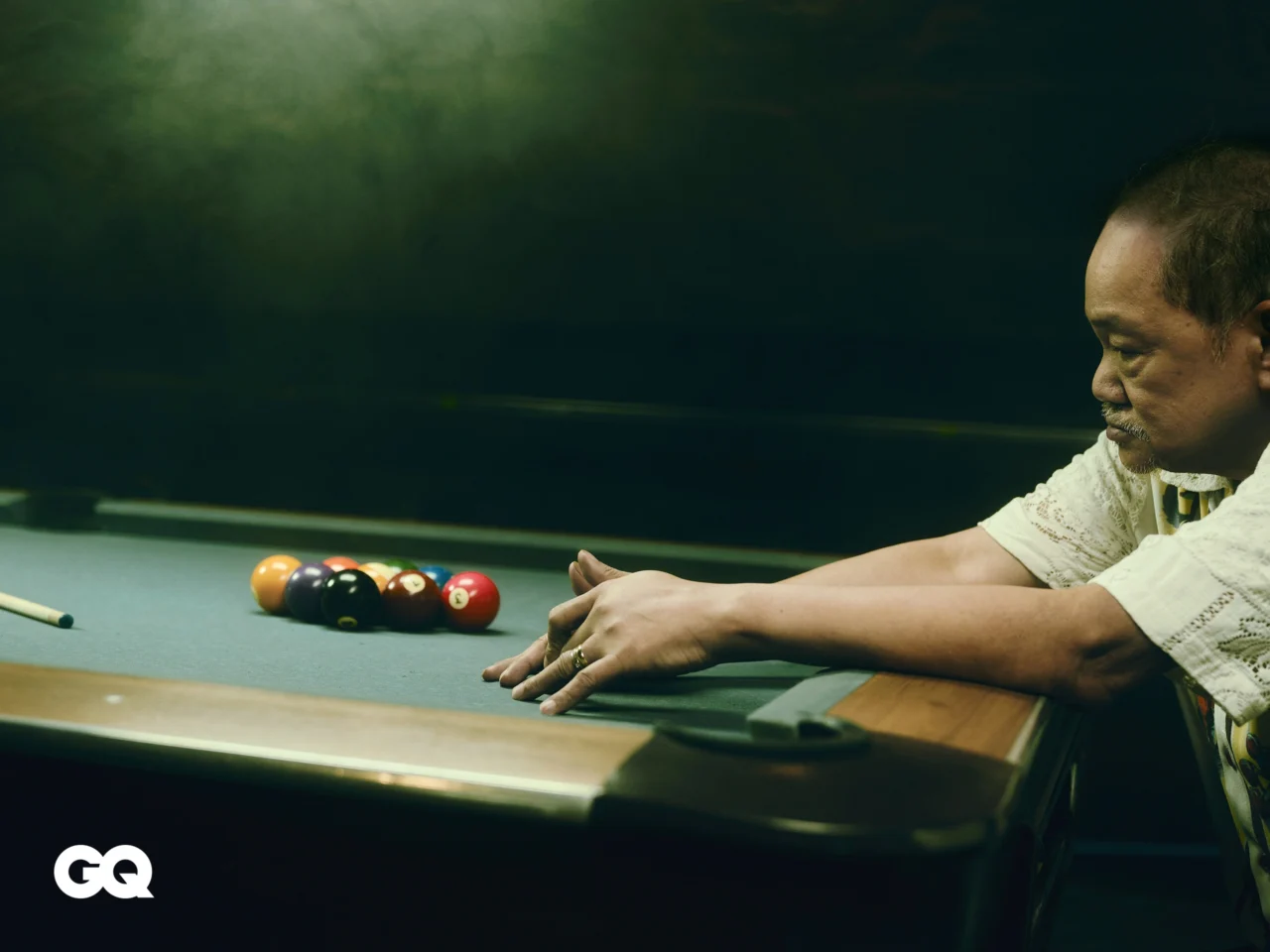
Efren “Bata” Reyes moved from Pampanga to Manila over six decades ago, when he was only five years old, but he can still recall how intimidated he felt by the bustling energy of the city. Back in their barrio in the province, six in the evening meant darkness: the lights went out, and everyone stayed home. Here, by contrast, the streets remained lit well into the night, and Reyes found the unfamiliar environment frightening enough to keep him indoors.
He spent much of his time inside a billiards hall owned by his uncle. Even as a kid, he would help with the upkeep, and because he was too afraid to venture beyond its doorstep, he found himself drawn to the world of pool instead. It was where he got the name that would follow him for the rest of his life. There was already an older player at the hall named Efren; to tell the two apart, people started calling him “Efren Bata.”
“Nagsimula akong maglaro nung pumasa ako ng Grade 1 [I started playing when I passed Grade 1],” he says, looking back. “Kapag labas ko ng eskwela, nagbabantay ako ng bilyaran yung panahon na yun. Tapos, tumitingin ako sa mga naglalaro.
Pagkatapos nun, yung nakikita ko, pina-practice ko [After school, I would look after the billiards hall. I’d watch the people playing, and afterward, I’d practice what I had seen].”
With no formal training, he was simply emulating what he observed at the billiard hall, though from a rather unusual vantage point. As the legend goes, he was too short to play when he first started—the table came up to his chin—so he would stand on Coca-Cola crates to find the right angles. As romantic as the story has become, the reality behind his beginnings was far more pragmatic: he wanted to earn money.
When asked why he started competing, he reflects, “Hindi ko alam yung compete na yun. Basta, alam ko, kaya ako naglaro ng bilyar, napapanood ko kasi na may mga naglalaro at nagpupustahan. ‘Pag nanalo, babayad sila. So gusto ko rin maglaro pa. ‘Pag nanalo ako, bibigyan din ako [I didn’t know anything about competing back then. All I knew was that I started playing billiards because I watched people playing and betting. When they won, they would get paid. So I wanted to play too. If I won, I would get paid as well].”
The sport of billiards is, historically, rooted in gambling. It arrived in the Philippines in the 1900s, brought by American soldiers stationed in the country, and its popularity grew alongside the bets riding on every game. That connection between gambling and the game became its bedrock in the Philippines, where a talent for billiards could mean more than bragging rights—it could mean a way to earn a living.
For Reyes, that possibility was enough. He had skill, and he wasn’t afraid to use it in his favor. He had grown up standing on Coca-Cola crates, learning the game by watching others. Once he found a way to turn that skill into money, there was no slowing him down.
Betting On Himself
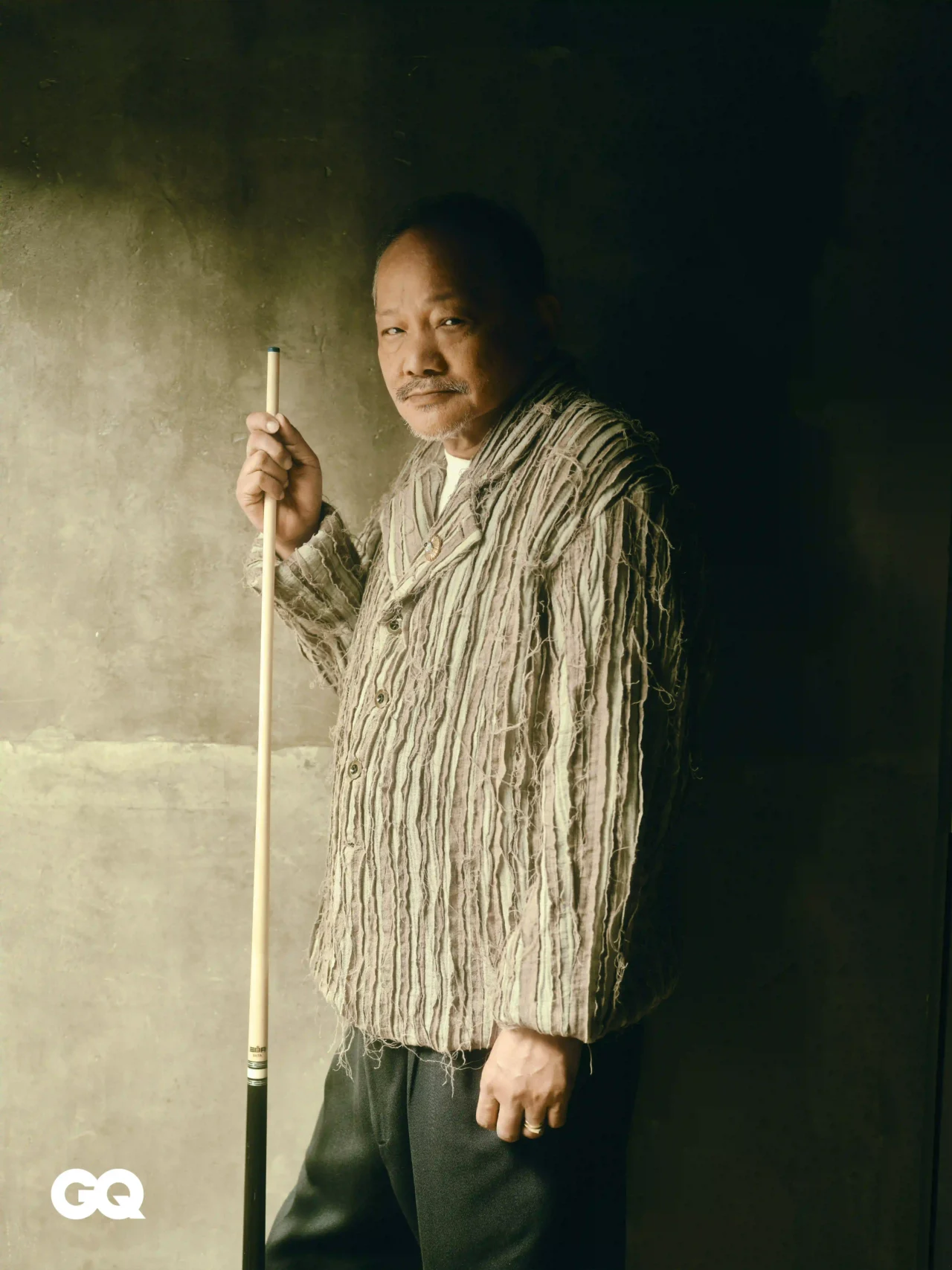
Reyes can still remember, with stark clarity, a particular moment in his career that signalled his breakthrough in the international pool scene. The year was 1986, and he was in Chicago for a competition when he overheard two people, one from Houston, Texas, and one from Moline, Illinois, arguing over who the best player in the world was at the time.
“Sabi ng taga-Houston [the guy from Houston said], ‘Cesar Morales.’ Sabi ng taga-Moline [The guy from Moline said], ‘No, no, no. It’s Efren Reyes,’” he reminisces with a fond laugh. Little did those two know that they were talking about the same person.
When Efren first started competing in the United States in the early 1980s, he did it under someone else’s name. As “Cesar Morales,” a name borrowed from one of the companions who had traveled with him, he hustled his way into big-money games and started beating some of the best players in the world without any of them knowing who he really was.
His double life didn’t last long, though. He’d built a name hustling money games, but the real cash was in tournaments, so he made the shift, and the wins followed him there, too. But tournaments don’t stay quiet the way money games do; brackets get published, and wins are recorded. It wasn’t long before word spread that Efren and Cesar were one and the same. Suddenly, the pool world had a new force to reckon with.
“Doon nagsimula. Tapos nilagyan na sa magazine, lumabas sa Billiard Digest, ‘The Man From A Different Planet’ [That’s where it started. Then they put it in a magazine. It came out in Billiard Digest with the headline, ‘The Man From a Different Planet’].”
Along the way, he picked up other names too; Filipinos back home proudly called him the Thrilla From Manila. But the nickname that stuck?
The Magician.
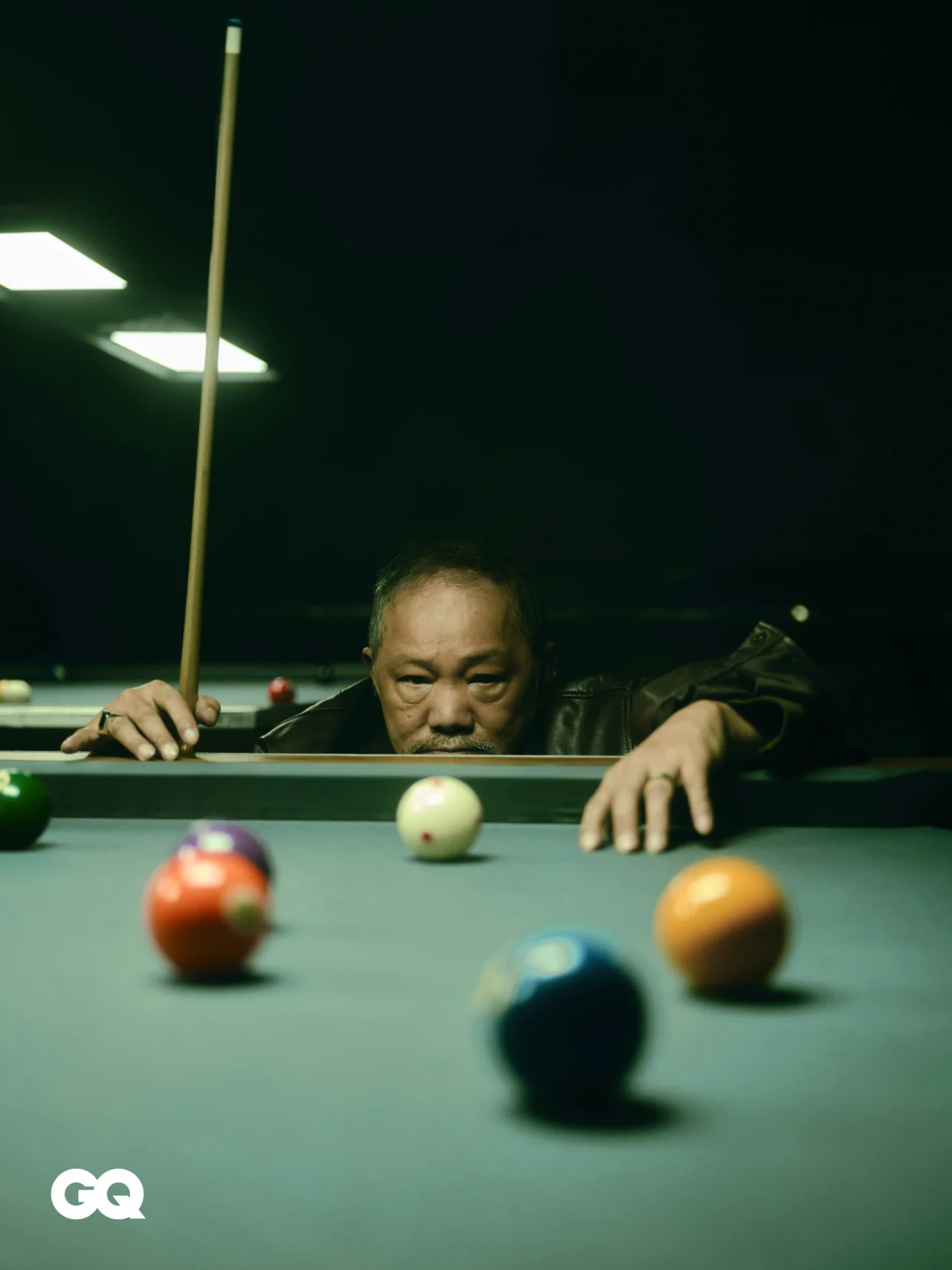
The nickname was bestowed on him in the 1980s, and he can still remember exactly why: “Kasi daw, every time na darating ako, meron silang nakikitang iba’t ibang tirang, hindi alam ng mga player na may tirang palang ganito [They said that every time I came, they would see me make different kinds of shots. The players didn’t even know that shots like that were possible].” But heavy is the head that wears the crown. He admits that he felt the pressure of putting his glittering reputation on the line, and of having to live up to outside expectations.
At the table, though, you wouldn’t have been able to read anything past his poker face. Cool, composed, Reyes would take shots nobody in the room had ever seen.
In competition, Reyes would often choose paths that others might have deemed too risky to execute—but he was just as masterful at playing it safe, leaving opponents in difficult positions and the cue ball out of reach. It was a clever way to control a match from both ends. Like a chess player, every move was calculated, and what looked like risk from the outside was often the safest bet he could make. And it paid off in ways even he could not have imagined.
Over the decades, Reyes has racked up over a hundred international titles, including the U.S. Open, two World Cups of Pool, and world championships in two separate pool disciplines, a feat no one had accomplished before him. Today, he’s widely regarded as one of the greatest pool players in history.
But when asked if he knows the exact number of titles he’s won, Efren can’t help but laugh. “Hindi ko alam kung ilan yung titles ko. Hindi ko na mabilang [I don’t know how many titles I have. I can’t count it anymore],” he says with a smile.

The Ultimate Payout
The name Efren “Bata” Reyes carries its own weight now, not just in the Philippines, but anywhere in the world where pool is taken seriously. The youngster who once hustled strangers under a fake name has become a standard by which other players are measured. Today, there’s even a competition played in his honor: the Reyes Cup, an annual nine-ball tournament that brings together Asian players in a team event against competitors from around the world. And yet, if you call him the GOAT (the Greatest of All Time), Reyes will have a hard time agreeing with you.
“Siyempre, hindi ako makapaniwala na tatawagin ako ng GOAT; ang daming mga magagaling. Ako nga, yung tinitira ko, di ko na kaya na yun [Of course, I couldn’t believe that they would call me the GOAT. There are so many great players out there. Even I can’t make some of the shots I used to make anymore].”
Reyes is quick to point out that there are many talented FilipinoFilipinoThe national language of the Philippines, widely used for communication, education, media, and culture.Go to Filipino Glossary players these days, so much so that he has a hard time naming just a few, as many have impressed him. And these players aren’t just the ones on the competition stage, but also amateurs playing pickup games at any local pool hall.
He believes that some players without formal training can see the game through a new lens and come up with new moves. It’s a perspective he knows well. In his uncle’s billiards hall, he watched all kinds of players, and he picked up the game by observing how they played, experimenting with what he saw, and eventually developing a style of his own. That unorthodox education helped set him apart and ultimately propelled him to a career marked by countless title wins.

Of all those wins, one stands out in Efren’s mind: his World Pool Championship win in 1999. This was the first time the competition was ever televised, and his name started echoing around the world.
“Hindi ko akalain na mananalo ako doon [I never thought I would win that],” he reflects. “At hindi ko rin malalaman na ang bilyar magiging popular na sport din dito… Kahit noong uuwi ako, umiiyak pa ako. Yung nagsalubong sa akin, puro interview, puro tanong, hindi ko alam kung ano ang isasagot ko… Hindi ko inaasahan ’yon [And I never knew that billiards would become such a popular sport here, too. Even when I was on my way home, I was still crying. When I arrived, I was met with interviews, question after question, and I didn’t know what to say. I never expected any of it].”
For Efren, the overwhelming fame that came with winning the title was accompanied by a substantial prize. But by then, the money barely mattered. The real payoff came when he returned home and discovered that he was no longer just a pool player. He had become a hero.
A version of this cover storyCover StoryThe main feature of a magazine issue, usually an in-depth profile of a notable person pictured on the cover. A strong cover story combines a striking photograph with an honest,Go to Cover Story Glossary appears in the November 2026 issue with the title “The Legend They Call Bata”

GQ Philippines: Vol. 2 – September 2026
SHOOT CREDITS:
Story by ANNIKA CAÑIZA. Photographs by ARTU NEPOMUCENO. Styling by GENO ESPIDOL. Groomer: DON DE JESUS. Producer: KEVIN GONZALES. Photography Assistant: CHOI NARCISO. Styling Assistant: NIÑA CUYANA. Digitech: ODAN JUAN. Videographer: EJ BONAGUA. Camera Operators: ARON MAALLO, GAB DI, MARVIN MENDOZA, And JOMAI ANGELES. Location: PS BILLIARD RESTO BAR.
Frequently Asked Questions
An older player named Efren already played at his uncle’s billiards hall, so people started calling him “Efren Bata” to tell them apart.
An alias Reyes used in his early U.S. competitions, borrowed from a companion, while he hustled money games.
His famous nine-ball showdown with Earl Strickland, which he won 120-117 after trailing by as many as 17 games.
An annual nine-ball team tournament held in his honor, pitting Asian players against competitors from around the world.