Summaries were generated by AI. Generative AI is experimental.
Explore other styles:
Forgotten Island opens on a shot of the blazing araw—the golden sun motif on our flag—announcing from the very first frame that this story is distinctly FilipinoFilipinoThe national language of the Philippines, widely used for communication, education, media, and culture.Go to Filipino Glossary. The image then fades into a provincial elementary school classroom in the Philippines sometime in the 1990s, where a vivacious little girl named Jo excitedly presents her classmates with the legend of the manananggal, the mythical creature that can split its flying torso from the rest of its body. According to Jo, it is just one of many supernatural beings that inhabit a sacred island called the Nakalimutan in another realm.
To many of the people who will eventually see this film, the manananggal will seem weird or totally random, since the monsters of popular culture are usually bloodthirsty vampires with fangs or undead zombies infected by some kind of virus. But to Filipinos, the manananggal and creatures like it are the monsters we grew up with, featured in stories our grandmothers told us to keep us from wandering outside after dark. And for the first time ever, they will take center stage on a global scale when Forgotten Island opens in theaters this September 25.
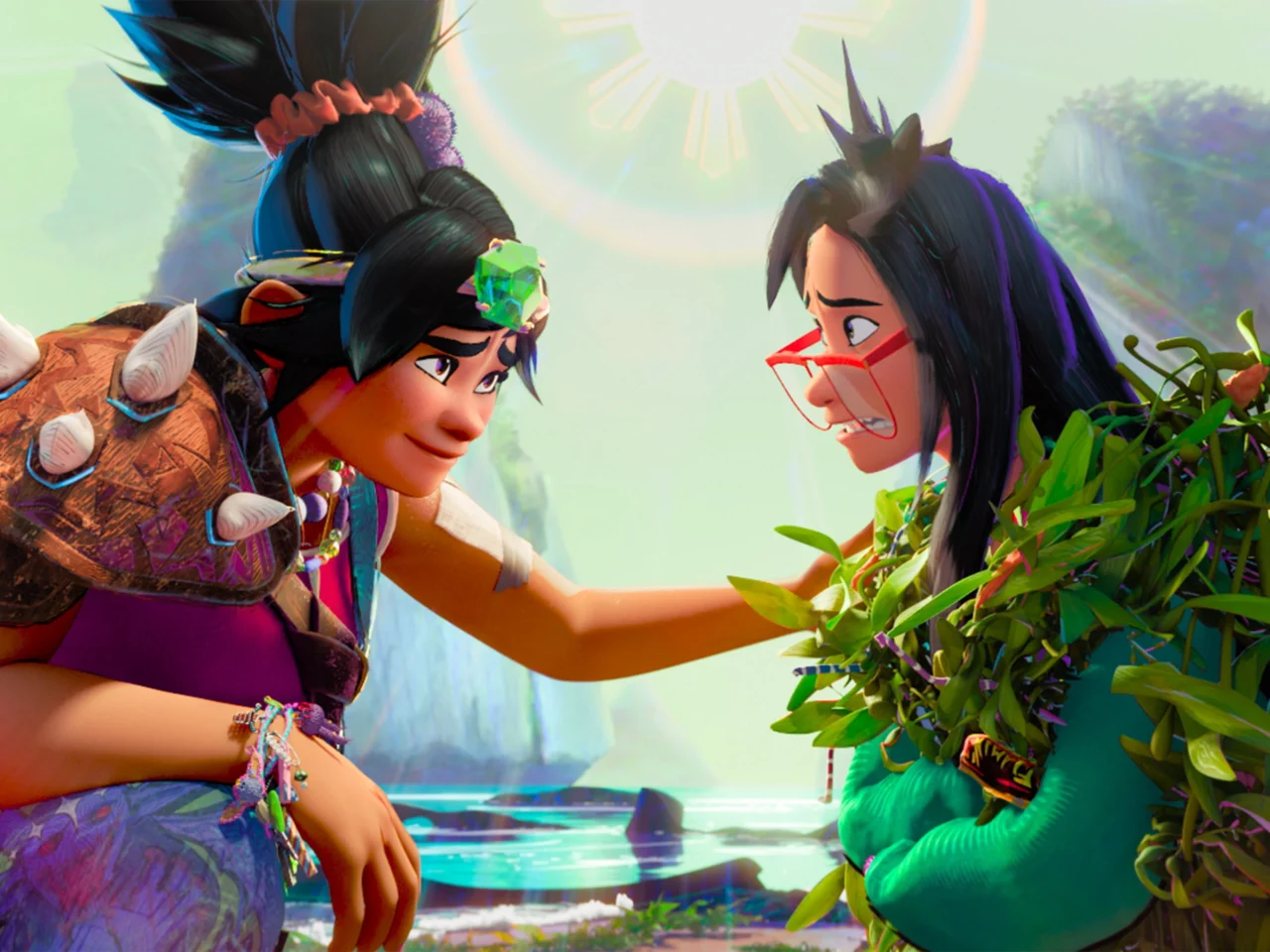
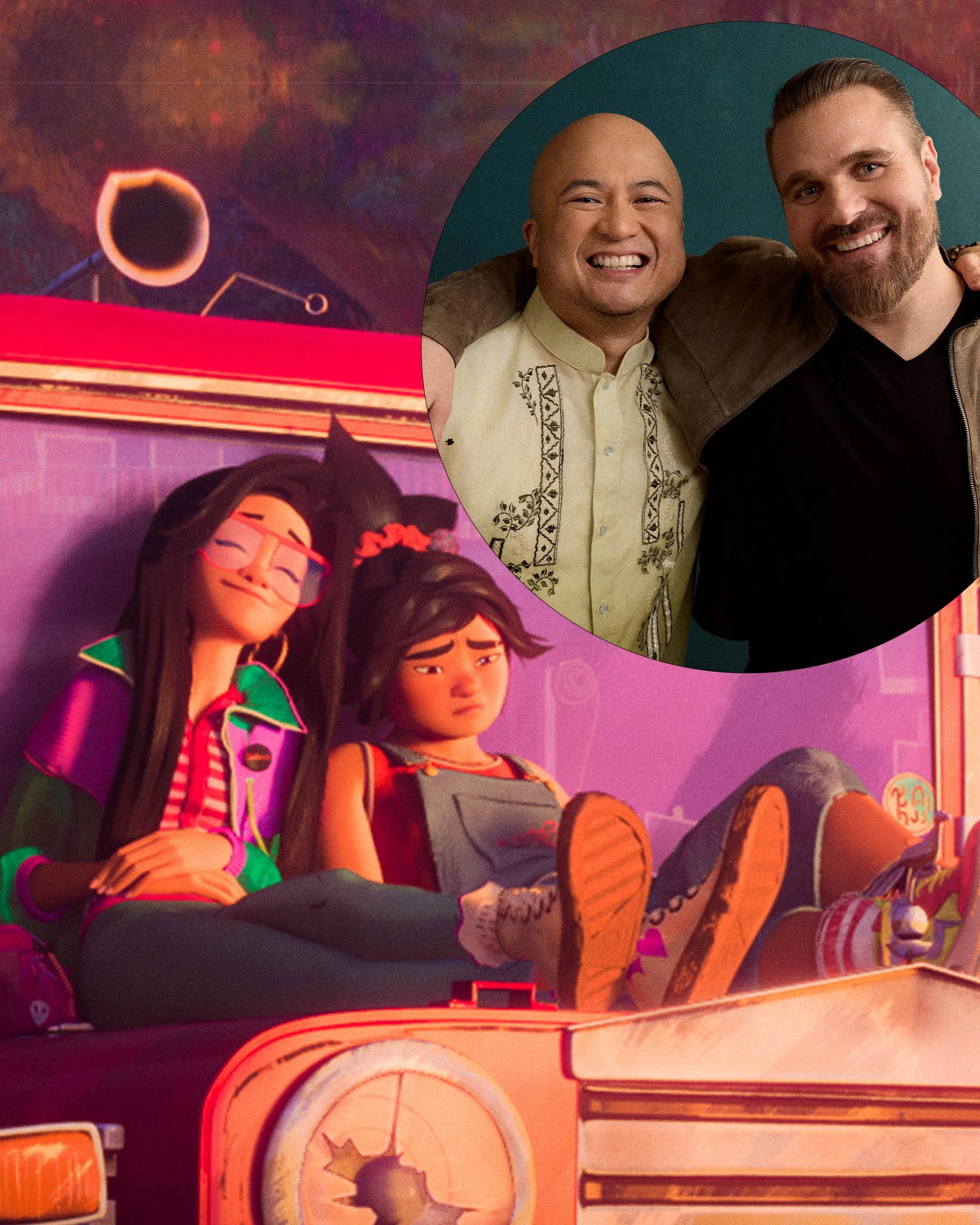
At its heart, Forgotten Island is a coming-of-age film about friendship. It follows Jo (voiced by Oscar-winner H.E.R.), whose belief in the existence of the titular island makes her an outsider among her peers. She finds an unlikely friend in Raissa (Liza Soberano), an aspiring inventor and fellow misfit. The two grow up together, becoming like family as they navigate life’s ups and downs. But their friendship is tested when Raissa prepares to leave for college in the United States. On their final night together, they unexpectedly stumble upon the entrance to the Nakalimutan, setting off on one last adventure before an ocean separates them.
The origins of this story, however, stretch back nearly two decades, within the walls of DreamWorks Animation in Hollywood. There, two young filmmakers, Januel Mercado and Joel Crawford, shared an office while working as storyboard artists on Kung Fu Panda 2.
Although both were raised in California, Mercado grew up in a Filipino-American household, while Crawford did not. That didn’t mean Filipino culture was unfamiliar to Crawford. His family was close to a Filipino family called the Ellases, and through them he was immersed in traditions like Pinoy food, karaoke, and garage parties. The two quickly became friends after discovering that they shared the same filmmaking instincts.
“We were sometimes used like wild cards by directors to do comedy punch-up passes on the film,” recalls Crawford about the early days of their careers. “Even if most of our jokes never made the final cut, something more important happened: we realized we shared the same storytelling sensibility—from soulful sincerity to subversive stupidity. We would make each other laugh, one-upping each other’s absurd humor.”
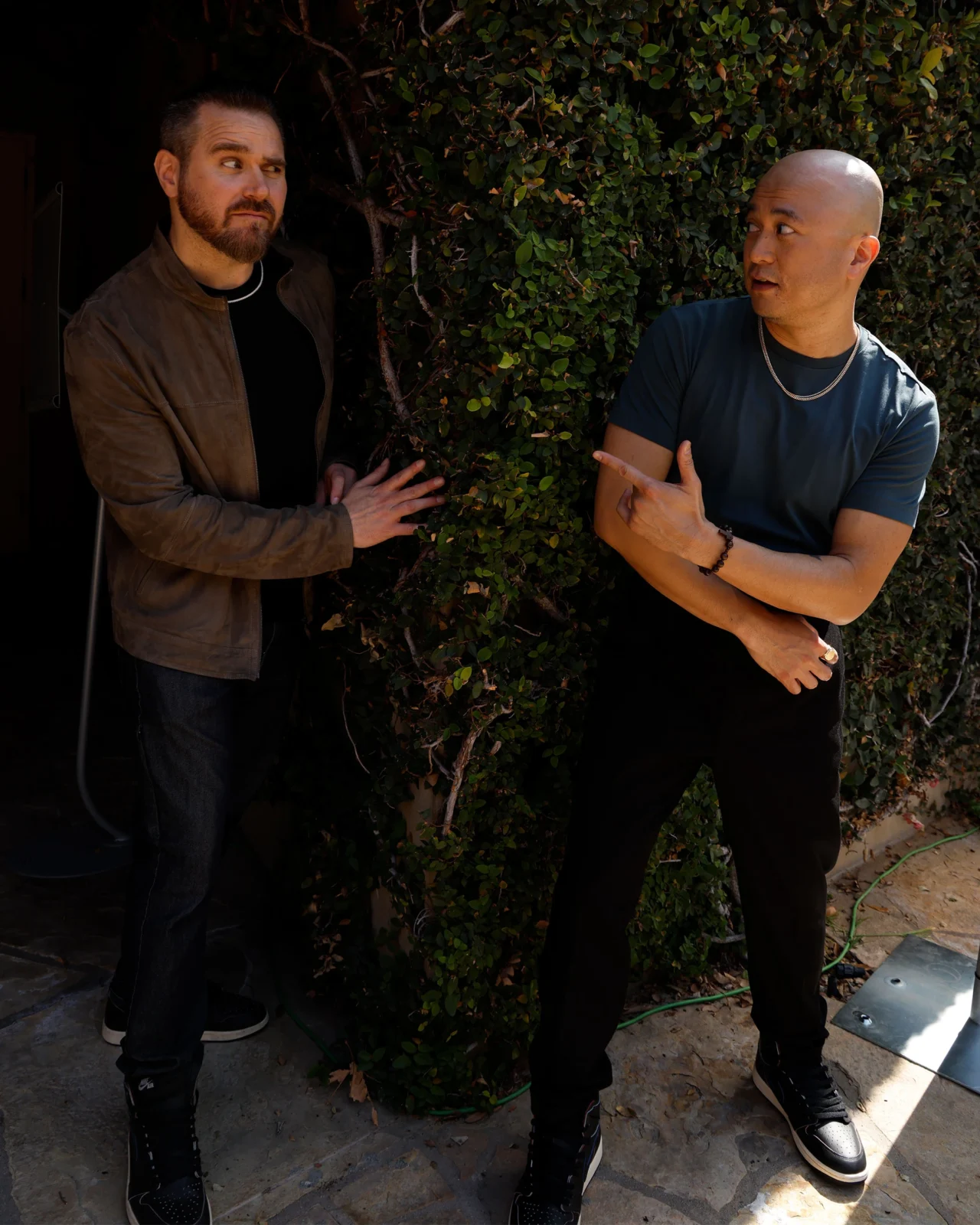
As their friendship grew, so did their careers, with the pair collaborating on one project after another in varying roles across productions. When they finally had the chance to co-direct a feature film, Crawford and Mercado showcased the creative shorthand they had been developing since they first met. The result was Puss in Boots: The Last Wish, the fifth installment in the beloved Shrek franchise and, if you ask me, its finest. The film was both a critical and commercial success, grossing nearly half a billion dollars worldwide while earning an Oscar nomination for Best Animated Feature.
More than that, the project cemented them as two of animation’s most exciting creative voices. With their first major hit behind them, DreamWorks entrusted the pair with an original feature. They already knew where they wanted to look for inspiration: the myths and folklore of the Philippines.
Slices of Filipino Life
Earning the trust and creative freedom of a major Hollywood studio is an incredibly rare feat. When filmmakers are finally given that freedom, they often use it to pursue their most personal ambitions, sometimes with divisive or disastrous results. Michael Cimino, for instance, followed up his Best Picture-winning The Deer Hunter with Heaven’s Gate, a notorious box-office failure often credited with helping bring the New Hollywood era to an end. Orson Welles met a similar fate in the early 1940s. After Citizen Kane became a critical triumph, he made the artistically ambitious family saga The Magnificent Ambersons, which the studio famously re-edited without his consent.
Mercado and Crawford found themselves in much the same position after The Last Wish. Not because Forgotten Island is a massive flop—it isn’t. In fact, it’s very, very good—but because they made the equally audacious decision to spend the creative capital they earned from a major hit on an original animated film based on Philippine culture and mythology, despite there being virtually no Hollywood precedent for it. Fortunately for audiences, the gamble has paid off. Mercado and Crawford have created an entertaining, funny, and visually dazzling animated feature that stands comfortably alongside the film that made them the toast of the town.
“The film is a love letter to Filipino culture, our families, and the medium of animation,” Mercado explains. “It contains all the ingredients we wanted to cook an original with, and it carries a message we wanted to share about the power of friendship and the value of memories.”
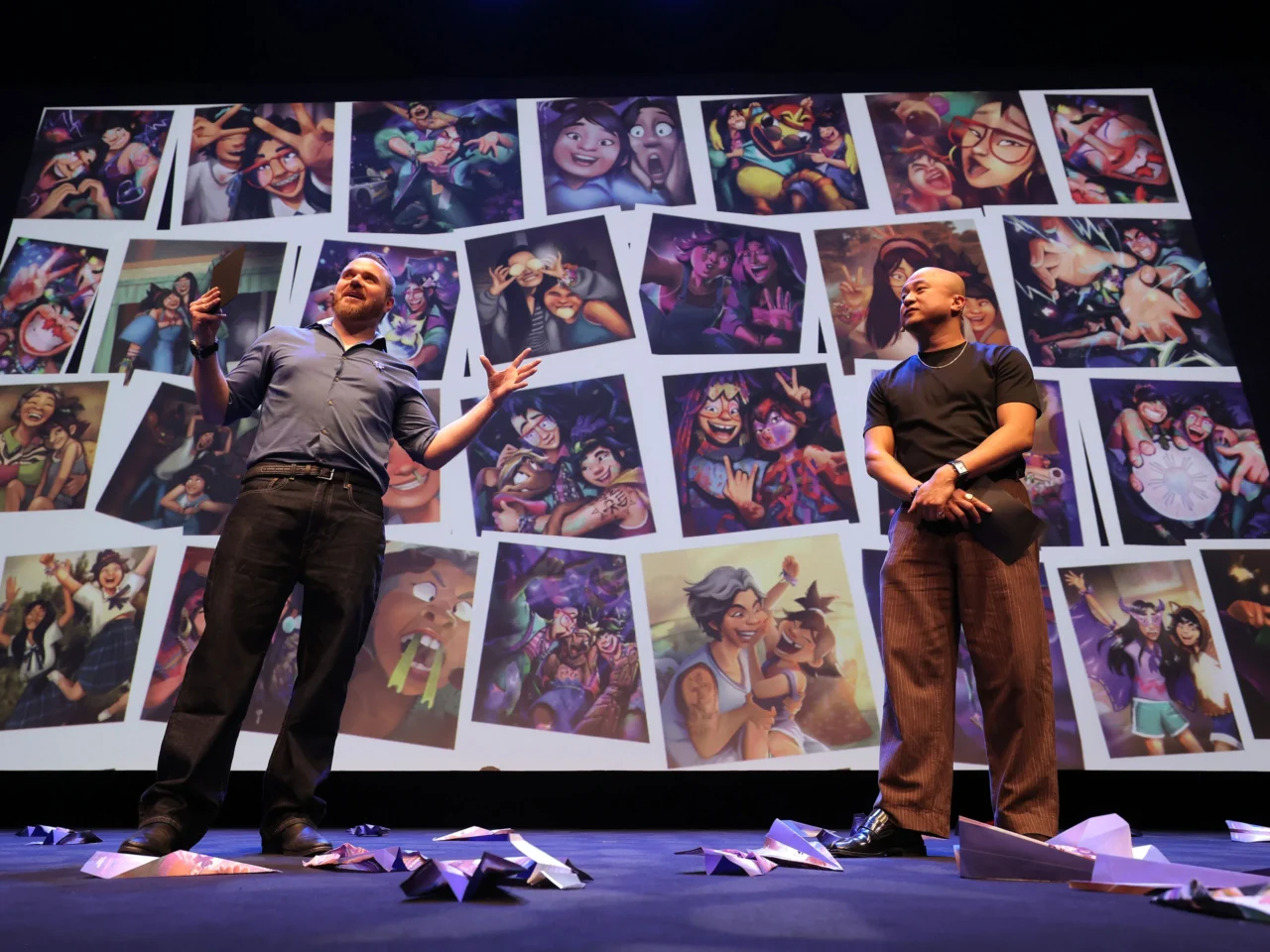
For both directors, the story was always going to be rooted in the Philippines, albeit for different reasons. As a FilipinoFilipinoThe national language of the Philippines, widely used for communication, education, media, and culture.Go to Filipino Glossary-American who spent much of his childhood visiting relatives in the Philippines throughout the 1990s, Mercado saw Forgotten Island as an opportunity to celebrate his heritage through animation. Crawford’s connection was different, but no less personal. After marrying his Filipina wife, Kathy, and raising Filipino-American children of his own, the culture became a part of his family life.
“I felt immediately comfortable at her family parties,” Crawford shares. “The thing that has always stuck with me is that it didn’t matter that I wasn’t FilipinoFilipinoThe national language of the Philippines, widely used for communication, education, media, and culture.Go to Filipino Glossary; the culture is so warm and hospitable. If you are here, you are family. As long as you eat the food…and take home baon [leftovers].”
That connection is particularly clear in a big party scene set in the first half of the film, where Jo and Raissa attend a gloriously vibrant celebration filled with familiar slices of FilipinoFilipinoThe national language of the Philippines, widely used for communication, education, media, and culture.Go to Filipino Glossary life: lechon, portraits of Jesus, and people belting out karaoke classics. Here, the audience sees more than a carefully researched depiction of Filipino culture, they see memories put on celluloid. Crawford and Mercado didn’t simply borrow these details; they lived them.
A Filmmaker’s Responsibility
Telling the story of a culture comes with great responsibility. Mercado and Crawford understood this, resisting the idea that their film should be the definitive interpretation of Philippine mythology. Instead, they chose to celebrate it while giving themselves the creative freedom to tell an original story.
Crawford explains: “First and foremost, we wanted to be authentic to the culture, especially when we meet Jo and Raissa in the ‘real world.’ Then, when we transport the audience to the Nakalimutan, we were limited only by our imagination, but we knew we had to stay true to the lore and mythology of Filipino culture. We also partnered with a culture consultant, Kirby Araulo, to ensure that we treated the mythology with respect and represented these iconic characters faithfully.”
Of course, that authenticity would always be shaped by their own experiences. For Mercado, who grew up in Northern California, that meant drawing from a very specific FilipinoFilipinoThe national language of the Philippines, widely used for communication, education, media, and culture.Go to Filipino Glossary-American community rather than attempting to represent every Filipino experience.
“There are a lot of things in the movie that are specific to that particular FilipinoFilipinoThe national language of the Philippines, widely used for communication, education, media, and culture.Go to Filipino Glossary community,” he adds. “The slang, the sensibilities, and the family dynamics. It’s my authentic experience that I hope and trust audiences will connect to, no matter where they grew up.”
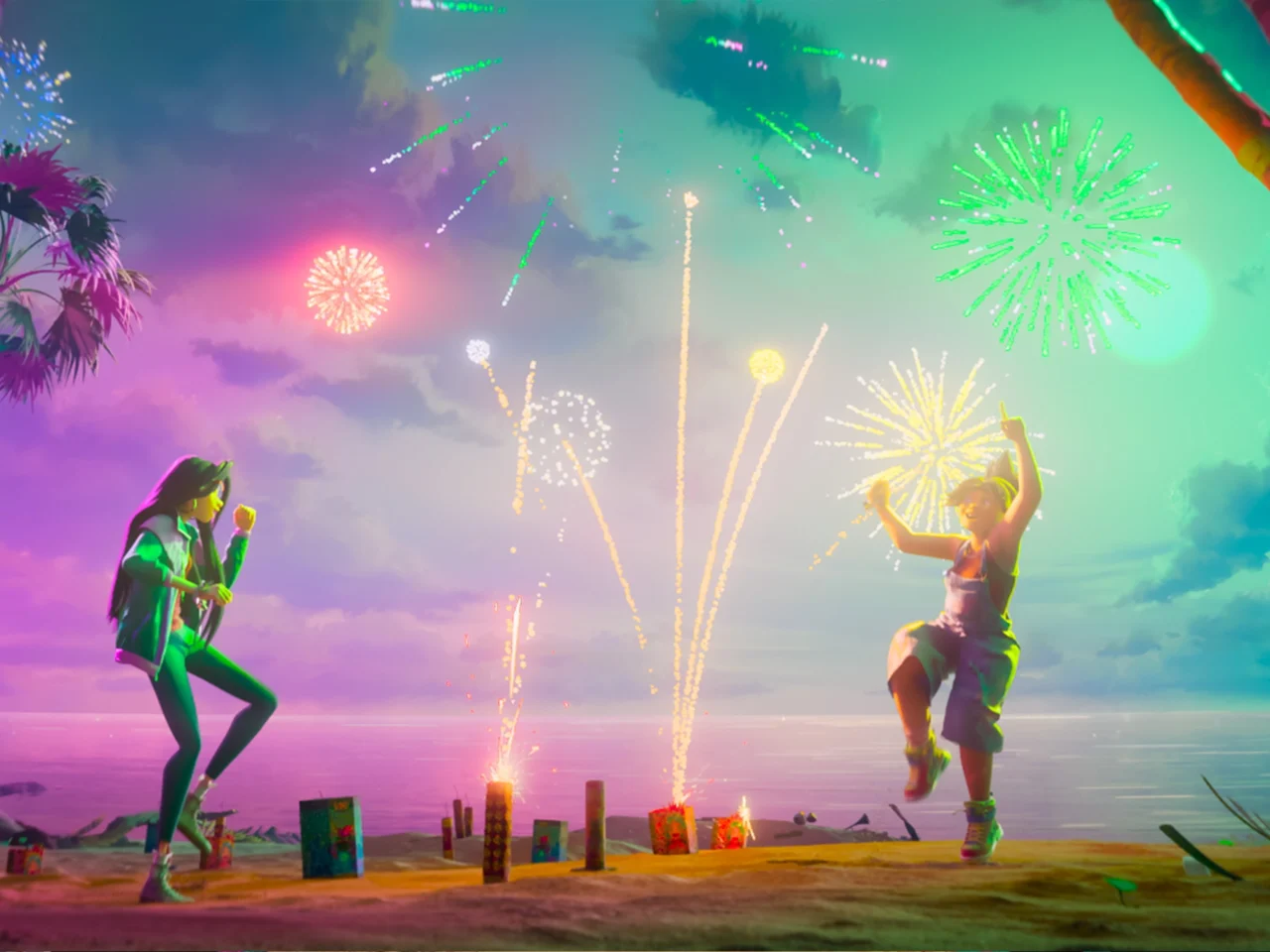
In many ways, that is precisely why Forgotten Island works: it proves that a genuine love and understanding of a culture can create something meaningful, whether it comes from heritage or a lifelong connection. Authenticity isn’t about checking boxes or ensuring every reference is faithfully replicated; it comes from honesty and sincerity. Animation also proves to be the ideal medium for this kind of story, inviting audiences to embrace the unfamiliar and the fantastical in a way that live action cannot.
“When audiences sit down to watch an animated film, they accept a world where dragons exist, a cat wears boots, or a were-dog speaks,” Crawford says, “And in doing so they bring their own imagination to it. They can see themselves in those characters regardless of their age, race, or background.”
So even when the film dives deeper into its mythology, introducing familiar figures like the manananggal and the kapre (the cigar-smoking giants said to dwell in large trees), alongside entirely original creations—including a comical merman whose himbo personality owes more to Ryan Gosling’s Ken in Barbie than to traditional folklore—you never question those creative liberties. They feel entirely at home within the world Crawford and Mercado have built, where FilipinoFilipinoThe national language of the Philippines, widely used for communication, education, media, and culture.Go to Filipino Glossary mythology is treated like a living tradition rather than a museum piece, free to evolve into something new while remaining true to its roots.
Every Song Has Been Sung
To bring the colorful characters of Forgotten Island to life, the directors assembled a who’s who of FilipinoFilipinoThe national language of the Philippines, widely used for communication, education, media, and culture.Go to Filipino Glossary talent working in Hollywood today. H.E.R. and Liza Soberano shine in the lead voice roles of Jo and Raissa, while musical theater icon Lea Salonga is deliciously evil as the film’s manananggal villain called Manang. Internationally acclaimed actress Dolly de Leon is affecting in her brief but powerful role as Jo’s lola, while comedian Jo Koy and heartthrob Manny Jacinto lend their voices to two memorable mythological creatures. Jacinto, in particular, is a revelation, stretching his comedic range by playing Bungi, a hilarious tiyanak (a demonic creature disguised as a baby).
Mercado explains that the casting process ultimately came down to one question: who best embodied each character. The filmmakers didn’t cast actors simply because they were Filipino; they cast the people they believed were right for the roles.
As it happened, those two priorities overlapped. With Filipino talent more visible in Hollywood than ever, Forgotten Island became an unexpected showcase for a generation of performers. At the same time, the directors never limited themselves to a single pool of actors. Dave Franco and Jenny Slate fit seamlessly into the magical world of the film, bringing their signature charm and boundless energy to their characters.
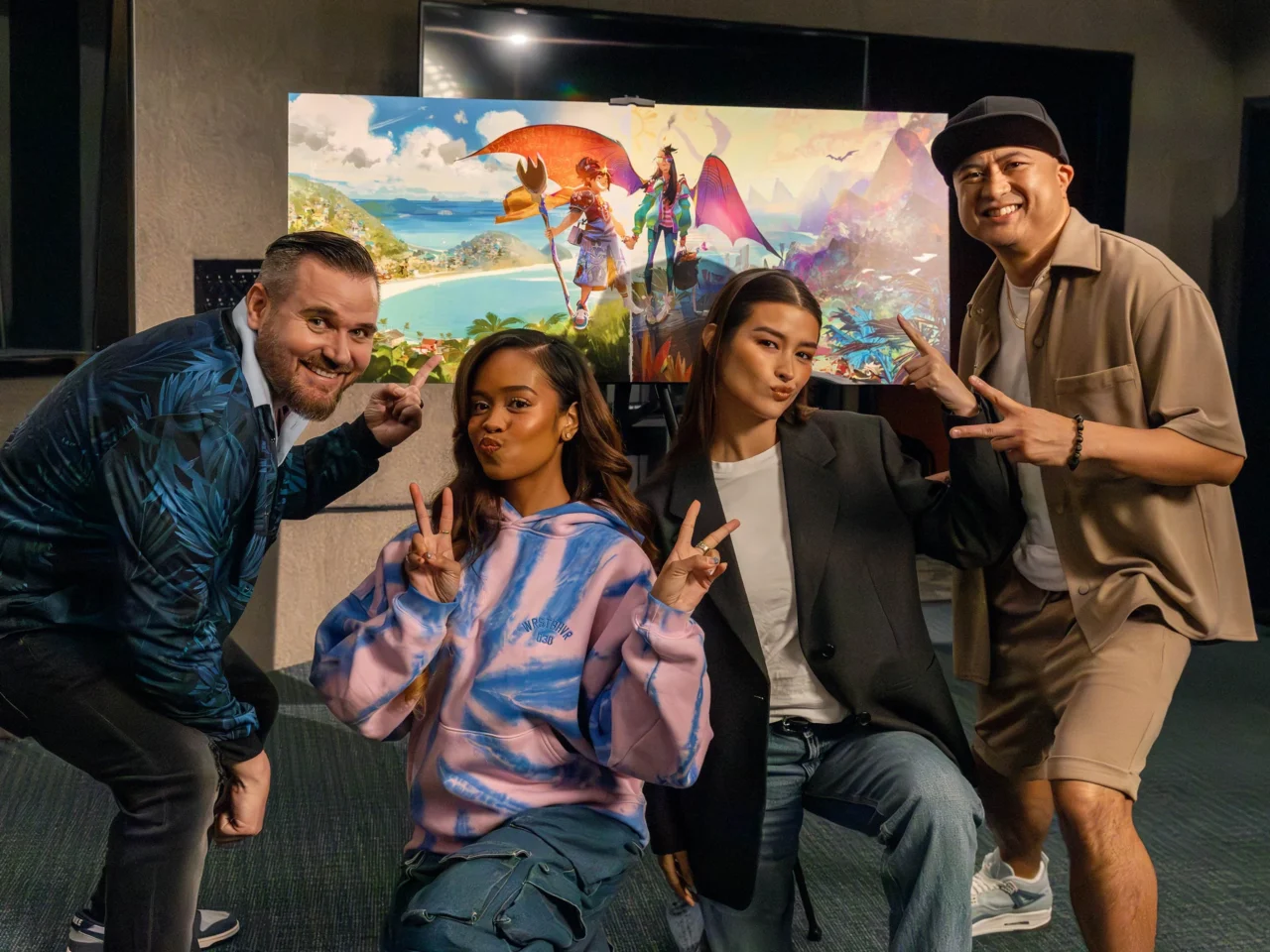
Whether audiences will embrace the film on the scale it deserves remains to be seen. Regardless of how many tickets it ultimately sells, however, the mere fact that it exists already feels significant in its own right. It will introduce Filipino culture and mythology to a global audience through one of Hollywood’s biggest studios, proving that stories like this have a place alongside Scottish ogres, dragons, singing trolls, swashbuckling cats, and kung fu pandas.
Mercado says it best when asked what he hopes the film leaves audiences with: “I want Filipino audiences to feel seen, to know that their stories matter. And to international audiences, the same sentiment: there is a place for all your stories. There is a saying that every song has been sung…but not in your voice. I truly believe the more specific your story is, the more universal it is. With so much disconnection and division in the world right now, I want audiences to see what we all have in common. We are all human and deserve a positive connection.”
Frequently Asked Questions
Forgotten Island is a DreamWorks animated coming-of-age film about Jo and Raissa, two childhood best friends whose bond is tested when Raissa prepares to leave for college. On their last night together, they discover a portal to Nakalimutan, a mythical island drawn from Filipino folklore.
Forgotten Island is directed by Januel Mercado and Joel Crawford, who previously co-directed Puss in Boots: The Last Wish. Mercado is Filipino-American, while Crawford’s connection to Filipino culture comes through his Filipina wife and their Filipino-American children.
Forgotten Island features Filipino mythological creatures including the manananggal, a monster that splits its torso from its body to fly, the kapre, a cigar-smoking giant that dwells in trees, and the tiyanak, a demonic creature disguised as a baby.
The voice cast includes H.E.R. as Jo, Liza Soberano as Raissa, Lea Salonga as the villain Manang, Dolly de Leon as Jo’s grandmother, and Manny Jacinto and Jo Koy voicing mythological creatures, alongside Dave Franco and Jenny Slate.
Forgotten Island opens in theaters on September 25, marking the first time Filipino mythology and folklore have been the central focus of a major Hollywood animated film.