Summaries were generated by AI. Generative AI is experimental.
Explore other styles:
There is a specific kind of midday dread unique to Manila. The thick rays of sunlight hitting the concrete jungle, combined with the city’s suffocating humidity, don’t just make you sweat. They actively mock your wardrobe choices. Humid heat is the ultimate enemy of style. Many men surrender to it, retreating into an uninspired uniform of utilitarian shorts and tito shirts. So if you’re here, you’re part of the revolution.
Having true sartorial authority isn’t about praying for a sudden drop in temperature. It’s about realizing that looking cool and staying cool in humid heat is entirely a game of strategy. Dressing well for the Philippine weather can be summed up in a simple equation: look good while staying dry at the same time. Here’s how you do it with almost zero effort.
Layer the Right Away
It’s a lazy lie that layering belongs exclusively to autumn and winter. People think that when it’s hot, you just wear less. That’s partially true if you opt for comfort instead of style. But why not have both?
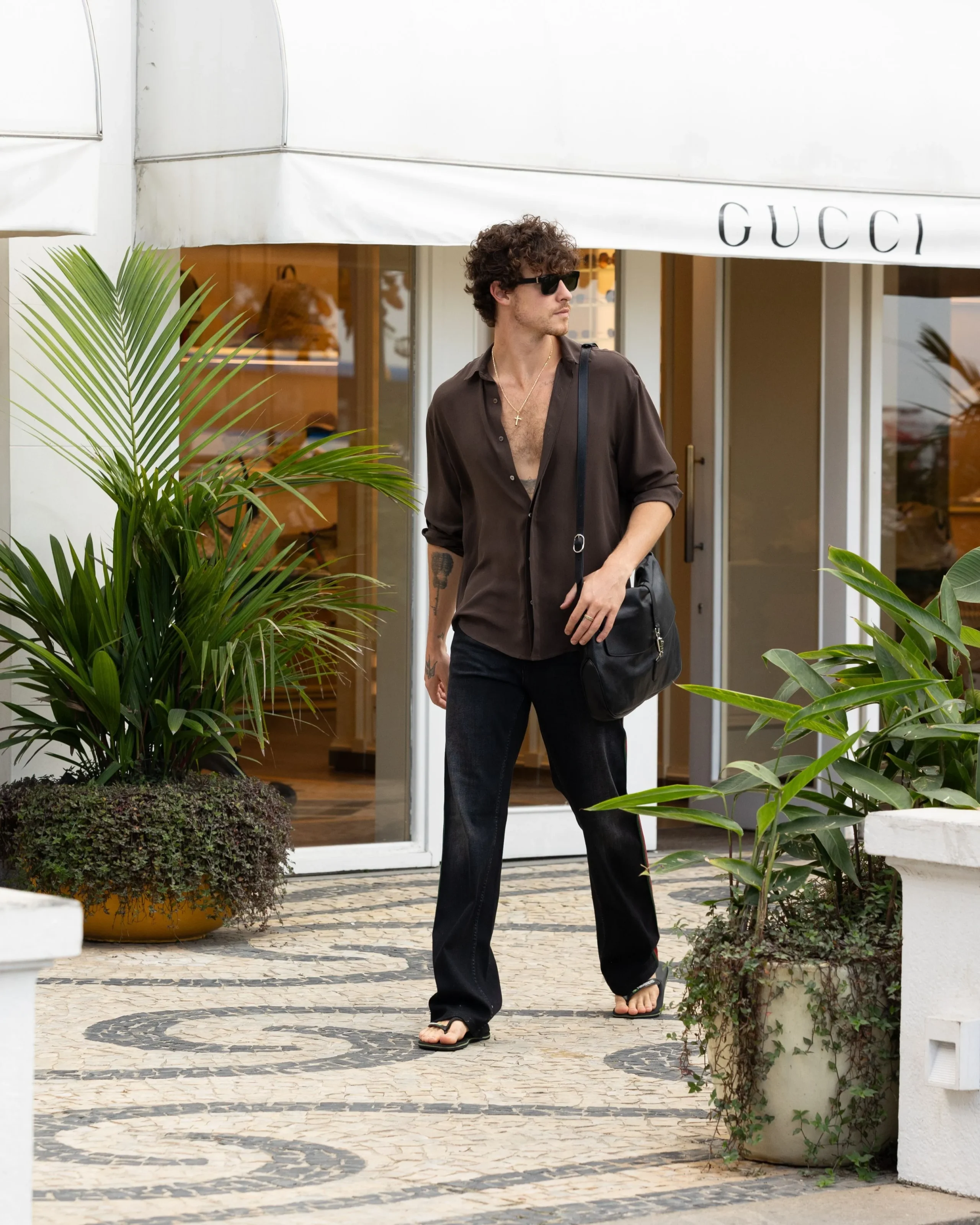
Layering should be done strategically in the hot, humid tropics. You have to understand that dry heat and humid heat are completely different. In humid heat, you want more breathability and more skin exposure. Shorts, button-up shirts, and camp collar shirts that show a little chest look great for casual wear.
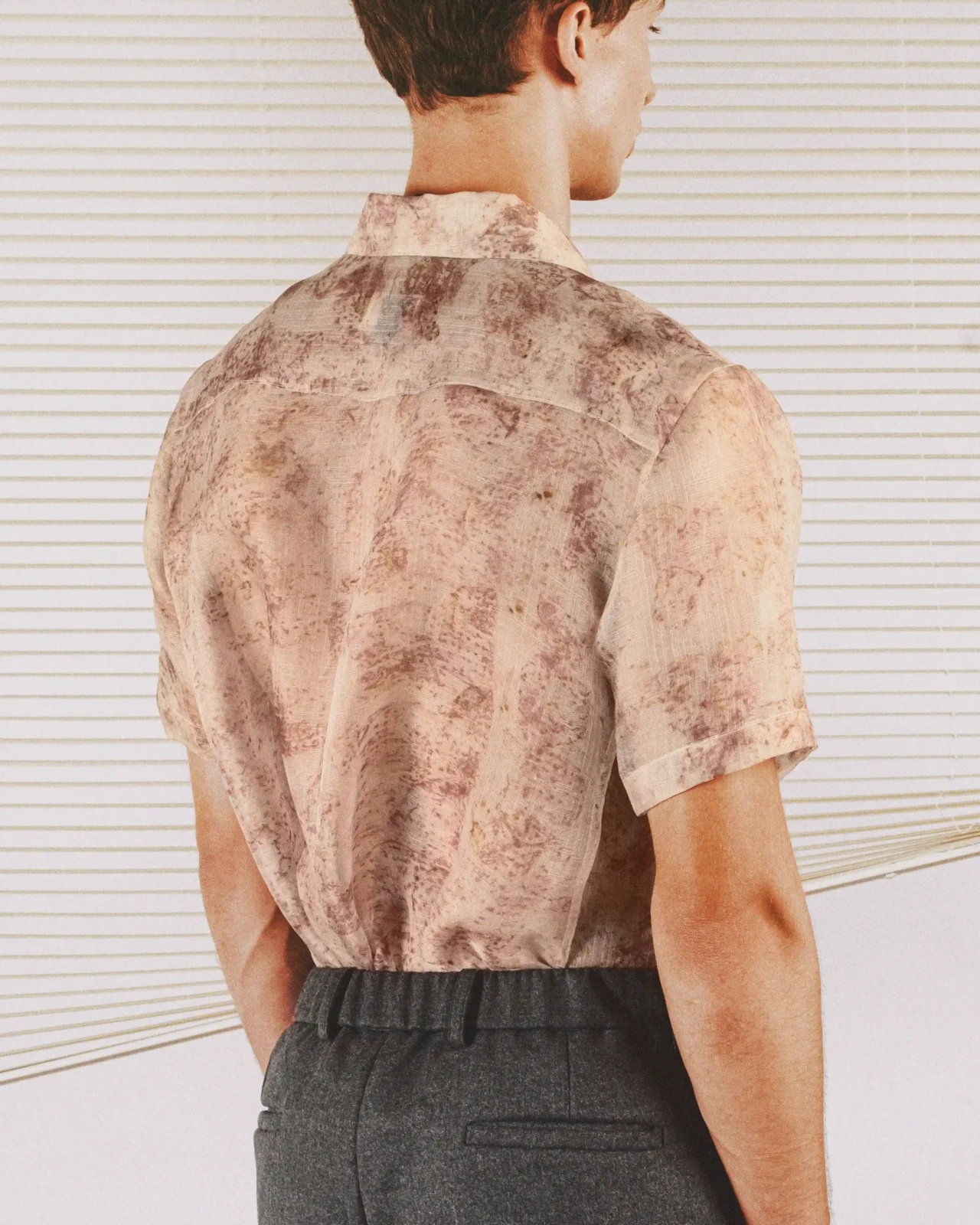
For work, a fitted, ribbed black or white tank top under a structured, double-breasted suit creates an effortless smart-casual look. Another option is wearing a crisp white shirt underneath a slouchy, unbuttoned linen polo. If you want that “FilipinoFilipinoThe national language of the Philippines, widely used for communication, education, media, and culture.Go to Filipino Glossary swag,” you could opt for a Kelvin Morales short-sleeved barong paired up with a CoolTech Uniqlo white tee. The idea is that you aren’t doubling your body heat by layering; you’re picking fits that look and feel infinitely lighter. The trick isn’t piling on heavyweight fabrics. It’s picking the garments that know exactly how to get out of each other’s way while letting heat escape.
Choose the Right Fabric
The second tip goes hand in hand with the first, and it’s the one most people skip (and it shows). The best way to beat humid heat is to make sure you’re not trapping heat and sweat against your body. Layering is only effective if you’re picking the right fabrics to go with it.
Yes, you can still wear long sleeves and pull off an all-black ensemble. Just pick linen, silk-linen blends, hemp, rayon, bamboo, or that loose, open-weave piqué from head to toe (all far more breathable than polyester). Tread carefully with standard cotton. While it’s dubbed a “summer” fabric, it’s a double-edged sword outdoors; it holds onto water far longer than polyester. Picking these fabrics increases air permeability, meaning more comfort and less sweat.
Pick a Palette That Won’t Rat You Out
In 2012, psychologists Adam Galinsky and Hajo Adam gave a name to something tailors have known forever: enclothed cognition. It is the idea that what you wear doesn’t just announce who you are; it quietly shapes how you think and act while wearing it. The same white coat can be perceived in two different ways. On a doctor, it signals precision and authority; on a painter, it’s an invitation to make a mess.
That sums up our entire relationship with fashion. Nobody’s buying the brand name; we’re buying the persona that the fabric lets us pretend to be. The internet’s algorithm will force-feed you rules about the trendiest colors or the “perfect” shades for your skin tone. But you cannot force yourself to love a color because a chart says so. Neutrals are always a safe move. Crisp white or head-to-toe black reads as executive and polished. But there’s a difference between dressing safely and dressing smartly, and treating neutrals as a permanent security blanket is a failure of imagination.
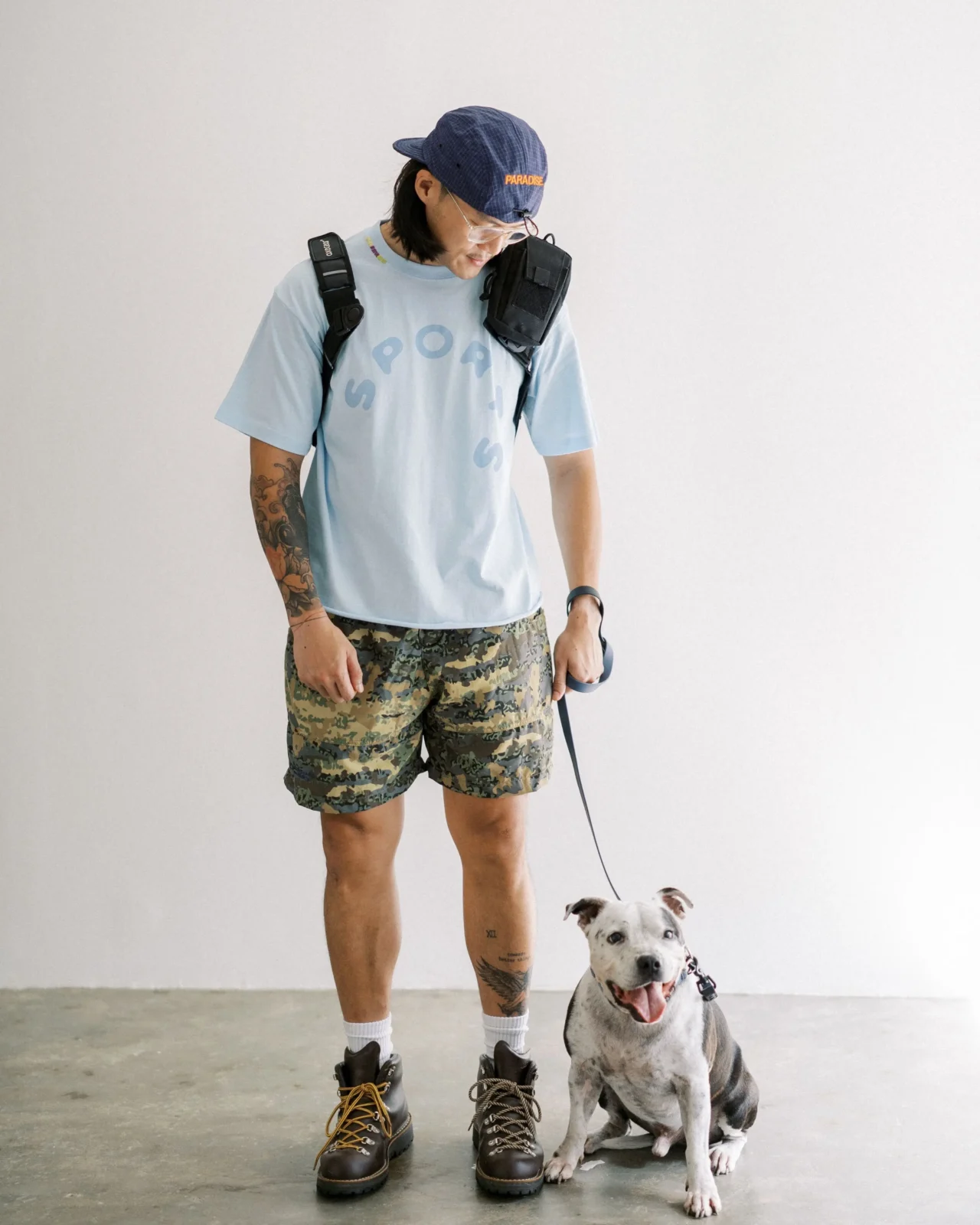
Build your basics in neutrals, sure. But the real skill is finding a palette that flatters your undertones while leaving room to experiment. And when you reach for a pop of color, make it intentional. A timeless menswear hack most brands live by: a deep, sharp navy will always photograph cooler than pitch black under Manila’s sun.
Rethink What’s Happening Below the Ankle
Dressing for the Philippine weather is not really a fight against bad taste. It’s a fight against physics. Leather boots and suede loafers are beautiful, as always. But it’s good to have a versatile shoe rotation, preferably one that allows your feet to breathe.
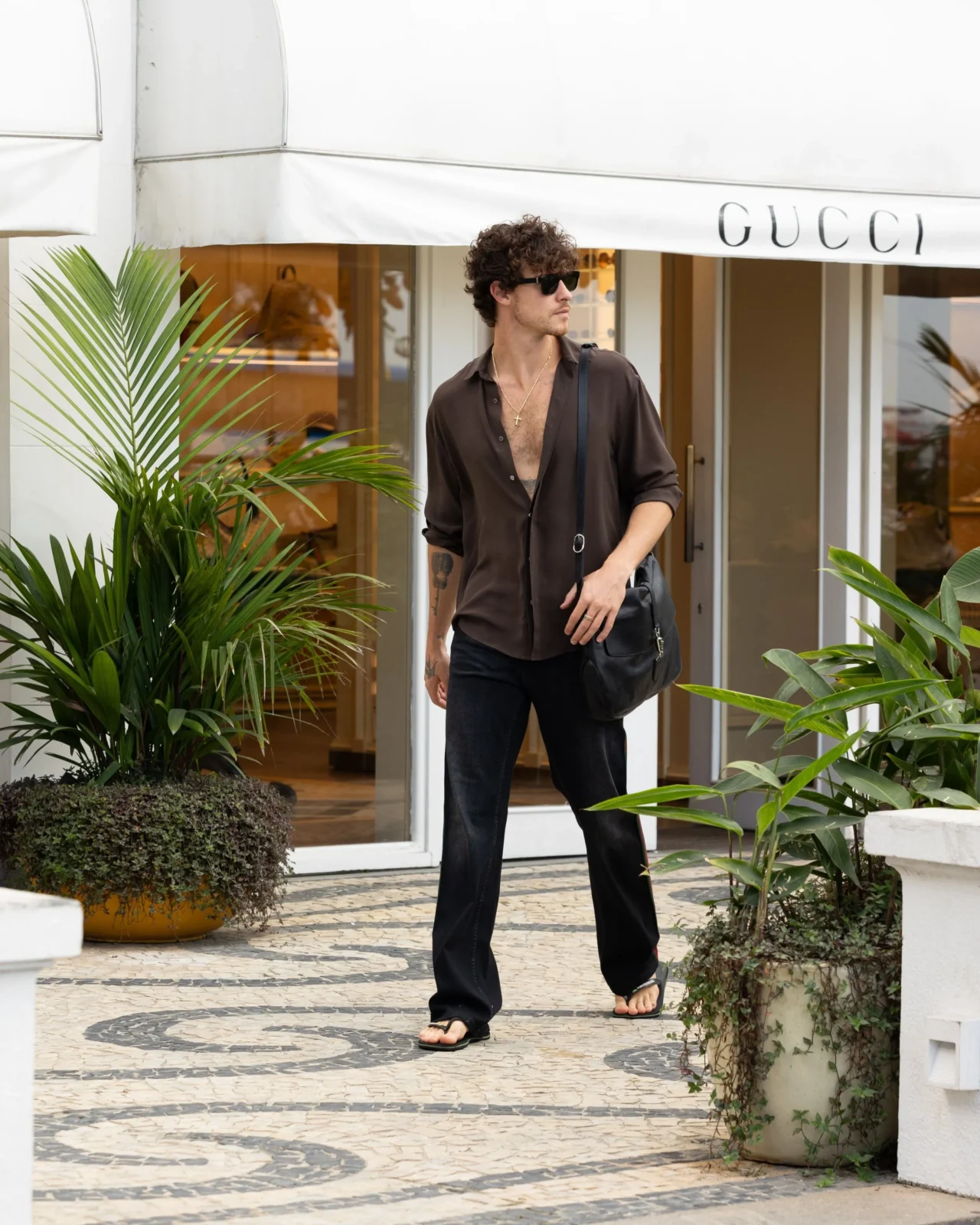
Nike, Adidas, Onitsuka, Reebok, and New Balance seem to be leaning into vintage-looking sneakers, specifically silver-accented styles that are trending in 2026. If sneakers were never really your thing to begin with, that’s fine—Birkenstock and Havaianas flip-flops can do the job with more personality than most people give them credit for.

Also, work on your shorts. Please, no boring shorts from 2026 onwards. Experiment with different lengths, patterns, and fabrics. Having a rotation of denim, chino, baggy, and soccer shorts is essential. Linen shorts may look great on a beach day in Coron, but they can look boring while you’re running errands around Salcedo. Nothing screams fun and cool quite like short shorts. Think Harrison Ford’s or JFK’s short shorts on their way to a summer in the Hamptons. The only downside is that now you’ve got nowhere to put your phone, wallet, keys, and whatever else you’re carrying.
Accessories, Silhouttes, Proportions, and Other Nuances
Nobody’s admiring your fit if your skin looks like it lost a fight with the sun. Redness, greasy skin, or—even worse—peeling—people notice those more than your whole outfit. It’s non-negotiable to have a good sunscreen that doesn’t break you out, a cap with a pop of color, and a pair of classic Ray-Ban rectangular sunglasses, which do more than just look good.
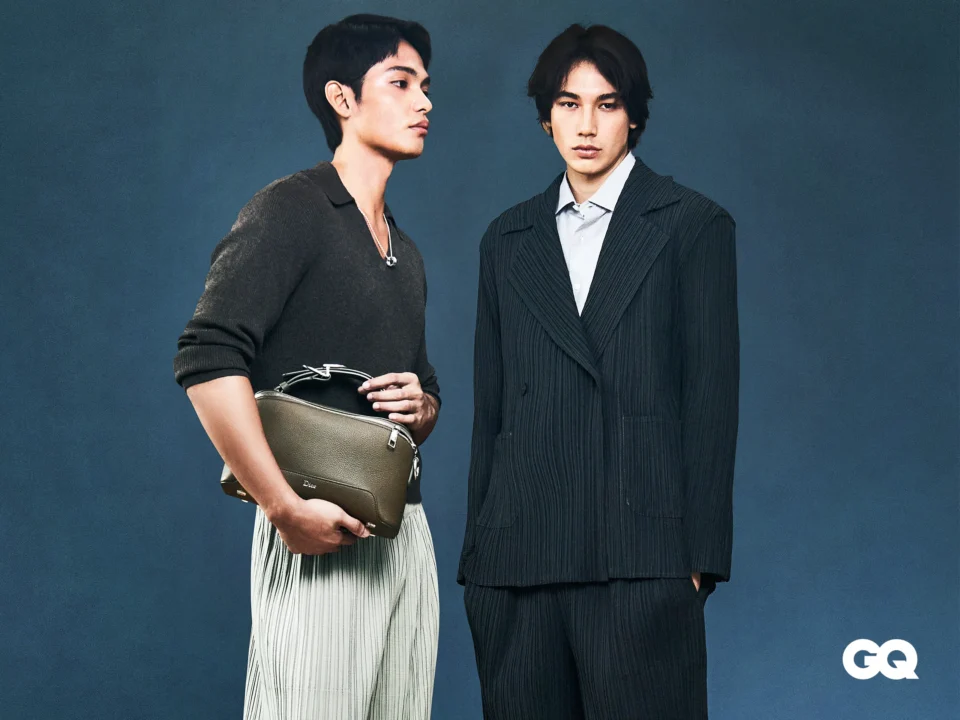
Carrying a bag, particularly one traditionally considered feminine, can create an interesting contrast against an otherwise “boyish” fit. Yes, we all know that people like Jacob Elordi popularized it, but it reads more accidental than intentional on most people. The key to successfully pulling it off is having the confidence to wear it. That comes across as more stylish and sophisticated, and nobody pulls it off better than a confident, stylish man who is comfortable with his own masculinity.
Accessories like rings and necklaces should be worn as well, but never overdone. Backpacks are off the table here; they read too corporate. Cut matters just as much. A slim-fit shirt that fits too well may enhance your arms and photograph well, but it can become a catch basin for sweat by noon. By choosing looser, well-proportioned shirts (and jeans), you give yourself room to breathe, literally.
Embrace the Messiness
To dress cool and stay “cool,” we must adhere to the Tom Ford bible: “To look too perfect is really the kiss of death.” Ford, like many other designers, believes that great style lives in contrast. In his case, it means wearing a perfect silk shirt and buttoned blazer contrasted with worn-in, distressed jeans. John F. Kennedy, Brad Pitt, and Anwar Hadid live by the same rules; they just have different takes on them.
To look stylish, you must truly “live” in your clothes. They shouldn’t feel like a costume once you put them on. Embracing the messiness allows you to dress more effortlessly. It is the most crucial element of style that most people miss when they’re trying to find their identity. Yes, fit, color, pattern, proportion, drape, weight, and material—all of these things matter. But the most important thing to looking “cool” and staying “cool” under the Philippine weather is to permit yourself to dress as cool as you think you are.
You can spend your life savings rebuilding your wardrobe, but the humidity still wins. It’s man against nature. What actually reads as style is not flinching because of it. Dress smart and stay true to what you love to wear, sure. But the winning ingredient is having the bravado to walk with your shoulders back and your head held high while the temperature climbs past 34°C, as if it was always part of the plan.
Frequently Asked Questions
Layering in humid heat works differently than in cold weather — the goal is breathability, not warmth. A fitted tank top under a structured suit, or a crisp shirt under an unbuttoned linen polo, creates a smart-casual look without trapping heat or doubling body warmth.
While the fabric of your outfits matters more than the color, lighter tones like sand, sage, and stone reflect heat. Navy conceals sweat than black. They also read as deliberate, not just heat-avoidant.
Linen, silk-linen blends, hemp, rayon, bamboo, and open-weave piqué are recommended for humid climates because they allow more air permeability. Standard cotton, while considered a “summer” fabric, actually holds onto sweat and moisture longer than polyester, making it a less ideal choice.
Neutrals like crisp white and black read as polished and safe, but a deep navy is recommended as a smarter alternative to pitch black, since it photographs cooler under direct sun. The key is choosing a palette that flatters your undertones rather than following generic trend charts.
A versatile, breathable shoe rotation works best — vintage-style sneakers from brands like Nike, Adidas, and New Balance are trending, while Birkenstocks and Havaianas flip-flops offer a breathable, casual alternative for those who prefer not to wear sneakers.