Summaries were generated by AI. Generative AI is experimental.
Explore other styles:
Walking into a contemporary art gallery for the first time can feel like crashing an exclusive party where everyone else speaks a secret language. The white-cube walls feel clinical, the price tags look like telephone numbers, and a looming sense of snobbery can easily trigger collectors’ anxiety. But here is the industry’s worst-kept secret: the modern art world wants you in it.
Whether you are looking to elevate your living room or discover the next creative prodigy, building an art collection is no longer reserved for eccentric billionaires. It is a highly personal, deeply rewarding pursuit that reflects your life, memories, and humor. To help you break the ice, we spoke with two seasoned experts from the Manila art scene: Thor Balanon, gallery director of the character-driven, design-forward Space Encounters Gallery, and Ricky Francisco, art curator and director of Fundacion Sansó, a museum dedicated to preserving the legacy of modernist master Juvenal Sansó.
Here is your foolproof roadmap to buying your very first piece.
Shed the Intimidation (and Just Walk In)
Before you can collect art, you have to look at it. And looking at art is completely free.
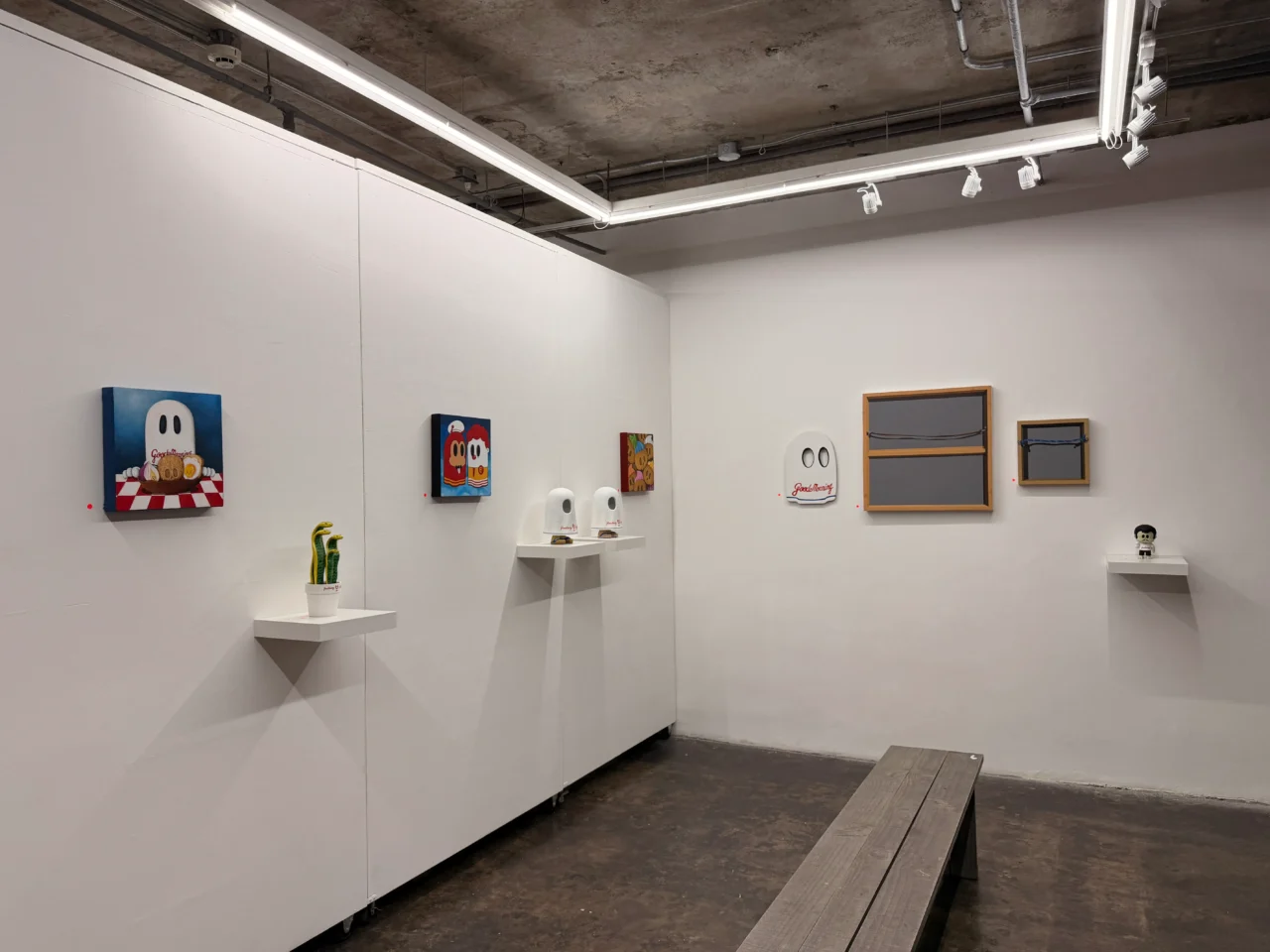
“Smiling and being nice go a long way!” says Thor Balanon. “The first thing we want to do is dispel the notion that art galleries are intimidating or snobbish spaces. We welcome visitors warmly, let them explore the gallery at their own pace, and give them time to acclimate. There’s no pressure to buy anything or even start a conversation immediately. Eventually, we might talk about the artworks, the artists, or simply ask what they think of the exhibition. Everything is very casual. We want people to feel comfortable asking questions, even if they know absolutely nothing about art.”
Train Your Eye at Non-Commercial Spaces
If walking into a gallery still feels too high-pressure, start your journey at public institutions, foundations, and museums. They offer a consequence-free training ground where nobody is trying to sell you anything.
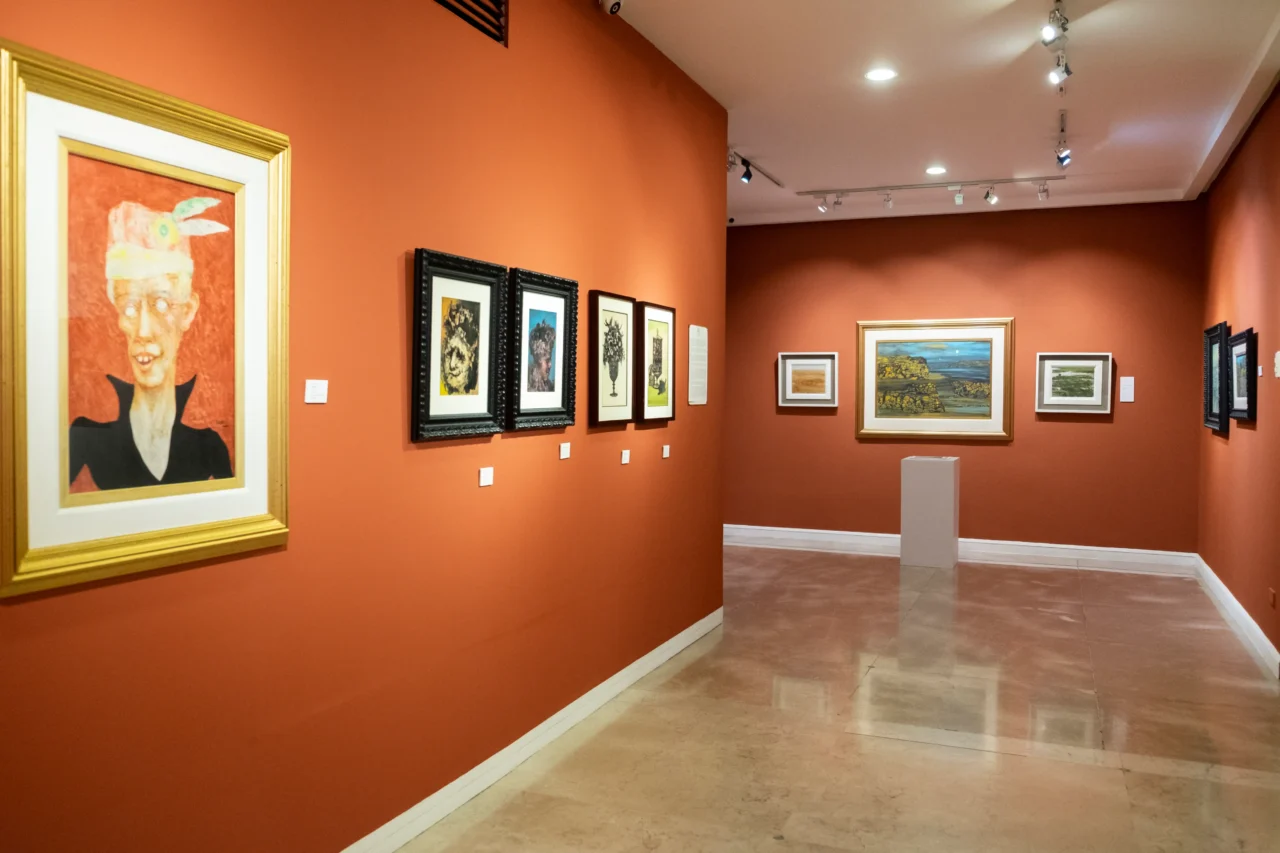
“For those who want to start collecting but don’t know what styles resonate with them yet, museums and foundations like Fundacion Sansó become very crucial training grounds because that’s where they see authentic art and works from different periods of the artist, as well as read about the works of the artist and get to interview experts and other collectors of that particular artist without having to spend in buying an artwork,” notes Ricky Francisco. “Here at Fundacion Sansó, even the entrance is free, as long as they visit during operation hours [Mondays to Saturdays, 10 a.m.-4 p.m.], and there’s no event, so they could really enjoy the works of Sansó at their leisure and at their own time.”
Balance Passion with Market Realities
Every first-time collector faces the ultimate dilemma: do I buy what I love, or do I buy for financial investment?
If you are chasing the high-stakes world of modern trends, the ride can be volatile. “On the one hand, ultra-contemporary trends tend to have a higher rate of return. Being exposed to a greater number of collectors, as well as a greater area,” Francisco explains. “Sometimes, someone like [Ronald] Ventura is also collected not only in the Philippines, but abroad. The market prices of works like those tend to become really high. However, the modernist masters like [Juvenal] Sansó have a longer market presence, and the value of their artwork is built over time and tends to become more stable, so it really depends on your taste and your risk appetite.”
Balanon echoes this, warning against the anxiety of treating art like a pure stock market play. “Art trends are unpredictable, and so are artists’ careers. So our first advice is always to buy something you genuinely love, something you feel a personal connection with. That way, regardless of what happens to its market value, you still have an artwork you enjoy living with.”
Stop Chasing “The Hype”
The most common rookie mistake is suffering from severe art world FOMO. “Getting caught up in the frenzy of acquiring works by popular or established artists,” says Balanon. “There’s sometimes this pressure to collect the names everyone is talking about, as though collecting were a competition. That can become exhausting, not to mention expensive, and it can take the joy out of the experience.”
Instead of fighting for over-allocated, hyped pieces, use a starter budget of PHP 30,000 to PHP 50,000 strategically. Look at small-to-medium contemporary works, limited-edition serigraphs, or sculptures. Discovering an emerging artist early is where the true thrill lies. “You’re not simply buying an artwork,” Balanon says. “You’re becoming part of someone’s creative journey.”
Protect Yourself with Authenticity
If you do decide to invest hard-earned capital in a legacy master, do not skip your homework. Forgeries are real, and the backrooms can be murky.
“Well, if the novice collector is interested in the works of living artists, I would suggest that the novice go to the exhibitions of that artist and get to know the artist better, if not personally,” advises Francisco. “So that way, the collector gets to have a sense of the artist’s works, aesthetics, and politics. However, if the novice collector wants to collect the works of masters, then authentication documentation and provenance are really important because they safeguard the new collector from the pitfalls of forgeries and fakes.” Francisco recommends sticking exclusively to established, reputable galleries at the start while you build up your knowledge base.
Let Your Home Have a Conversation
Once you buy the piece, don’t worry about whether it matches your couch. Let your home evolve naturally. Art isn’t a final decorative layer; it is the soul of the space.
“A home doesn’t need to look like it was assembled in one afternoon, or purchased from a single showroom,” Balanon concludes. “The most interesting homes are usually built over time. Cohesion doesn’t necessarily come from matching objects. Sometimes it comes from the personality of the person collecting them.”
Frequently Asked Questions
Beginners can start by visiting galleries, which Thor Balanon says welcome visitors without pressure, then training their eye at museums and foundations such as Fundacion Sansó. Buy something you genuinely love, avoid chasing hyped names, and start with a modest budget rather than treating art like a stock market play.
A starter budget of PHP 30,000 to PHP 50,000 can go toward small-to-medium contemporary works, limited-edition serigraphs, or sculptures. Discovering an emerging artist early is where the thrill lies, as Balanon puts it, because you become part of someone’s creative journey rather than competing for over-allocated, hyped pieces.
Buy what you love first. Ricky Francisco says ultra-contemporary artists such as Ronald Ventura can offer higher returns but volatile markets, while modernist masters like Juvenal Sansó have more stable, long-built value. Thor Balanon adds that regardless of market value, you still have an artwork you enjoy living with.
For modernist masters, authentication documentation and provenance are essential to guard against forgeries and fakes, says Ricky Francisco. He recommends sticking to established, reputable galleries while you build knowledge. For living artists, attend their exhibitions to understand their works, aesthetics, and politics before buying.
Fundacion Sansó offers free entrance Monday to Saturday, 10 a.m. to 4 p.m., except during events, so visitors can view Juvenal Sansó’s work at their own pace. Galleries like Space Encounters also welcome visitors to explore without pressure to buy or start a conversation.
Frequently Asked Questions
A beginner can start with a budget of PHP 30,000 to PHP 50,000.
Museums, foundations, and art galleries are good places to explore different artists and styles.
Start with artworks you genuinely love and feel a personal connection with, rather than buying based on trends.
Buy from reputable galleries and check the artwork’s authentication documents and provenance, especially when collecting works by established masters.