Summaries were generated by AI. Generative AI is experimental.
Explore other styles:
Let’s cut to the chase: no, you should not be wearing your running shoes to your weekly pickleball games. That’s an injury just waiting to happen.
Unfortunately, some people don’t realize that. The sneakers designed for lateral movements and sudden stops on the pickleball court may not provide the support your feet need while running, potentially leading to knee pain and other injuries. When it comes to workout shoes, there is no such thing as a “one size fits all” solution.
Serious training starts from the ground up. Literally. So yes, a little shoe-shopping spree to support your workout routine is more than justified.
Here’s a rundown of what you should consider adding to that shopping list.
Running Shoes
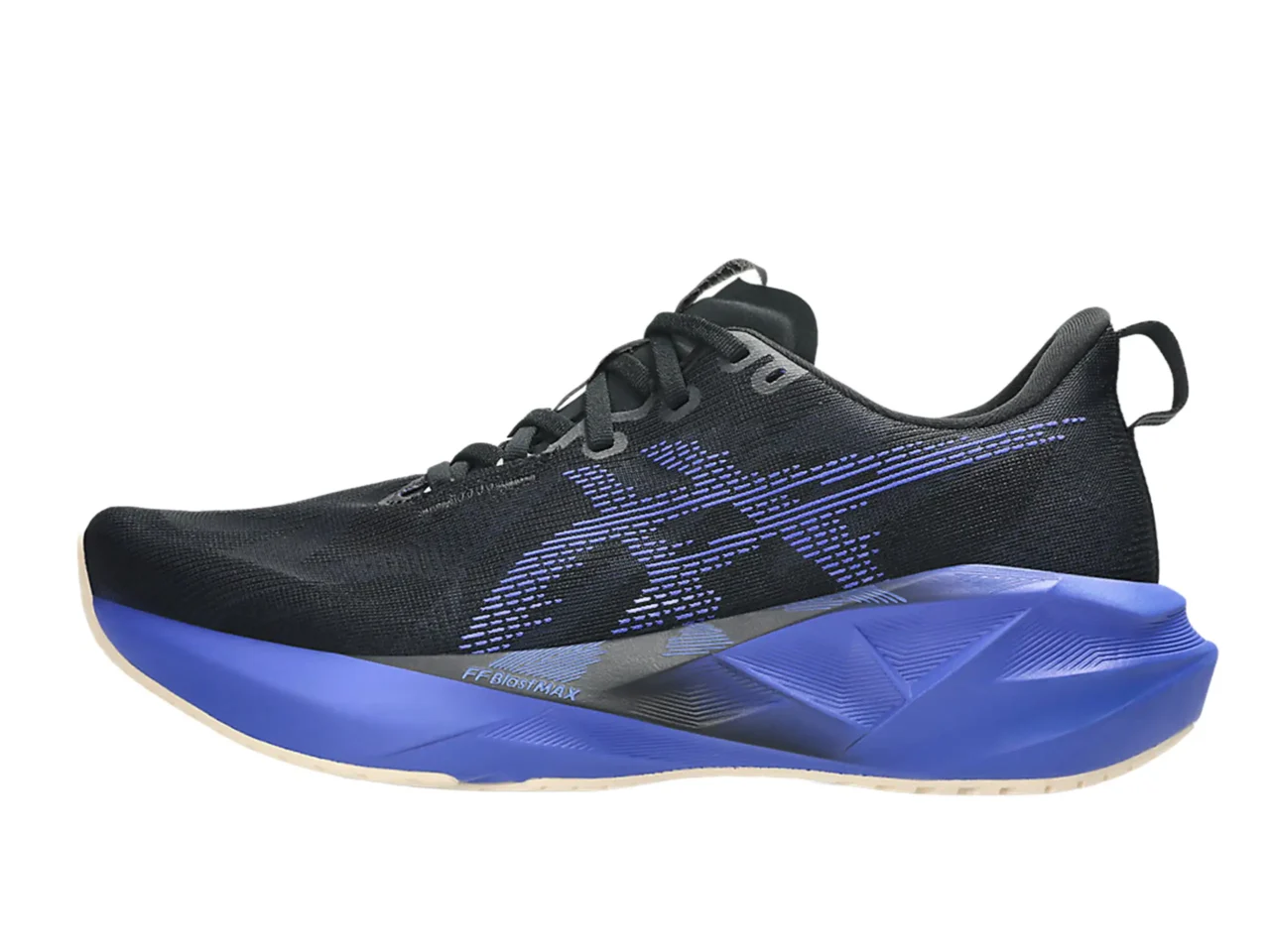
Those thick, colorful soles you see on running shoes? They’re not just for show.
Running shoes are engineered to cover two main bases: forward movement and repetitive impact. The thick, cushiony soles absorb impact from repeated strides, and the shape of the shoe is designed to support a smoother transition from heel to toe.
When you’re picking out your own shoes, you’ll notice a wide range of choices: neutral-cushioned shoes, stability shoes for feet that roll inward, lightweight racing shoes for speed, and trail running trainers.
It’s easy to get overwhelmed, but the best way to cut through the confusion is to undergo a treadmill gait analysis, which will tell you exactly what kind of runner you are and what kind of support your feet need.
The bottom line is: when you think of running shoes, think forward movement—not staying still or moving side-to-side. You’ll need something else for those types of workouts.
Weightlifting Shoes
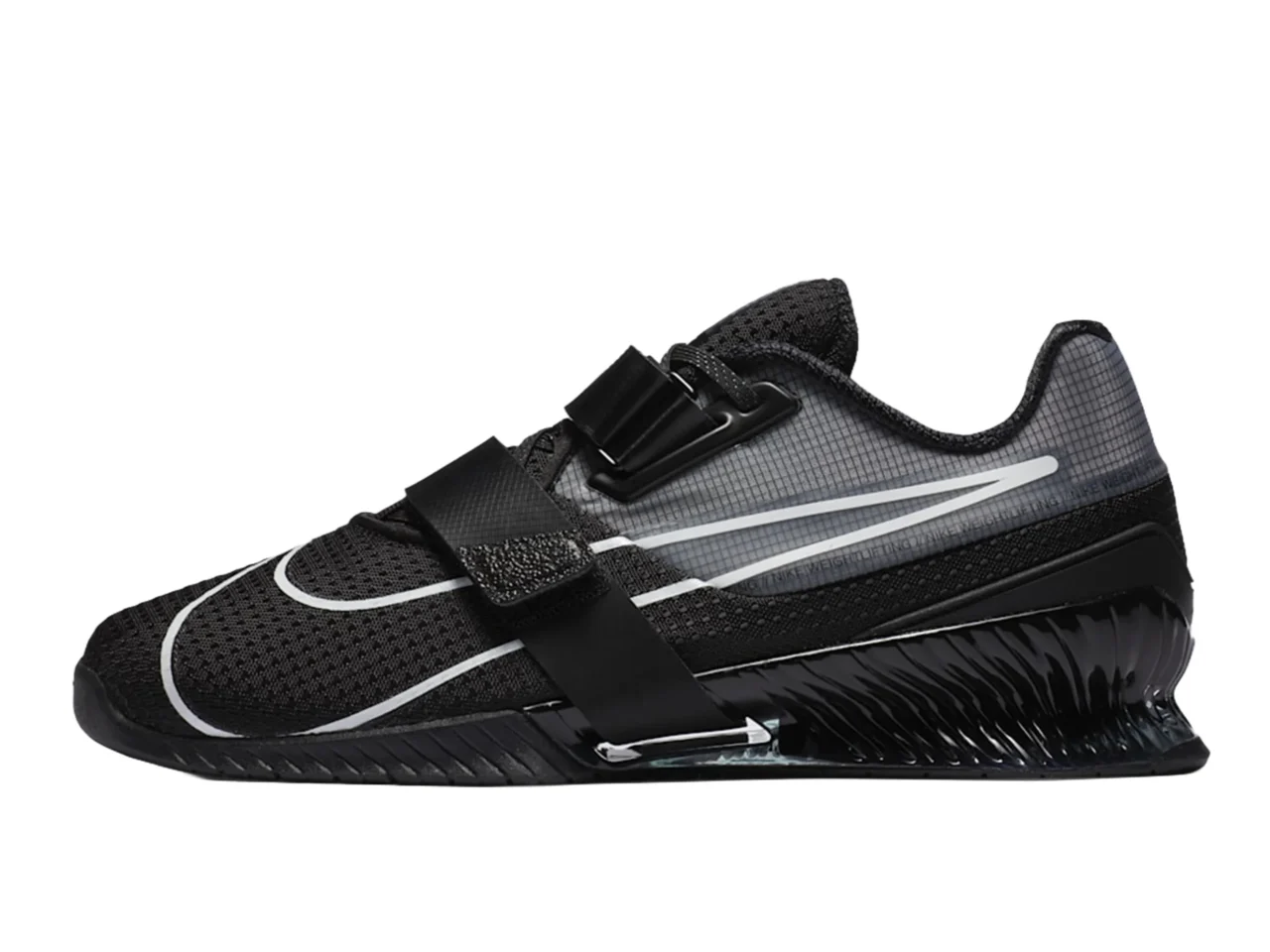
No matter how stylish your running shoes are, you shouldn’t be flashing them around at the gym (unless, of course, you’re hitting the treadmill). In fact, when it comes to lifting, you want as little cushioning as possible.
Imagine doing a deep squat with a barbell loaded across your shoulders. You’ll want as much balance and power as you can get—so what will you need? A shoe with minimal cushioning to maximize the force you generate from the ground up, a slightly raised heel that can boost ankle mobility for even deeper reps, and a wider, more stable base that gives you support under heavy loads.
Too much cushioning in the gym can work against you. The extra height of a running shoe can even increase your chances of an ankle roll in the gym, and that is not what you want when you’re carrying more than your own bodyweight.
Find a good weightlifting shoe with those features, and you’ll get the most out of every rep.
Court Shoes
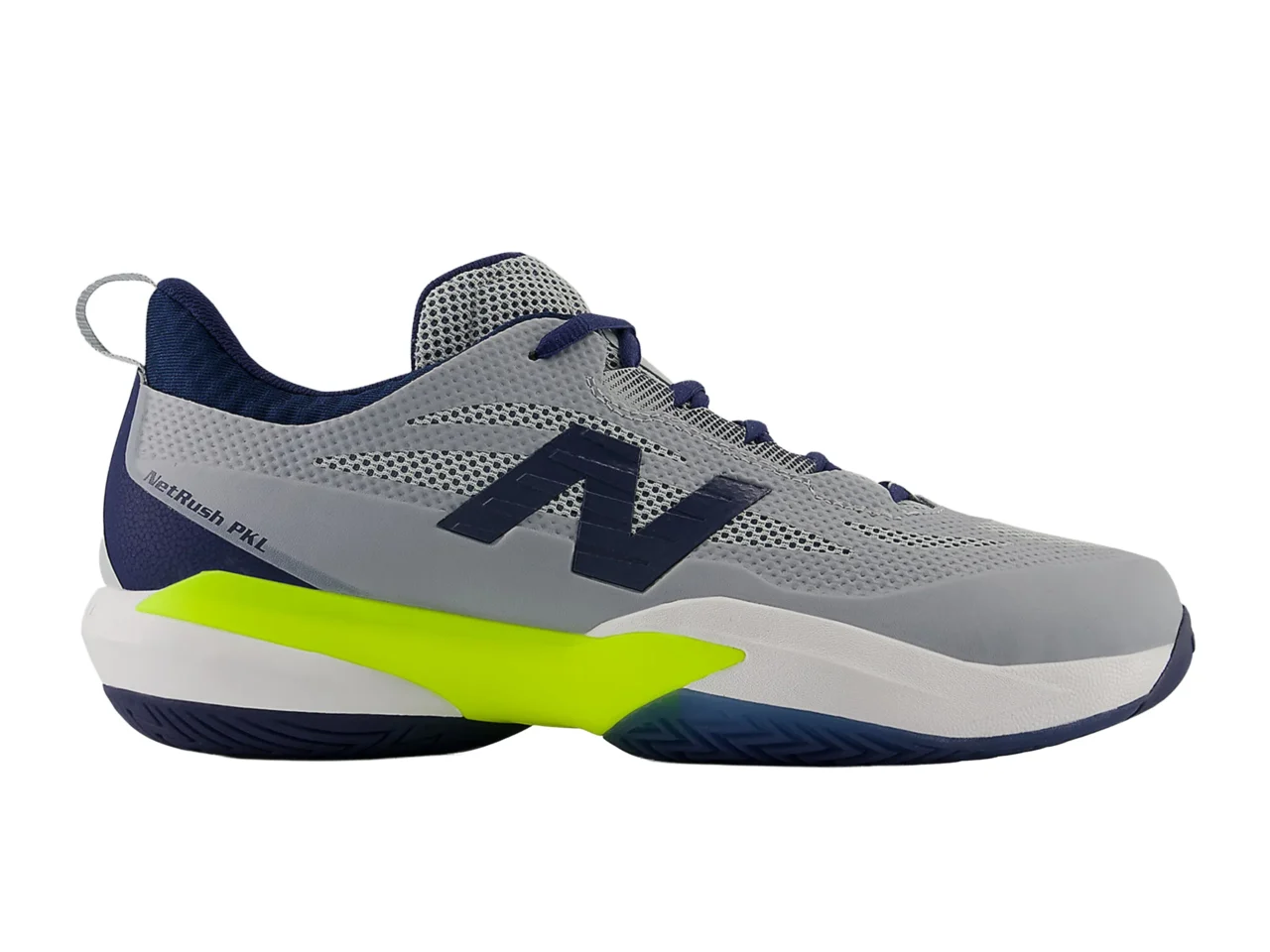
When you set foot on a court for sports such as pickleball, tennis, or basketball, you generally need a flat, low-to-the-ground sole. Sounds similar to a weightlifting shoe—but think twice before you make that crossover.
When you’re lifting weights, your feet need to be stable in one position for the most part. But try to picture Rafael Nadal at the peak of his powers: here, there, and everywhere. Court sports demand split-second reactions and constant lateral movement, so you’ll need a shoe that supports both multidirectional agility and a stable grip at the same time.
Court shoes are also designed with some cushioning—not as much as a running shoe, but enough to help absorb some of the shock from jumps and big strides without sacrificing stability.
And since every court sport places different demands on your feet, it’s worth investing in a shoe built for the specific one you play most.
Cross-trainers
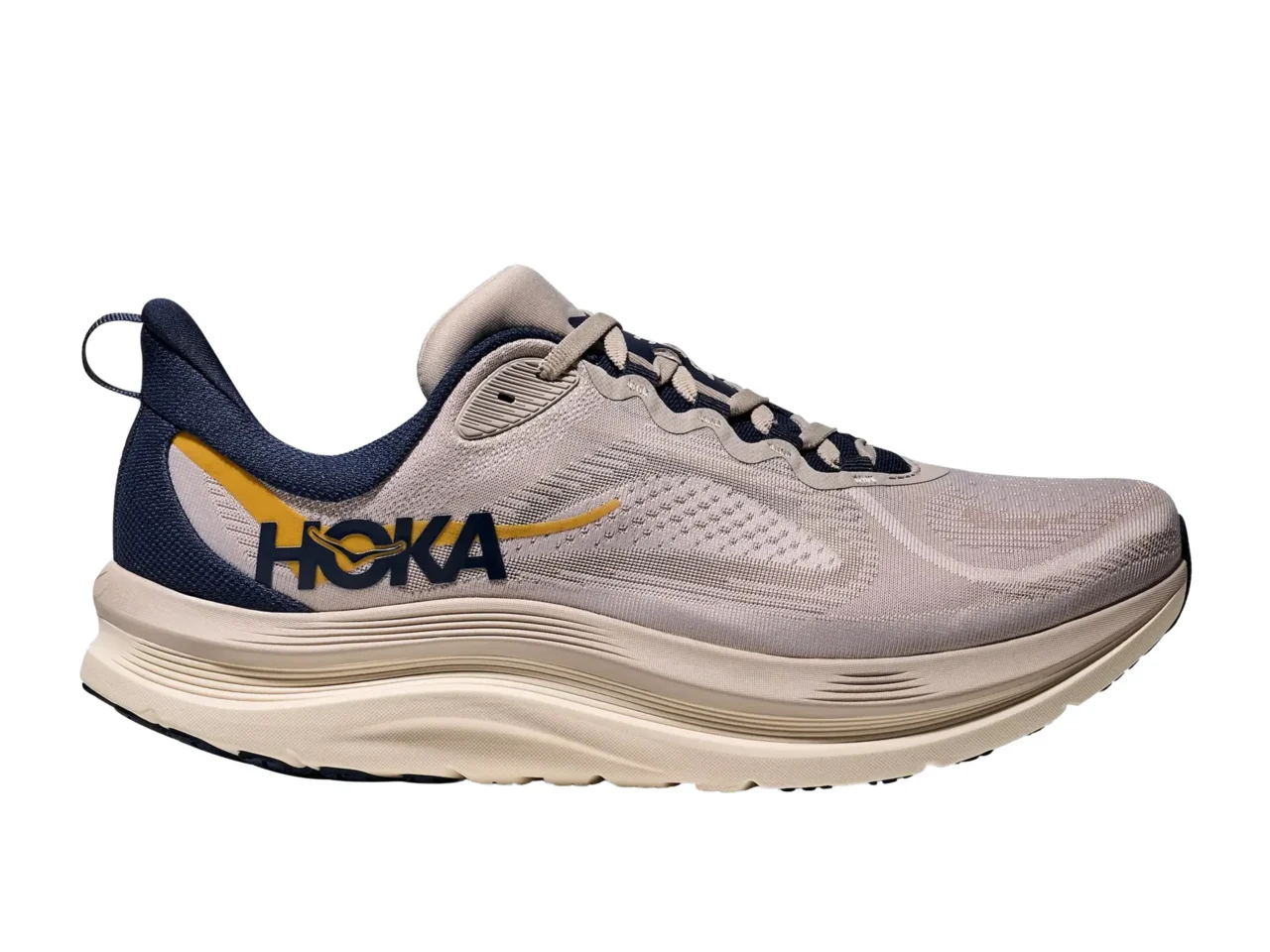
Although there is no one-size-fits-all solution when it comes to workout shoes, the most versatile would be a pair of cross-training shoes. As the name suggests, these trainers are usually designed to withstand a variety of movements. Think CrossFit, circuit training, or functional fitness workouts.
Shoes designed for cross-training are typically the closest thing to the best of all worlds. They’re flat and stable so you can lift with confidence, but flexible enough to withstand lateral movements. They have enough cushioning to absorb high-impact movements, like box jumps or burpees, but aren’t too thick that they compromise your balance.
These are as close to a “jack of all trades” as you can get, and these types of shoes can actually work for other workouts, too, in a pinch—but the key to building your sneaker lineup really depends on your specific regimen.
How Do I Choose the Right Shoe?
The point of having a variety of workout shoes is not for style’s sake (though it is a fun bonus). It’s about giving yourself a strong foundation to perform well, so that you get the most out of the time and effort you’re already putting in.
The best way to determine what types of shoes to invest in? Start by asking yourself a few questions: What type of workouts do you do most often, and how much time do you spend on each? Are you just a social pickleball player, or do you actually want a competitive edge? Are you a casual jogger, or are you gunning for a PR?
Trust us: the right sneaker rotation will help you get the results you’re actually working for.
Frequently Asked Questions
No. Running shoes are built for forward motion and repeated impact, not the lateral, multidirectional movement court sports require. Wearing them for pickleball, tennis, or basketball increases the risk of knee pain and other injuries due to a lack of proper lateral support.
A good weightlifting shoe has minimal cushioning to maximize force transfer from the ground, a slightly raised heel to improve ankle mobility for deeper squats, and a wide, stable base to support heavy loads. Too much cushioning can increase the risk of ankle rolls.
Court shoes and weightlifting shoes both have flat, low-to-the-ground soles, but court shoes prioritize multidirectional agility and grip for lateral movement, while weightlifting shoes prioritize stability in one fixed position. Court shoes also include more cushioning to absorb shock from jumps and strides.
Cross-training shoes are designed for varied movement, including CrossFit, circuit training, and functional fitness. They’re flat and stable enough for lifting, flexible enough for lateral movement, and cushioned enough to absorb high-impact moves like box jumps, making them the most versatile all-around option.
Consider what workouts you do most often and how seriously you train them — a casual pickleball player has different needs than a competitive one, and a jogger has different needs than someone chasing a personal record. A treadmill gait analysis can also help identify specific running support needs.