
Summaries were generated by AI. Generative AI is experimental.
Explore other styles:
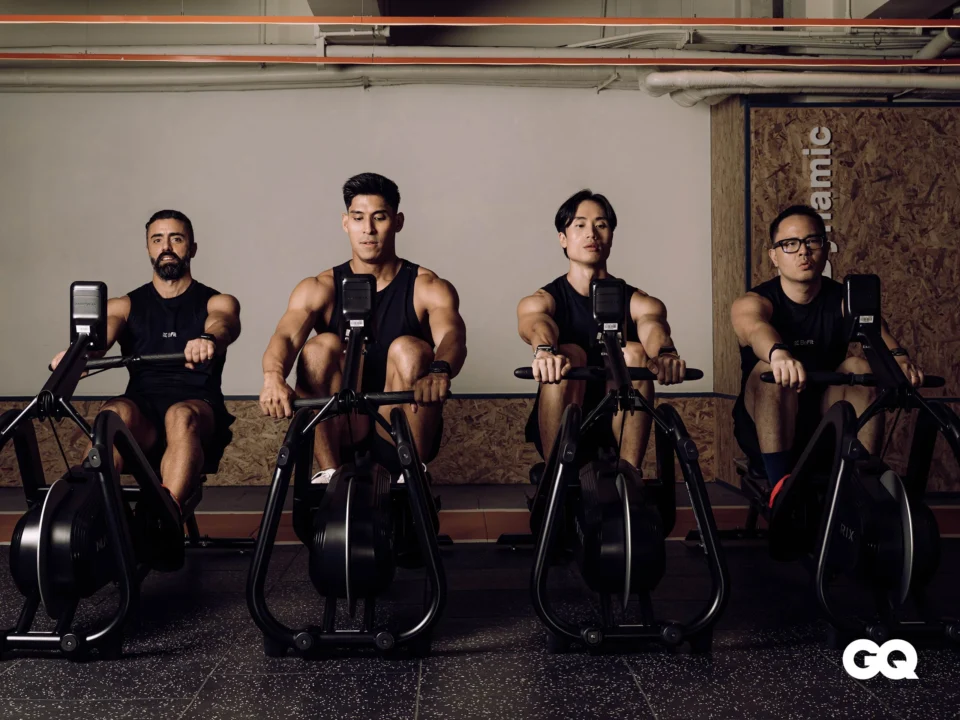
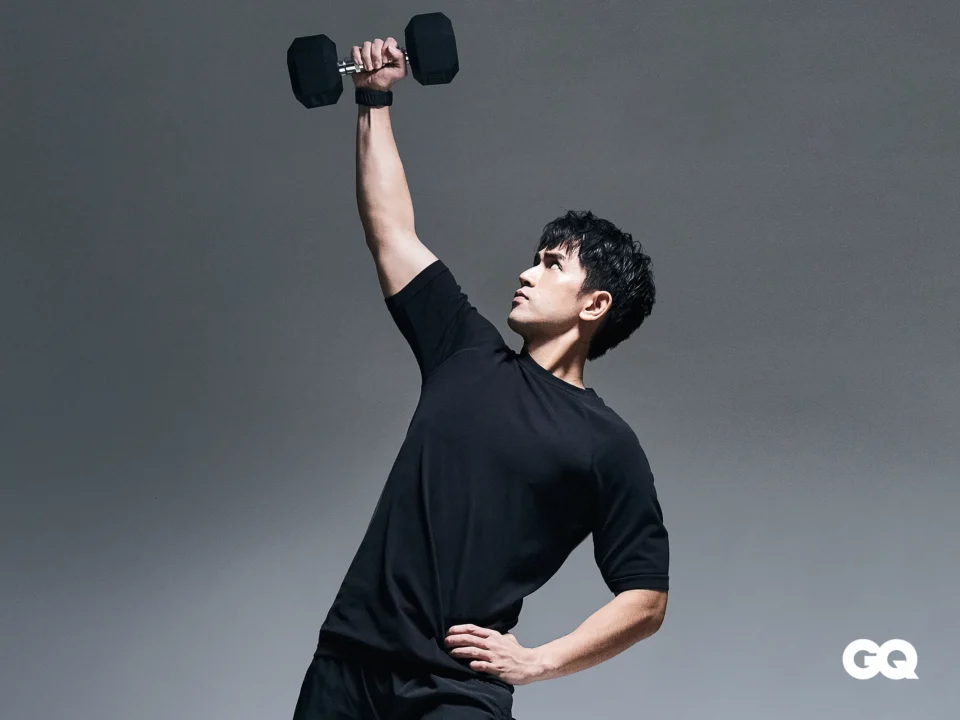
Meet four fitness coaches helping many Filipinos get stronger, fitter, and healthier. From building muscle to staying consistent with your workout, they share practical advice to help you reach your fitness goals.
Helping to grow Kettlebell Sport in the Philippines are Regine Sulit and Tim Ayson. Regine is a decorated international athlete, an IKO-IKFF Level 3 Coach who trained under world champion Denis Vasilev, and a 10-time gold medalist who has made kettlebells accessible to people of all levels. Alongside her is Tim, the team captain of the first-ever Philippine kettlebell lifting team. He is also a Candidate Master of Sport in Kettlebell and a master mentor who has helped certify over 100 local trainers.
Bringing elite team dynamics is Coach Chappy Callanta, a certified strength and conditioning specialist. He is currently the head of the high-performance department of the UP Office for Athletics and Sports Development, the office responsible for performance, strength, and conditioning programs for all UP teams. Rounding out the crew is Sandro Roman, a fitness and nutrition coach, Century Tuna Superbod, and Mr. Fitspiration winner, who has guided hundreds of clients around the world through radical body transformations.
Nutrition
Pre-workout nutrition is all about maximizing energy without bloating, but what you eat ultimately depends on your training style. For high-intensity endurance weightlifting, Sulit relies heavily on carbohydrates. “I love the idea of kakanin as a pre-workout because it keeps me feeling full and energized longer [during] my training sessions,” she shares, pointing to pandesal or dried mango as quick, accessible alternatives.
On the flip side, strength coach Ayson warns against eating too close to a grueling session. “If you are doing high-intensity, it is better to train on an empty stomach,” Ayson explains. If you must eat, he suggests a simple banana or a travel-friendly scoop of protein powder.
For Coach Callanta, efficiency rules the day: “When I’m in a rush, black coffee works well as a quick pick-me-up.” Bodybuilder Sandro Roman bridges the gap with a focus on portable convenience, often packing wheat bread paired with eggs, peanut butter, or canned tuna. “Your pre-workout snack should provide the fuel you need without making you feel too bloated,” Roman advises.
Form
Moving with intent and mastering your range of motion are the defining factors that separate injury from results. Sulit frequently spots lifters rushing through movements without proper awareness. “What I always teach my students and athletes to avoid mistakes is to build a good base of capacity before load,” she says, emphasizing that you must pay attention to how every lift feels, from the soles of your feet to your breathing.
Ayson focuses on structural efficiency, noting that one of the most common mistakes is failing to depress the shoulders. He cues the “anti-shrug” to actively recruit the lats during foundational movements like push-ups and lunges. Similarly, Callanta targets positional errors, noting that lifters often blur the lines between primary movements: “A squat becomes a deadlift and a deadlift becomes a squat. Get a coach who can teach the difference.”
Roman attributes these form breakdowns to heavy ego lifting or a lack of focus. “Muscles need to be properly contracted and stimulated in order for them to respond,” he asserts, reminding athletes that heavy plates mean nothing without a full range of motion.
Recovery
You do not grow in the gym; you grow during your recovery. For Sulit, recovery involves maintaining a healthy mental balance alongside physical rest. Her go-to local recovery meal is chicken inasal with rice and kangkong, or a hearty bowl of beef doenjang-jjigae. “We’re in a mentally taxing sport,” Sulit notes, “and sometimes a small treat goes a long way [toward helping us] enjoy it.”
Ayson advises lifters to stay disciplined once the workout ends. “It is very common for everybody to ‘open the gates’ and just eat anything after a session,” Ayson warns. He recommends sticking to a baseline of 25–30 grams of protein and 100 grams of carbohydrates post-workout. Callanta echoes this minimalist, whole-foods approach. “Just look at your plate and ask, ‘Where are my carbs? Where is my protein? Where are my healthy fats?'” Callanta suggests chicken inasal as a phenomenal recovery choice, provided you skip the extra chicken oil and load up on vegetables.
Ultimately, Roman reminds us that lifestyle consistency dictates your success. “You can spend hours working out, but if you’re taking sleep for granted and skipping meals, you will not see results,” Roman concludes, favoring fast-digesting carbs like white rice paired with clean proteins such as fish or lean pork.
Mental Cue
When physical exhaustion sets in, your internal dialogue determines whether you finish the set. Sulit, who routinely handles grueling 10-minute non-stop kettlebell sets, relies on a strict internal checklist. “It can be as simple as breathing longer or fuller in every rep to refresh the mind. Isolate and work on just one rep at a time,” she coaches.
Ayson introduces a logical system to evaluate pain versus fatigue. When you want to quit mid-set, he instructs you to mentally ask yourself three times whether you truly need to stop. “If all three times you said yes, put it down. It is not the end of the world,” Ayson says, advising athletes to objectively assess whether they overshot their weight or missed out on sleep.
Coach Callanta uses visualization and structural analogies to unlock power during heavy compound movements. “In a heavy squat or a deadlift, I tell them to think like they’re trying to push the earth away from them,” Callanta explains. It is a powerful paradigm shift echoed by Roman, who reminds us that limits are almost always psychological: “Your mind will usually ask you to quit before your body really needs to. Learning to stay composed and execute one more quality rep or go for that one extra mile or two is a skill that carries over into every aspect of fitness… and life.”
An Extra Tip
The ultimate secret to long-term fitness is building an adaptable, sustainable lifestyle that can withstand the chaos of everyday life. Sulit stresses that you do not need to give up the things you love; moderation keeps you in the game for the long haul. Ayson reminds us to look at the numbers objectively rather than emotionally, allowing you to adjust your training volume accordingly when life gets stressful.
For Callanta, keeping things simple and relying on foundational movements protects you from the fatigue of overcomplicating your routine. Finally, Roman points out that convenience is the true engine of consistency—packing your meals ahead of time eliminates the guesswork. When your nutrition, form, recovery, and mindset align, results become far more likely.
Words of Champions: Final Takeaways
To carry you through your next breakthrough, keep these parting words of wisdom from our coaches close in mind:
- Regine Sulit: “Build a good base of capacity before load, and take it just one intentional rep at a time.”
- Tim Ayson: “Know your requirements, evaluate your limits objectively, and never let ego dictate your volume.”
- Chappy Callanta: “Stop overcomplicating your training and your plate—master the fundamentals and learn to push the earth away.”
- Sandro Roman: “Remember that your mind will almost always ask you to quit long before your body ever needs to.”
Frequently Asked Questions
Pre-workout nutrition depends on training style. Kettlebell coach Regine Sulit favors carb-heavy options like pandesal or dried mango for endurance training, while coach Tim Ayson recommends training on an empty stomach for high-intensity sessions, or eating a banana or protein powder if needed.
Common mistakes include failing to build a strong base before adding load, not depressing the shoulders (the “anti-shrug” cue), confusing squat and deadlift positioning, and heavy ego lifting that sacrifices full range of motion, according to coaches Regine Sulit, Tim Ayson, and Chappy Callanta.
Coach Tim Ayson recommends a post-workout baseline of 25–30 grams of protein and 100 grams of carbohydrates, avoiding the tendency to “open the gates” and overeat. Coach Chappy Callanta suggests whole-food meals like chicken inasal, prioritizing carbs, protein, and healthy fats.
Coach Regine Sulit uses breathing cues and one-rep focus during grueling sets, while coach Tim Ayson advises asking yourself three times if you truly need to stop before quitting. Coach Sandro Roman notes the mind typically asks to quit before the body actually needs to.
The coaches are Regine Sulit and Tim Ayson, who help grow kettlebell sport in the Philippines, Chappy Callanta, head of the UP Office for Athletics and Sports Development’s high-performance department, and Sandro Roman, a fitness and nutrition coach and Century Tuna Superbod winner.

Peejo Pilar
With nearly two decades of production and publishing experience, managing editor Peejo Pilar runs GQ Philippines' daily operations like a finely tuned Wacky Races car engine—aligning and collaborating with writers, editors, and creatives. He assists the editor-in-chief and deputy editor in overall management and editorial campaigns as well as keeping the storytelling efficient and sharp, proof that you can manage creative chaos without losing your mind. You can contact him at [email protected].