
Summaries were generated by AI. Generative AI is experimental.
Explore other styles:
To eat in Manila is to navigate a landscape built on pork fat and vinegar. For decades, the prevailing narrative suggested that the FilipinoFilipinoThe national language of the Philippines, widely used for communication, education, media, and culture.Go to Filipino Glossary culinary identity could not exist without pork (and to some extent, beef and poultry). To excise meat from the equation was seen as a rejection of culture, or worse, a lifestyle reserved strictly for the affluent or the ailing.
But as the global conversation shifts toward sustainability, a quiet revolution is taking place across the archipelago. The modern plant-based movement is no longer about imported, expensive meat substitutes packaged by multinational corporations. It is about reclaiming the islands’ natural agricultural heritage.
“I decided to turn vegan in 2016 because I realized that I could actually give up dairy, and when I did, my allergic rhinitis went away almost immediately,” says Mabi David, a fermentation enthusiast and advocate for organic agriculture who works with community-supported agriculture models through Starter Sisters.
For David, that physical transformation opened the door to a profound philosophical alignment. “Before going vegan, I would suffer from terrible nasal congestion every morning and go through loads of tissues. I was really shocked but also very pleased by the immediate benefit, and it made me want to learn more about veganism. It opened my eyes to the billions of animals killed every day, and I learned that it’s more than a diet—it’s an ethical stance to prevent the suffering of all animals, fight the commodification of life, and practice compassion towards all living beings.”
Embracing this lifestyle in a culture that expresses love through shared, meat-heavy meals requires a delicate social choreography. Yet, the old anxieties of alienating friends or starving at a roadside diner are rapidly fading. Outside the capital, the local carinderia serves as an accidental sanctuary.
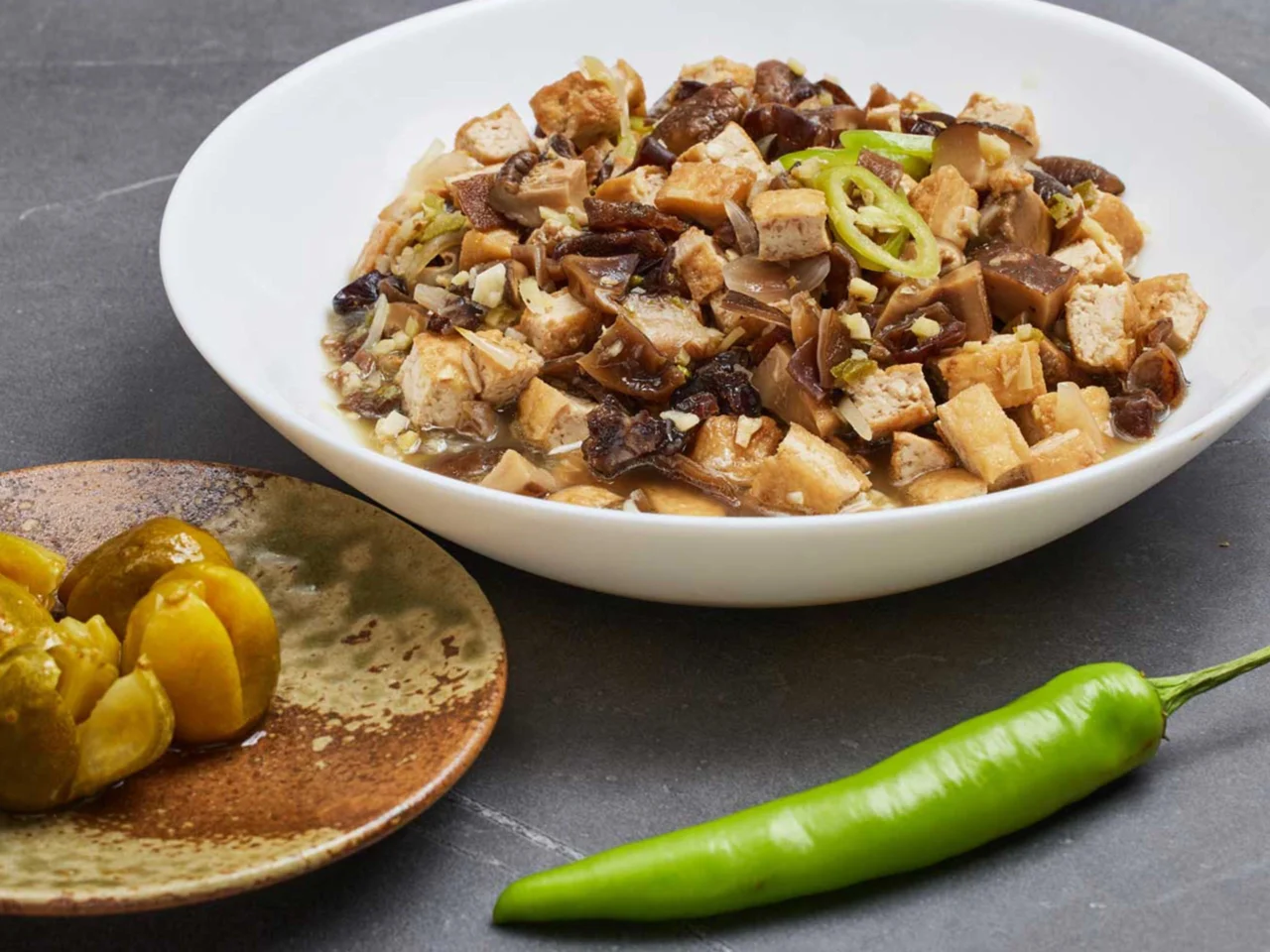
“I enjoy checking out vegan options in carinderias, and I find that it’s become typical for them to feature one or two accidentally vegan dishes,” David observes. “I find there’s almost always lumpiang ubod or lumpiang togue, which is very yummy with rice and vinegar. There’s also often fried tofu, ginataang sitaw at kalabasa, or ginisang togue at tokwa. There’s almost always lumpia and tokwa!”
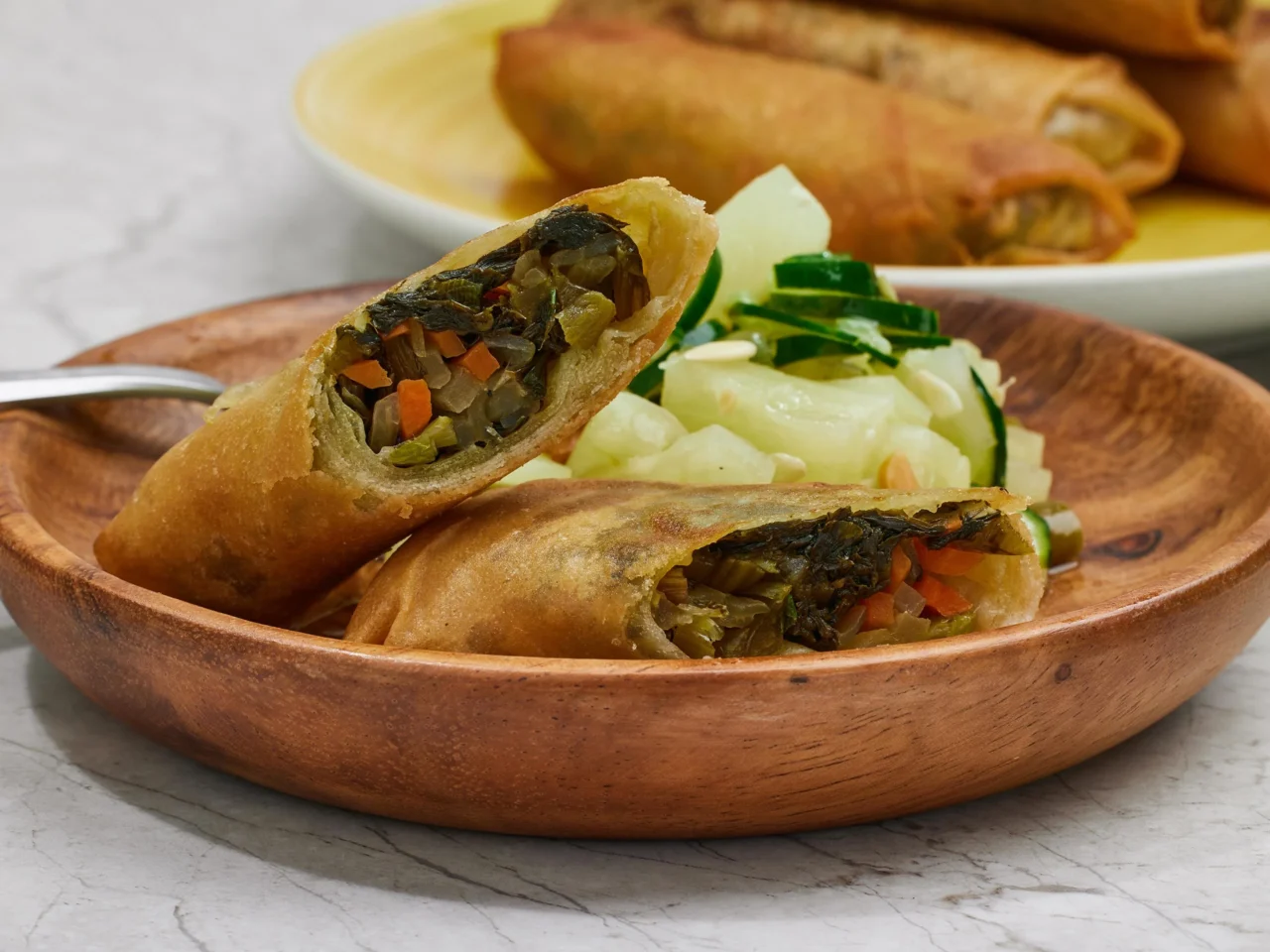
Back in Metro Manila, the scene has matured from boiled vegetables into a sophisticated culinary subculture. High-end institutions craft bespoke vegan dishes, while local artisans use fermentation to create complex nut cheeses and innovative local products such as buko pusit. This evolution is less about chasing a Western trend than about a collective awakening to structural crises, public health, and ecological footprints.
For the modern FilipinoFilipinoThe national language of the Philippines, widely used for communication, education, media, and culture.Go to Filipino Glossary terrified of losing their cultural food identity, the solution lies not in looking outward, but in looking back at our roots. “The Philippines is an agricultural country,” David notes, pointing to grassroots efforts like the “Gulay Pa More!” festival, which celebrates the country’s rich plant biodiversity while supporting small-batch farmers, showcasing rare ingredients, and advocating plant-based diets.
“We have many dishes that are plant-based by default because they reflect the local biodiversity, what is abundant in that [specific region], and this is tied to local culture and local foodways. The work of Chef Laorence Castillo and Gulay Na! Collective [shows] that we have a very rich plant-based food culture—we just need to liberate our imagination from the Western, corporatized ideas and images of what vegan food is, which tends to dominate what we are seeing on social media.”
So, is it hard to eat vegan food in the Philippines?
“It’s 2026. Not anymore”, says David.
Frequently Asked Questions
According to fermentation advocate Mabi David, the plant-based movement has shifted from relying on expensive imported meat substitutes to reclaiming naturally plant-based Filipino dishes. Local carinderias, high-end restaurants, and grassroots food movements now make vegan eating far more accessible than in past decades.
Common accidentally vegan carinderia dishes include lumpiang ubod, lumpiang togue, fried tofu, ginataang sitaw at kalabasa, and ginisang togue at tokwa. Advocate Mabi David notes these dishes are typically available without needing to seek out a dedicated vegan restaurant.
Mabi David is a fermentation enthusiast and organic agriculture advocate who works with community-supported agriculture models through Starter Sisters. She turned vegan in 2016 after discovering that cutting dairy resolved her chronic allergic rhinitis.
Gulay Pa More! is a grassroots Philippine festival that celebrates the country’s plant biodiversity, supports small-batch farmers, and showcases rare local ingredients while advocating for plant-based diets rooted in Filipino agricultural heritage rather than imported vegan trends.
Yes, according to advocate Mabi David, who argues the Philippines already has a rich plant-based food tradition shaped by regional biodiversity and local foodways. She says the challenge is separating vegan eating from Western, corporatized ideas of what plant-based food should look like.