Summaries were generated by AI. Generative AI is experimental.
Explore other styles:
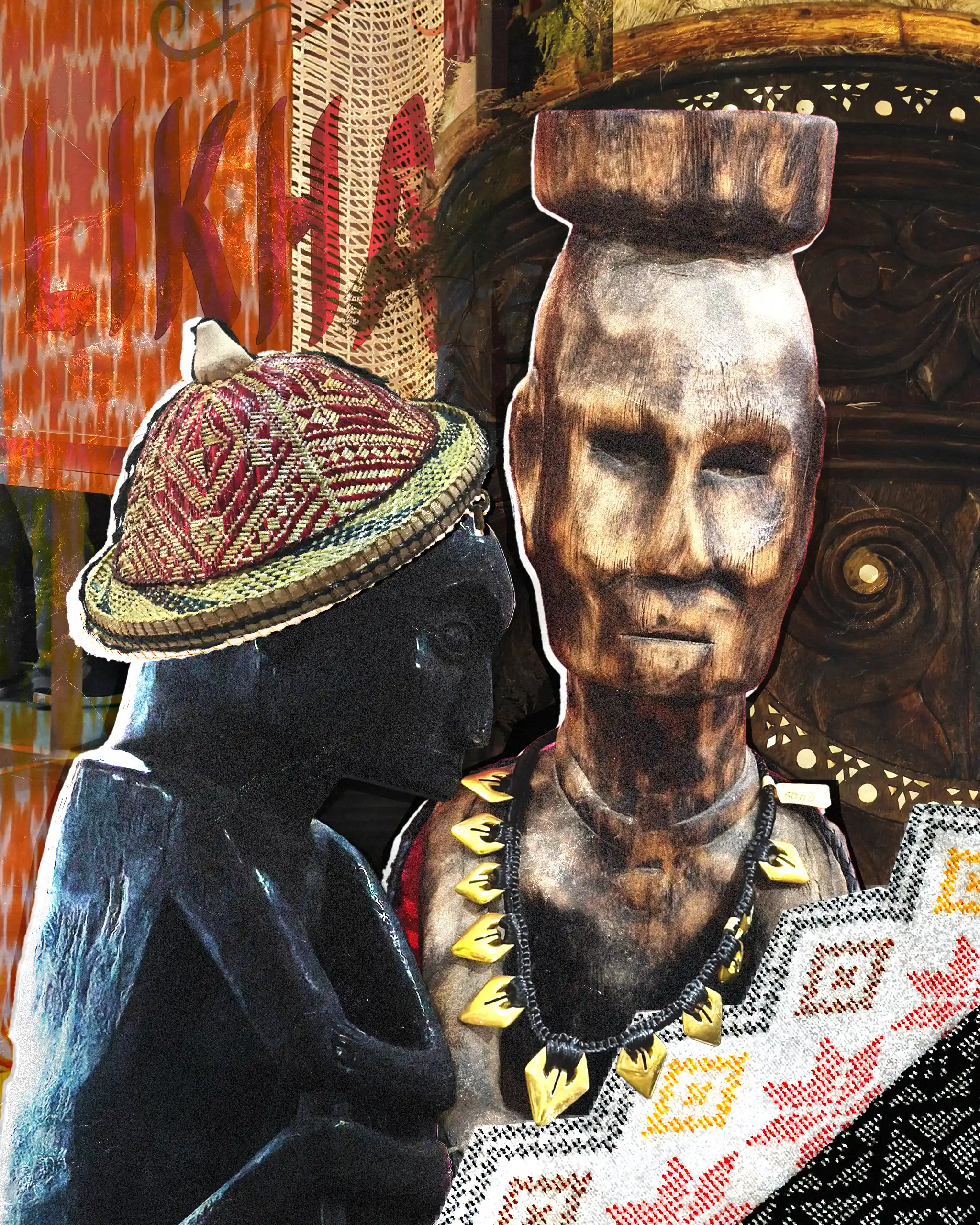
FilipinoFilipinoThe national language of the Philippines, widely used for communication, education, media, and culture.Go to Filipino Glossary craft suffers from a peculiar paradox: it is entirely ubiquitous, yet remarkably invisible. A masterfully woven mat is adapted into modern furniture; hand-coiled baskets transition into everyday storage; intricate, hand-carved totems are flattened into casual bookshelf decor. The profound human labor anchoring these objects tends to evaporate the moment they enter ordinary life. LIKHA 5, themed “Likha Ko, Lahi Ko,” pushed against that disappearance.
Held from October 2 to 4, 2026, at the Likhang Filipino Exhibition Halls along Roxas Boulevard in Pasay City, the fifth edition brought together more than 100 FilipinoFilipinoThe national language of the Philippines, widely used for communication, education, media, and culture.Go to Filipino Glossary artisans, designers, makers, and local brands. There were 106 booths in total, spanning emerging makers, LIKHA graduates, and established and legacy artisans. It was also the first event held in the venue’s new permanent home.
The new address gives the fair a different weight. Opened in January 2026, the 8,000-square-meter Likhang FilipinoFilipinoThe national language of the Philippines, widely used for communication, education, media, and culture.Go to Filipino Glossary Exhibition Hall was designed as a year-round showroom, retail space, and creative hub for Philippine-made products. Its six galleries bring together more than 2,000 products from nearly 200 enterprises, giving Filipino craft somewhere to exist long after the weekend market has packed up.
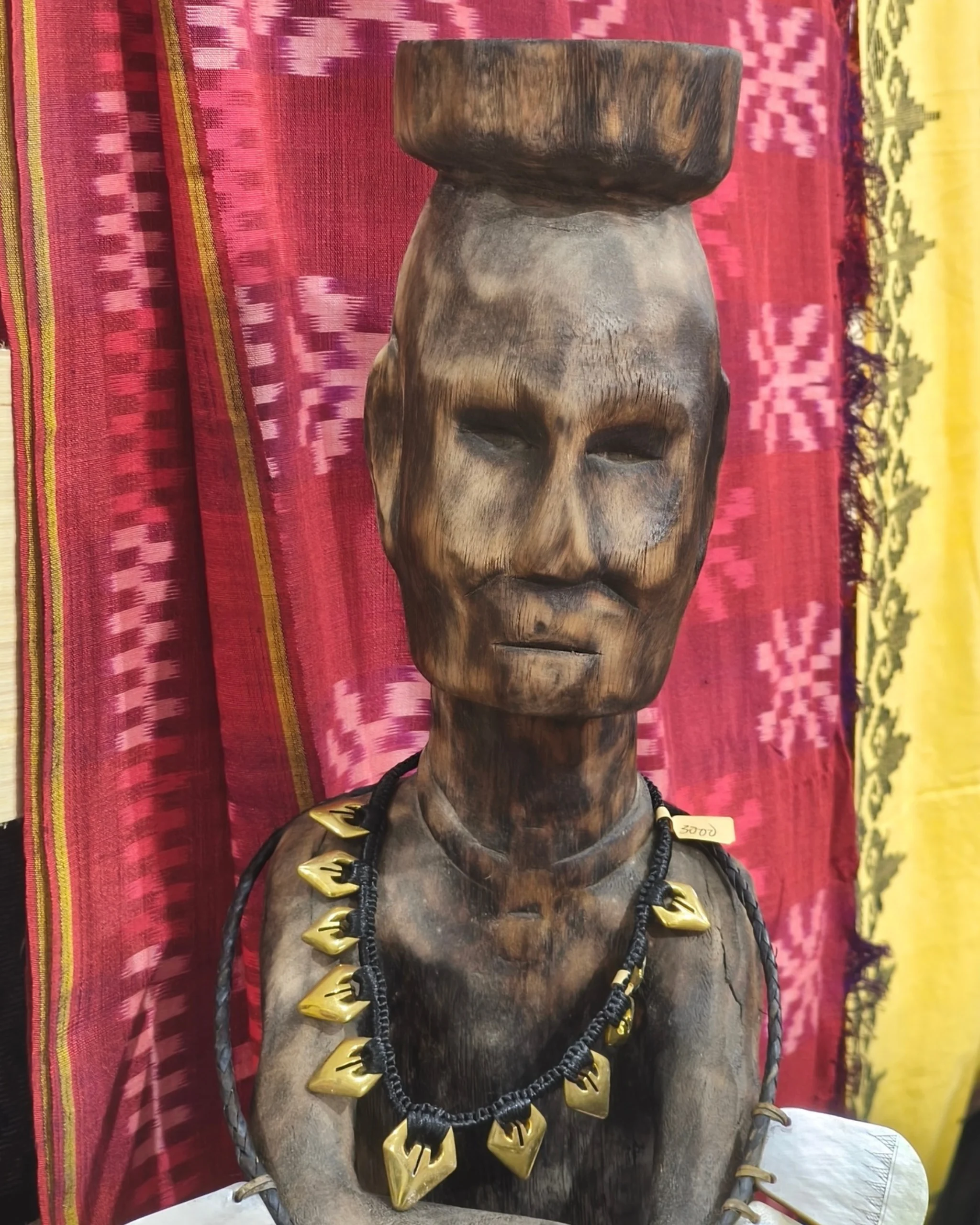
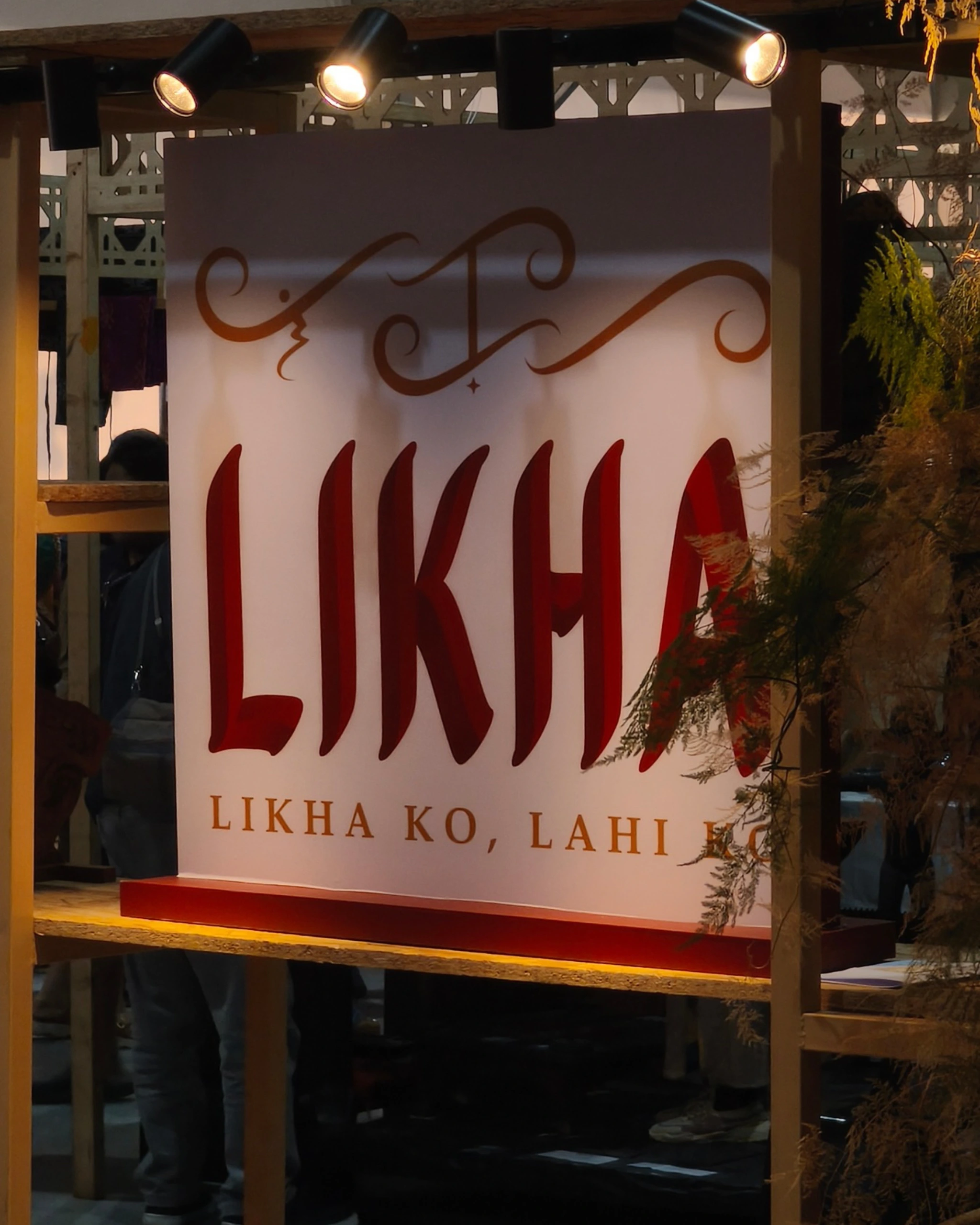
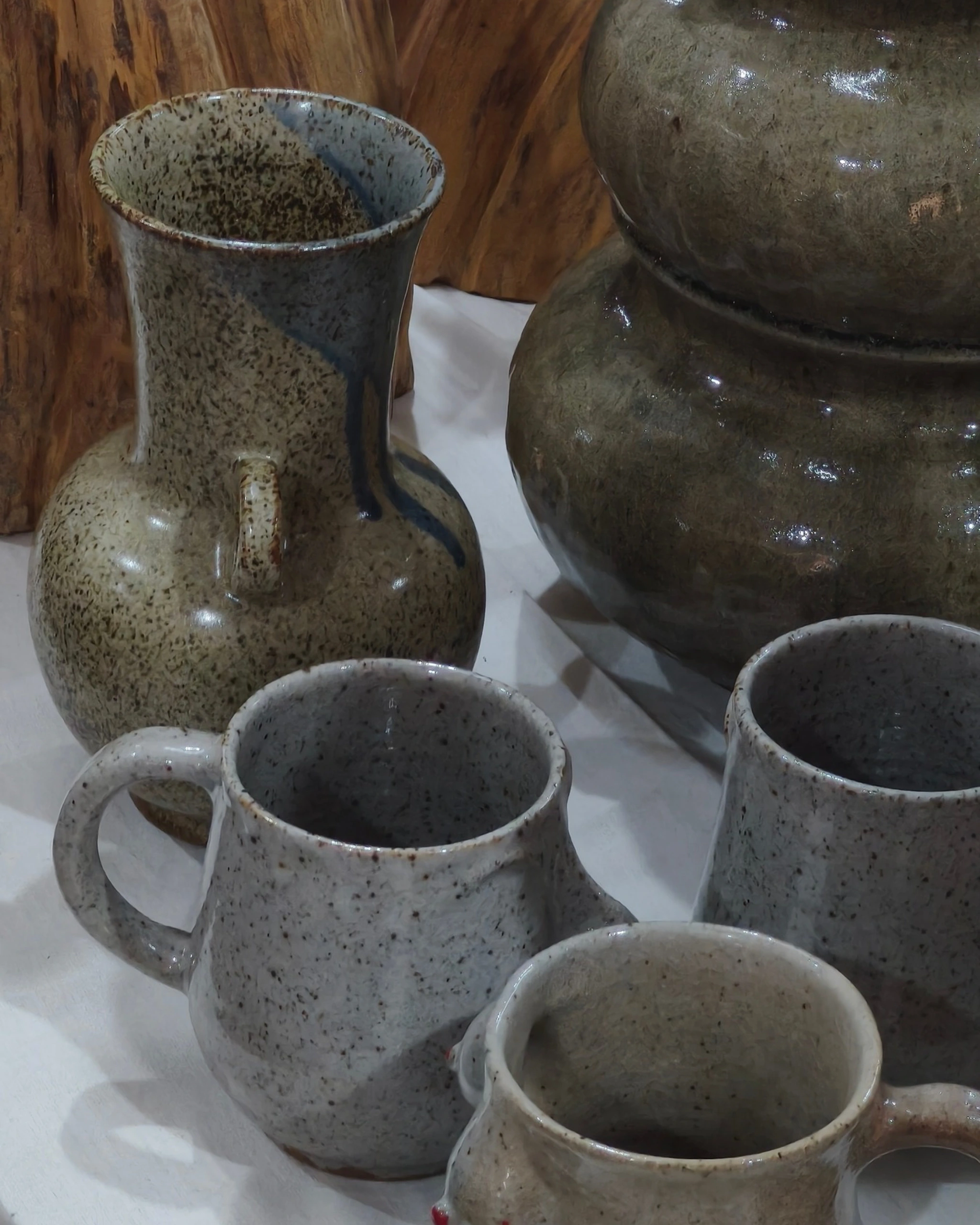
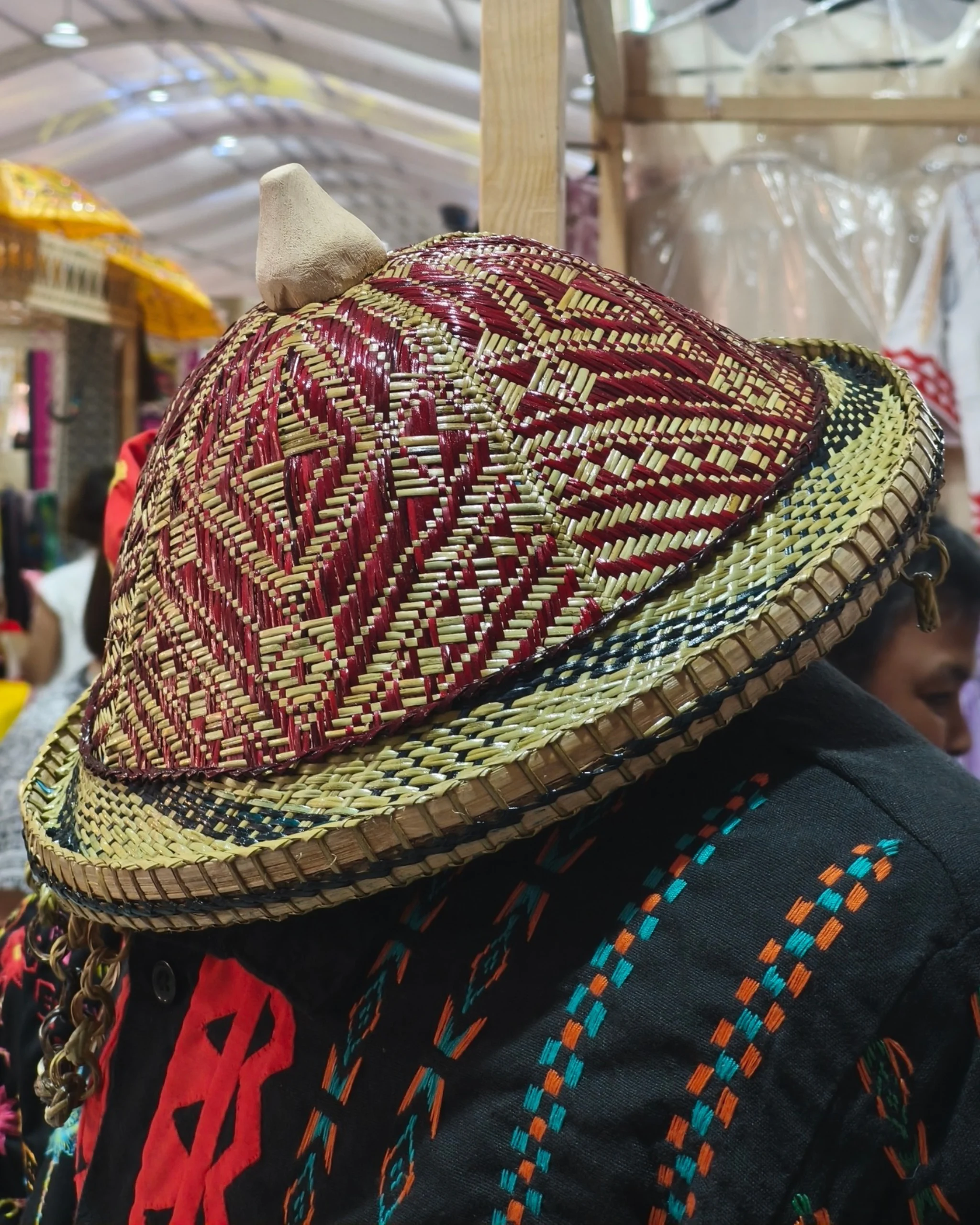
At this year’s fair, tradition wasn’t preserved as an artifact, and instead, it felt like knowledge was still being practiced. One of the featured artisans was JoyRuth Tala-Palo of the Tagoloanon community in Bukidnon, whose traditional attire uses a color system carrying meanings tied to bravery, protection, justice, and womanhood. Elizabeth Talac of the Tau’t Bato tribe demonstrated usok, an ancestral technique that repeatedly smokes rattan until it turns dark, creating patterns on hats, baskets, and bags.
The core messaging behind LIKHA goes beyond asking Filipinos to buy local. It invites us to look more closely at what they are buying, who made it, where the technique came from, and what it takes for that knowledge to survive. The program, which began in 2023, has built its identity around workshops, demonstrations, conversations, and collaborations between master craftsmen, emerging artisans, and designers.
Heritage, after all, only stays alive when people continue to use it. LIKHA 5 makes a case for FilipinoFilipinoThe national language of the Philippines, widely used for communication, education, media, and culture.Go to Filipino Glossary craft not as something frozen in the past, but as something that can keep evolving without losing where it came from. The craft is old, but its future does not have to be.
Frequently Asked Questions
LIKHA 5 is the fifth edition of a Filipino craft fair featuring more than 100 artisans, designers, makers, and local brands.
It was held from October 2 to 4 at the Likhang Filipino Exhibition Halls along Roxas Boulevard in Pasay City.
It is an 8,000-square-meter permanent showroom, retail space, and creative hub for Philippine-made products.