
Summaries were generated by AI. Generative AI is experimental.
Explore other styles:
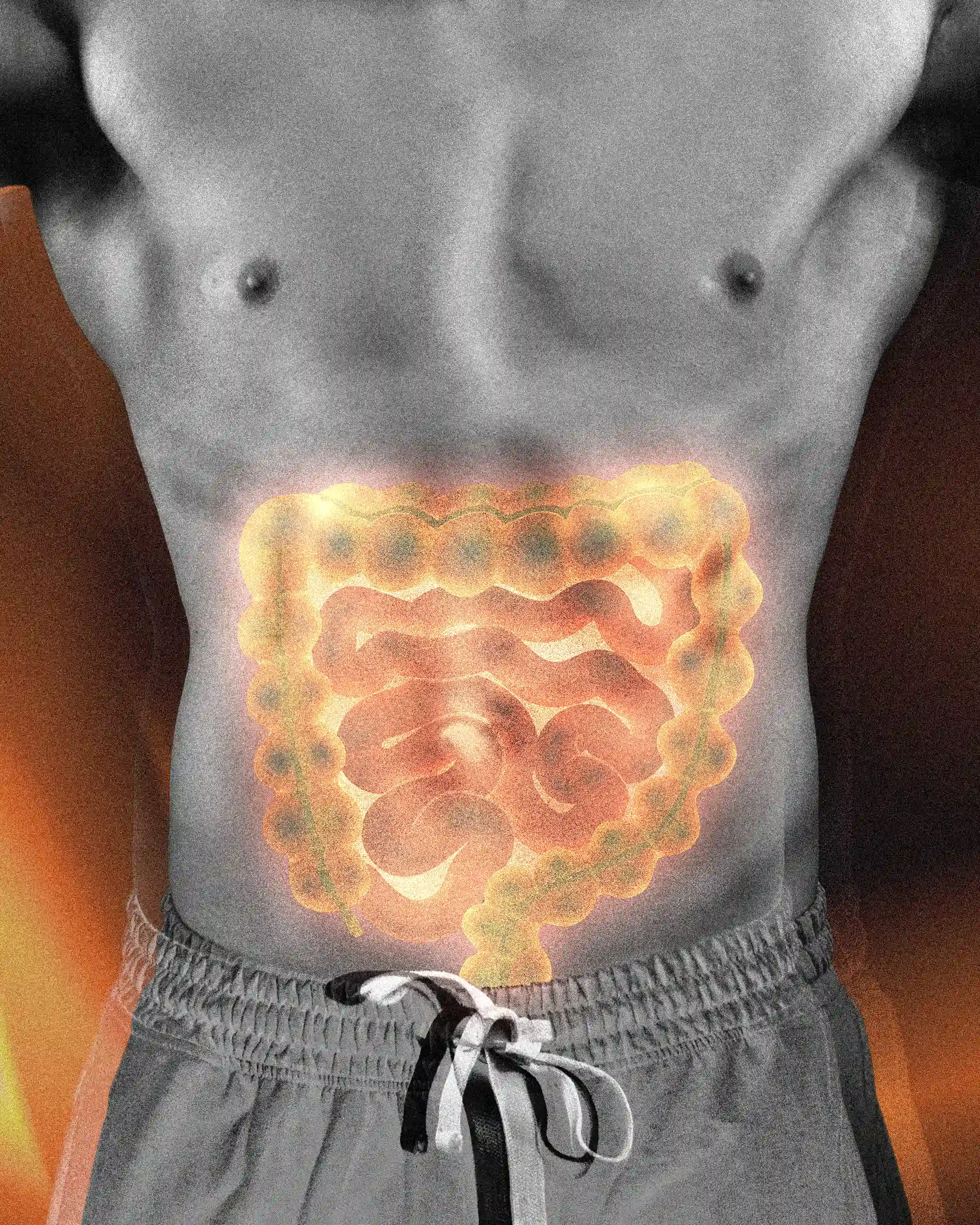
We call the gut the body’s “second brain” for a very definitive biological reason. According to researchers at Johns Hopkins Medicine, your digestive walls house the enteric nervous system (ENS)—a complex web of more than 100 million nerve cells that communicate directly with the brain in your skull. This intricate internal ecosystem wields an outsized influence over how you feel, how you function, and ultimately, how you look.
Clinical data from the Cleveland Clinic reveals that roughly 90% of the body’s serotonin—the key neurotransmitter regulating sleep, mood, and digestion—is synthesized directly within the gastrointestinal tract. When your microbiome experiences dysbiosis, the systemic fallout is far-reaching: persistent insomnia, a dull complexion, brittle hair, and a chronic cortisol imbalance that keeps your nervous system trapped in a perpetual, exhausting state of fight-or-flight.
Medical professionals refer to this highway of bidirectional communication as the gut-brain axis. For the modern man, optimizing this pathway is the ultimate grooming shortcut—a preventative tool that keeps breakouts at bay far better than a luxury face wash. Your gut dictates the very quality of your daily performance. Here is how to finally manage your most important internal tenant.
The Microscopic Empire Under Your Belt
Every human gut is a distinct, shifting ecosystem. Yours is entirely unique to you, harboring close to 38 trillion bacterial cells. This is precisely why top-tier health experts argue that there is no one-size-fits-all pill capable of curing your specific baseline ailments. Your microbiome is actively sculpted by your geography, your diet, past antibiotic use, daily stress levels, and even your sleep architecture. Because there is no universal quick fix, scientists are still unearthing the vast depths of how deeply intestinal health governs long-term vitality.
“Science is evolving, as it always is, and now [gut health] is starting to be recognized as a key component of one’s health.” Dr. Marc Dexter Macalintal, an MD who specializes in lifestyle medicine, notes. “It is connected to almost everything. The immune system is housed in the gut; the gut is also connected to the way we eat, which is then connected to how we develop chronic diseases. There is also an axis being discovered that seems to connect the gut to the different parts of the body…the gut-skin axis, the gut-lung axis. A healthier gut could mean a healthy mind and better overall performance,” he adds.
Think of your gastrointestinal tract as a highly competitive, diverse ecosystem. Housing trillions of bacteria—both benevolent and hostile—this microscopic empire dictates your mood stability, your metabolic rate, and the architecture of your sleep. When neglected, the civil unrest manifests everywhere: your skin, your focus, your bowel movements, and your waistline. Anxiety and gastrointestinal distress, it turns out, are old biological acquaintances, not strangers meeting by chance.
Feed the Empire, Skip the Fad
To properly care for your gut, you must first unlearn the visual noise of social media wellness trends. Detox cleanses and aggressive juices are marketing illusions that fail to address foundational biology. Instead, true optimization requires rigorous mindfulness about what you ingest. You need to identify and track the specific culinary triggers that spark inflammation in your unique system. For most men, the unholy trinity consists of refined sugar, excess alcohol, and highly processed corner-store foods.
“Everyday habits that are most damaging to the gut include chronic exposure to stress, lack of sleep, binge drinking, and relying on ultra-processed foods as the main source of food intake. Stress and lack of sleep can physically alter the balance of the gut bacteria. Alcoholic beverages and processed meats could also lead to an imbalance of good and bad bacteria, almost wiping out the former and propagating the latter,” Dr. Macalintal notes.
Dr. Macalintal adds: “As a lifestyle medicine physician, I advocate for a plant-forward diet. We focus on fiber: vegetables, fruits, whole grains, legumes, nuts, and seeds. These are your gut’s best friends. We must limit the consumption of ultra-processed foods, excessive red and processed meats, and also refined sugars. Remember that fiber is the ultimate food for the good bacteria in our gut.”
Real fiber sourced from actual whole vegetables does more for a man’s internal health than any synthetic powder or supplement ever could. Harvard Health guidelines emphasize that the average adult should aim for 21 to 38 grams of dietary fiber per day to sustain robust microbial diversity. Aim to eat a vibrant, diverse spectrum of plant foods to vary your fiber intake. Beyond that, the operational rules are elegantly simple: less sugar, less alcohol, more hydrationHydrationThe process of keeping the body supplied with enough water and electrolytes to function well, especially during exercise or in hot weather. Proper hydration supports energy, focus, and recovery, andGo to Hydration Glossary, and a non-negotiable sleep schedule.
Furthermore, your caloric intake must match your actual physical output. Severe caloric restriction or improperly executed fasting protocols can be just as detrimental to your microbiome as they are to your muscle gains—a critical mistake that many wellness influencers have made publicly and entirely unconvincingly.
The Quiet Discipline of Cellular Upkeep
While fiber remains the irreplaceable cornerstone of your diet, fermented foods serve as a powerful tactical reinforcement. Kimchi, kefir, sauerkraut, and authentic kombucha can introduce beneficial live microbes directly into your gastrointestinal tract. Clinical trials demonstrate that a diet rich in fermented options actively increases microbial diversity and dampens systemic inflammatory markers. Sure, there is nothing inherently glamorous about it, but eating a fermented diet more often can protect your gut health over time. Think of it as performing your daily skincare routine from within. Just do not overdo it, and never try all of it at once, especially if you are planning a lunch at the office.
Bloating and acidity can be common initial side effects when introducing fermented foods, which is why you should build your tolerance gradually. Start with a small portion of your chosen fermented food and work your way up. However, Dr. Macalintal still advises a food-first approach. Introducing different kinds of veggies in small amounts is essential for feeding your existing good bacteria. It works better than eating a whole bowl of kimchi today.
“Add a serving of vegetables to whatever you are already eating today. Also, commit to 30 minutes of daily exercise, aerobic, even just brisk walking. Remember that food is medicine, but so is movement,” Dr. Macalintal notes.
True physical optimization relies on discipline and consistency—managed not just through your gym routine, but directly through your diet. Nobody is posting the quiet realities of gastrointestinal upkeep on social media, but that is precisely the point. The most useful self-care does not perform for an audience. It just works, silently, somewhere below your ribcage and above your belt buckle, while you are busy commanding a room or charming your date at dinner.
Clearer skin, sustained muscle mass, stable energy levels, and a sharp, calm mind are entirely achievable. Your first brain might impulsively pick fast-food chicken and a pint of beer this Friday night, but your second brain is the one that will make you deeply regret it by Saturday morning.
Frequently Asked Questions
The gut-brain axis is the communication network connecting the digestive system and the brain.
Fiber-rich foods such as vegetables, fruits, whole grains, legumes, nuts, and seeds help support healthy gut bacteria.
Chronic stress, lack of sleep, binge drinking, and excessive consumption of ultra-processed foods can disrupt the gut microbiome.
Yes. Foods such as kimchi, kefir, sauerkraut, and kombucha can introduce beneficial microbes and support gut microbiome diversity.

James Fergus Arevalo
James Fergus Arevalo is a writer for GQ Philippines, blending the rigorous mind of a data scientist with a passion for modern grooming, lifestyle, and culture. When he isn't writing, he spends his time meditating, painting, and exploring the deeper questions of life. He holds a degree in Biology from Ateneo de Naga University and has a deep curiosity about human potential. You can contact him at [email protected].