Summaries were generated by AI. Generative AI is experimental.
Explore other styles:
Somewhere out there, someone is still wearing the same collection of ill-fitting barongs to every formal occasion of his adult life: a collar too boxy, sleeves a centimeter too long, and fabric vaguely itchy in ways he has never bothered to diagnose. He is, unfortunately, not reading this.
For everyone else, the modern barong no longer needs a wedding to earn its keep. A new generation of designers is proving it belongs far beyond formal occasions, and that’s a game-changer for FilipinoFilipinoThe national language of the Philippines, widely used for communication, education, media, and culture.Go to Filipino Glossary gentlemen everywhere. The results span everything from heirloom-worthy piña to street-ready sheer. Here are eight brands that are doing it right.
Francis Libiran
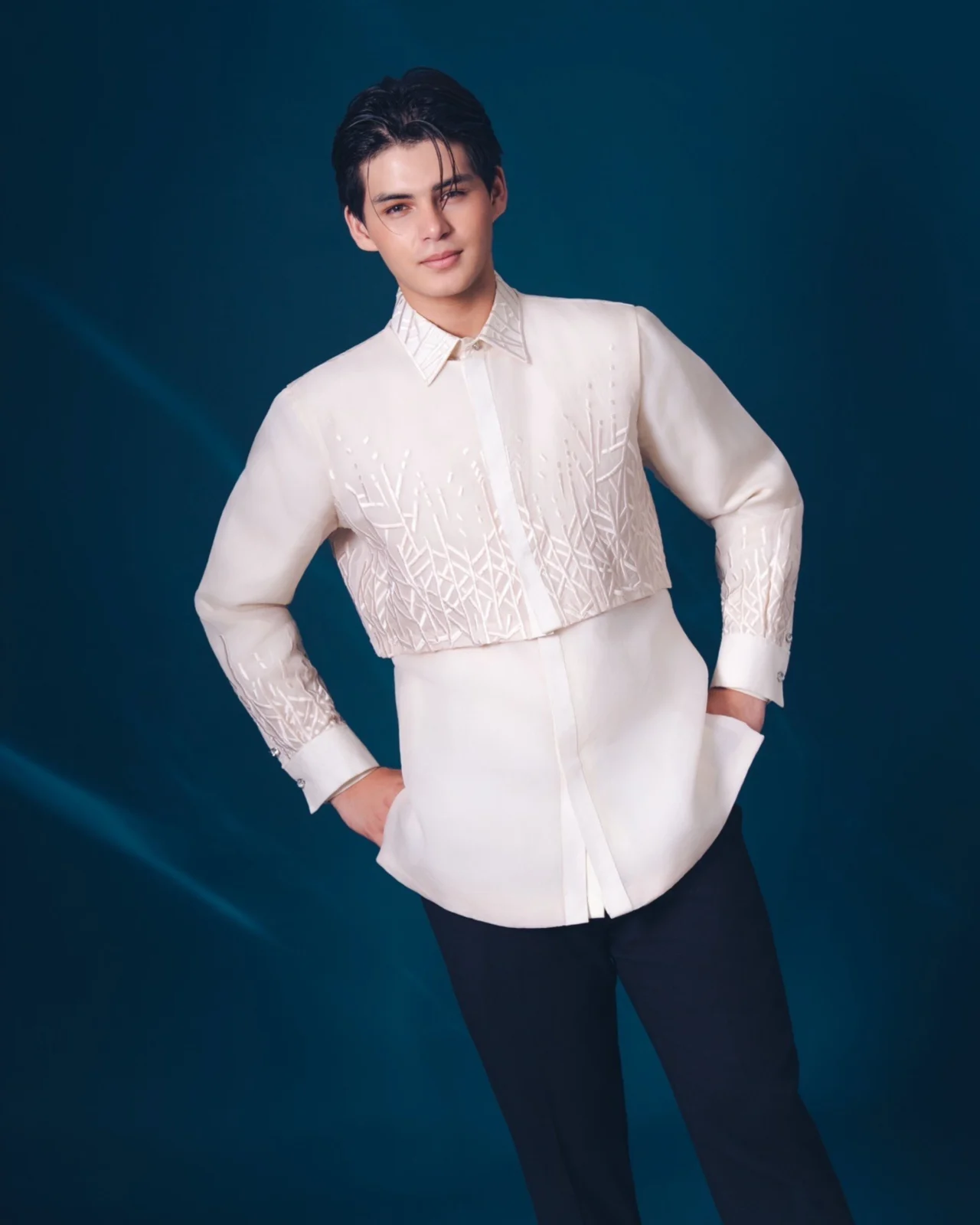
Francis Libiran, the man who dressed the Philippine delegation for the Paris Olympics, is setting the gold standard for how The Barong Tagalog should fit. His barongs are art deco-inspired, built for occasions that require something beyond formal wear. From the piña-jusi construction to the Pintados-inspired embroidery and detachable silk organdy sling, every detail conveys quiet luxury. These are not just garments. They are investments.
Kelvin Morales
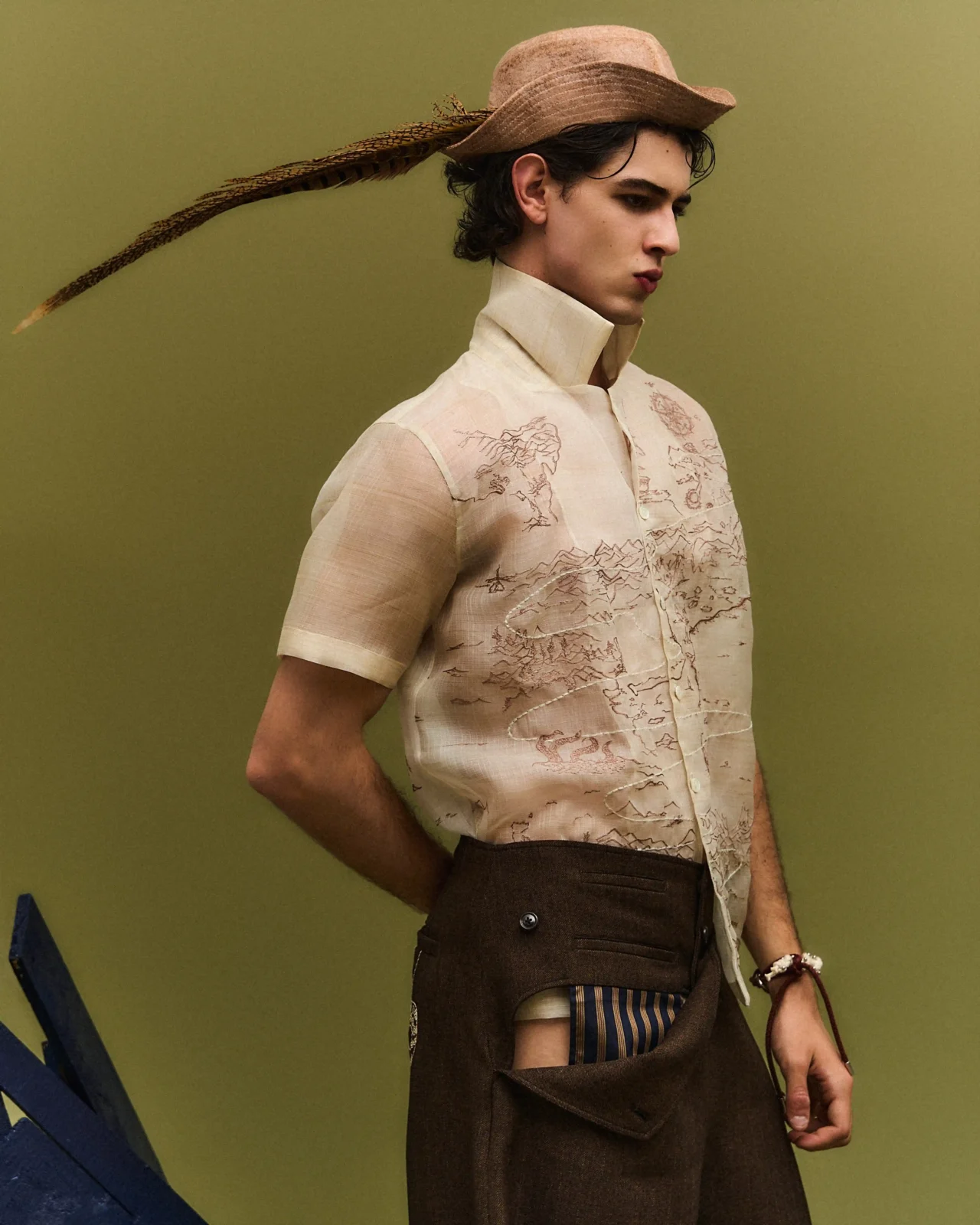
Kelvin Morales works from the conviction that the Barong Tagalog belongs in contemporary fashion without losing the very essence of its history and heritage. His designs serve as a canvas for individuality and personal expression. Fun and funky all over. Wearing one makes a statement that’s uniquely your own. Flora and fauna references are often woven into his intricate embroidery. The result is a barong that feels expressive as it is traditional.
Onésimus
Onésimus’ barong collection sits comfortably next to their suiting line, which tells you everything about how they position their barongs: as professional wear, not as ceremonial costume. Clean cuts, classic tailoring, disciplined construction. A barong that means business. Their fabric lineup reflects the same thoughtful approach. At the top: pure piña and piña silk, handwoven for those who appreciate traditional craftsmanship. Then come jusi, silk fiber, and organza cocoon, followed by faux piña, faux silk, cotton blend, and cotton spandex. Whatever your style or occasion, there’s a fabric to match.
Bon Hansen
Bon Hansen’s signature style is deconstructed tailoring which directly translates into pieces that are defined by crisp lines, deliberate folds, and structured, almost obsessive silhouettes. This makes Hansen’s barong designs intensely gender-fluid, a quality that resonates well with his growing female fanbase. Where most designers approach embroidery as a means of creating sheer lightness first, Hansen begins with the garment’s structural framework.
Randolf
Randolf treats the barong customization process as a cheeky ritual—drawing from memories and deeply personal playlists. Among his most notable barong designs are Lichtenstein-style pop art and tattoo-inspired motifs, paired with clean, modern silhouettes that command attention without sacrificing elegance. Every piece is a one-of-one. It doesn’t have to make sense to anybody but you.
Joey Samson
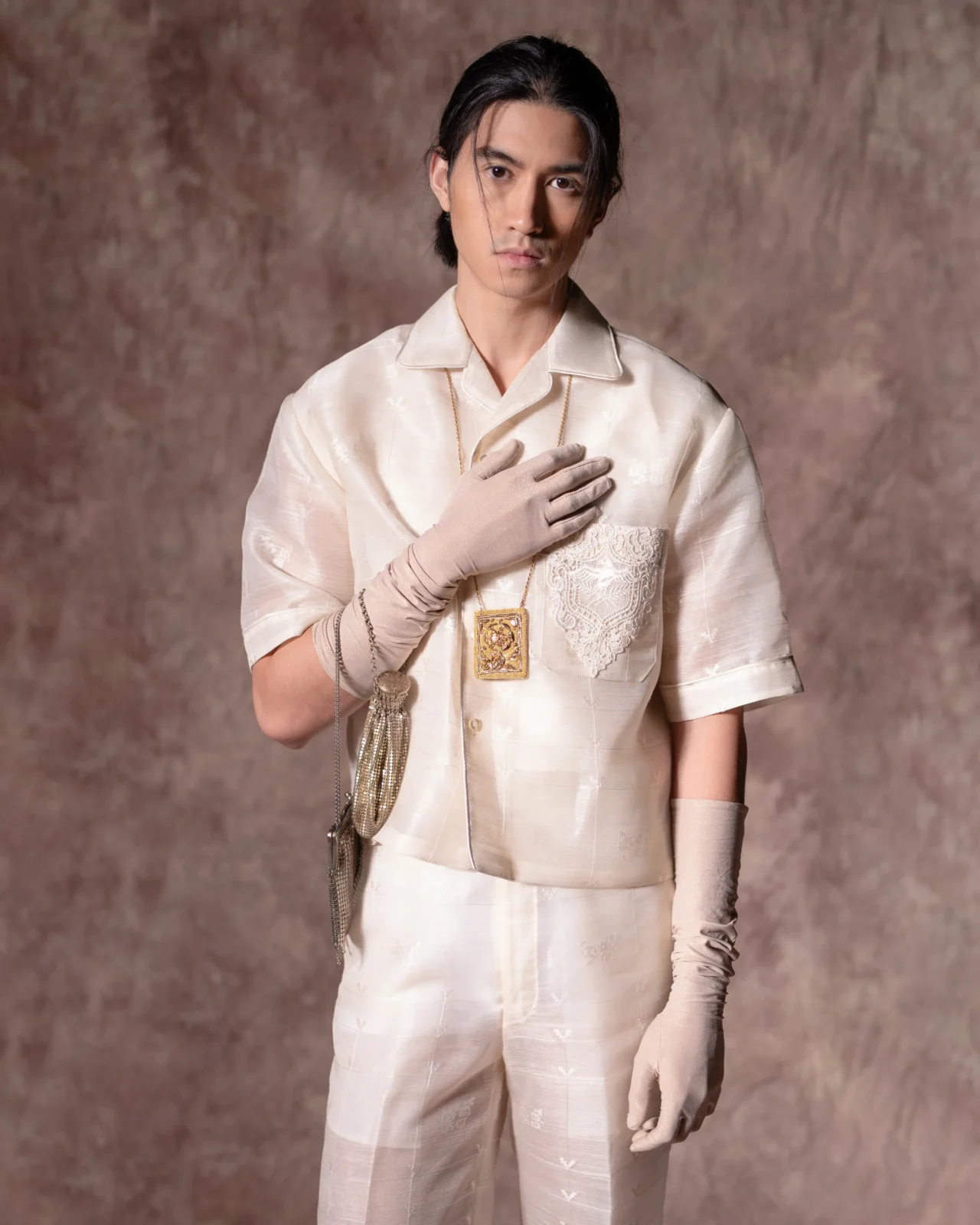
Joey Samson‘s barongs are supernal. In many ways, they are dreamlike. His barongs have a physical essence of gossamer and weightlessness, as if they were woven from the ether. They have exaggerated sleeves, cropped cuts, and playful, highly romantic patterns. The proportions are deliberately off in a way that feels intentional rather than accidental. It’s a kind of style quirkiness that much of today’s menswear lacks.
Abdul Gaffar Dianalan
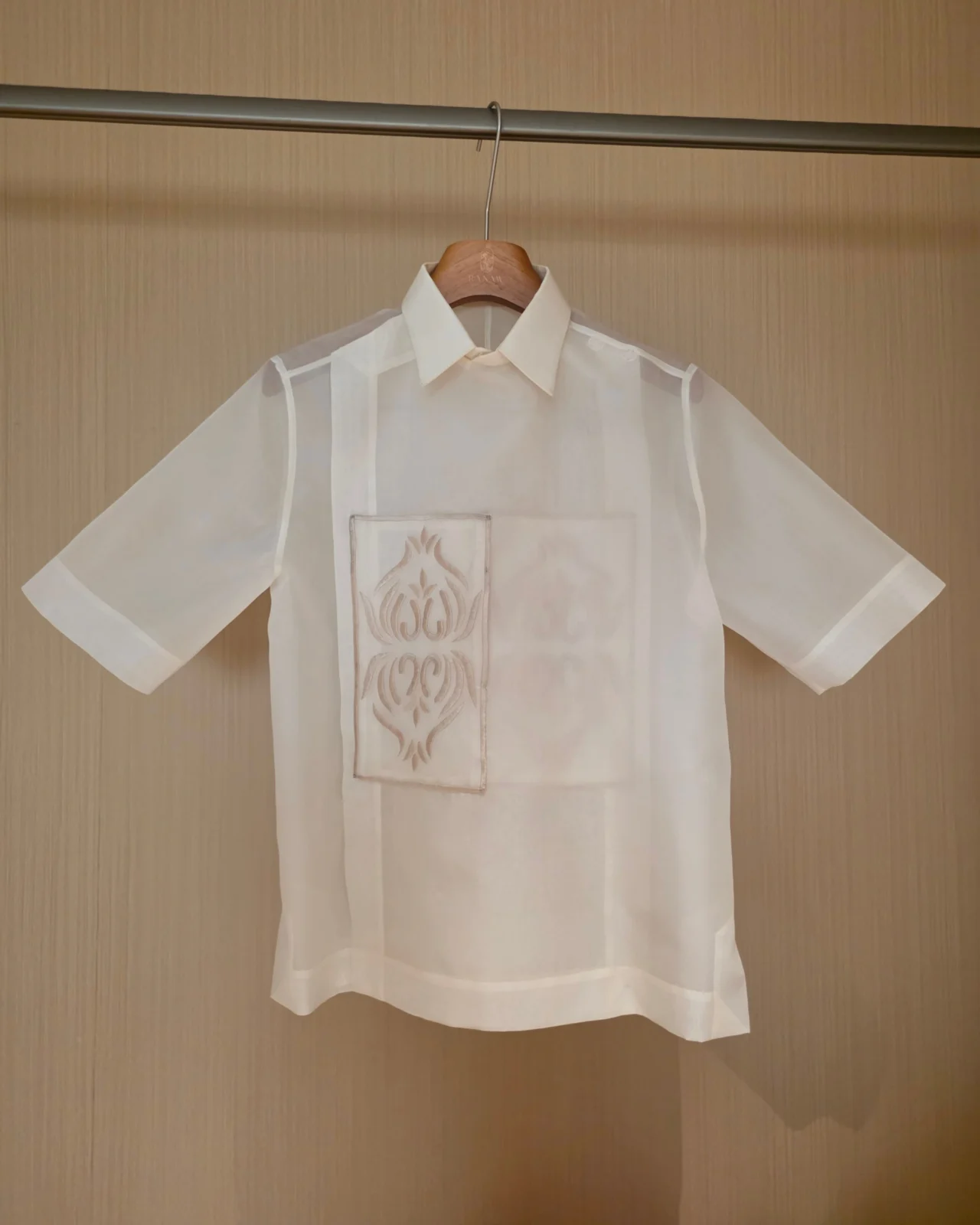
Born in Iligan City, Mindanao, to a Muslim Maranao family, Abdul Gaffar Dianalan‘s designs are deeply informed by his heritage. His barongs draw on Okir patterns, handwoven inaul, and sarimanok imagery—with each piece carrying history in every weave. Structurally, Dianalan thinks like a sculptor, favoring sharp construction, unexpected materials, and unconventional yet remarkably stylish embroidery. He calls his work “classic with a little bit of quirkiness.” If anything, that phrase understates the profound skill behind every piece.
ORIAS
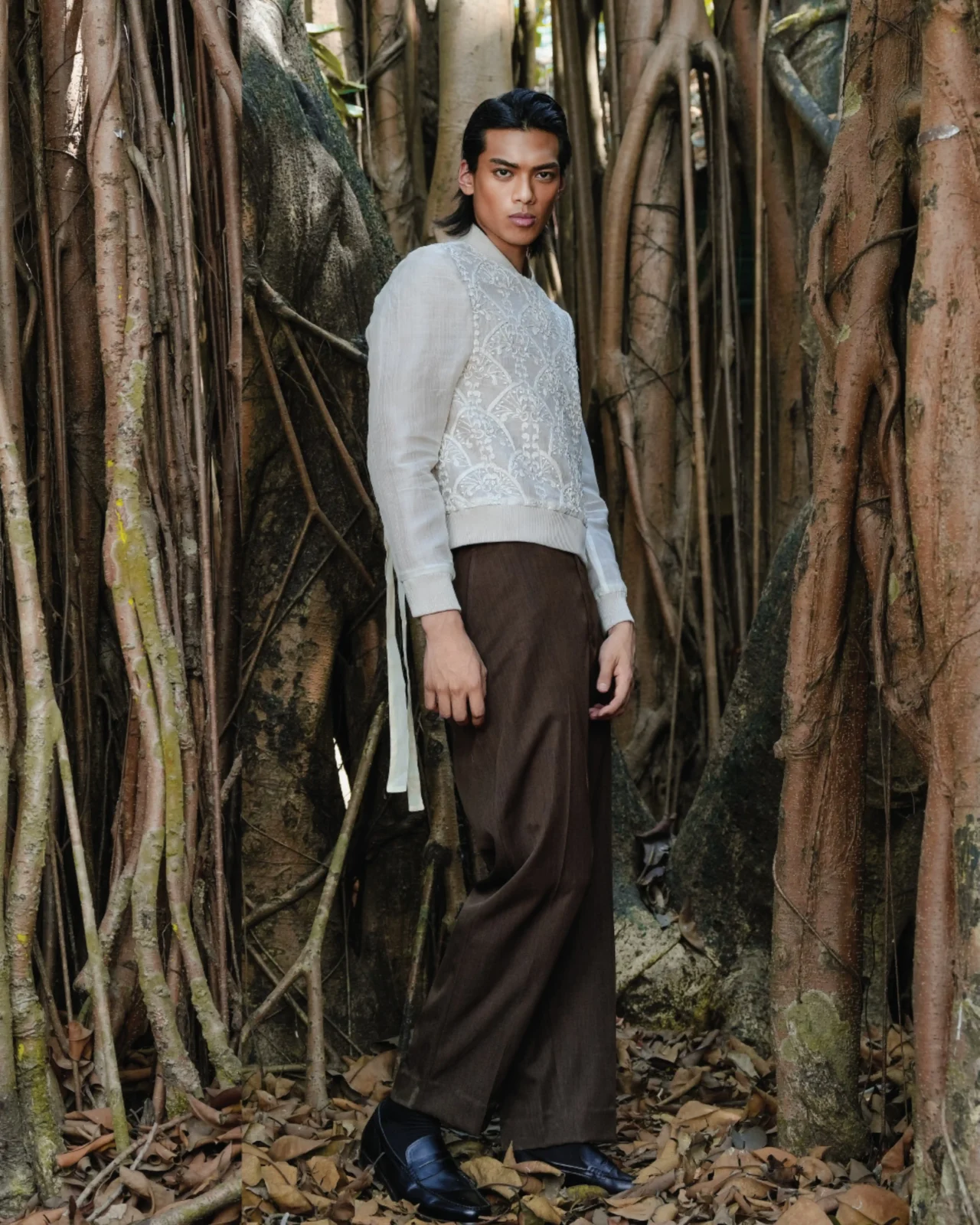
ORIAS makes a compelling case for what a contemporary barong can be. Founder Vin Orias designs it to be worn on a Tuesday afternoon coffee run. His designs work in the space between casual and formal wear. His bespoke line reaches further. “We’ve been expanding the possibilities of traditional pinpoint hand embroidery by introducing new visual languages,” Orias says, “including Art Deco-inspired motifs and contemporary patterns.” The pieces appear effortless, but beneath their restraint lies exceptional craftsmanship woven into every stitch.
Frequently Asked Questions
Notable barong designers include Francis Libiran, known for art deco-inspired formal pieces; Kelvin Morales for expressive, flora-and-fauna embroidery; Onésimus for professional-wear-style tailoring; Randolf for pop art and tattoo-inspired motifs; and ORIAS for casual, everyday-appropriate designs.
Francis Libiran, who dressed the Philippine delegation for the Paris Olympics, is known for art deco-inspired barongs featuring piña-jusi construction, Pintados-inspired embroidery, and detachable silk organdy slings, positioning his pieces as investment-level garments rather than simple formalwear.
Some designers are pushing that shift. Onésimus positions its barongs alongside its suiting line as professional wear rather than ceremonial costume, while ORIAS designs barongs intended for casual settings, like a Tuesday afternoon coffee run, blurring the line between formal and everyday wear.
Abdul Gaffar Dianalan, from a Muslim Maranao family in Iligan City, Mindanao, incorporates Okir patterns, handwoven inaul, and sarimanok imagery into his barongs, blending sharp, sculptural construction with unconventional materials rooted in his cultural heritage.
Fabric options range from traditional pure piña and piña silk, considered the top tier for handwoven craftsmanship, to jusi, silk fiber, and organza cocoon, down to more accessible options like faux piña, faux silk, cotton blend, and cotton spandex.