Summaries were generated by AI. Generative AI is experimental.
Explore other styles:
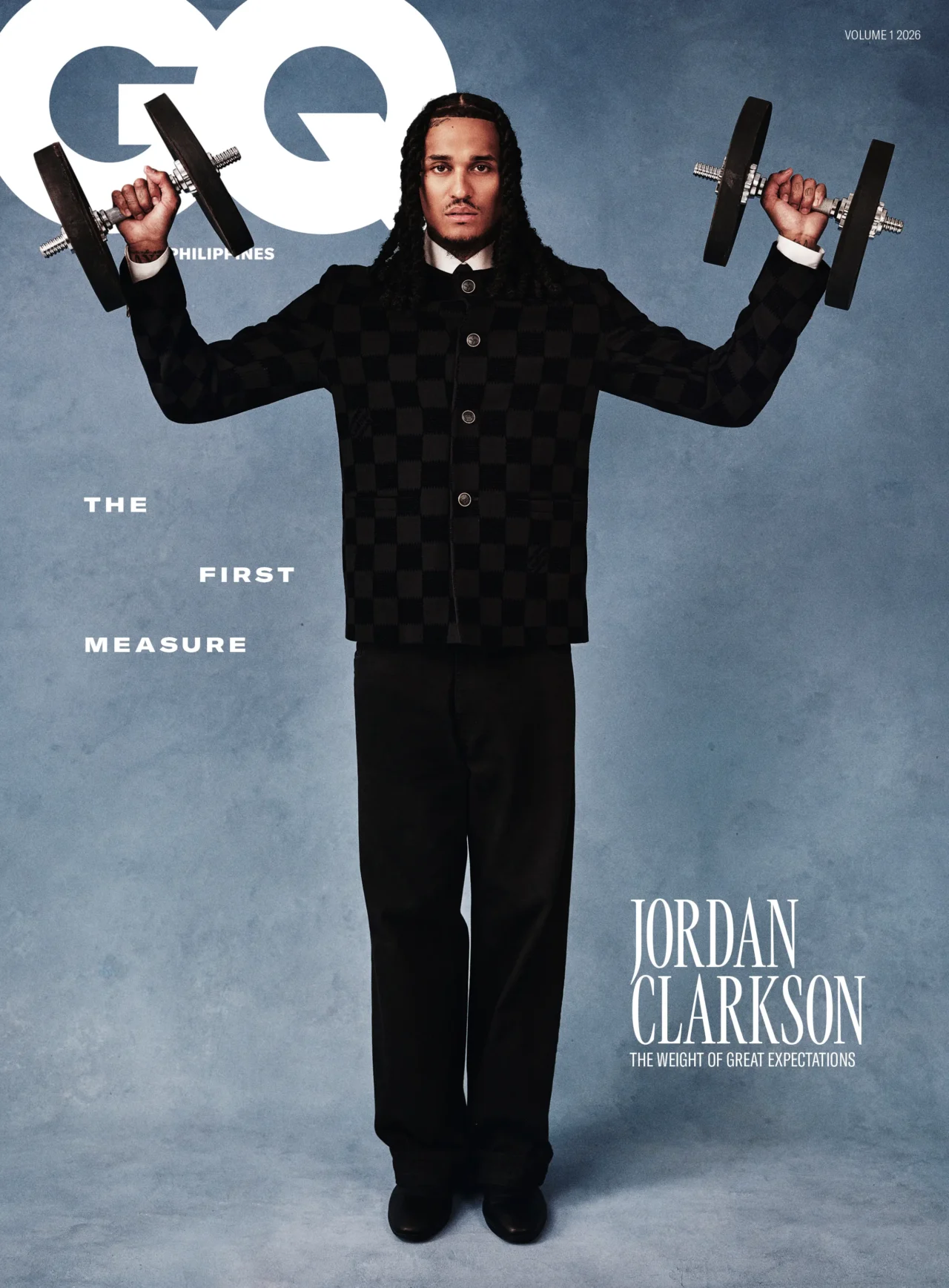
“I’m still kind of in the moment,” Jordan Clarkson tells GQ Philippines, only weeks removed from celebrating New York’s historic championship run.
The first time Clarkson and I ever spoke—nearly a year earlier, for a different story—his focus was fixed on what remained out of reach for over a decade into his career. The details changed: different teams, different cities, different roles. But the destination remained the same. “I want to compete for a championship, get to the Finals again, and hopefully win a championship,” he said.
That ambition became a reality on June 13, 2026, when the Knicks accomplished something that generations of basketball fans had stopped believing was possible. Exactly 53 years after their last championship, one of the NBA’s most mythologized franchises reached the summit once more, defeating the San Antonio Spurs 94-90. Manhattan erupted as Seventh Avenue transformed into a roaring sea of blue and orange, with taxi horns dissolving into deafening chants. The city that treats basketball like a civic religion finally had its miracle.
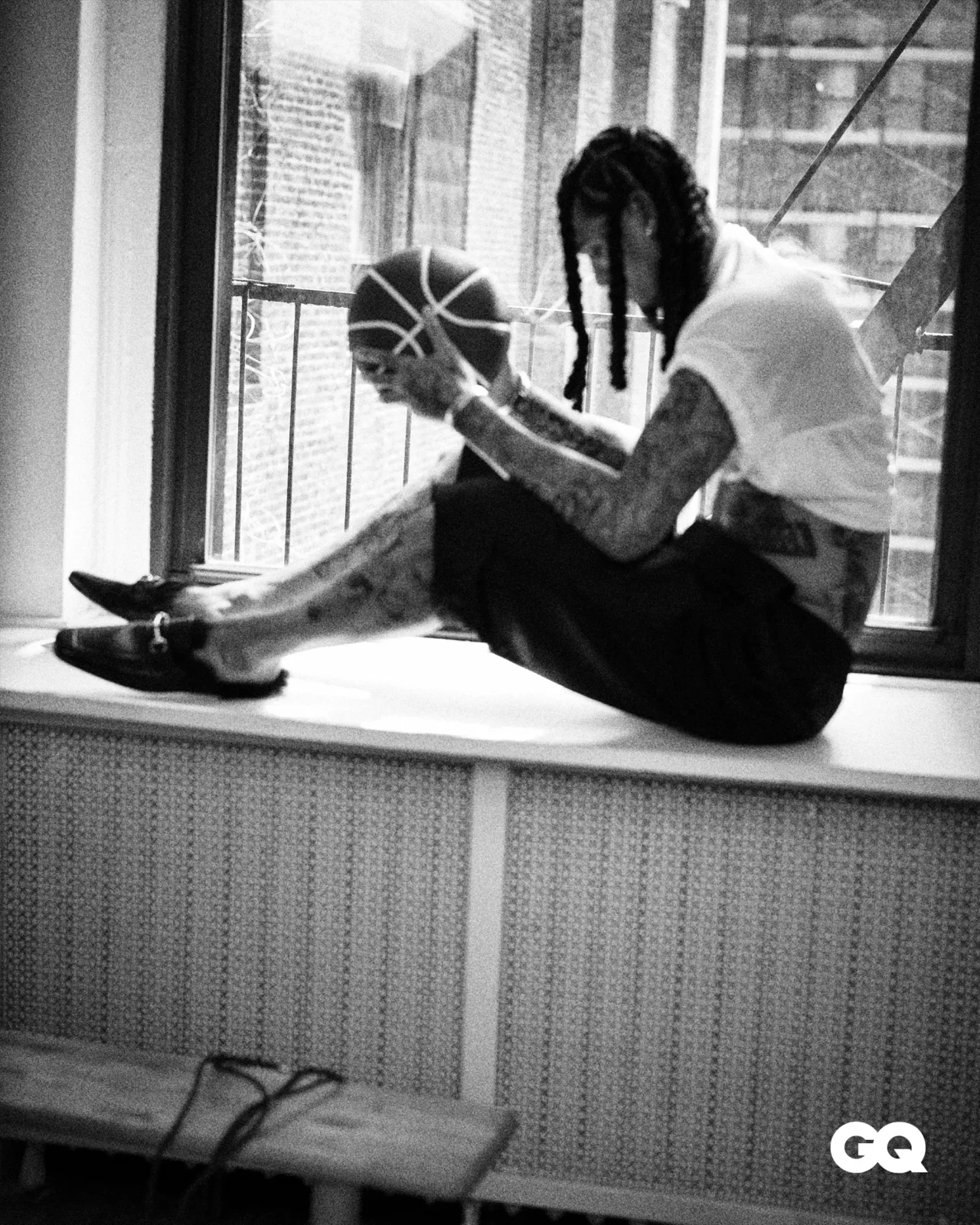
“It was game after game throughout the playoffs, so by the time we won, we were already running empty,” he says. “The [victory] parade actually gave us another battery on our back. We’d just come off three sleepless nights celebrating, and then went straight into it. But the energy was unreal. Seeing what we did for the city, and coming back to see everyone united like that.”
Now, with a championship secured, Clarkson finds himself thinking beyond the glory of winning a title. “When I’m done playing, I’ll probably look back and see the legacy of everything I’ve achieved over time. I also think it’s a big time for the community, for the country, and the people,” he says, looking toward the maternal homeland he’s fought so hard to represent.
Carrying the Flag
Clarkson’s championship was historic for more than one reason. It was the first time in NBA history that two players of FilipinoFilipinoThe national language of the Philippines, widely used for communication, education, media, and culture.Go to Filipino Glossary descent stood on opposite sides of the Finals, with Clarkson taking on rookie Dylan Harper. When the final buzzer sounded, Clarkson became the first player of both Filipino and Black American heritage to hoist the Larry O’Brien Trophy as an NBA champion.
For Filipinos, the moment wasn’t merely watching the Knicks capture a title; it was also watching a reflection of itself. In a nation that has embraced basketball more passionately than any country outside the United States, it meant seeing one of their own reach the sport’s highest peak.
Historically, Filipino influence in the NBA often came from the sidelines, through coaches like Jimmy Alapag with the Sacramento Kings and Erik Spoelstra’s championship legacy with the Miami Heat. On the court, Raymond Townsend became the first Filipino American drafted into the league in 1978, opening a door that remained only slightly ajar for decades. Clarkson’s arrival in 2014 pushed it wider, paving the way for players like Jalen Green and Dylan Harper.
Throughout it all, Clarkson remained deeply connected to his FilipinoFilipinoThe national language of the Philippines, widely used for communication, education, media, and culture.Go to Filipino Glossary heritage. Raised in San Antonio, Texas, he grew up under the influence of his maternal grandmother, Marcelina Tullao Davis, who emigrated from Pampanga and became one of the defining figures in his life. When in 2018, he had a chance to play for Gilas Pilipinas, the country’s men’s national basketball team, he took it.
He has often described playing for Gilas Pilipinas as “a chance to represent my grandma’s culture on the international stage,” a tribute to a woman who shaped both his identity and the work ethic that has guided him throughout his career.
“Another World Cup is coming up, and I want to be there,” he says when asked about returning to the national team. “There haven’t been so many Filipino Americans in the [NBA] league, and Filipinos, period. So knowing that I get to represent that and kind of change the narrative in any way that I can, that’s what I’m trying to do. Hopefully, we can see those dudes [Jalen Green and Dylan Harper] in a Gilas jersey at some point.”
Fighting Fire with Fire
But before he could claim the title of the first player of FilipinoFilipinoThe national language of the Philippines, widely used for communication, education, media, and culture.Go to Filipino Glossary heritage to become an NBA champion, Clarkson was fighting to prove he belonged in the room among the league’s best.
“I’ve always had this fire,” he admits. “Being drafted in the second round, not being ranked in high school, not being highly recruited. I’ve been a kid with a chip on his shoulder since I was 15 years old, and I still have that chip on my shoulder.”
That fire has fueled one of the most uniquely resilient careers in the modern NBA. From a promising young scorer with the Lakers to a reliable sparkplug off the bench in Cleveland before thriving in Utah, and eventually becoming a veteran presence on a championship team, Clarkson has repeatedly adapted to whatever his teams demanded of him.
“I’ve kind of been reinventing myself everywhere I’ve been,” he reflects. “Whatever role is needed, I think that’s me.”
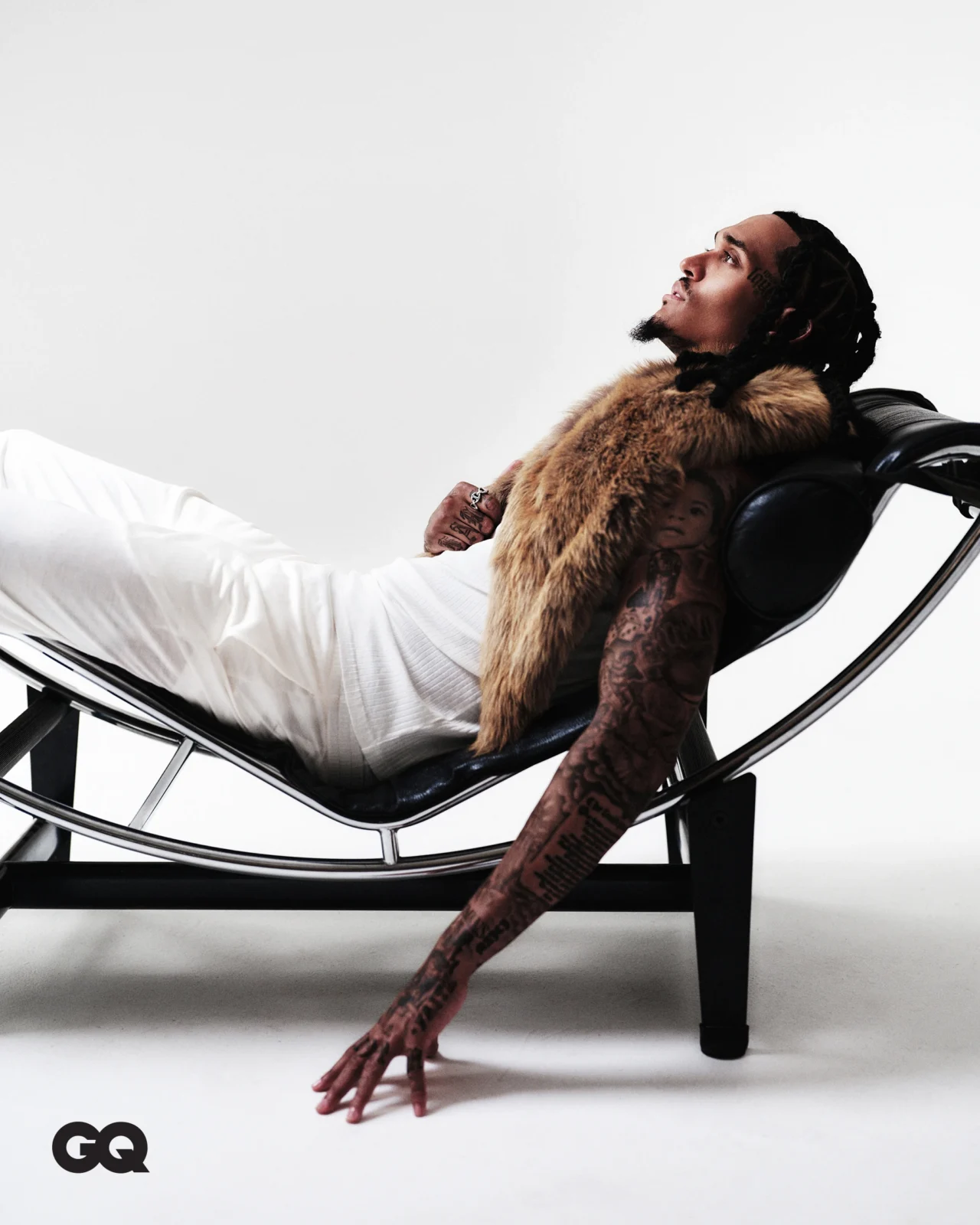
When Clarkson arrived in New York, he wasn’t expected to rescue the franchise. That responsibility rested elsewhere. At 34 years old, he joined a roster with its core stars already in place and an identity already established. If the first half of his career was defined by proving he belonged in the NBA, this chapter demanded something entirely different: setting aside individual stats for the pursuit of a collective championship.
He had built his reputation as one of the league’s most explosive, pure microwave scorers, but the Knicks required a different kind of value. Midway through the season, he experienced an unfamiliar setback. For nearly a month, he fell out of the lineup as head coach Mike Brown tightened the rotation, watching from the bench while waiting for his number to be called.
“I didn’t play for like a month, but me just being a pro, I had to stay locked in. I love this game, so I’m always ready. I stayed involved with the coaches, and with the young guys playing every day. My skill never wavered,” he recalls. “The thing I learned being here this long is that everybody believes they’re the best player. They wouldn’t be here if they weren’t. So being able to put your ego to the side is important. It’s about coming together as a team, helping each other win without getting jealous, and having no ill intent towards any of your teammates.”
“The whole season was a story on its own. Getting through adversity early in the playoffs, and not questioning ourselves. We had guys giving up a lot for this,” Clarkson adds.
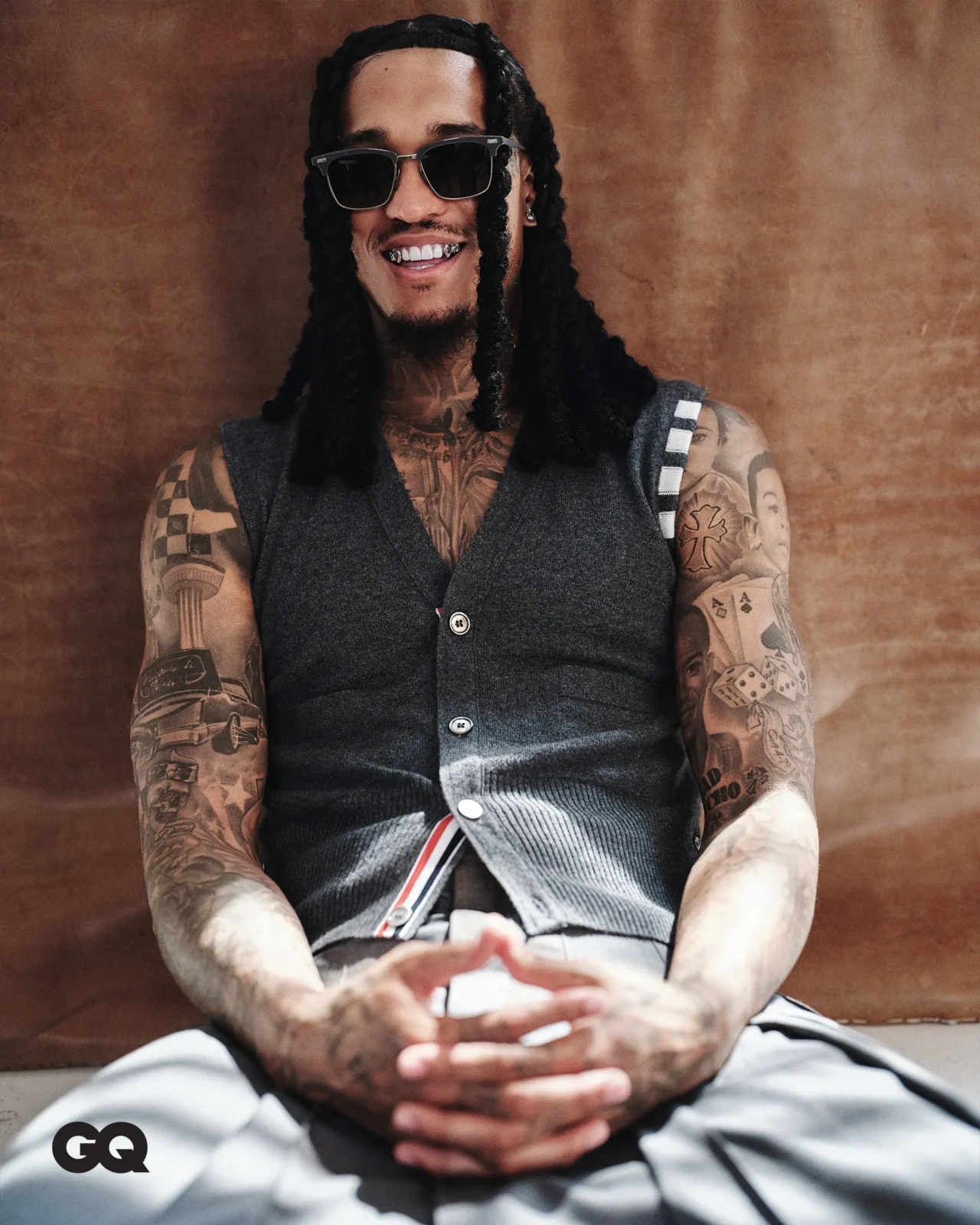
Throughout the second half of the season, the Knicks embraced a simple mantra: 0-0. Every day was treated as a fresh start, with little regard for the previous game’s result or what lay ahead. That mindset, he says, became the foundation of their playoff run. “It didn’t matter what happened the day before,” he explains, “we weren’t looking too far ahead—we were just trying to win that day.”
Once he returned to the rotation, the veteran guard made every second on the floor count, doing whatever the team needed of him—from hounding the opposing team’s top scorer on defense to knocking down timely baskets when the game hung in the balance.
The biggest change, however, is that the player who once built his reputation on scoring now speaks most often about sacrifice. Proving himself was no longer the point. Helping the team succeed was.
“When we were down 2–1 to Atlanta, we had to get together and figure out what we wanted to do as a team,” he remembers. “We were able to get everybody together as a group and win a bunch of games in a row. I feel like we were on a historic run. A lot of this stuff doesn’t show up on paper or in the stat sheet in terms of how we came together as a group.”
The Meaning of Strength
Underneath the accolades, the endorsements, and the career longevity is a mindset that has never really changed. “For my entire life I’ve been trying to prove to myself that I could be something,” Clarkson says. “That’s how it’s been until now, and how it will be in the future, just proving to myself that I can stay.”
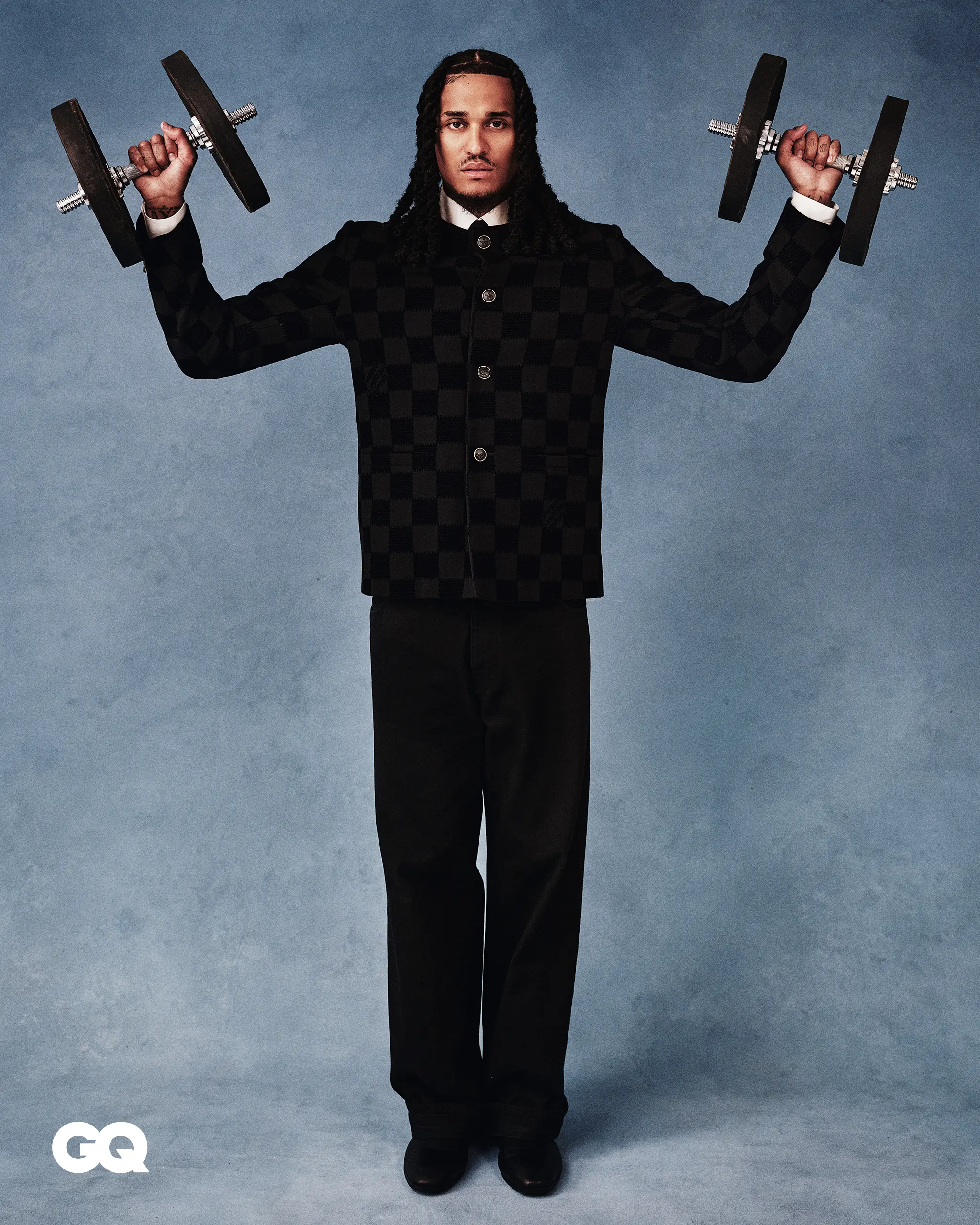
In many ways, that pursuit of proving oneself echoes a much older FilipinoFilipinoThe national language of the Philippines, widely used for communication, education, media, and culture.Go to Filipino Glossary story. More than a century before Clarkson won his NBA championship, national hero José Rizal was already imagining what a strong, self-determined Filipino could look like. During his exile in Dapitan, Rizal carved what many call the “Virile Man,” an oval sculpture depicting a shirtless figure confidently lifting a dumbbell. Widely interpreted as either a self-portrait or a political statement, the work challenged colonial notions that Filipinos were physically and intellectually inferior.
The world Rizal confronted is far removed from the one Clarkson inhabits. Yet both stories, in their own way, ask the same question: what does strength really look like?
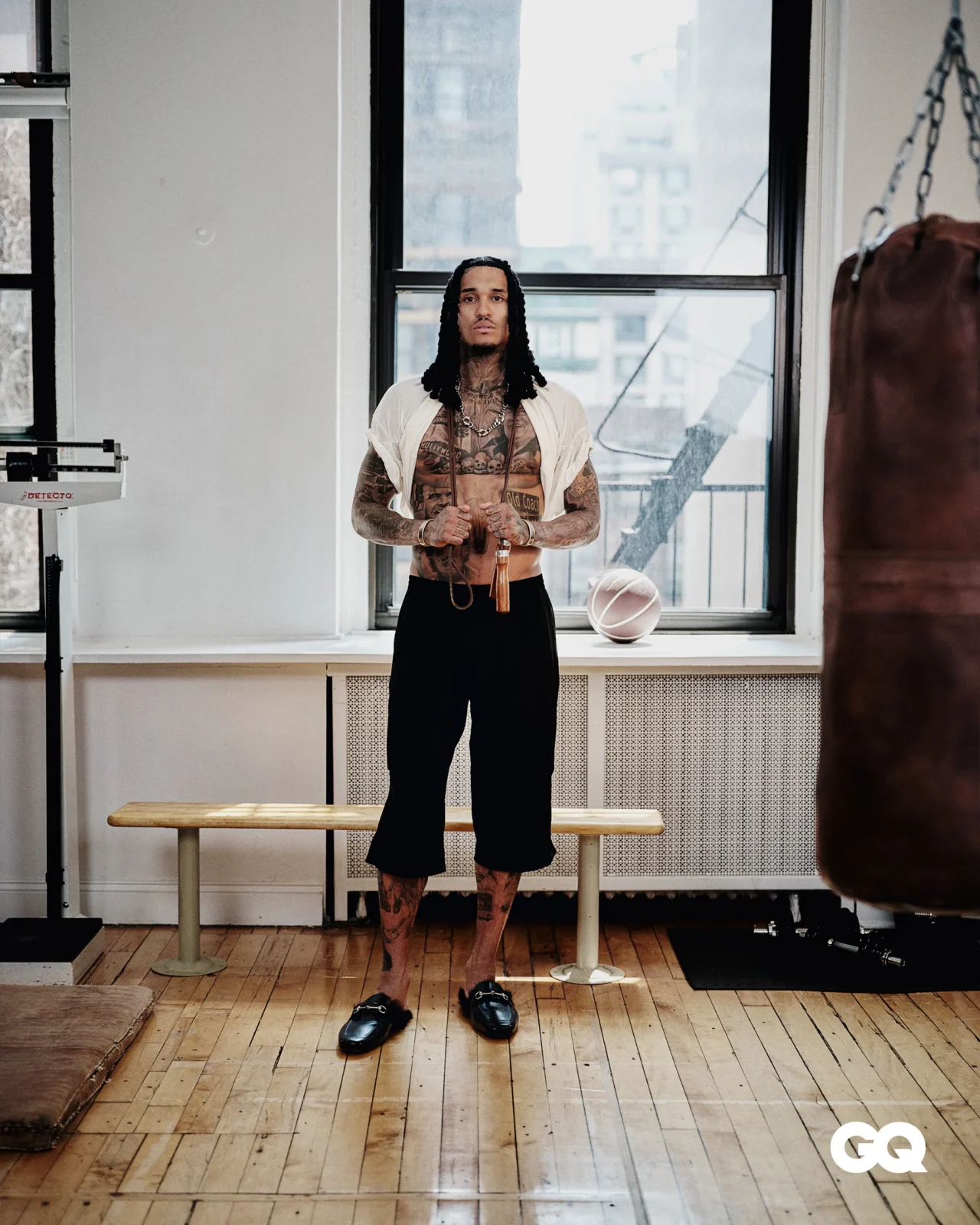
When asked what strength means to him, Clarkson doesn’t talk about muscles or titles. “Strength is how many times you can get back up. After being down over and over again, it’s being able to get back up and have the heart to keep going… I think we Filipinos, we’re all about resilience and the fight.”
His championship, then, is about more than personal perseverance. It also marks a moment when FilipinoFilipinoThe national language of the Philippines, widely used for communication, education, media, and culture.Go to Filipino Glossary representation in the NBA no longer rests on the shoulders of a single player carrying the dreams of millions.
“I took that first spot, but I genuinely want to see more FilipinoFilipinoThe national language of the Philippines, widely used for communication, education, media, and culture.Go to Filipino Glossary and Filipino American champions in this league,” Clarkson says of this new age. “At the same time, I’m going for number two now. So hopefully, I can take those one and two championship spots back-to-back.”
When Jordan Clarkson hoisted the Larry O’Brien Trophy through New York’s Canyon of Heroes, he celebrated the end of a 53-year championship drought. For millions of Filipinos, it also represented the beginning of something else: the hope that the first champion of FilipinoFilipinoThe national language of the Philippines, widely used for communication, education, media, and culture.Go to Filipino Glossary heritage will no longer be the last.
A version of this cover story appears in the September 2026 issue with the title “The Shape of Strength”
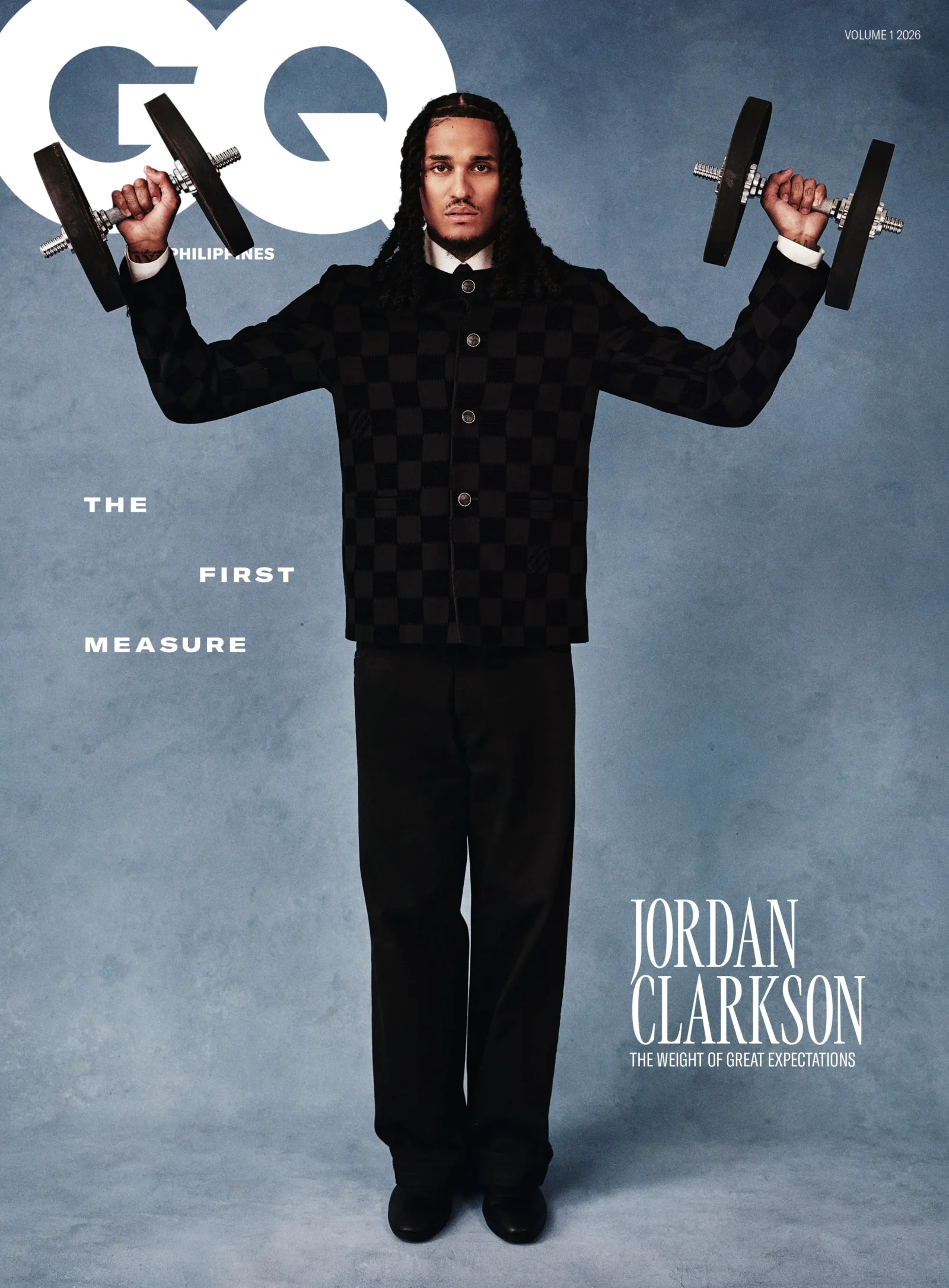
GQ Philippines: Vol. 1 – September 2026
SHOOT CREDITS:
Story by GABRIEL YAP. Photographs by RITCHIE ESPENILLA. Styling by RAÚL GUERRERO. Groomer: RYANN CARTER. Producer: JULIAN RODRIGUEZ. NYC Producer: DAKOTA GRIFFIN. Styling Assistants: AXEL GARCIA & ANGELIQUE ANGEL. Digitech: JONATHAN CARMELLI. 1st Camera Assistant: PABLO HERNANDEZ. Set Designer: ARLINGTON GARRETT III. Videographer: MYLO BUTLER. Location: DWNTWN STUDIOS.
Frequently Asked Questions
Jordan Clarkson is a professional NBA basketball player who has played for the Los Angeles Lakers, Cleveland Cavaliers, and Utah Jazz, and is currently with the New York Knicks. He is known for his scoring ability and versatility.
Jordan Clarkson is Filipino American. He was raised in San Antonio, Texas, and has Filipino heritage through his maternal grandmother, Marcelina Tullao Davis, who emigrated from Pampanga.
The New York Knicks won their latest NBA championship on June 13, 2026, defeating the San Antonio Spurs 94-90. It was their first title in 53 years.
Jordan Clarkson is a guard in the NBA. Throughout his career, he has taken on different roles depending on what his team needs, from scoring to defending and creating opportunities for teammates.
Yes. Clarkson has played for Gilas Pilipinas, the Philippine men’s national basketball team. He has said that representing the Philippines gives him a chance to honor his grandmother’s culture on the international stage.