Summaries were generated by AI. Generative AI is experimental.
Explore other styles:
The year is 1999. You brought your Pokémon trading cards to school in a battered cardboard box. Your classmates made up rules because no one knew how to actually play the game. You came home with an evil grin after convincing your friend that your Zubat is infinitely rarer than his Charizard. He makes the trade. Life is good.
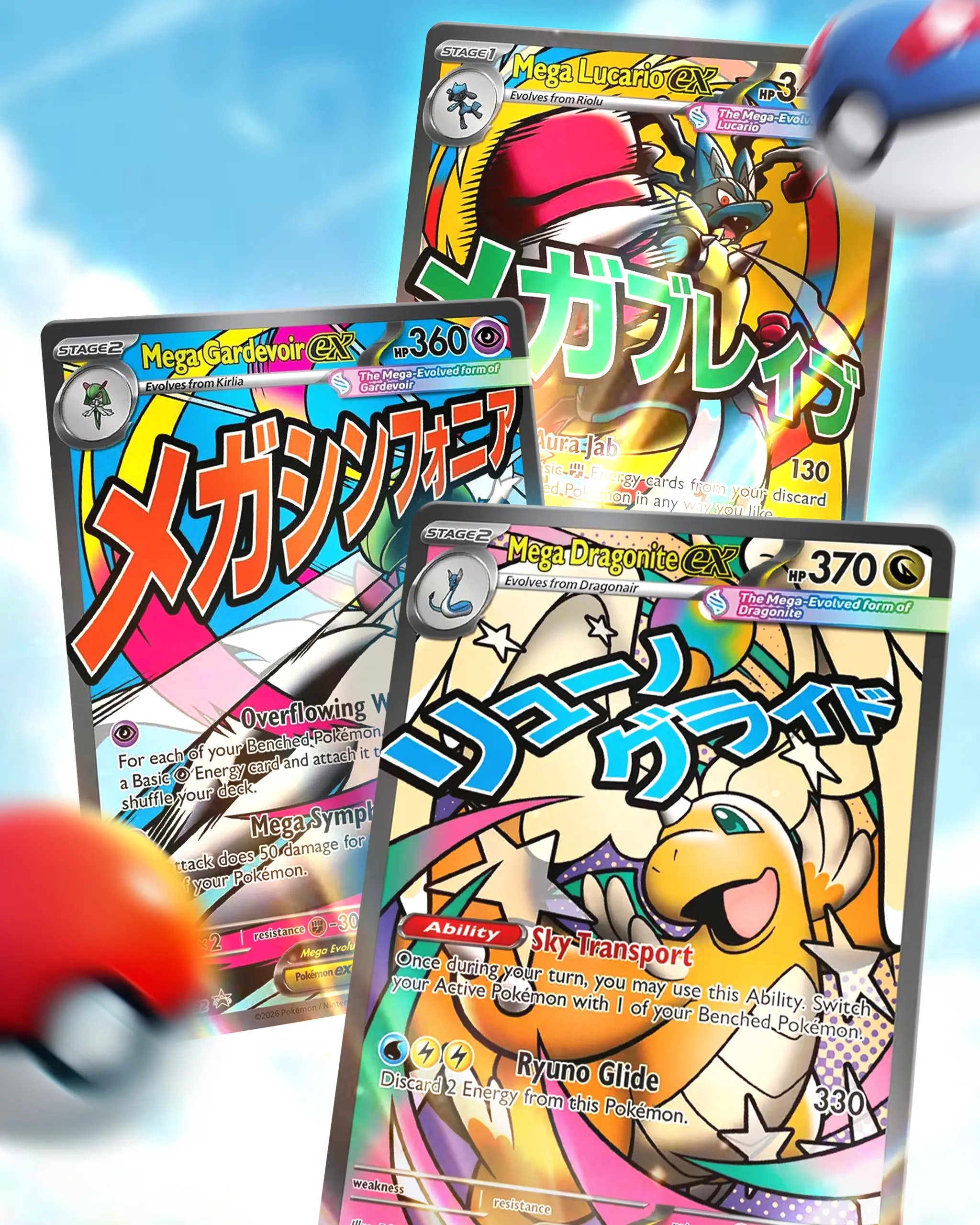
Now, fast forward to 2026. Many have left those days behind, yet there is now a giant billboard along EDSA promoting the latest Mega Attack Rares. You’ve witnessed the chaotic, block-spanning lines for the 30th Celebration series packs at toy stores across Manila. You might think you’ve accidentally slipped through a tear in the space-time continuum. But it’s real, my friend: the Pokémon Trading Card Game is having a massive comeback in the Philippines, but the game’s landscape may look very different from what you remember.
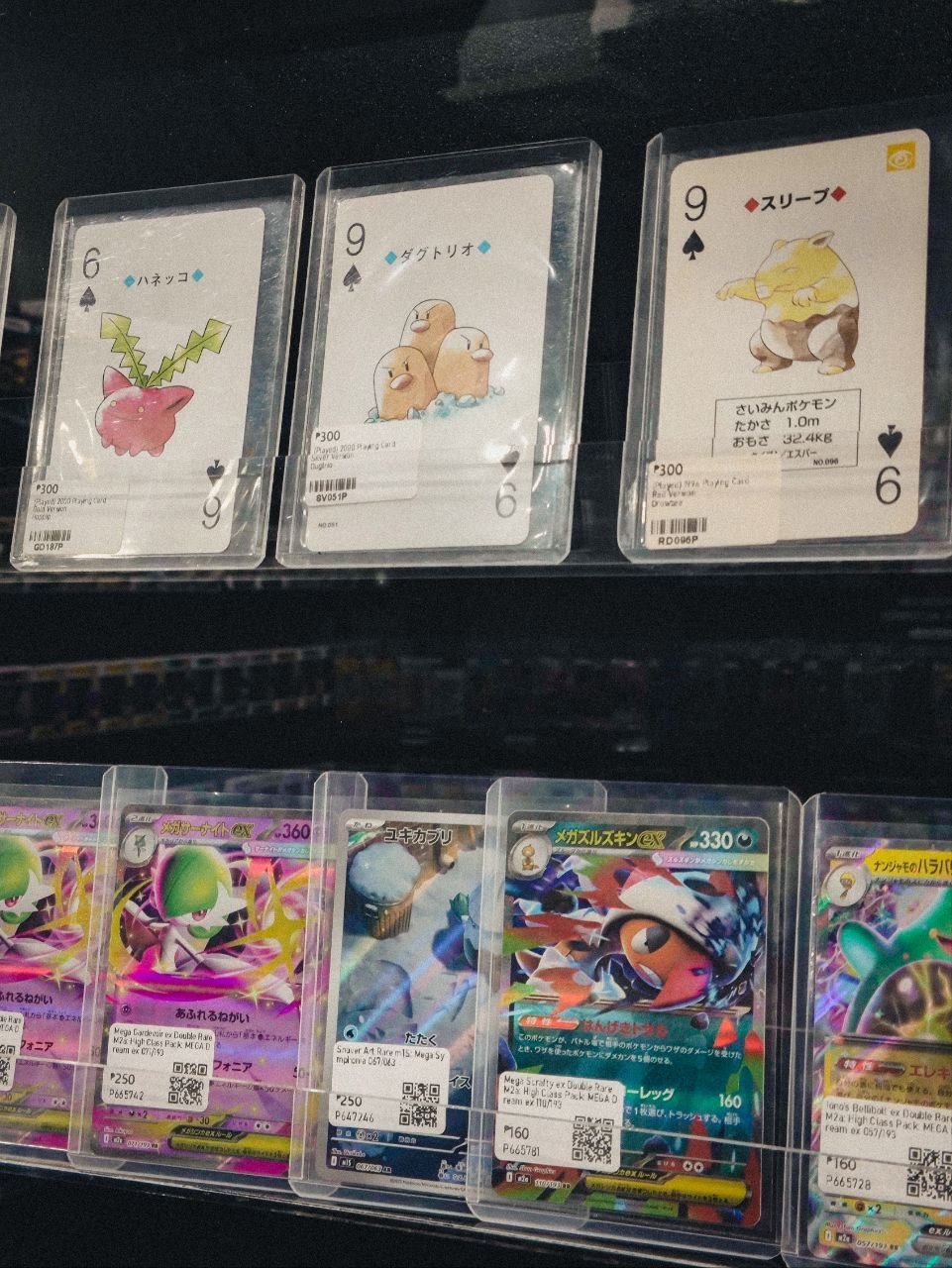
The Pokémon Trading Card Game took the video game’s exciting concept and mechanics and translated it into a physical playground phenomenon, emptying parents’ wallets throughout the 1990s and early 2000s. It’s also quite the genius business model–harness the fans’ love for the franchiseFranchiseA series of films, shows, or games built around shared characters and a shared universe, often spanning many sequels, spin-offs, and merchandise. Franchises dominate box offices and streaming, and theirGo to Franchise Glossary and their urge to “Catch ‘Em All,” and make thousands of dollars off Psyduck and Pikachu cards. Add even more rare variations and special editions to the mix, and watch them sell like hotcakes.
Pokémon as a franchiseFranchiseA series of films, shows, or games built around shared characters and a shared universe, often spanning many sequels, spin-offs, and merchandise. Franchises dominate box offices and streaming, and theirGo to Franchise Glossary is still big, if not bigger than ever, especially with the announcement of the newest games, Pokémon Winds and Waves. But the most surprising thing is that the trading cards have actually surpassed the video games in global yearly sales.
In 2026 alone, video games accounted for just 10 percent of sales, compared with 40 percent for the cards. To further drive the point home, it took The Pokémon Company a quarter century to print its first 45 billion cards, but in the past four years, it has nearly doubled that amount.
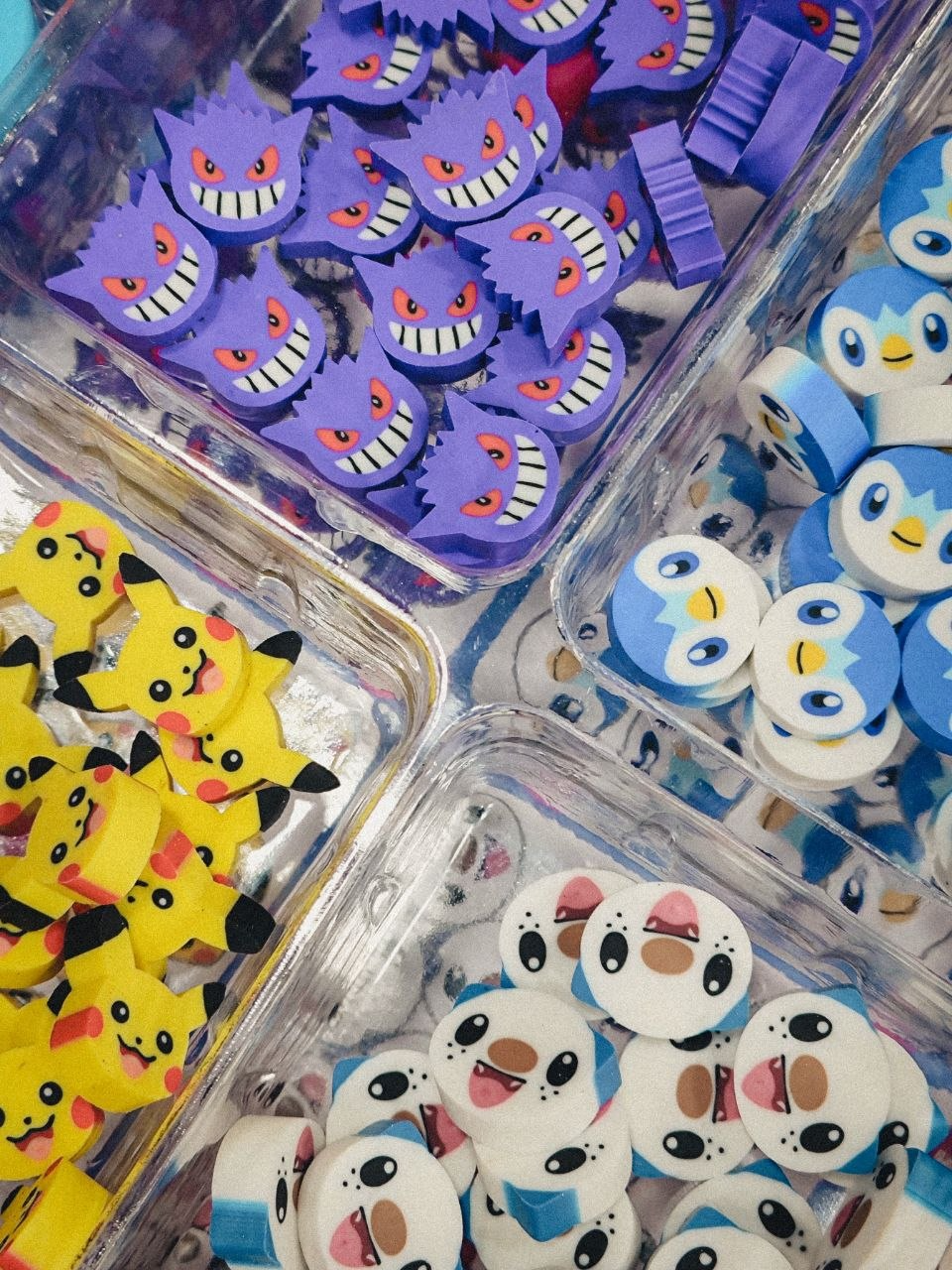
This increased global popularity then naturally made its way to the Philippines, especially this year, thanks to countless events and an added marketing push. Want to splurge and show your Pokémon love? Visit the pop-up store at SM Mall of Asia, running from October 2026 to January 2027. Want to exercise while also getting limited-edition cards? Sign up for the Pokémon Run happening on October 3 and 4. Want to compete, but are scared of the world stage? The Game On! initiative makes sure players of every skill level get to play.
But beyond malls and toy stores, the local community never really went away, and its members never turn away fans, new and returning alike, who want to find joy in the game. Online groups like Pokémon Card Collectors Philippines and r/PokemonTCGPhilippines have seen a recent uptick in newcomers, and veterans are always encouraging when someone asks questions, opens a pack, and finds a rare card. The latter also has a Discord group for organizing meetups and trades and monitoring rare restocks.
These aren’t just kids discovering the game for the first time, either. A huge part of the resurgence is made up of the same people who grew up playing it with friends when it originally blew up all those years ago. Now they have a chance to relive their childhood memories and even do things they never got the chance to do, like getting back that rare holographic Zapdos that got stolen when they were young.
Some are living out their tournament organizer fantasy, setting up competitions for players of all generations to battle it out for glory with help from local card shops. You’ll never know—they might even be valuable resources for finding good first editions.
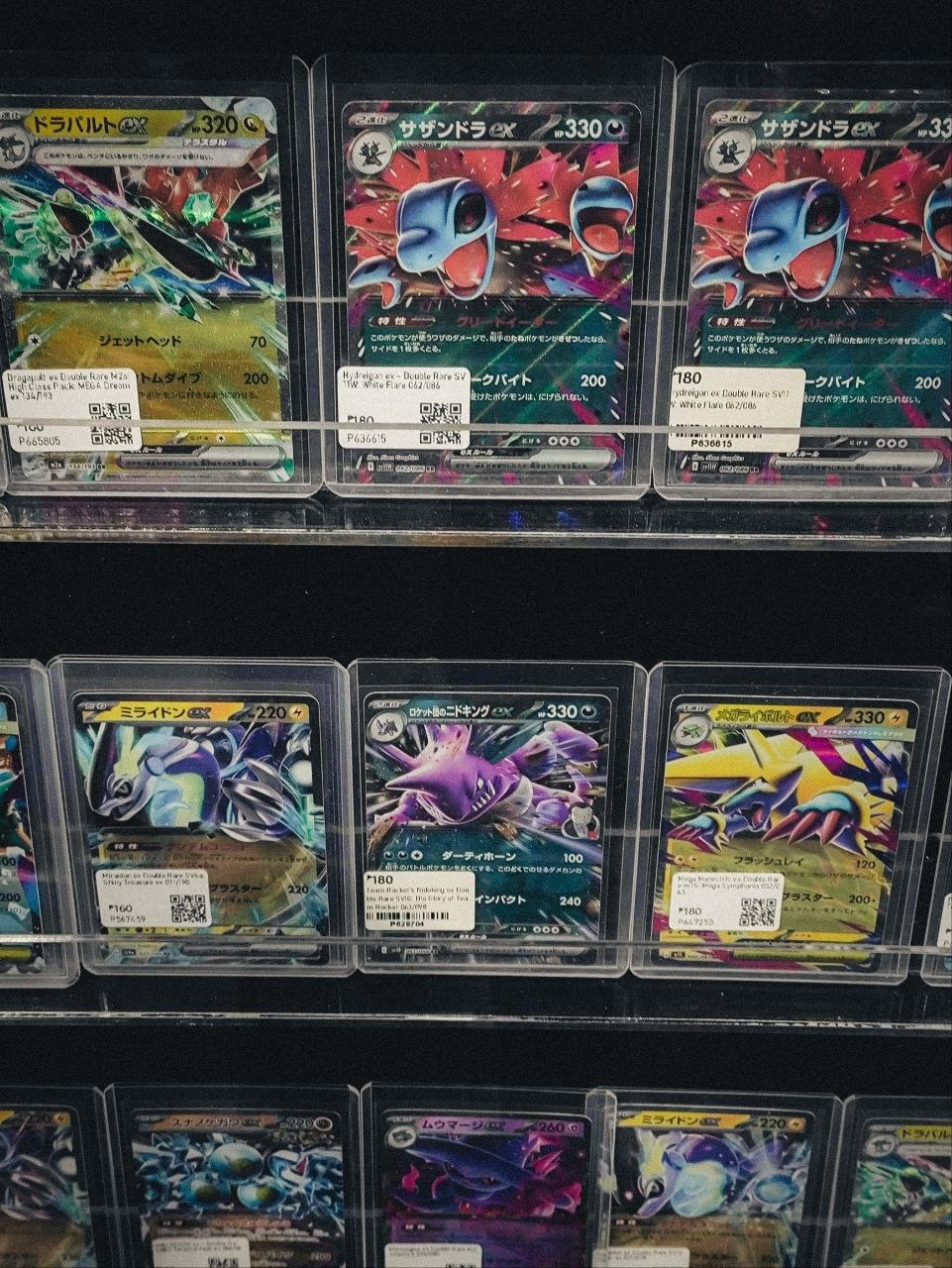
But like all hobbies, it has also had its issues. The pandemic severely affected hobby culture as a whole, including Pokémon, turning nostalgia into something resembling a stock market. Many people today take advantage of the growing community and demand by scooping up rare pulls and limited editions, then selling them online at crazy markups (see the rambulan when the 30th Celebration dropped at Toy Kingdom SM Mall of Asia).
If you’re new or returning, do not give these people the time of day. Thankfully, the local community has your back and steps in to call out these unreasonable resellers. Stores now also enforce limits on how much people can buy at a single time, meaning every legit fan has a chance at completing their binder.
While these safeguards help the community grow organically, navigating the hobby as a casual fan is admittedly harder than ever. Nevertheless, there has never been a better time to jump back in. And if you happen to be that kid who traded away a Charizard for a Zubat back in the day, none of the market noise can dampen the ultimate appeal anyway. The modern Pokémon TCG resurgence means you can finally rebuild the ultimate deck exactly the way your 1999 self always wanted, only this time, you’re funding it with your own salary instead of your daily baon.
Frequently Asked Questions
Card sales now outpace video game sales globally, fueled by nostalgia, new releases, and events in the Philippines.
A pop-up store at SM Mall of Asia, the Pokémon Run in October, and the Game On! initiative for players of all skill levels.
Online communities like Pokémon Card Collectors Philippines and r/PokemonTCGPhilippines, which also organize meetups and trades.