Summaries were generated by AI. Generative AI is experimental.
Explore other styles:
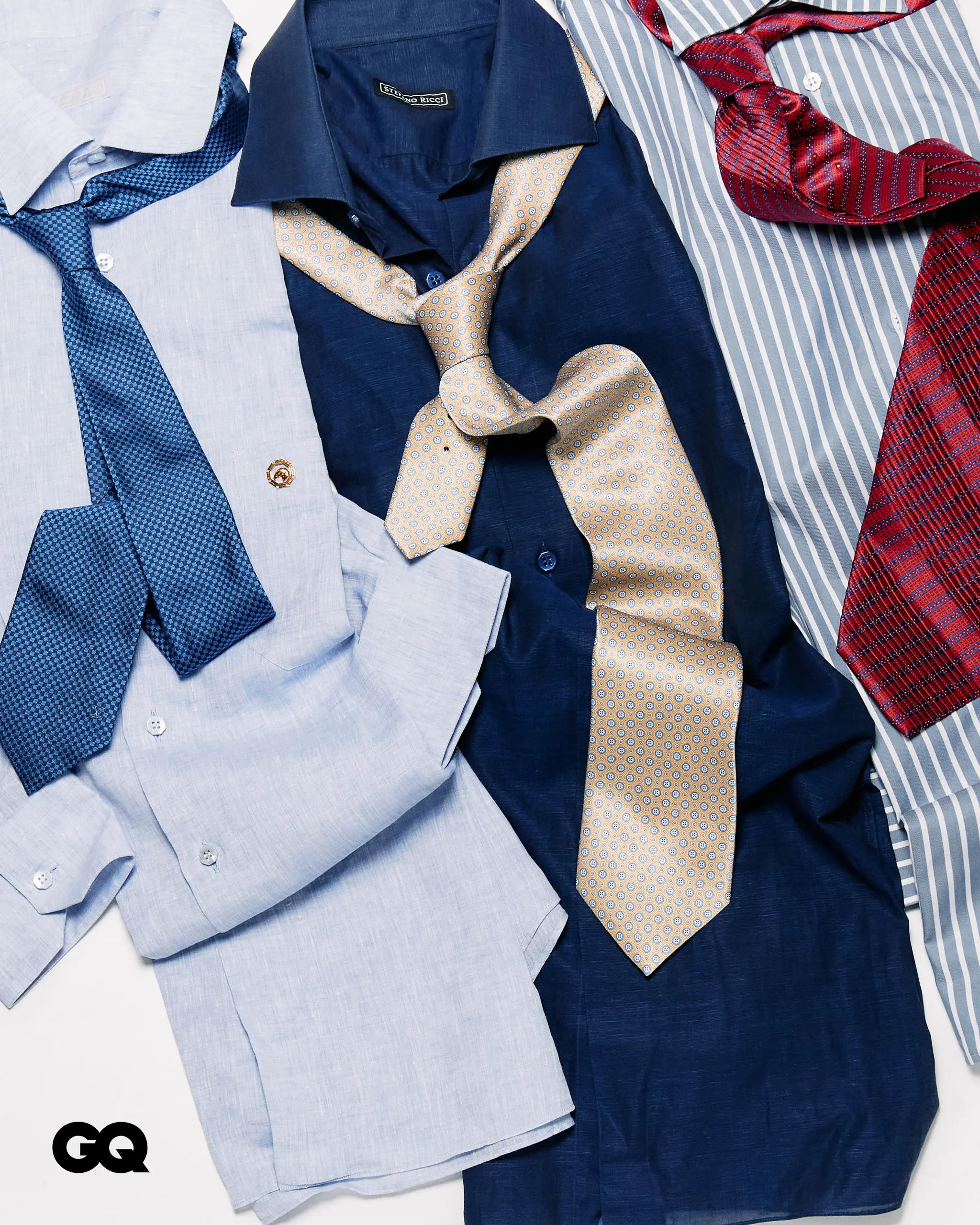
Let’s put it frankly: a tie serves little purpose. It doesn’t hold anything up like a belt, and it doesn’t keep you warm like a scarf. In many modern dress codes, it’s not even required. Wearing it is a purely aesthetic choice. Still, there’s something about a tie, and the right tie specifically, that signals intention: that you carefully thought about what to wear before stepping out the door. That’s really what this guide comes down to—knowing the difference between a tie that looks considered and one that looks like an afterthought.
Silk
If you only have one choice, make it silk. Silk is the default choice for a few good reasons. It drapes well, knots cleanly, works year-round, and looks formal with little effort. Silk ties work well for weddings, job interviews, client meetings, and other formal events. Try solid colors like navy and burgundy, or patterns like stripes or neats. Keep in mind that high-quality silk isn’t necessarily shiny; cheaper silk is often given a glossy finish that catches the office’s fluorescent lighting. A good-quality silk tie has some weight to it and can withstand being knotted time and again. Still, handle it with care, as even good silk can crease more easily than heavier fabrics like wool.
Wool
Wool is another classic fabric for ties, second only to silk. It’s great if you want more texture and depth in a look that leans more minimalist. Wool ties are heftier, so they crease less, making them a good option for travel. If you’re heading somewhere cold during the fall or winter, pack a wool tie. It pairs perfectly with overcoats, jackets, and heavier shirting.
Knit
Knit ties are made by knitting rather than weaving, usually from silk or wool yarn. Usually, they end in a flat, squared-off tip instead of a point. This creates a look that is less structured and far more casual than their woven counterparts. They’re ideal for offices that don’t require daily suit wear. Think daily meetings and business-casual or smart-casual events, wherever you’d like to look polished yet approachable. They’re also a great travel option, since they don’t wrinkle easily when stuffed into suitcases.
Cotton and Linen
In the hot and humid climate of the Philippines, cotton and linen ties are a practical choice. These matte, lightweight ties work best for daytime or outdoor events, such as beach weddings and garden parties. For a breezy, fresh look, they pair best with suits and shirts made from the same fabrics. Keep in mind these ties wrinkle more easily than silk or wool.
Jacquard vs. Printed
This distinction mainly applies to patterned silk ties. Jacquard ties feature patterns woven directly into fabric using multi-colored threads. This results in a textured and three-dimensional appearance. They also last longer, since the fabric is woven more tightly and is less susceptible to snags and tears. In contrast, printed ties are made by printing a design onto a plain, flat piece of fabric, usually through digital or screen printing. These are great for highly graphic or detailed prints, but they generally have less texture and can fade over time.
Knots
There are thousands of ways to knot a tie, but we recommend mastering three first. The four-in-hand is the most versatile of the three and works best with standard and point collars. It’s easy to tie, sleek, slightly asymmetrical, and relaxed-looking. The full Windsor is wide, symmetrical, and highly formal. It works best with spread or wide-spread collars. Lastly, the half-Windsor sits between the other two in terms of formality. It’s nearly symmetrical, medium in size, and best suited to medium-weight neckties, pairing well with medium spread or point collars.
As a general rule, thicker fabric requires less bulk in the knot, so a heavier tie pairs best with a smaller knot like the four-in-hand. Conversely, a lightweight silk tie can benefit from the extra volume of a full Windsor knot.
Proportions
The proportions of your tie depend largely on your build and your suit jacket. In terms of length, the tip of the tie should reach the top of your belt buckle, neither higher nor lower. As for width, the widest part of your tie should match your jacket’s lapel. Otherwise, the proportions could feel off, even if the rest of your outfit is right.
This is also where your choice of knot comes back into play. If you opt for a bulkier knot like the full Windsor, you’ll need a wider tie and a spread collar for it to sit properly. On the other hand, the slimmer four-in-hand looks best with a slimmer tie and a standard collar.
Cheat Sheet
To sum it all up, wear a tie based on the formality of the occasion, not the color of your shirt. Match your knot to your collar, and your tie’s width to your lapel. You don’t need a lot of ties, just a few staples for different occasions and seasons: silk for business and formal occasions, wool for colder months and travel, knit for daily business-casual, and cotton or linen for the warmer months and outdoor events. Get those fundamentals right, and the tie does what it’s always done: tell people you thought about your outfit before you left the house.
Frequently Asked Questions
Silk is the default choice for formal occasions like weddings, job interviews, and client meetings, since it drapes well, knots cleanly, and looks formal with little effort. High-quality silk has some weight to it rather than a glossy, cheap-looking finish.
Cotton and linen ties are recommended for hot, humid climates, working best for daytime or outdoor events like beach weddings and garden parties. They’re lightweight and matte, though they wrinkle more easily than silk or wool.
The four-in-hand suits standard and point collars and pairs well with thicker ties. The full Windsor is wide and formal, suited to spread collars. The half-Windsor sits in between, working best with medium-spread or point collars and medium-weight ties.
Jacquard ties have patterns woven directly into the fabric using multi-colored threads, creating a textured, three-dimensional look that resists snags and lasts longer. Printed ties have designs printed onto flat fabric, offering more graphic detail but less texture and a tendency to fade over time.
A properly proportioned tie should have its tip reach the top of the belt buckle, and its widest point should roughly match the width of the suit jacket’s lapel. Knot choice also affects proportion — bulkier knots like the full Windsor call for a wider tie.