Summaries were generated by AI. Generative AI is experimental.
Explore other styles:
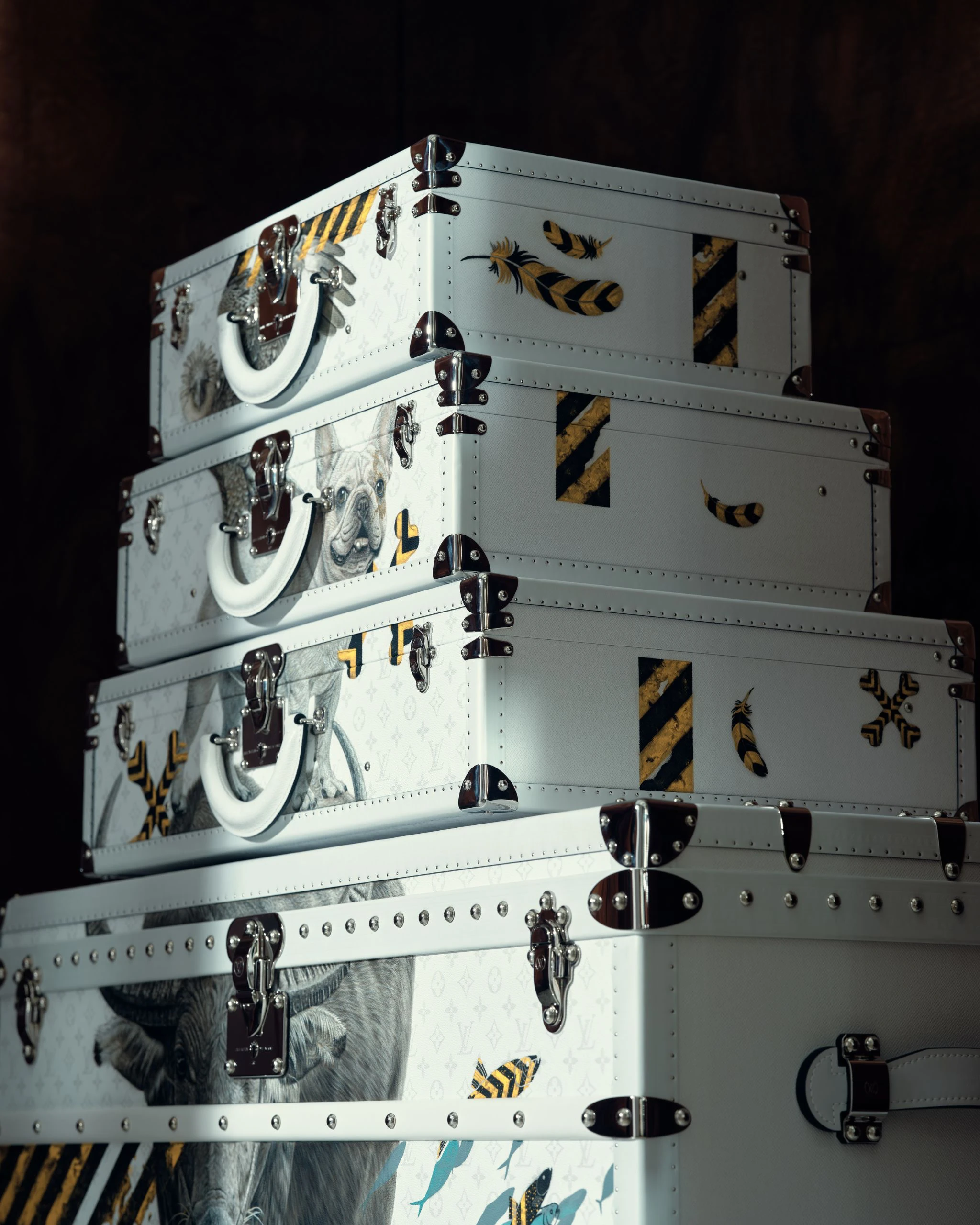
Among the creatures making their way across Louis Vuitton’s luggage in Manila is a French bulldog named Bobro. He shares a stack of white Taiga leather trunks with a carabao, an eagle, and a school of fish—a rather unlikely passenger list for a house best known for outfitting journeys. Bobro belongs to the artist behind the work, Ronald Ventura, whose commission gives one of Louis Vuitton’s most familiar objects a personal and FilipinoFilipinoThe national language of the Philippines, widely used for communication, education, media, and culture.Go to Filipino Glossary point of view.
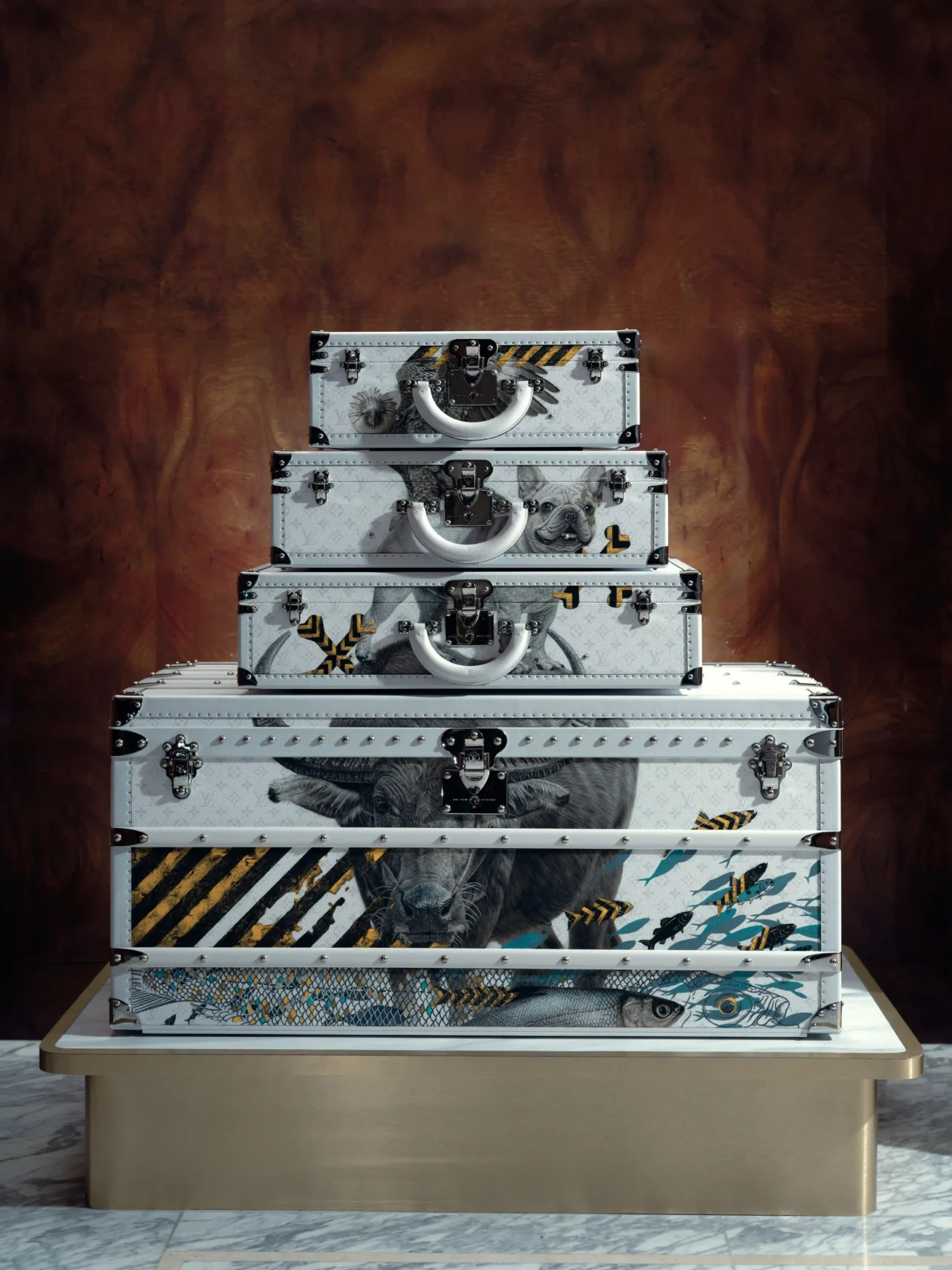
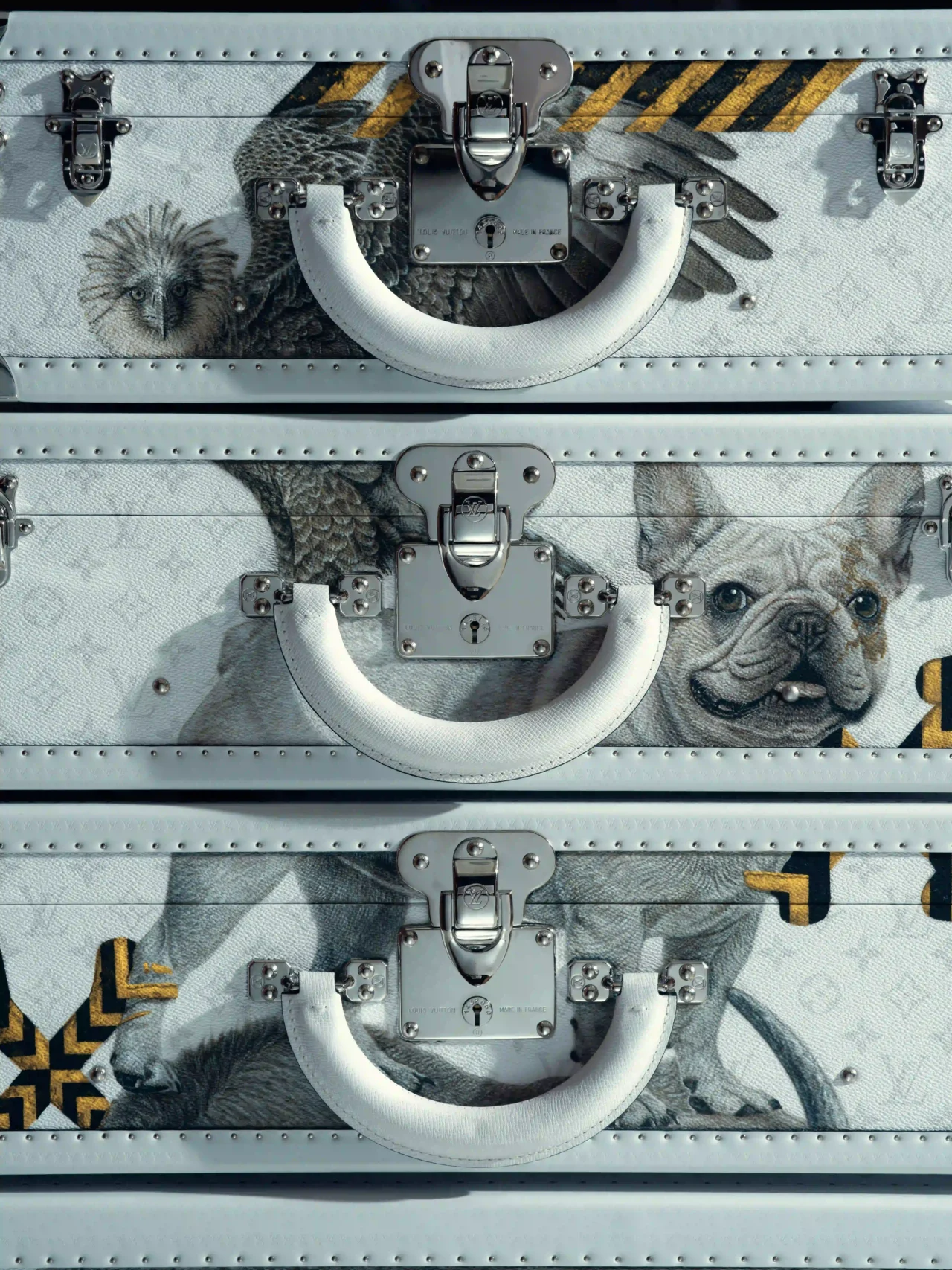
Made for “Les Extraordinaires,” Louis Vuitton’s presentation at the Presidential Suite of Grand Hyatt Manila in BGC, Ventura’s piece stacks the trunks into a vertical totem. Its animals span land, water, and sky, turning the cases into a monument to movement, encounters, and bits of knowledge collected along the way. Bobro gives the work its most personal detail, as among all the grand ideas about travel, there is also the simple pleasure of bringing your dog along.
And the trunk is an apt place to begin. Louis Vuitton arrived in Paris in 1837 to apprentice as a trunk-maker, learning to build and pack cases for an age when travel meant horse-drawn carriages, boats, and trains.
He opened his own workshop in 1854, laying the foundation for a house whose identity would remain tied to the practical art of moving well. At “Les Extraordinaires,” the trunk appears in its many lives as both a travel companion and a collectible object.
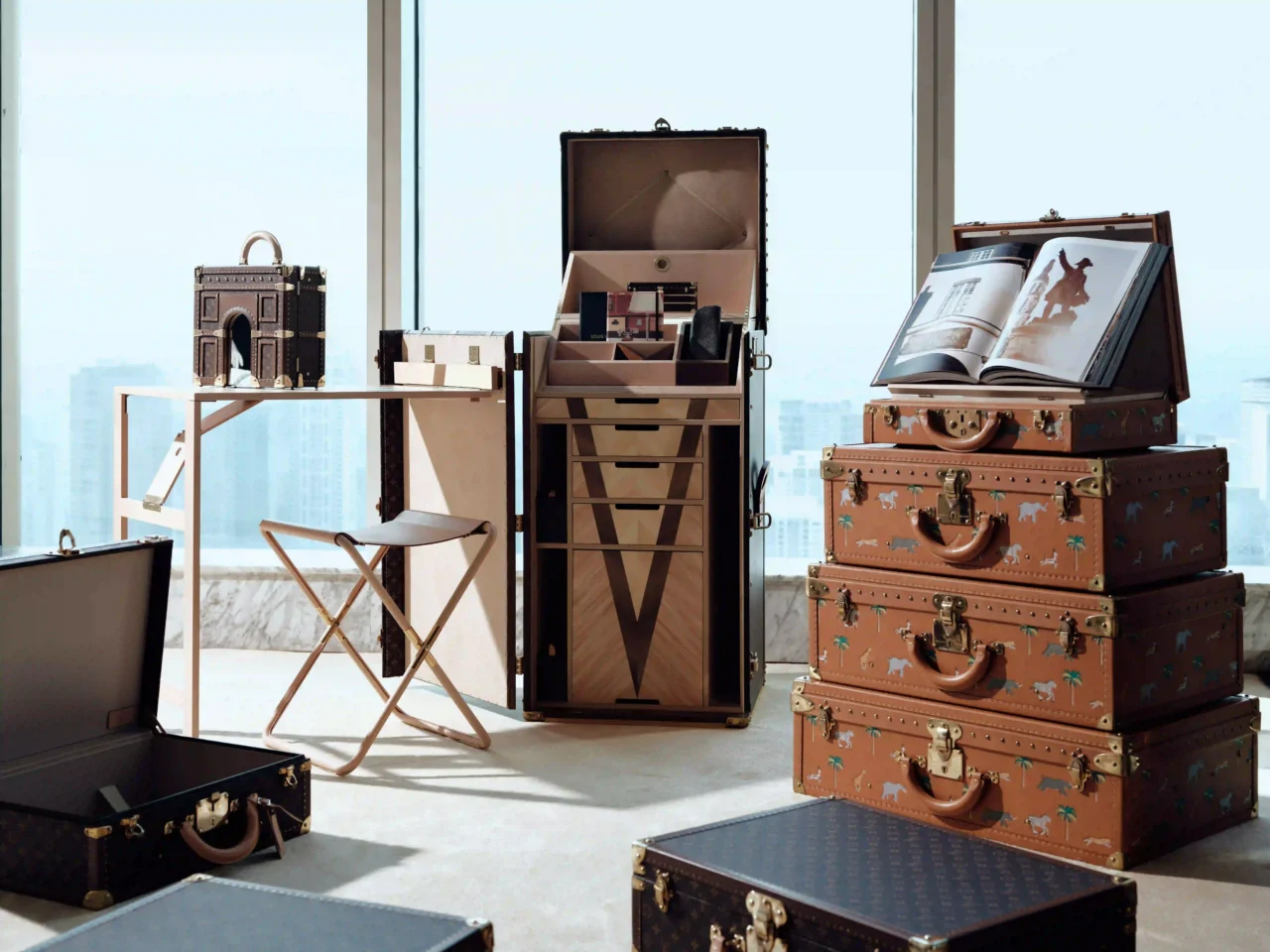
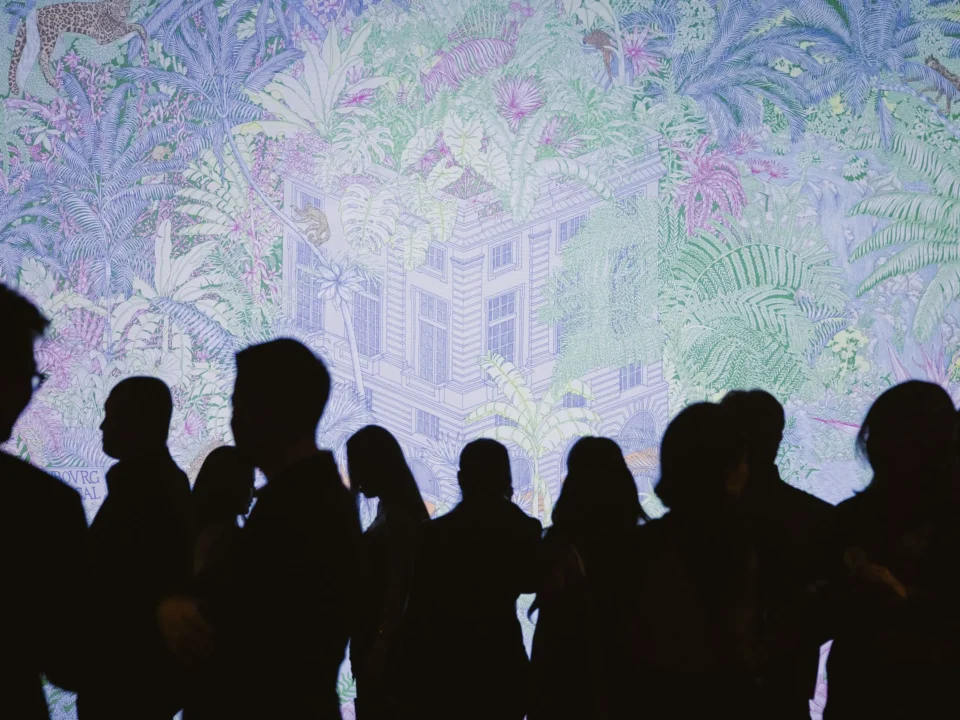
The presentation gathers pieces from across the house’s world, including collectible design, the Home Collection, timepieces, and fine jewellery. The home offering takes Louis Vuitton’s visual language into the rooms where people actually live, with furniture, lighting, tableware, and decorative objects. Leather, wood, and onyx bring the house’s attention to material and finish into a different setting. The Objets Nomades collection, introduced in 2012, also pairs international designers with Louis Vuitton’s artisans, turning functional pieces into objects that invite a second look.
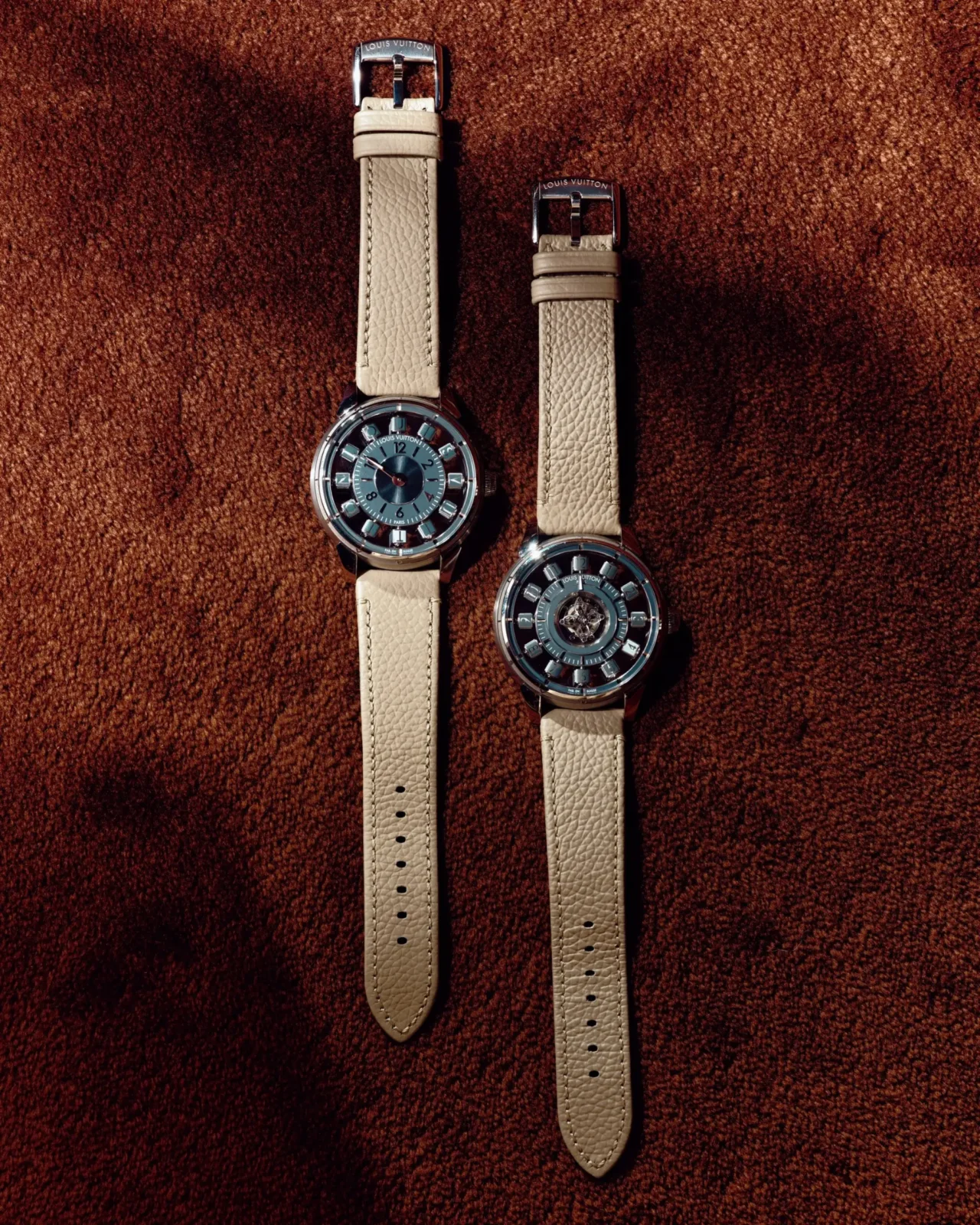
The watches also bring a different kind of play to the presentation. The Tambour Spin Time, first introduced in 2009, uses rotating cubes to indicate the hour, giving the familiar business of checking the time a mechanical flourish. The Monterey revisits a design from 1988, created with Italian architect Gae Aulenti, and is recognisable for its pebble-shaped case and distinctive dial. Together, they show two sides of the house’s watchmaking: as a mechanical conversation starter and a piece of design history brought back into circulation.
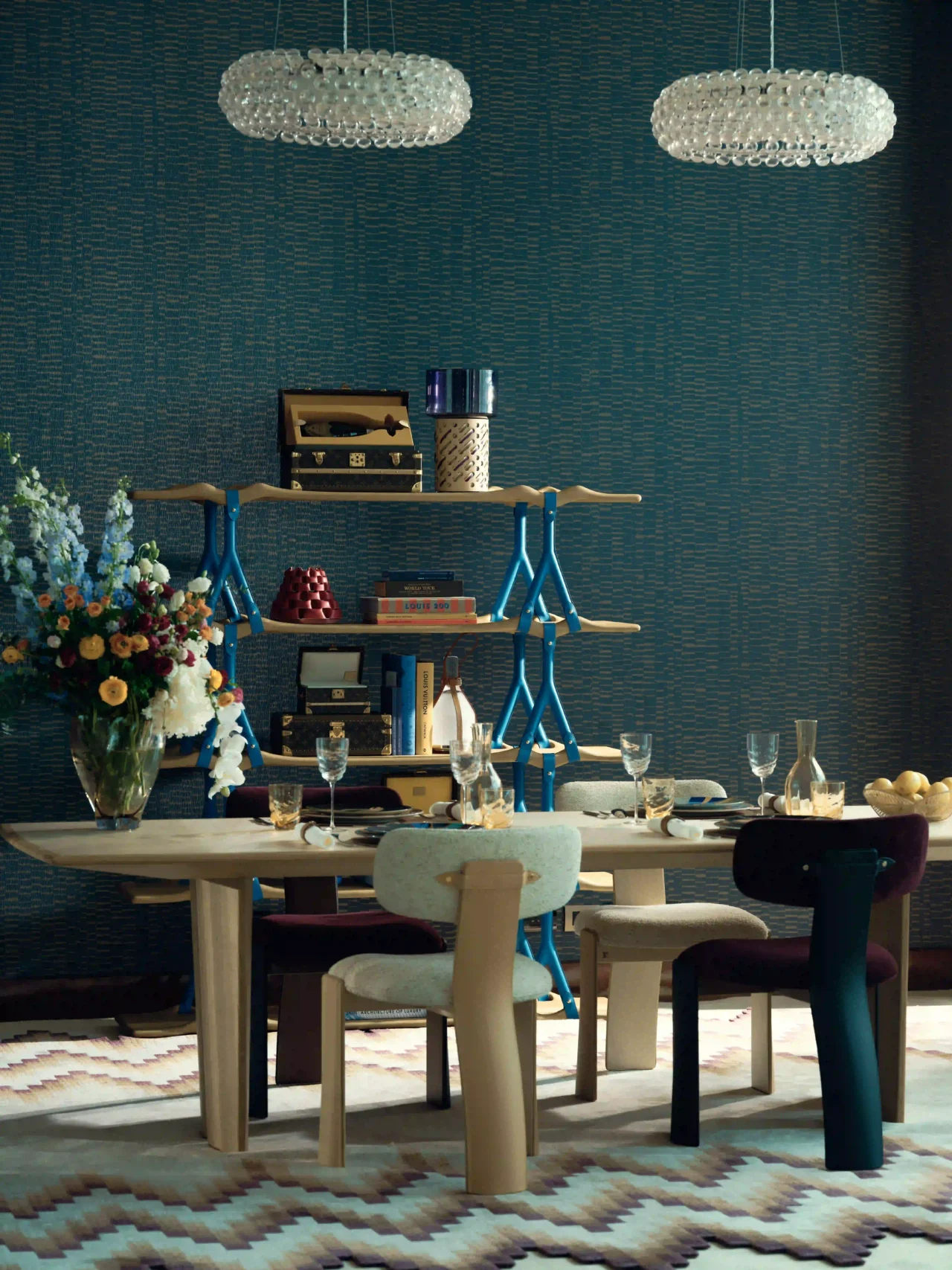
Across the suite, the presentation brings together objects that rarely share the same conversation: furniture, watches, jewels, and trunks. Taken together, the objects at “Les Extraordinaires” offer a glimpse into just how far Louis Vuitton’s original trade has travelled.
Frequently Asked Questions
Les Extraordinaires is a presentation of Louis Vuitton’s collectible design, home collection, watches, fine jewellery, and travel objects.
It was held at the Presidential Suite of Grand Hyatt Manila in Bonifacio Global City.
Filipino artist Ronald Ventura created a vertical totem of Louis Vuitton trunks featuring animals including a French bulldog, a carabao, an eagle, and fish.