Summaries were generated by AI. Generative AI is experimental.
Explore other styles:
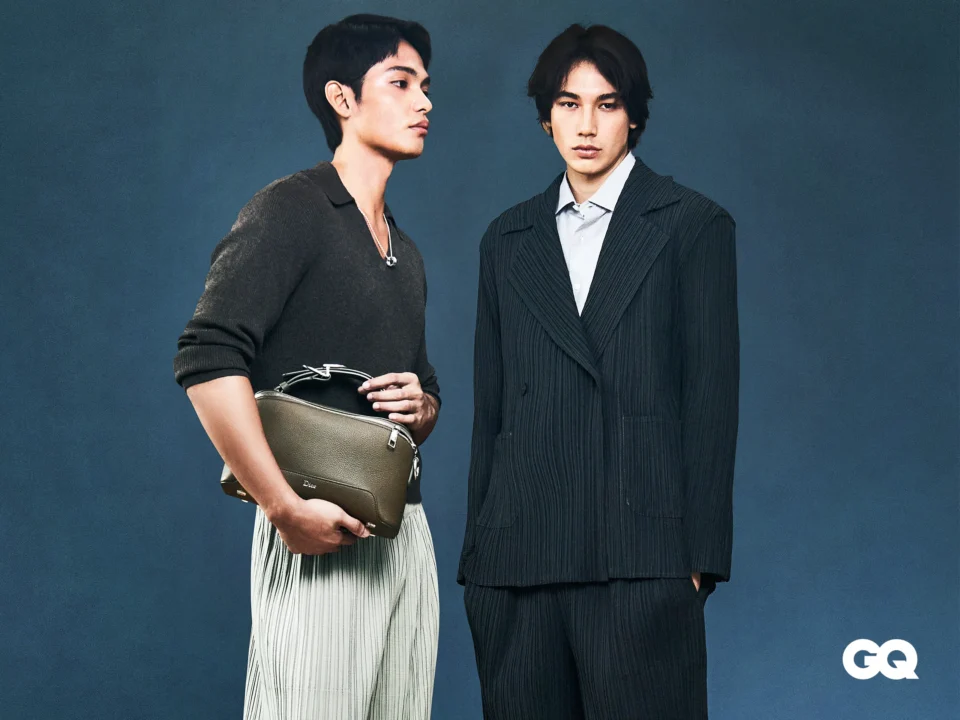
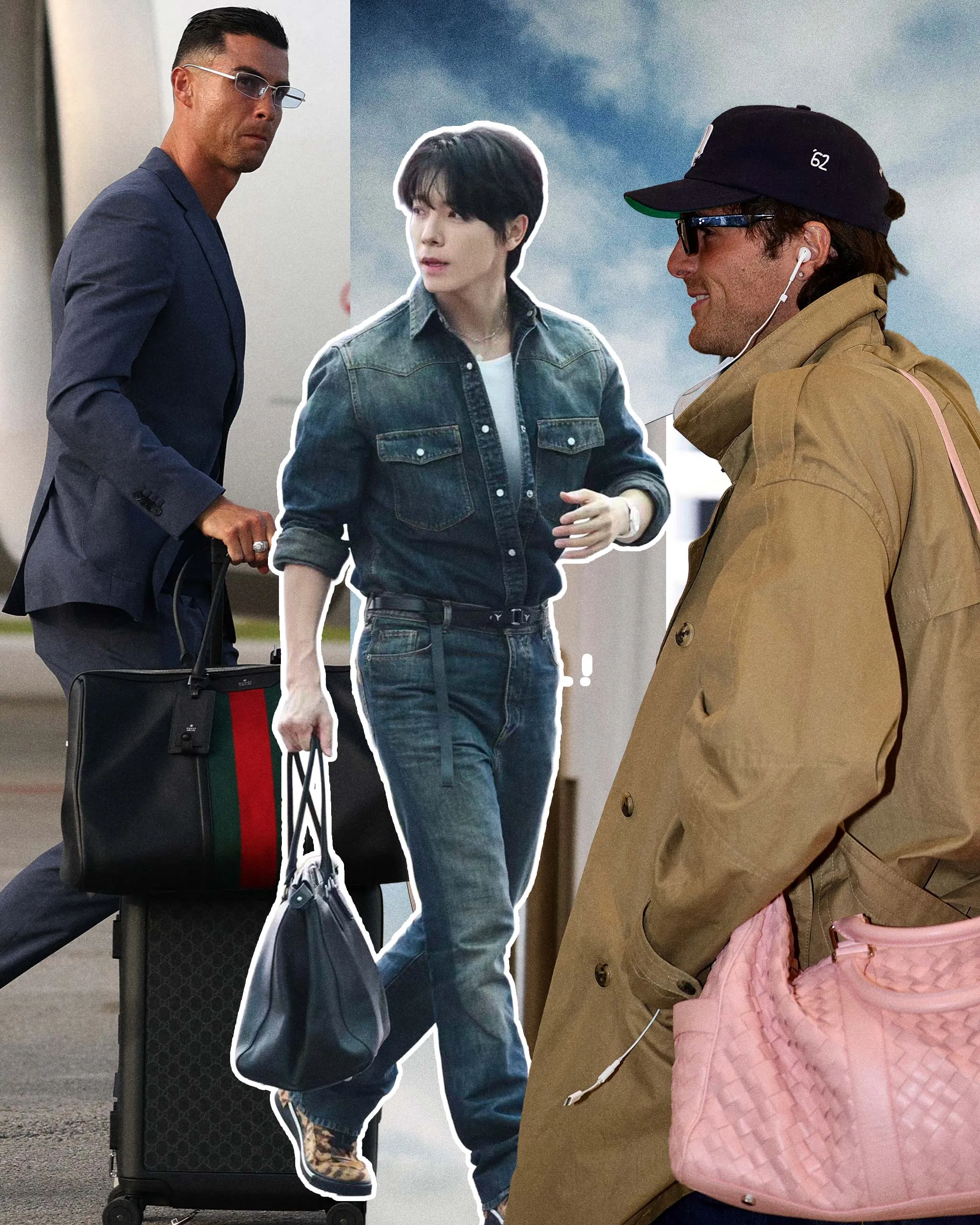
When Fashion Month hits full stride, our social feeds transform into carefully curated airport runways. A popular Thai screen icon poses against a concrete terminal façade, decked from head to toe in the luxury house sponsoring his flight. An idol pauses at the curbside, flashing a million-dollar wave while clutching a pristine leather satchel. Meanwhile, an A-list Filipina actress, decked in the fashion house’s seasonal offerings, posts a photo before boarding her connecting flight. The subtext is loud and clear: the airport terminal is the new fashion destination.
To the modern traveler, this might feel radical. After all, the contemporary airport uniform has long been defined by the slouchy melancholy of oversized hoodies and gray sweatpants. But it wasn’t always that way.
When commercial jetliners took flight in the 1950s, aviation was the exclusive playground of the ultra-affluent, giving birth to the original “Jet Set,” a cohort defined by fast travel and sharper tailoring. Think Marlon Brando swaggering through Orly Airport in 1959, wearing an all-black suit with a trench coat draped casually over his arm.
Everything shifted in the 1970s with the debut of the wide-body Boeing 747 and the U.S. Airline Deregulation Act, which democratized the skies. By the time the casualization wave of the 1990s crashed into popular culture, airport style had been thoroughly deglamorized.
So, what prompted the sudden U-turn? The global economy, for starters. Rising costs have squeezed middle-class discretionary spending, forcing casual travelers to fly less frequently.
At the other end of the spectrum are the top one percent. While the masses scroll endlessly, the ultra-wealthy are redefining modern leisure. According to The Economist, they are increasingly spending on exclusive experiences such as luxury hotels and resorts. To the general public, this has made travel even more aspirational.
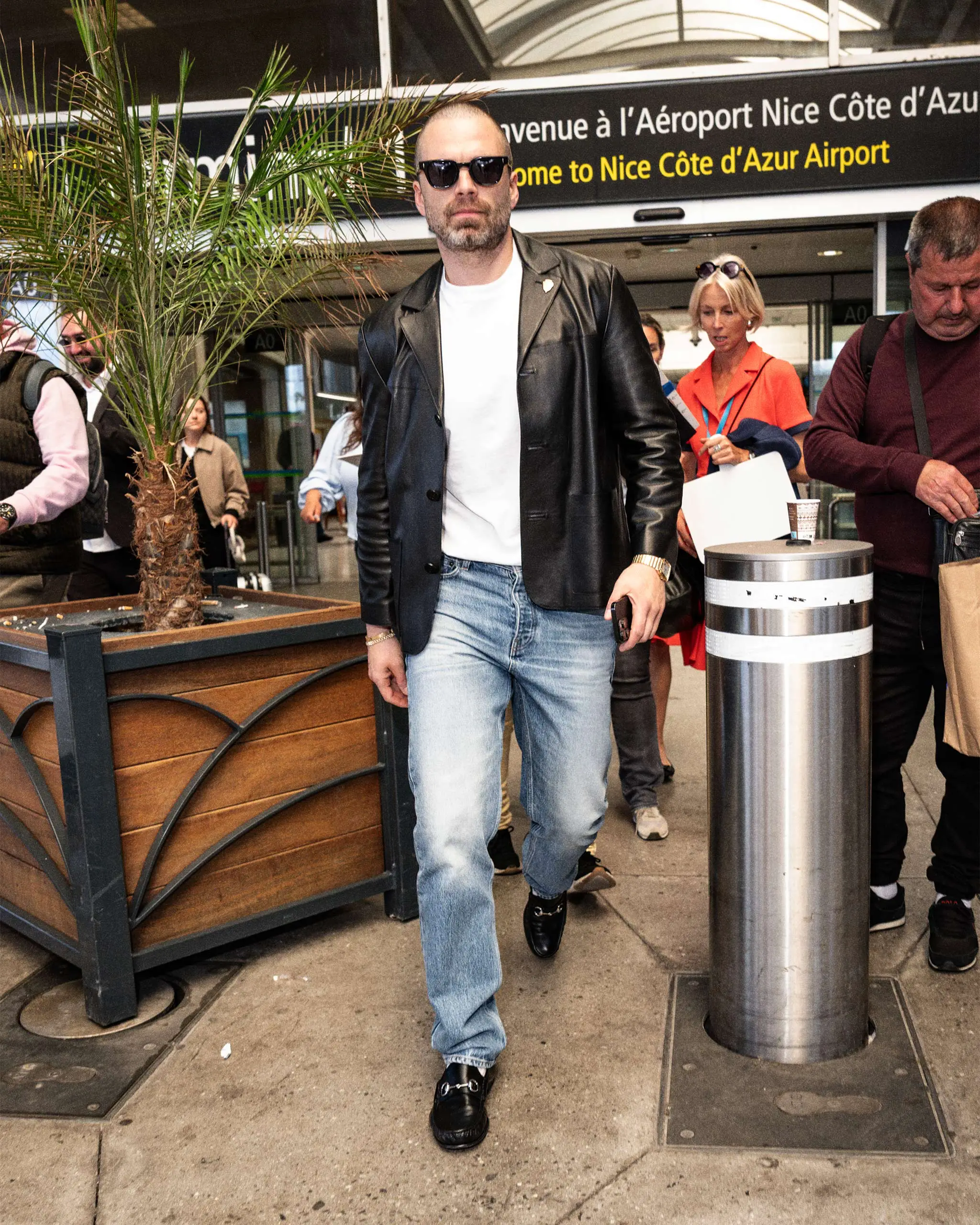
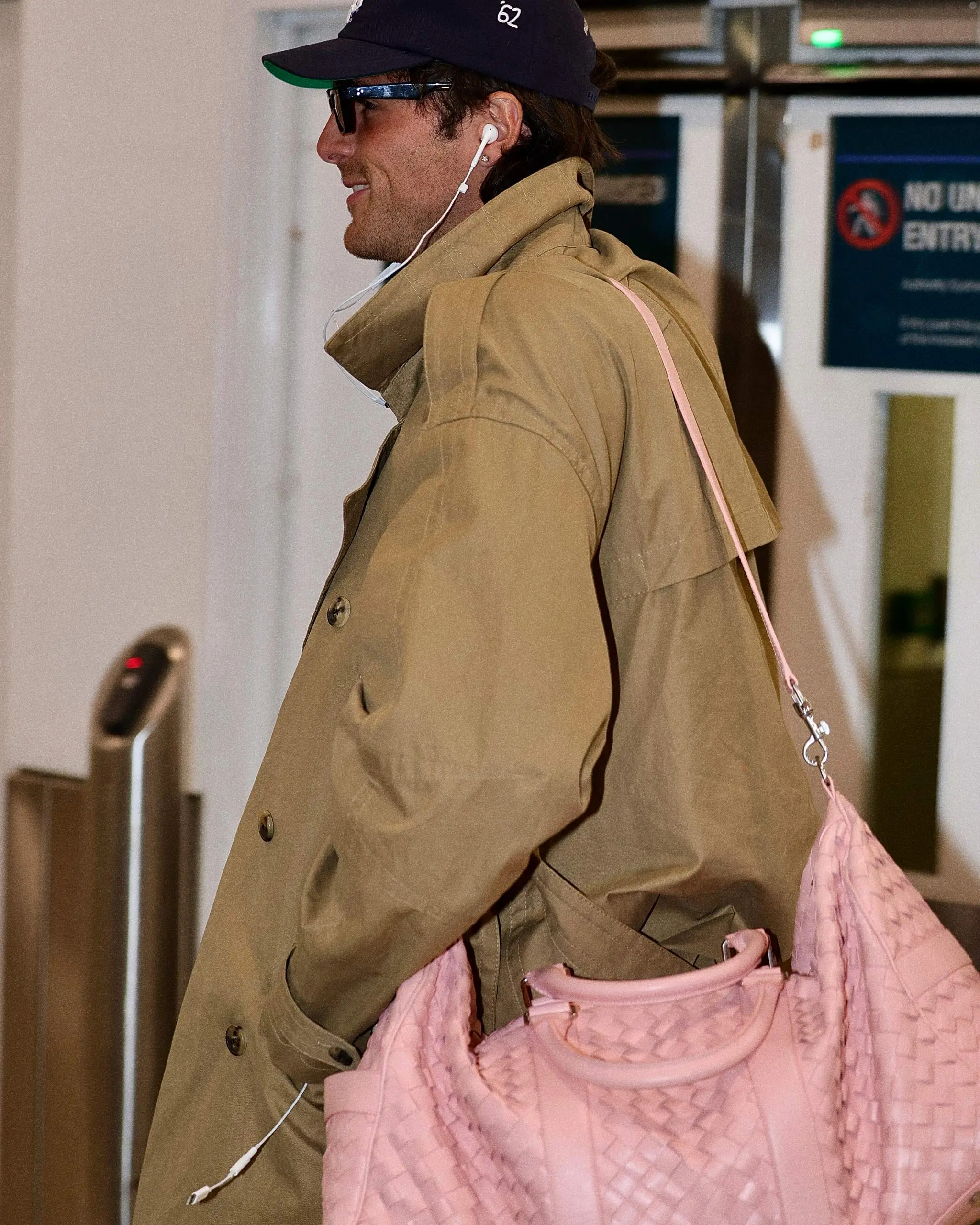
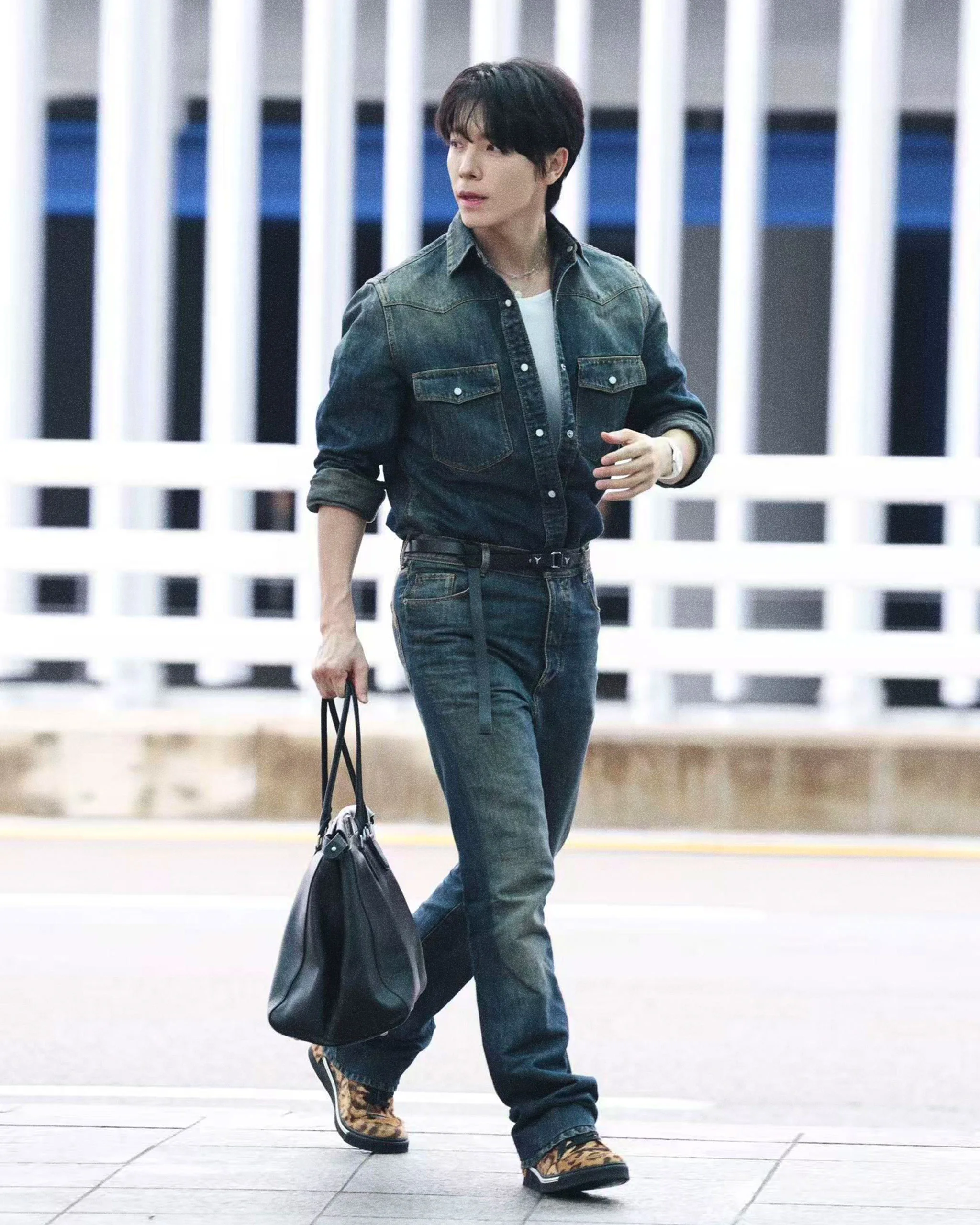
Then, there’s social media. To maximize content creation, travelers are increasingly documenting every stage of their journeys. They no longer post photos and Reels of the destination; they also capture the moments leading up to it. Like celebrities and influencers, they see the airport as another stage to show off their travel outfits.
Simultaneously, a niche pocket of the self-development world—the “leveling up” influencer community—has begun preaching the gospel of terminal etiquette. Their thesis is simple: dressing up unlocks subtle advantages, from smoother security screenings to unexpected networking opportunities.
The evidence may be anecdotal, but the idea isn’t entirely without merit. Flying from Rome to Manila last year, I opted for a sharp spezzato suit instead of sweatpants. The payoff came instantly. At the Bottega Veneta terminal boutique, the sales associate immediately noticed my cufflinks and gave me a private tour of the new Andiamo bags. Minutes later, while boarding the aircraft, the cabin crew bypassed the standard greeting to compliment my pinstripe jacket. No mid-air miracles occurred, but the lesson was clear: looking sharp at 30,000 feet still goes a long way.
How does one dress for the new jet-set age? The answer will likely depend on your aesthetic preferences, the type of trip, and your goals. Fans of leisurely streetwear might pair a vintage-style track jacket with jeans. Executives heading straight to a meeting from the airport will always look the part in a suit.
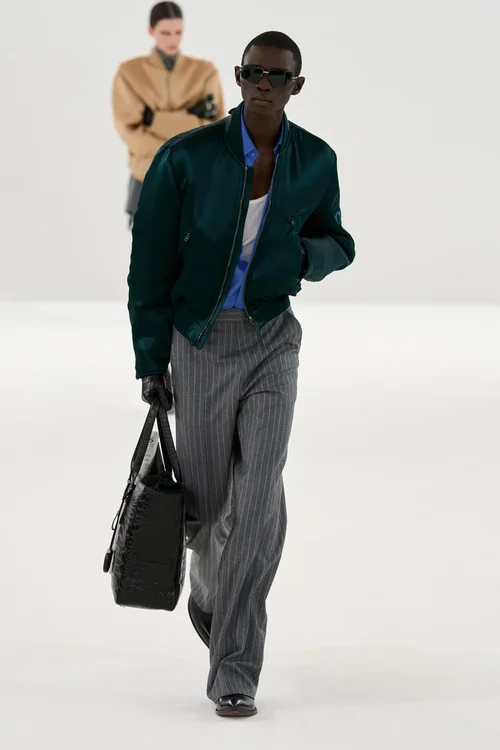
Somewhere in between, a traveler could opt for suit trousers with a jewel-tone bomber jacket, as Haider Ackermann showed in his Fall collection for Tom Ford. If a journey of a thousand miles begins with a single step, as the cliché goes, it might as well begin in a great outfit.
Frequently Asked Questions
Rising costs have made travel feel more aspirational, prompting people to treat it as an occasion worth dressing for. Social media has also turned the airport into a content stage, with travelers documenting their outfits before reaching their destination, following the lead of celebrities and influencers.
The original Jet Set style emerged in the 1950s when commercial air travel was exclusive to the ultra-affluent, producing sharp tailoring exemplified by figures like Marlon Brando, who wore a full black suit and trench coat through Orly Airport in 1959.
Airport style became more casual after the 1970s debut of the wide-body Boeing 747 and the U.S. Airline Deregulation Act, which made flying accessible to the masses. By the 1990s, casualization had fully taken over, replacing tailoring with loungewear.
The evidence is largely anecdotal, but a “leveling up” influencer community claims that dressing sharply at the airport can lead to smoother security screenings and unexpected perks, such as better service from airline staff or luxury retailers in the terminal.
Dressing for travel now depends on personal style and trip purpose: streetwear fans might pair a vintage track jacket with jeans, executives might wear a full suit, and a middle-ground option is suit trousers paired with a jewel-tone bomber jacket.