
Summaries were generated by AI. Generative AI is experimental.
Explore other styles:
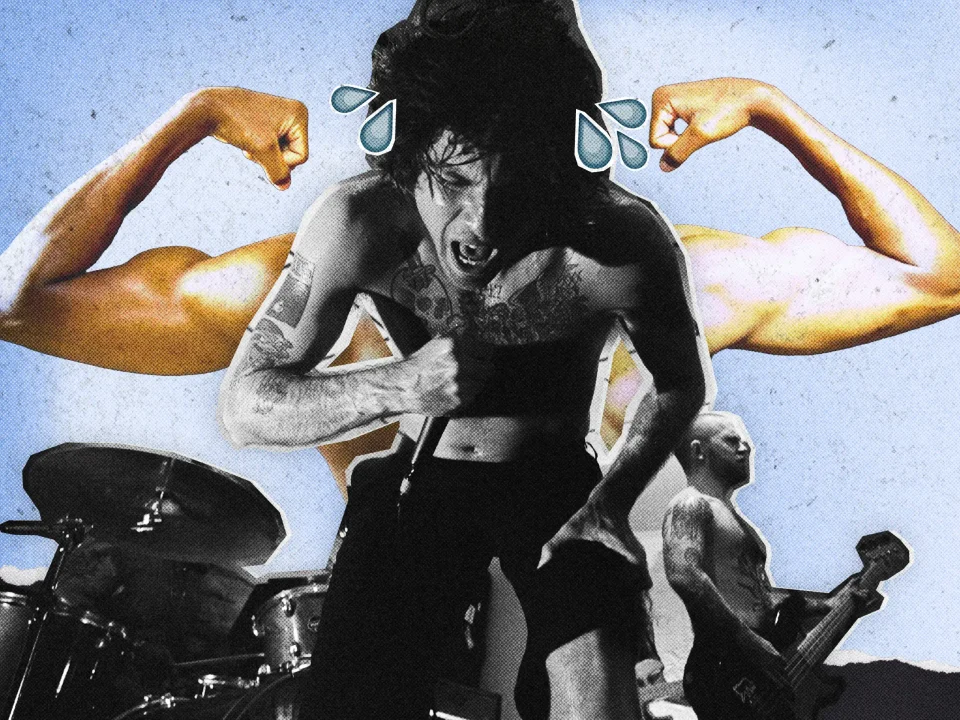
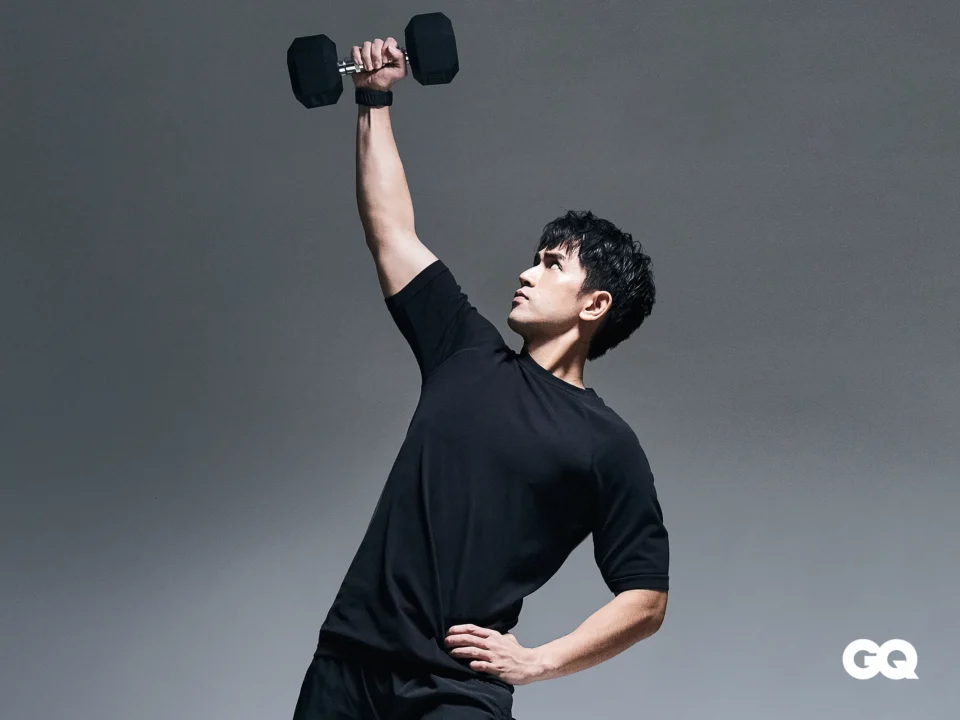
There are only so many times you can open Instagram before seeing someone you know training for HYROX. The friend who used to spend every workout chasing a new bench press personal best is suddenly logging ten-kilometer runs, and even your office coworker now speaks fluently in training jargon. Celebrities have joined the movement, too. Actors like David Licauco have embraced HYROX as part of their fitness routines, even placing first among FilipinoFilipinoThe national language of the Philippines, widely used for communication, education, media, and culture.Go to Filipino Glossary competitors at a recent race in Jakarta. At this point, it feels like an inevitable rite of passage; everyone and their grandmother seems to be signing up.
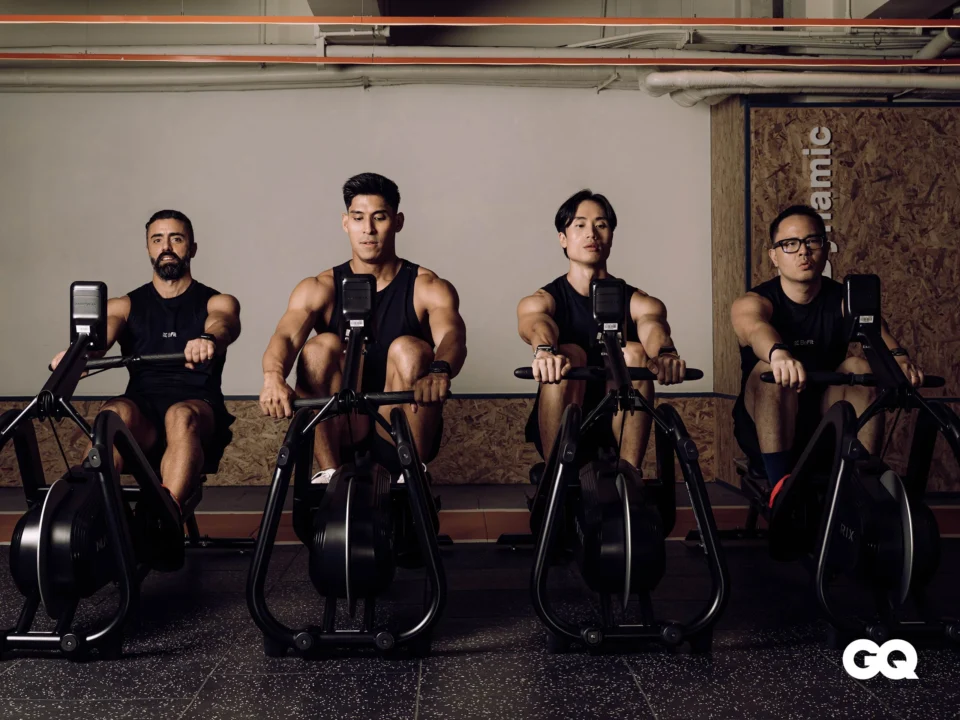
That enthusiasm is slightly bewildering when you consider what HYROX asks of people. Participants run eight one-kilometer laps, punctuated by eight functional workout stations. These include sled pushes, burpee broad jumps, rowing, sandbag lunges, and enough wall balls to make you question every life decision that led you there. It is, by almost every objective measure, exhausting. Yet races continue to sell out, gyms are redesigning classes around it, and beginners are willingly dedicating months to preparing for what is essentially two hours of voluntary suffering.
So why is everyone suddenly so eager to do something so difficult?

The easy answer is that HYROX is simply the latest fitness craze. Before it came boutique cycling studios. Before that, obstacle races like Spartan. Before that, CrossFit. Fitness, like fashion, has always had its trends. But reducing HYROX to another passing fad ignores a much bigger shift in how Filipinos think about exercise. Somewhere over the last few years, looking fit stopped being enough. Increasingly, people want to prove that they really are fit.
Unlike CrossFit, whose Olympic lifts and gymnastic movements can intimidate newcomers, HYROX is built around movements almost anyone can recognize: run, push, pull, carry, row, throw. The challenge isn’t mastering impossible techniques; it’s figuring out how to keep doing remarkably ordinary things after your heart rate has climbed well north of comfortable.
“It’s really beginner-friendly,” says athlete and coach Mauro Lumba. “You wouldn’t think that the average person would join, but anyone can finish the race. The movements are basic. You just have to be familiar with the stations.”
Georges Nakhoul of BeFit echoes this sentiment. “HYROX is accessible everywhere… You have different age categories. People above 50, even above 65. Everyone can race.”
That accessibility has become one of the sport’s greatest strengths. When Anton Medalla and Angelo Lim were developing BeFit, HYROX was beginning to gain momentum overseas. Rather than waiting for demand to arrive, they built their programming around it, tasking BeFit’s head of fitness, Georges Nakhoul, with creating classes for everyone from complete beginners to aspiring competitors preparing to race.
Race is the operational word here. Fitness has always offered goals, but they’re often difficult to measure. Maybe you’ve lost weight, or maybe your shirts fit differently. HYROX replaces subjective progress with a finish time. Every race follows the exact same format, allowing competitors to compare themselves not against the field, but against the version of themselves that crossed the finish line a few months ago.
“I think the template of the races is predictable,” Medalla explains. “You know your target times. You know what you need to improve.”
It’s also difficult to separate the sport from the explosion of running culture across the country. Run clubs have become major social gatherings, and slots for half-marathons sell out in hours. HYROX takes that philosophy indoors and adds enough functional strength work to ensure your legs have something new to complain about.
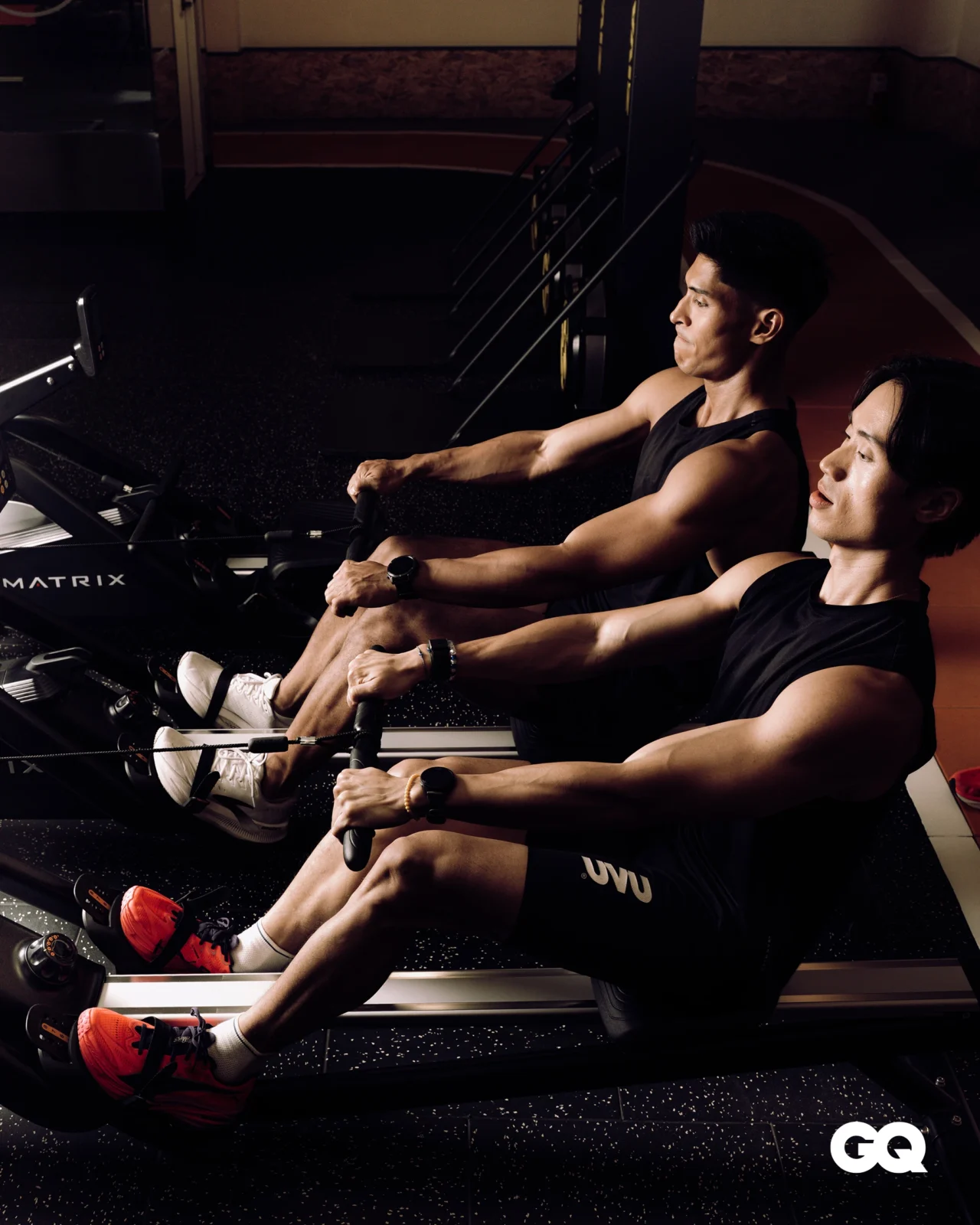
Ironically, one of the most common words people use to describe the sport isn’t empowering or exhilarating. It’s humbling. Everyone we spoke to arrived at that conclusion independently. For Medalla, his first race exposed weaknesses he hadn’t anticipated. BeFit’s co-founder Angelo Lim admits that deciding to register before he felt completely ready changed his relationship with the challenge. Even Lumba, who competed in Muay Thai and was briefly part of the Philippine national team, says the mind, not strength, is where many people unravel.
“People burn themselves out on the first station,” he says. “Once you’ve reached a certain level of fitness, it’s almost a purely mental game.”
Nakhoul remembers experiencing exactly that shift during his own competitions. Finishing the race was no longer about whether he could continue; it became a question of whether he was willing to take one more step when everything in him wanted to stop. That may be the sport’s strangest and greatest appeal. HYROX isn’t marketed as easy, and nobody pretends that it gets easier with experience.
“You train harder not for it to be easier, you train harder for you to be faster. That pain remains consistent,” Medalla explains. It sounds like a terrible sales pitch, and yet it keeps working.
Maybe that’s because pain, unlike aesthetics, can’t be outsourced. No filter can complete a sled push for you, and no algorithm can shave minutes off your time. Spend enough time around these athletes, and another theme begins to surface just as often as personal improvement.
Every competitor has their own bib and their own finish time, but almost everyone we spoke to talked about the people standing beside them. “I think you build community when you have shared suffering,” Lim jokes.
That phrase explains more about the sport than almost any training plan could. The people dragging sleds beside you aren’t obstacles; they’re reminders that everyone is battling the same exhaustion.
It’s tempting to dismiss HYROX as another manifestation of hustle culture, a fitness race obsessed with optimization, measurable outcomes, and relentless self-improvement. After all, there are leaderboards, heart-rate monitors, and enough data to satisfy anyone who enjoys turning their body into a spreadsheet. But spend enough time talking to the people who actually compete, and that interpretation starts to feel incomplete. The metrics get people through the door, but the community keeps them coming back.
Ask athletes what they remember from race day, and they’ll rarely mention who won. They’re more likely to recall the stranger cheering them on during the final kilometer, the training partners who dragged them through months of preparation, or the realization that they were capable of more than they’d assumed. You’re not really trying to beat everyone else. You’re just trying to finish alongside everyone else who made the same decision to show up. For a sport that looks, from the outside, like the final evolution of hustle culture, that’s a surprisingly hopeful place to end up.
A version of this story appears in the September 2026 issue with the title “Worth the Weight”
Frequently Asked Questions
HYROX is a fitness race that combines eight one-kilometer runs with eight workout stations, including sled pushes, rowing, and sandbag lunges.
Yes. The movements are simple and can be adapted for people of different fitness levels and ages.
Its focus on measurable performance, personal progress, and community has helped make it increasingly popular among Filipino fitness enthusiasts.
Actor David Licauco has embraced HYROX as part of his fitness routine, even placing first among Filipino competitors at a recent race in Jakarta, helping bring visibility to the sport’s growing local following.
Coaches and competitors say HYROX exposes unexpected weaknesses and turns into a purely mental battle once a baseline fitness level is reached, with many saying the sport teaches restraint and self-awareness more than raw strength.