Summaries were generated by AI. Generative AI is experimental.
Explore other styles:
Everyone in Manila remembers the dreary, gray, wretched monsoon downpour that paralyzed the city between July and August this year. Yet the relentless deluge didn’t stop me from chasing a spark. I found myself at a moody speakeasy in Makati, being introduced to a girl by a mutual friend.
For a while, the trajectory was flawless. The chemistry was palpable—sustained physical touch, unbroken eye contact, and jokes landing exactly where they needed to. All was well until the conversation inevitably drifted toward politics.
Suddenly, the gears ground to a halt. Our opinions didn’t just clash; they went to war. When the flirty banter finally devolved into an outright political debate, she attempted to defuse it with a casual shrug: “None of it really matters anyway.” She was, at best, proudly apolitical.
When you drink enough wine, the hinges loosen on whatever doors you’ve been holding shut, and the things you actually believe walk out uninvited. It didn’t help that I was simultaneously realizing her last name carried a historical weight you don’t bring up at a dinner table unless you are fully prepared to defend it. Clearly, I had missed the modern dating memo: the innocent question of “What’s your favorite color?” has officially been weaponized as code for “Who did you vote for?”
For a country that routinely hits the tragic jackpot for climate disasters, I find it both baffling and disheartening how many people still root for the wrong teams. We have the sum of human knowledge in our pockets to fact-check reality, yet through the distorting lens of artificial intelligence and paid influencers passing themselves off as reliable news distributors, facts and opinions have become a blurred slurry.
Worse still is the rise of the willfully apolitical—those who retreat into neutrality because they believe their voices carry no weight. Watching the friction unfold that night, I faced the ultimate modern dilemma: Should I take a stand, correct her, and attempt to argue my way into her heart? Or should I choose hypocrisy, if only for one night?
When Dating Is No Longer Just About Romance
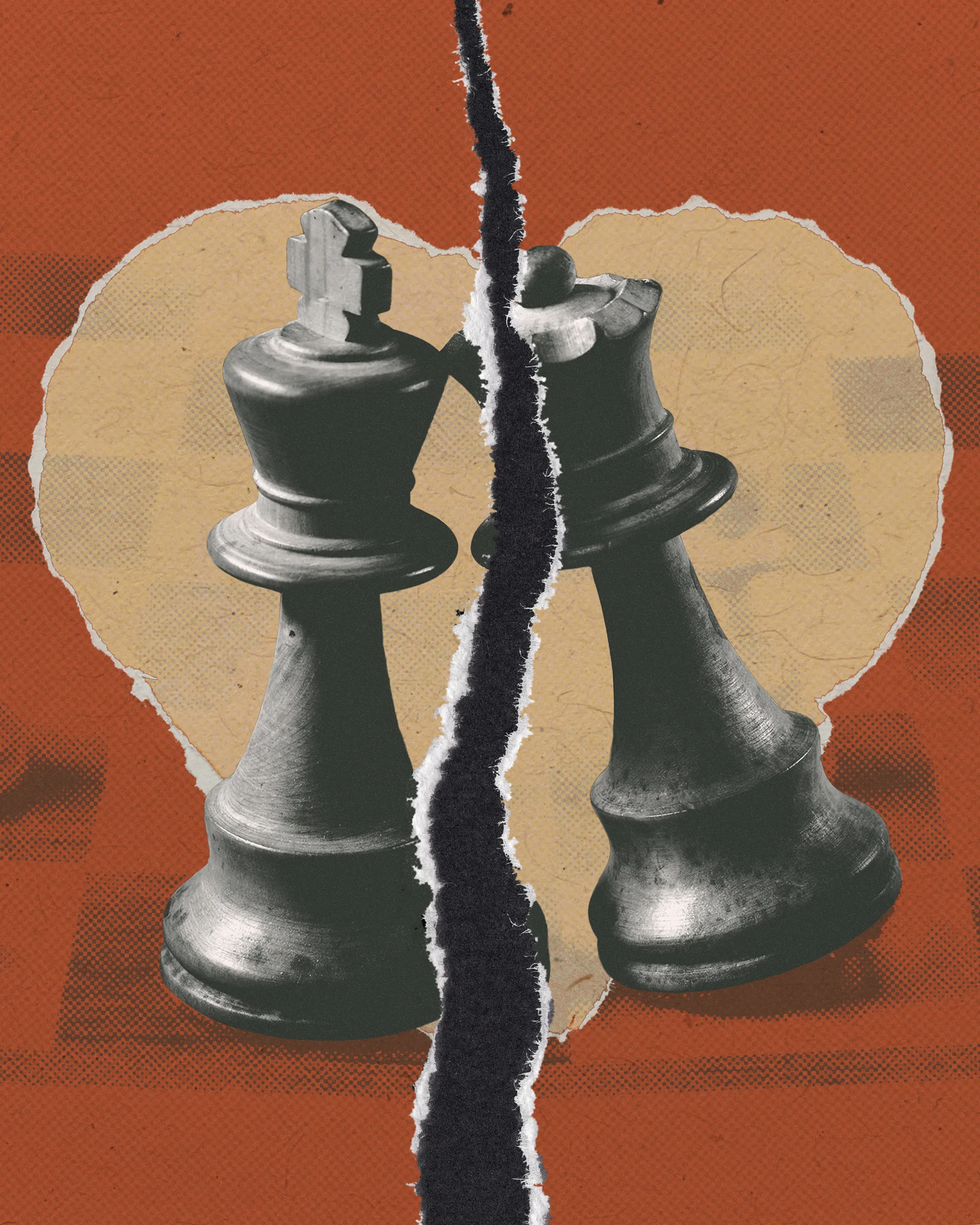
The realm of political opinions stopped being a hypothetical dinner-party parlor game a long time ago. Families, friends, and neighbors fight over it. Strangers on the internet scrutinize and cancel one another over ideological differences. Politics was never a frictionless matter. Today, knowing one’s political stance can serve as a reflection of how they navigate society and whether they recognize that their privileges are built entirely on the backs of those who possess far less.
It’s easy to think of every aspect of society and culture as its own separate entity. But they all merge into a web. Dating and politics run the same course, affecting one another simultaneously. Who you date says more about your values than you realize. This isn’t just about debating current economics or geopolitics over drinks (unless heated debate is your kink). It is about intellectual alignment and shared accountability.
We live in a society deeply indoctrinated by old-world systems: women often defend structures that restrict them, while men comfortably rest on outdated, classist, and patriarchal dogmas passed down by their forefathers. When we ignore these dynamics in the people we date, we simply perpetuate a cycle of generational apathy. Call me a sapiosexual or an overthinker, but true attraction requires an intellect that resonates with your own. Not an echo of the status quo.
When someone’s politics directly dictates whether a worker earns enough to live in dignity, or whether a woman retains bodily autonomy, every personal choice carries immense weight. I am far from the perfect arbiter of truth; I still question the architecture of my own belief systems. But this modern politicking raises a haunting dilemma I can’t seem to shake: if the oppressed and the corrupt are both praying to the very same god, whose prayers actually get answered?
Religion, of course, is an entirely different minefield, and one I care not to detonate today. Looks and chemistry are easy to get swept up in, but I’ve come to care just as much about whether someone’s political affiliation is compatible with my own. It turns out to matter more than I expected.
Not Disappointed, Not Surprised
Political fluency matters. Why invest your time, emotion, and future in someone possessing a fundamentally incompatible set of values—someone whose familial alliances and ideological preferences could actively harm your world in the long run? For millions across the globe, politics is not just an academic debate; it is a matter of life and death, dictating your access to education, healthcare, and basic human welfare.
That night in Makati, I decided I wasn’t going to cross into that particular unknown terrain. I could have tried to explain, calmly, why being apolitical is not a personality trait in this economy. Instead, I let it go, sipped my filthy martini, and quietly fled because I’d just realized I’ve got three more impending edits I need to submit to my managing editor the next day.
Dating is simply easier when you and your lover see the world the same way. Maybe that’s my rigid standard. Maybe mileage varies from person to person. But I think I’m not the only guy (or gal) who doesn’t skip the vetting process. Some things are non-negotiable. I believe everyone has access to Google. It is a total dealbreaker to date someone with a concerning worldview. Chemistry, I can always work with. A broken moral compass, I cannot. Some of us just call that having standards.
Frequently Asked Questions
Political views often reflect a person’s core values, including how they view fairness, privilege, and accountability in society, making political compatibility a meaningful indicator of deeper relationship alignment beyond surface-level chemistry.
Not necessarily. Choosing to stay neutral on political issues can still carry real consequences depending on what’s at stake, since remaining silent or uninvolved often benefits those already holding power or privilege.
Not always. Strong physical and emotional attraction can carry a relationship through its early stages, but when core political values clash sharply, even the most promising chemistry can eventually hit a wall.
Many daters now treat political alignment as an early vetting question rather than a taboo topic, arguing that shared values matter more long-term than avoiding an uncomfortable conversation on an early date.
Social media and AI-driven content have blurred the line between fact and opinion, making it harder to gauge a potential partner’s genuine political views versus performative or algorithm-driven positions shaped by paid influencers.

James Fergus Arevalo
James Fergus Arevalo is a writer for GQ Philippines, blending the rigorous mind of a data scientist with a passion for modern grooming, lifestyle, and culture. When he isn't writing, he spends his time meditating, painting, and exploring the deeper questions of life. He holds a degree in Biology from Ateneo de Naga University and has a deep curiosity about human potential. You can contact him at [email protected].