Summaries were generated by AI. Generative AI is experimental.
Explore other styles:
My first visit to the Leon Gallery sometime in 2018 sent me down a Philippine history rabbit hole—the kind that reminds you our national heroes were far more interesting than the versions we met in textbooks. Between the auction lots and pieces on display, one work caught my attention: a rare wood sculpture carved by José Rizal himself on a lechon tray, depicting a man hoisting a barbell overhead.
It’s not exactly the Rizal most of us picture. Not the novelist. Not the martyr. More like Rizal the gym bro. And yet, the piece feels surprisingly modern—a pointed reminder that strength has always been part of the FilipinoFilipinoThe national language of the Philippines, widely used for communication, education, media, and culture.Go to Filipino Glossary story.
For some reason, I carried that image with me. It wasn’t part of a magazine idea, a business plan, or even a future launch date for GQ. There was no guarantee I would one day be writing this letter. Yet somehow, that vision found its way into reality.
The funny thing is that while this issue was coming together, I was also busy keeping another secret. And by the time you’re reading this, you’re also finding out that I’m the Editor-in-Chief of GQ Philippines.
For the past three months, this information has been guarded with such enthusiasm that even some members of our own team didn’t know. It was a bit absurd to attend meetings, assign tasks, and make decisions while pretending not to know why. I’m sure a few people noticed. This, of course, was largely the work of our publisher, Archie Carrasco. Archie loves surprises. In fact, he managed to turn the process of informing me about this role into its own dramatic production. Looking back, it was a legendary move.
But the real question remained: Why bring GQ to the Philippines now? Not whether the title deserved to exist. GQ has proven its relevance many times over. For decades, it has shaped conversations around style, culture, entertainment, sports, politics, design, and identity. It has documented not only how men dress, but also how they navigate the world.
The more pressing question was whether men still needed a magazine at all.
More than a decade ago, I had an active GQ US subscription on my Kindle and read it during my daily commute. It was already a time when traditional reading felt like a fading habit. Today, the question feels different: Do we still read, or do we just scroll? In a country that consistently ranks among the world’s most active users of social media, how do you build an editorial brand when everyone’s competing for the same sliver of attention?
But I realize that the challenge isn’t finding information. It’s finding perspective. That’s where a magazine still matters.
Historically, men’s magazines often positioned themselves as instruction manuals for masculinity. Wear this. Buy that. Follow these rules, and you’ll become successful, attractive, respected, or cool. That model no longer works. And frankly, it shouldn’t.
The modern reader doesn’t need another publication prescribing a uniform version of manhood. If there’s one thing we’ve learned from the past decade, it’s that identity has become far more expansive, personal, and self-determined than any magazine formula could ever capture.
The most interesting men today aren’t trying to fit into a mold. They’re building their own. That philosophy sits at the heart of what GQ titles all over the world have called “The New Masculinity”—an evolving idea that masculinity is not a fixed set of expectations but an ongoing conversation. One shaped by curiosity, vulnerability, ambition, creativity, responsibility, and individuality.
Which brings us back to the Filipino man. Who is he today? He exists between many worlds at once. Local and global. Traditional and modern. Digital and physical. He moves through work, relationships, creativity, and self-expression while constantly negotiating questions of identity and belonging.
He may be an entrepreneur, athlete, artist, musician, designer, creator, executive, or student. He may live in Manila, New York, LA, Dubai, Sydney, or somewhere in between. He carries with him both heritage and aspiration. He understands that being Filipino is not a limitation but a lens through which he sees the world. And perhaps most importantly, he understands that there is no singular way to be a man.
That realization is precisely why we felt this market remained underserved. Because GQ Philippines isn’t launching to tell FilipinoFilipinoThe national language of the Philippines, widely used for communication, education, media, and culture.Go to Filipino Glossary men what to become. It’s launching to document who they already are.
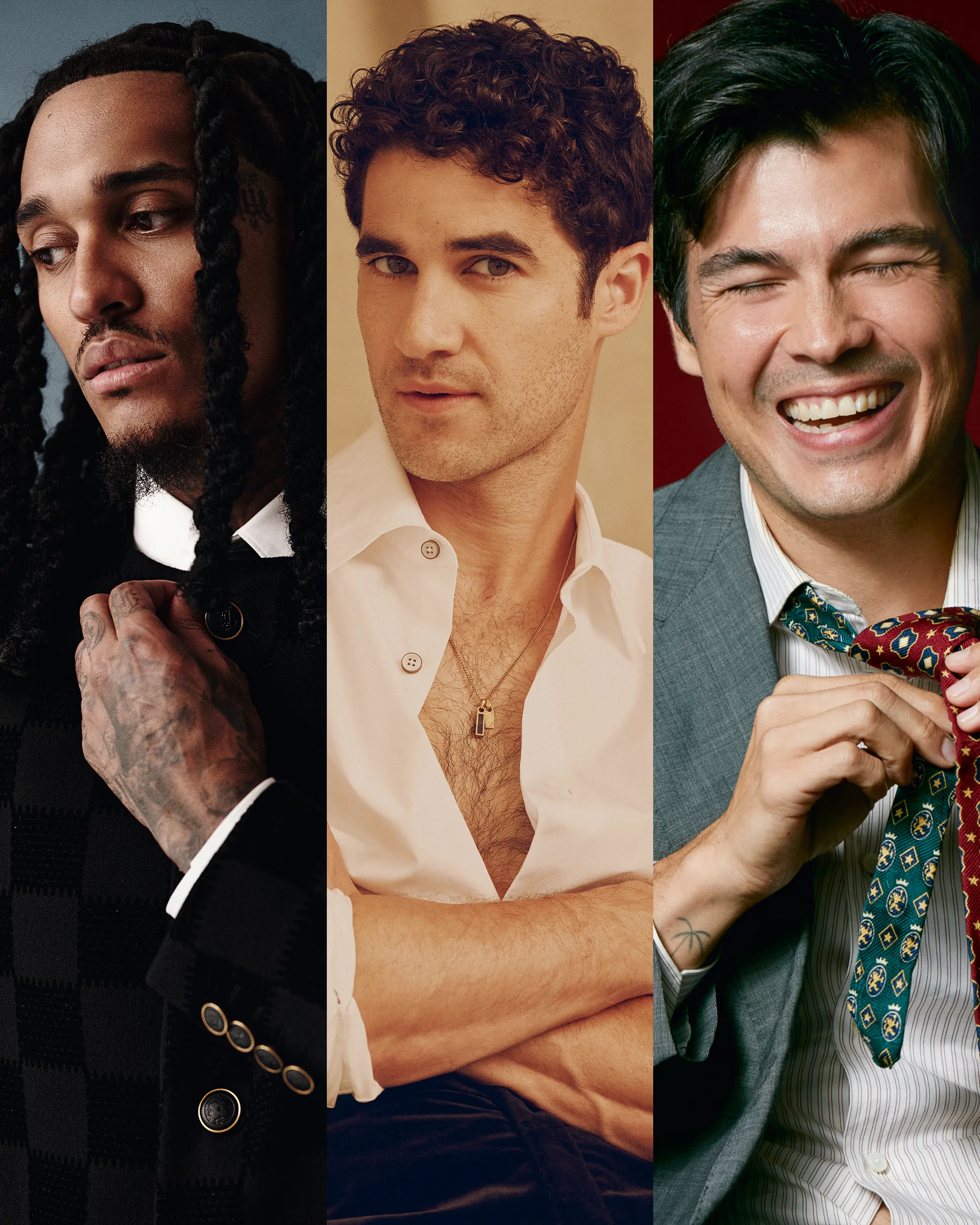
That’s why, watching Jordan Clarkson step into the frame, I found myself thinking about José Rizal’s wood sculpture of a man lifting a barbell. Believed by some historians to be a self-portrait, the piece challenged colonial-era notions of FilipinoFilipinoThe national language of the Philippines, widely used for communication, education, media, and culture.Go to Filipino Glossary weakness with a quiet but powerful statement of confidence, physical strength, and self-belief.
More than a century later, Rizal’s sculpture still feels surprisingly current. Swap the barbell for an NBA arena, and you get Jordan Clarkson—our first cover star—who carries that same quiet confidence onto one of the world’s biggest stages. As Gabriel Yap writes, Jordan isn’t simply an athlete. He’s a reminder that FilipinoFilipinoThe national language of the Philippines, widely used for communication, education, media, and culture.Go to Filipino Glossary excellence has long outgrown the need to ask for permission.
That sculpture became the unexpected starting point for this issue. While it’s about physical strength, it asks a bigger question: What does FilipinoFilipinoThe national language of the Philippines, widely used for communication, education, media, and culture.Go to Filipino Glossary strength actually look like today?
The answer lies in recognizing that Rizal himself was never defined by a single role. He was a revolutionary, but also a writer, an artist, a scientist, a musician, and a creator. It is this multidimensional spirit that inspired our second cover featuring Darren Criss. Drawing from Martino Abellana’s painting of Rizal, we reimagine that enduring image for a contemporary audience.
GQ’s Chino Hernandez speaks with Darren about his creative journey—one defined not by a single discipline, but by an insatiable curiosity to explore new forms of expression. Across acting, music, producing, and live performance, he has continually found new ways to communicate and connect with people. At its core, his creativity is about connection—making art that resonates and brings people closer.
That same spirit extends to Erwan Heussaff, our third cover star. Erwan has contributed to transforming the way FilipinoFilipinoThe national language of the Philippines, widely used for communication, education, media, and culture.Go to Filipino Glossary food and culture are presented to the world. Sitting down with Peejo Pilar, he discusses FEATR’s mission to advance food storytelling through thoughtful documentaries that explore the country’s cuisine, heritage, and communities with depth and authenticity. With a James Beard Award to his name, Erwan has become one of the Philippines’ most influential cultural ambassadors.
Running through this issue, this idea of strength is also embodied by Lou Diamond Phillips, whose career helped pave the way for generations of FilipinoFilipinoThe national language of the Philippines, widely used for communication, education, media, and culture.Go to Filipino Glossary talent in Hollywood. It’s also in the strength of mastery, as seen through bowler Paeng Nepomuceno, whose excellence in sport transformed him from a local player into a global icon. It’s in the strength of discipline and endurance as David Licauco, Mauro Lumba, and Anton Medalla push both body and mind to their limits for fitness.
Strength also lives in our culture—in the street basketball courts that double as community gathering places, and in Buscalan, where resilience is measured not by force, but by the quiet persistence of tradition. As the sacred meanings behind batok continue to evolve, a new generation of mambabatok is preserving an ancient practice that has survived colonialism, modernization, and the demands of tourism.
Different stories, different disciplines, but all connected by the same spirit—a distinctly Filipino resilience that continues to evolve without losing sight of its roots.
The real opportunity is to make the definition bigger—to recognize that strength can look like a deadlift, a great idea, a creative risk, emotional honesty, or a deep connection to culture.
That freedom can be uncomfortable. It asks more of us than simply following a set of rules. But that’s also what makes it exciting.
It is an honor to take on this role.
Welcome to GQ Philippines.
Frequently Asked Questions
Danyl Geneciran is GQ Philippines’ Editor-in-Chief, a role he kept secret from most of the team for three months before the magazine’s official launch, revealed by publisher Archie Carrasco.
GQ Philippines’ inaugural issue features three cover stars: NBA champion Jordan Clarkson, actor and singer Darren Criss, and cultural ambassador Erwan Heussaff, each representing a different facet of Filipino strength.
Editor-in-Chief Danyl Geneciran drew inspiration from a wood sculpture carved by José Rizal depicting a man lifting a barbell, using it as a symbol of Filipino strength and self-belief across the issue.
GQ Philippines defines “The New Masculinity” as an evolving idea that manhood isn’t a fixed set of expectations but an ongoing conversation shaped by curiosity, vulnerability, ambition, creativity, and individuality.
Danyl Geneciran writes that GQ Philippines isn’t launching to tell Filipino men what to become, but to document who they already are, addressing an underserved market for Filipino identity, style, and culture.
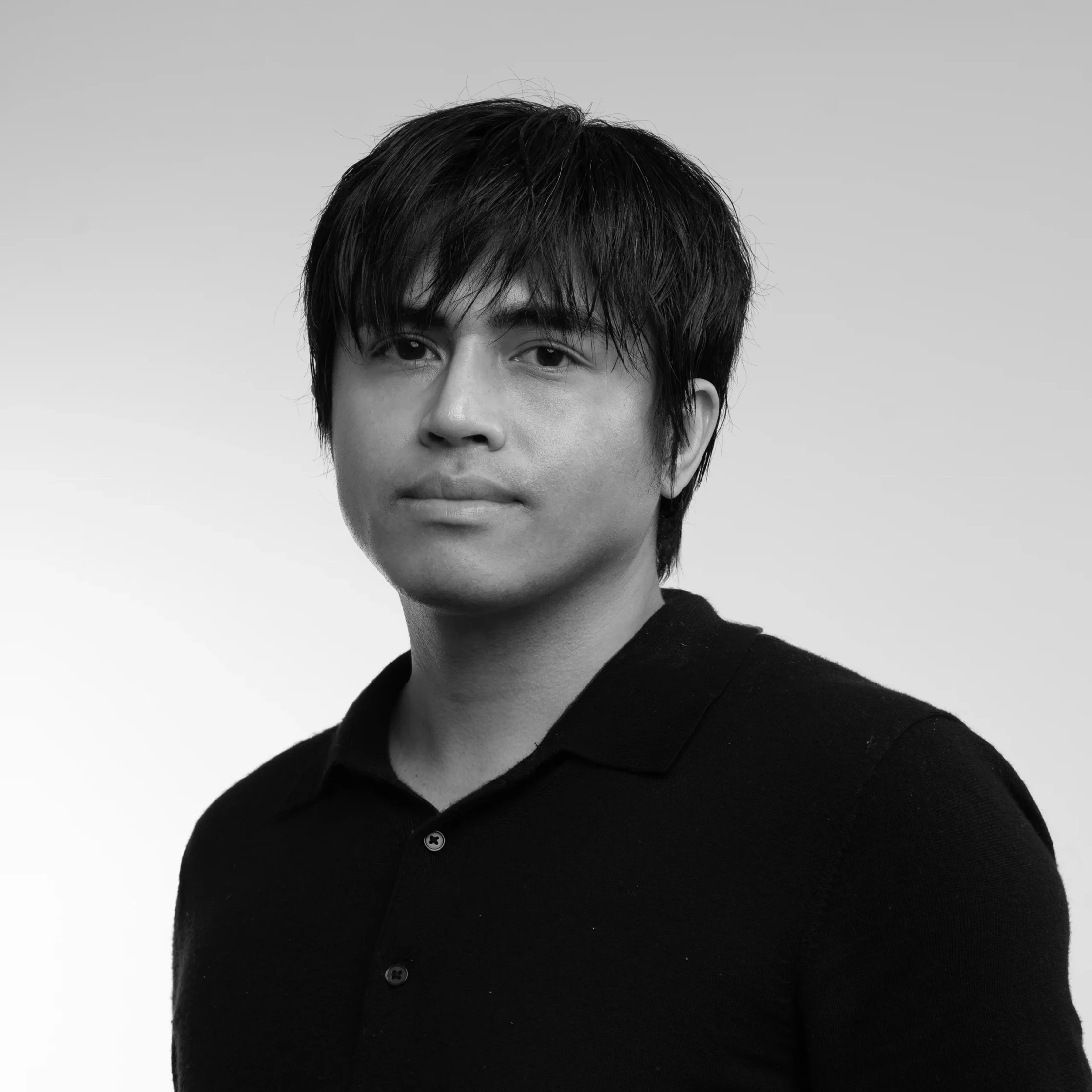
Danyl Geneciran
Danyl Geneciran brings over a decade of experience in fashion publishing, styling, and editorial direction across New York and Manila. He has served as Global Fashion Editor for leading media brands and as Editor of Vogue Man Philippines, shaping visual and editorial strategies across fashion, music, and luxury. At GQ Philippines, he leads a platform dedicated to defining modern Filipino masculinity through a distinctly local yet globally minded perspective. His vision celebrates Filipino men in all their ambition, style, and authenticity across print, digital, and cultural experiences.
- KEYWORDS
- GQ Philippines
- Editor's Note