Summaries were generated by AI. Generative AI is experimental.
Explore other styles:
“It’s salmon sperm injections in your face,” Erwan Heussaff says, entirely unprompted, while leaning back into the chair, warmly chatting with the makeup artist like they’ve known each other for decades. I barely make out the rest of the conversation before those fateful seven words are uttered, but I’m guessing they’re discussing Heussaff’s skincare routine.
“Huh?” I blink, as if I had just entered a Backrooms situation. “With the what now? With the salmon…and the injections in the face…and the what?”
Nico Bolzico, entrepreneur, beef aficionado, and Erwan’s brother-in-law, apparently was the one who introduced him to salmon spunk. “And it’s crazy how much it works. It’s excellent for wrinkles—those kinds of things.”
“It’s painful though, but it works,” Heussaff continues, completely nonchalant, as the makeup artist hovers over his cheekbones.
I laugh, shaking my head. “You’re gonna start a GQ Philippines interview with salmon sperm?”
“Yep,” Heussaff grins, not missing a beat. “As long as it’s organic.”
Mise en Place
Erwan Heussaff could easily be brushed off as the ultimate “too cool for school” archetype—the guy with a fast-track lifestyle and an insanely famous family. But twenty seconds into our conversation about salmon splooge, the intimidating facade completely evaporates. You realize he’s funny, refreshingly unpretentious, and down-to-earth.
To understand him, you have to look past the assumptions that come with being one of the Philippines’ most recognizable food personalities.
Born to a French father and a FilipinoFilipinoThe national language of the Philippines, widely used for communication, education, media, and culture.Go to Filipino Glossary mother, he grew up in Manila before charting an intensely unpredictable path. He didn’t jump straight into the exciting and colorful world of food content; instead, right out of college, he took a gritty job with Sodexo as an Operations Manager, a role that landed him in the sub-zero landscapes of Siberia, where he ran their Far Eastern operations, managing everything from remote camps to coffee shops and overseeing the production of nearly 2,500 meals a day.
By 2010, long before digital content creation was viewed as a legitimate corporate career, he began uploading videos on YouTube under The Fat Kid Inside—a nod to his own childhood struggle with obesity. Over the next decade, he built a personal brand as a fitness-forward chef, cocktail aficionado, triathlete, and restaurateur.
But about a decade later, Heussaff recognized that a personal brand had its limits. He pivoted sharply, transitioning his online presence into FEATR, a sophisticated video-first media platform dedicated to capturing the raw realities of regional Filipino food and culture. Today, their YouTube channel has more than 3.72 million subscribers.
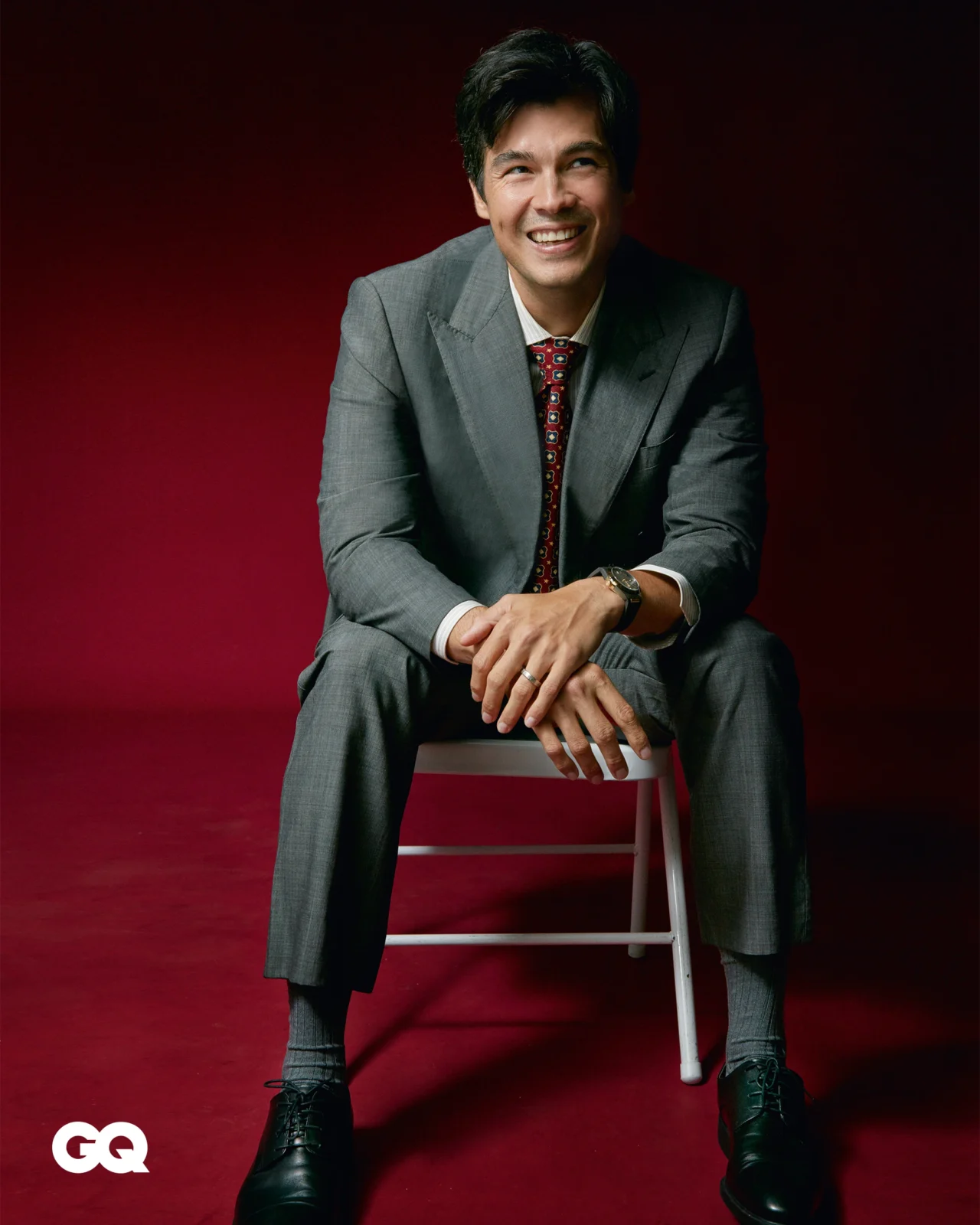
Turn Up the Heat
On the morning of his cover shoot, I didn’t expect Heussaff to have a Pacquiao-level support crew accompany him. But as the office guards informed me that he was heading upstairs, I thought to myself: “Surely he has his FEATR barkada with him. One of the writers, a director, that chef guy with the glasses, maybe a cameraman at least?” But when Heussaff walked into the studio, he arrived completely alone. No companions, no hovering managers, no chef guy with glasses, no video camera crew. Just Erwan.
“I really thought you would bring like a whole posse of people,” I admit, surprised. “That’s why I was shocked. I thought, ‘That can’t be him.’”
But that is exactly him. Erwan has never quite fit the mold of the typical Philippine celebrity, largely because he doesn’t want to be one. It is a funny paradox, considering he is surrounded by fame—from his very famous sister, Solenn Heussaff, to his ultra-famous wife, Anne Curtis. Yet, he navigates this ecosystem with a refreshing lack of ego.
I fondly remember his video about Roxas City. When Lea, a local fish trader in Libas Fish Port, led Heussaff and the crew around the market and proudly announced with a grunt of power in each syllable who exactly Erwan was married to. “Asawa ni Anne Curtis! [It’s the husband of Anne Curtis!]” became a verbal blessing that Lea dished out to everyone they met along the way.
Heussaff didn’t get defensive. He took it in stride, jokingly whispering that his “secret” was out. It is a testament to his maturity; he happily accepts the husband-of-the-superstar title, but his identity isn’t anchored to it. Instead of relying on the family glitz, he remains fiercely independent, quietly pursuing his own vision through FEATR and championing local culinary heritage.
Steering FEATR completely on his own terms gets to the heart of his current chapter: navigating the pressure of being in the public eye. While his independent streak allows him to easily tune out much of the celebrity-adjacent noise, it also places him directly under a magnifying glass. By stepping out from the shadow of family fame to carve his own path, he has opened himself up to a completely different type of online scrutiny.
Nowhere do these expectations clash more sharply than when Heussaff’s FilipinoFilipinoThe national language of the Philippines, widely used for communication, education, media, and culture.Go to Filipino Glossary identity comes into question. For years, digital onlookers lobbed a predictable critique his way: How can a wealthy, half-French dude act as the gatekeeper for localized Filipino culinary heritage? But again, let’s not forget that he grew up in Manila, fully immersed in Pinoy culture.

Heussaff didn’t fight the criticism; he found a way around it. He realized that if he hit a language or identity ceiling, the solution wasn’t to talk louder—it was to remove his own face from the frame. During the pandemic, he systematically rebranded his channels to FEATR, stripping his name from the banners and stepping back from the camera. Today, he appears in only about one out of every seven videos.
“Filipino food doesn’t depend on the language,” Heussaff explains, leaning forward. “It depends on the person. The solution was to just take myself out of the equation. All of a sudden, you don’t have a language barrier, and you don’t have an identity barrier. The protagonist can be the farmer, the artisans, the cooks themselves. How do you build a platform agnostic enough that these people can become their own spokespeople without having to be a celebrity?”
It was a colossal financial risk. Early testing in 2014 with documentary shorts that excluded his face performed poorly because audiences flooded the comments demanding to know: Where is Erwan? But by holding his ground and establishing FEATR as an independent cultural institution, the gamble paid off. When they released their deep dive into the vanishing culinary art of Asin Tibuok (the artisanal sea salt from Bohol) with Heussaff providing only a background voiceover, the video went massively viral.
“I was like, Oh, cool. Okay, so people don’t care if I’m in it or not,” he says with a grin. “As long as the interests and the values still align.”
On the Fly
FEATR’s approach directly challenges how the global culinary landscape views Southeast Asian cuisine. Inspired by food anthropologists like Doreen Fernandez, Heussaff talks passionately about the “indigenization” of food. He notes that the Global North’s culinary traditions—French, Italian, Japanese—are universally expected to be technique-driven, highly standardized, and elite. The Global South, conversely, is heavily pigeonholed as producing merely “celebration or fiesta food for the masses.”
“That’s an assumption,” Heussaff fires back, his tone sharpening. “Because if you do look into our techniques, you will find that there is some refinement to it. The issue is it hasn’t been documented enough or written about enough that you can kind of standardize these refinements. It’s being written now, because of the fine dining chefs that [we have] here, and documentarians such as ourselves.”
Heussaff delights in the hyper-adaptive and fierce culinary independence of the FilipinoFilipinoThe national language of the Philippines, widely used for communication, education, media, and culture.Go to Filipino Glossary palate. He points out how historical expectations dictated that the Spanish galleon trade should have turned the Philippines into a corn-reliant nation, similar to Mexico. Instead, Filipinos looked at the traditional Mexican tamal—built on corn masa—and completely overrode the colonial script.
“In the Philippines, you’re like, f**k your corn. I’m gonna replace this with glutinous rice,” Heussaff says, breaking into a loud laugh. “Filipinos adapt to food, but we only adapt to food that we really enjoy eating, which I think is really powerful.”
This unpretentious, sharp wit is precisely why the international community has started paying closer attention. In 2023, Heussaff took home the prestigious James Beard Media Award in the Social Media Account category. It was an honor he never expected, assuming the awards were structurally gatekept for US-based creators. When he took the stage in Chicago, he made sure to remind the room of his reality: “Hey, I flew like 27 hours just to be here.”
The award shattered the domestic image that FEATR was merely a playground for digital hobbyists. “I think before that, most traditional media companies or broadcast companies didn’t take us seriously,” he reflects. “They thought we were just kids on the internet. It kinda solidified us in that sense.”
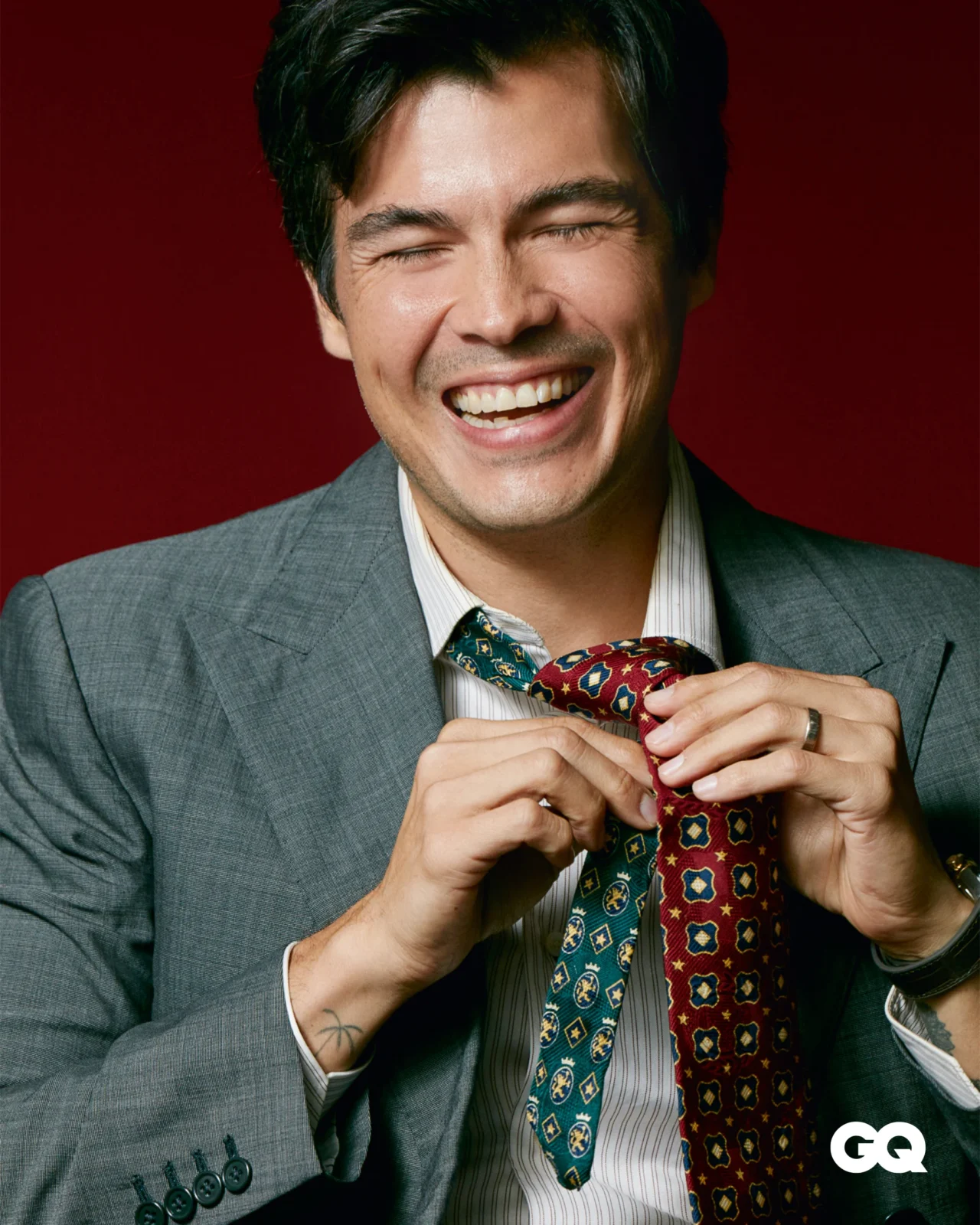
Food for Talk
For Heussaff, a dish is never just a dish. “It was never really about the food,” he reflects. “The food is a gateway to the conversation and to the issues of the country. If there’s one thing that we took from our early days of doing this, it’s exactly that. A meal is just an opening to a conversation.”
And the conversations Heussaff wants to have right now are not particularly comfortable. He refuses to romanticize the disappearing trades of the countryside. He openly admits that his team has left fully shot, expensive, long-form documentaries on the cutting room floor because they realized they were trying to “fake the shit out of it” to force an eloquent narrative onto a reality that simply wasn’t there.
He also harbors zero patience for sentimental charity. When discussing the grim future of regional farming and ancestral food traditions, Heussaff bypasses emotional platitudes for raw, pragmatic economics.
“The incentives have to align for everyone,” he says firmly. “Everyone needs to make money. We can’t just be like, ‘Oh, just support the farmers.’ Because if it’s just for the farmers, then that’s what rescue buys are. You’re just gonna keep buying whatever surplus that they have, and it’s always gonna be that way of richer people helping poorer people, which is not sustainable at all. We need to create a marketing flywheel.”
Heussaff’s strategy is pure, calculated free market used for cultural preservation. By producing glossy, TV-quality documentaries about ingredients like Asin Tibuok or local tomatoes or ube, FEATR sparks consumer demand. Restaurants buy the ingredients to elevate their menus; delis stock them to attract foot traffic; and suddenly, the artisans have a sustainable, highly profitable business model. He aggressively rejects the institutionalized, low-effort corporate mindset of “it’s good enough for the Philippines.”
“My blood boils when someone says that to me,” Heussaff admits, his jaws tightening. “Why don’t we make something cool for ourselves? If our fish sauce is in a nice glass bottle with cool packaging that represents the country, I’m more inclined as a FilipinoFilipinoThe national language of the Philippines, widely used for communication, education, media, and culture.Go to Filipino Glossary to cook with this versus buying the Thai stuff. There is transparency and pride in it.”
Looking ahead, Heussaff is actively steering FEATR toward its next evolution: transforming digital storytelling into tangible, on-ground activations. He talks enthusiastically about leading museum exhibitions, publishing high-end coffee table books, and launching a localized culinary recognition system using custom Jeepney placas to honor unappreciated roadside carinderias.
Last Call
As the interview winds down, I ask him to look backward, invoking a multiversal thought experiment. If the YouTube empire and the restaurants had completely fallen apart, would Erwan be on a flight back to a corporate job for Sodexo, or roughing it in the wilderness? Would that gritty, Siberian-era version of himself—the one holding a Rambo knife against a brown bear—even recognize the polished media mogul sitting in the makeup chair today?
“I think so,” Heussaff says thoughtfully. “I haven’t really changed at my core. The traits that led me to Siberia are still what push me today. In the Philippines, people call it a ‘cowboy attitude’—where anything goes, sleep anywhere, try anything, eat anything.”
He smiles, completely at peace with the contradictions that make people tilt their heads. “A lot of people get shocked. They’re like, ‘Oh, you’re someone who grew up in a gated village, but here you are, sleeping in a hammock, eating fish eyes for dinner.’ And I’m just like, well, that’s your culturally charged assumption of who I should be. But I’ve done shit that’s pretty wild, and I’ve lived in places that are pretty uncomfortable. It’s the same person. It’s just a different job.
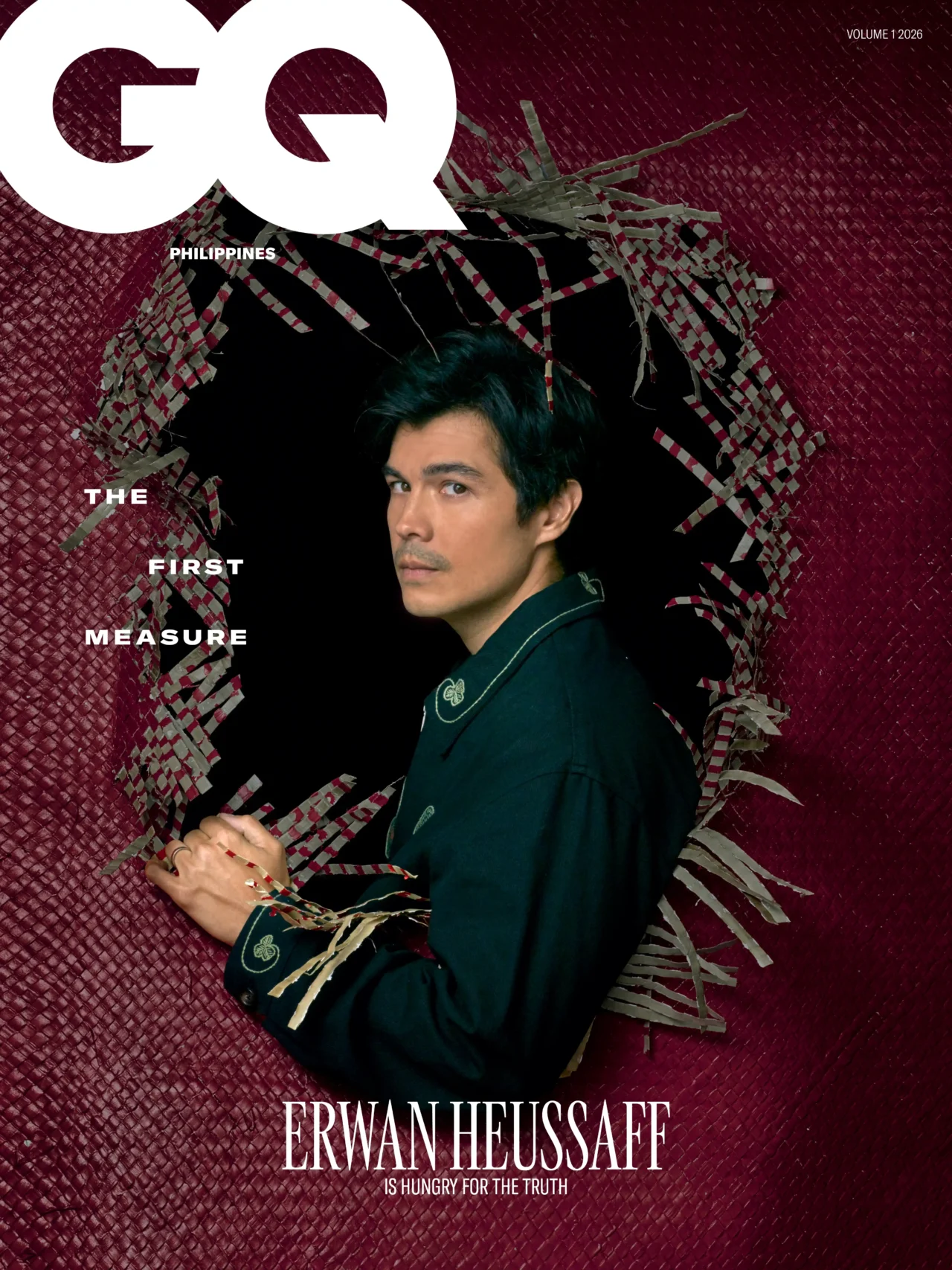
A version of this cover story appears in the September 2026 issue with the title “What Erwan Wants”
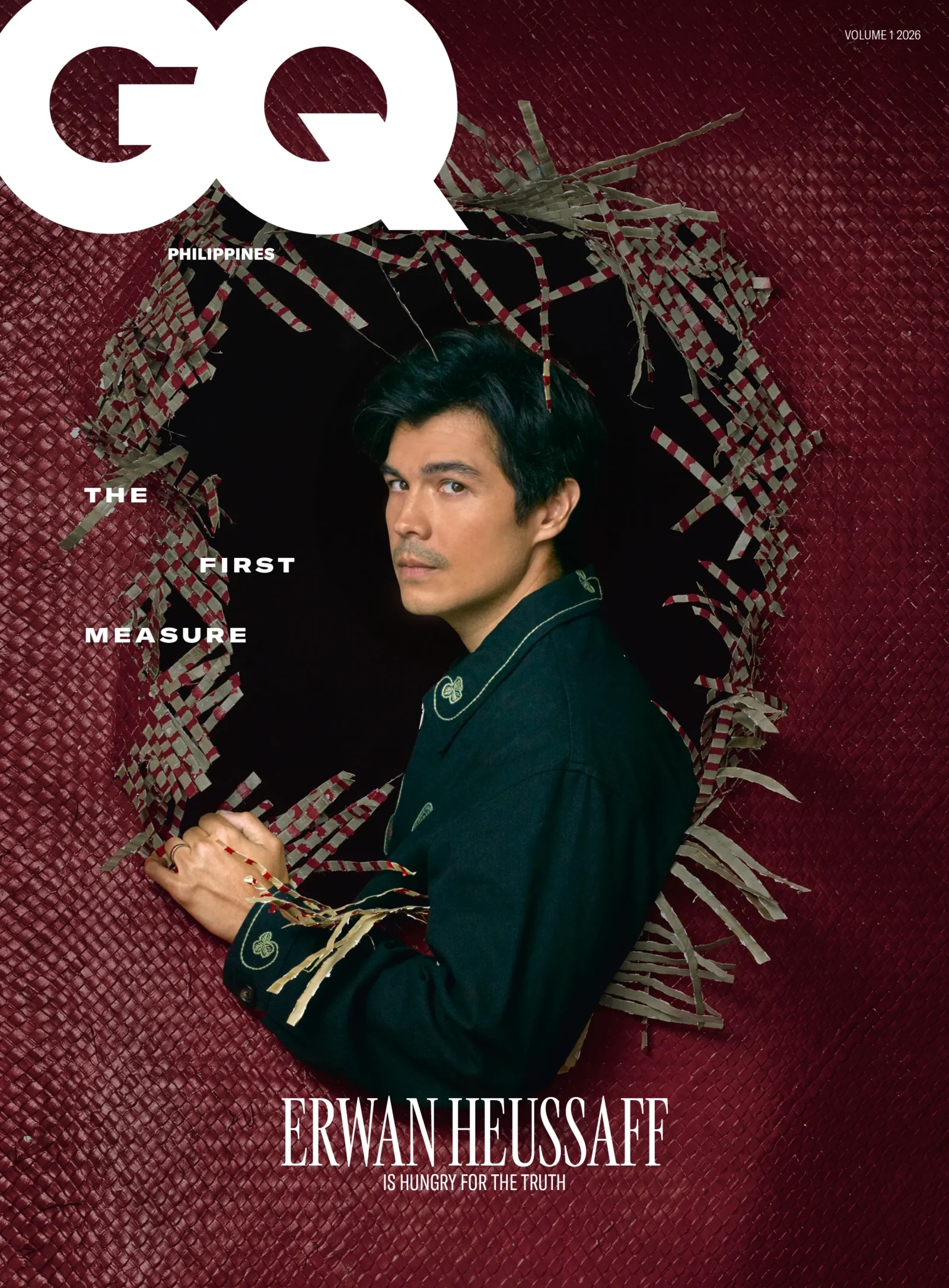
GQ Philippines: Vol. 1 – September 2026
SHOOT CREDITS:
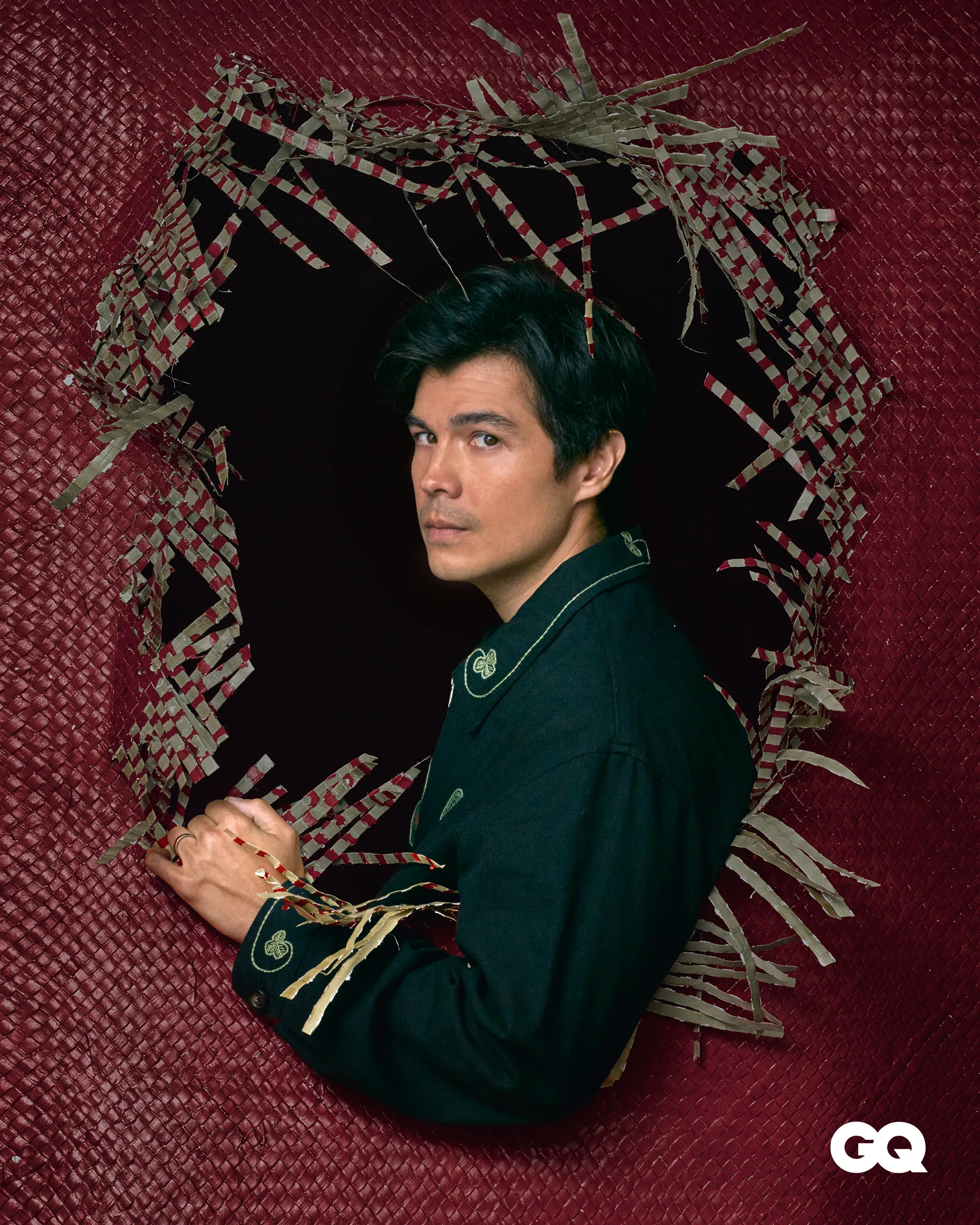
Story by PEEJO PILAR. Photographs by MARK NICDAO. Styling by GENO ESPIDOL. Makeup Artist: NOEL INOCENCIO. Hairstylist: JA FELICIANO. Videographer: LORENZO CORRO. Producer: KEVIN GONZALES. Art Director: MARK YELLOW.
Frequently Asked Questions
Erwan Heussaff is a Filipino food personality, entrepreneur, chef, and media creator known for his work in food, fitness, and culinary storytelling.
Erwan Heussaff is known for creating food and lifestyle content and for founding FEATR, a media platform focused on Filipino food, culture, and regional culinary traditions.
FEATR is a video-first media platform dedicated to documenting Filipino food, culture, and the people behind regional culinary traditions.
He wants to preserve vanishing Filipino food traditions by creating demand for local ingredients, supporting artisans, and giving communities a platform to tell their own stories.
Heussaff stepped back from the camera to remove himself as a barrier to the stories he wanted to tell. This allowed farmers, artisans, and cooks to become the protagonists of their own stories.