Summaries were generated by AI. Generative AI is experimental.
Explore other styles:
There was a time when the quintessential Manila success story came with a parking slot, or a condominium in BGC—maybe even a job title long enough to barely fit on a LinkedIn profile. Somewhere along the way, success also meant accepting that spending four hours in traffic was simply the price of ambition. Today, another fantasy has emerged, and it begins with a one-way ticket to Siargao.
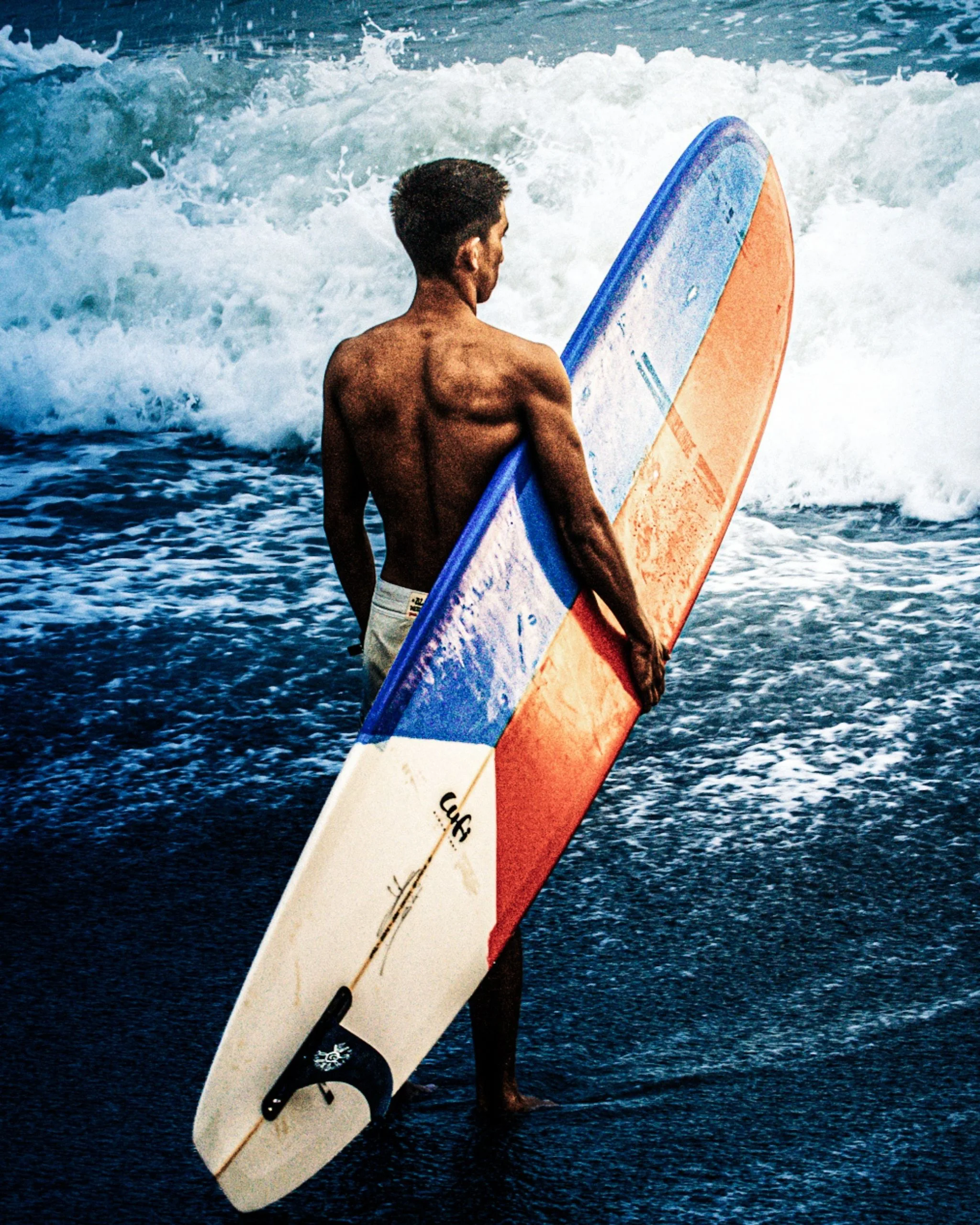
You know the type. He owns more linen than denim. His surfboard costs more than his first motorcycle. He says “bro” with alarming sincerity and somehow knows exactly where to get the island’s best malunggay pandesal. His Instagram feed is equal parts waves, film photos, and captions about presence. The “Siargao guy” has become such a recognizable archetype that he’s practically a genre unto himself, and it’s easy to dismiss him as another lifestyle trend—a Manila creative who swapped coffee shops for coconut trees in search of better content. But stereotypes only become stereotypes because there’s usually something true hiding underneath them. The real question isn’t why people keep moving to Siargao, but it’s why so many decide never to leave.
For creative Archie Geotina, one of the minds behind the Pearls Project, the answer had little to do with surfing at first.
“When I first moved to Siargao, it was out of an adventurous spirit. I was bored,” he recalls. “People who move there get tired of city life, the repetitive routine. I didn’t want to spend four hours of my life stuck in traffic.” Ten years ago, that decision looked very different from how it does today.
“There was no social media,” he says. “It was just trees, dirt roads, and one cemented road.”
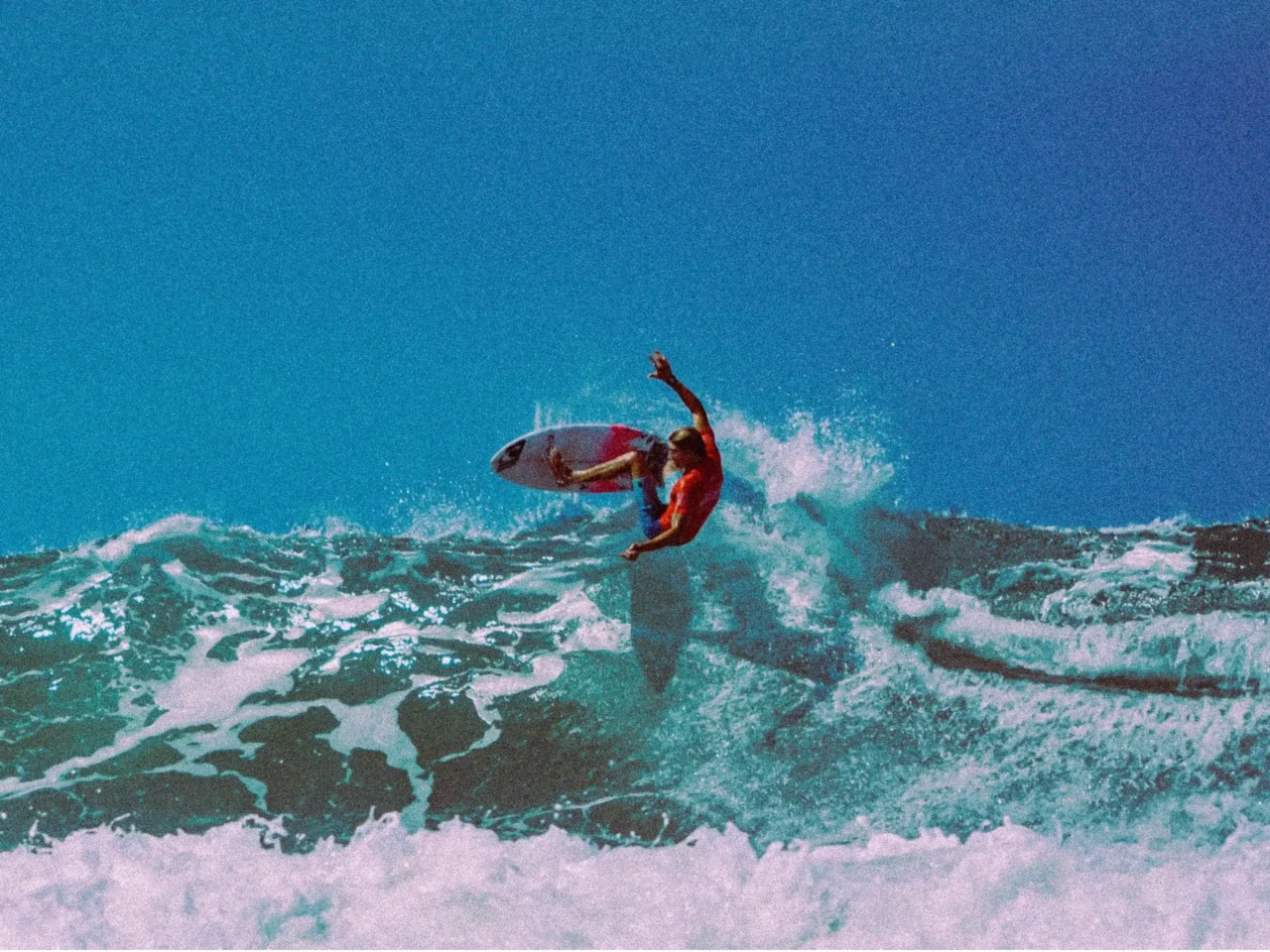
Back then, Siargao was a whispered recommendation passed between surfers. Today, it’s difficult to imagine the island without boutique cafés, hotels, coworking spaces, and enough foreigners to rival Makati on a Monday morning. Paradise, as it turns out, commercializes remarkably fast.
Cloud 9 has long since cemented itself as one of Asia’s premier surf breaks, helping transform a once-sleepy fishing island into the country’s surfing capital. International competitions brought global attention, while tourism reshaped the local economy. Even after Typhoon Odette devastated Siargao in 2021, the island’s recovery became a masterclass in community rebuilding, with residents, businesses, and volunteers working together long before visitors returned. That spirit of collective care remains one of Siargao’s defining characteristics. Which is perhaps why surfing alone doesn’t explain Siargao’s gravitational pull.
Ask Geotina what drew him in, and he doesn’t begin with waves. “I think surfing as a sport, I got hooked on it because it was so thrilling,” he says. “But there’s also the lifestyle and the historical background of surfing. It’s the same as with skating or fashion or music. There’s a different world that you can explore through surfing.” Like every subculture worth joining, surfing comes with its own mythology, etiquette, heroes, and vocabulary. There are competitive surfers, longboarders, “soul surfers,” beginners affectionately called kooks, and yes, the occasional surf bro.
“The stereotype came from competitive surfing,” Geotina jokes. “But there are so many categories of surfers. What connects them all is the love of surfing in the ocean.” It’s a useful reminder that the surf bro, much like the sneakerhead or cyclist, isn’t a personality, but a shorthand. And yet the island has undeniably become the magnet for a particular kind of city dweller. Photographers become café owners while designers become hostel operators and surf instructors. People arrive intending to stay for two weeks and somehow end up renewing leases instead of flights.
Spend enough time in General Luna, and you’ll eventually overhear someone say, “I was only supposed to be here for a month.” But now, no one ever seems surprised, and Geotina has watched that transformation unfold for years.
“There are the wanderers, the broken-hearted ones, the adventurous types, professional surfers,” he says. “More currently, we have business-oriented people. The most common thing is that Siargao is home.”
“Home” is a curious word for a place many first encountered on vacation. But perhaps that is Siargao’s greatest sleight of hand. It convinces people that belonging isn’t something inherited, but something practiced. Ironically, that has become harder as the island grows.
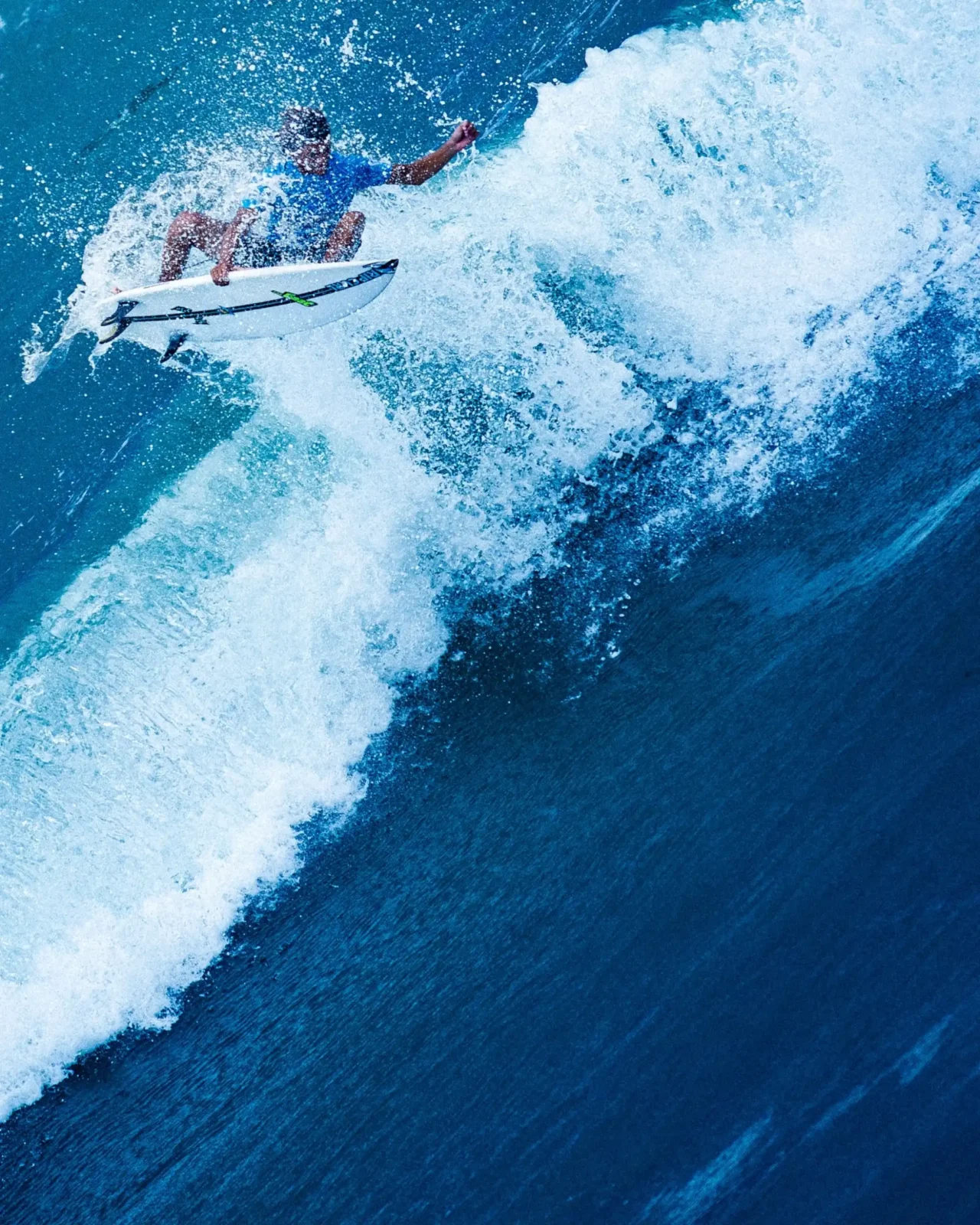
“I’d be remiss if I didn’t say that I miss the old version of the island,” he admits. “It’s a double-edged sword.” It’s important to note that most surfers aren’t mourning progress itself. Tourism has created opportunities unimaginable a decade ago, with families having opened businesses, and local surfers finding corporate sponsors. Communities have also benefited from infrastructure and investment. “The people are the spirit of the island,” he says. “You can go anywhere in the Philippines and enjoy a beach. The beauty of Siargao is how warm the people are.”
The concern is what happens when the image of Siargao begins to overshadow the people who made it what it is.
Recent reporting from Vogue Philippines has explored exactly this tension: how locals continue to negotiate the pressures of tourism, foreign investment, environmental conservation, and rapid development while insisting that community, not commerce, remains the island’s greatest asset. The postcard is easy to sell, but the work of preserving what made the postcard possible is considerably harder.
That same philosophy reshaped Geotina’s own creative career. His Pearls Project, photographed in Siargao, reimagines FilipinoFilipinoThe national language of the Philippines, widely used for communication, education, media, and culture.Go to Filipino Glossary surfers through religious iconography, mythology, and local identity. Rather than borrowing from Western surf culture, the series asks what surfing looks like through a distinctly Filipino lens. Perhaps that’s what gives creative people more than anything else, not just inspiration, but perspective. Yet, perspective doesn’t exempt anyone from responsibility.
The surfer and creative has also seen the other side of island life.
“There was this girl,” he recalls. “She started living too island-y… took too many things, and we never heard from her again.” He laughs before clarifying. “In all honesty, there are a lot more positive stories, but it’s so easy to get lost in the sauce.”
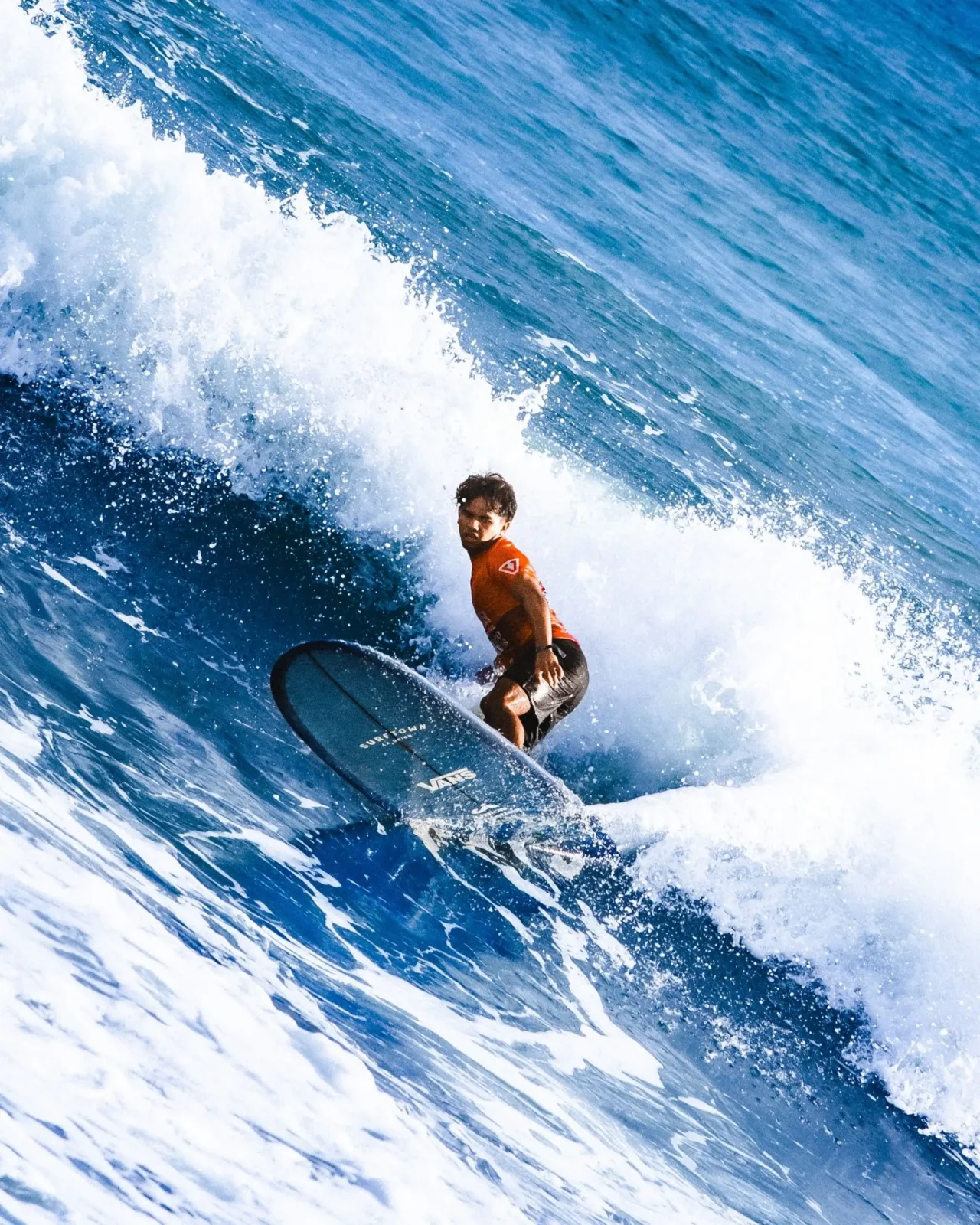
Island life has a peculiar way of magnifying whoever you already are. For some, it offers clarity; for others, it becomes a form of distraction. That’s why he believes the people who truly embrace Siargao eventually stop asking what the island can give them. “The key word is consumption,” he says. “You have to learn how to give back to a beautiful thing.”
Over the years, giving back has meant organizing beach cleanups, creating fundraising merchandise for local surfers, using photography to support community initiatives, and simply listening before trying to change anything. “See what the place actually needs, not just what you think the island needs,” he says. “The locals are sharing their home with us. So if you don’t care about them, why are you still living in their house?”
It’s a surprisingly grounded answer in an age where island living is often packaged as pure aspiration. Maybe that’s why the caricature of the Siargao surf bro feels increasingly incomplete. Yes, he’ll probably recommend an obscure coffee shop. Yes, he’ll probably insist sunrise sessions are better than sunset ones. And yes, there’s a decent chance he’s carrying a film camera. But beneath the stereotype are people who found a community through the ocean, and stayed because that community didn’t ask for anything in return.
The waves may be what bring people to Siargao—they are, after all, among the best in the country—but they’re rarely what keeps them there. That distinction belongs to the people. Because eventually every visitor discovers what locals have known all along: paradise isn’t something you consume; it’s something you help take care of.
Frequently Asked Questions
The Siargao surf bro is a recognizable archetype of city dwellers, often creatives, who relocate to the island and adopt a laid-back, surf-centric lifestyle. Creative Archie Geotina notes the stereotype originated from competitive surfing culture, though it oversimplifies the many different types of people drawn to the island.
According to creative Archie Geotina, people move to Siargao seeking an escape from city routines like traffic and repetitive work, but what keeps them is community rather than surfing alone. He describes Siargao as becoming “home” for wanderers, professionals, and surfers who find genuine belonging there.
Archie Geotina is a Siargao-based creative behind the Pearls Project, a photography series that reimagines Filipino surfers through religious iconography, mythology, and local identity, offering a distinctly Filipino lens on surf culture rather than borrowing from Western surf traditions.
Siargao has transformed from a quiet island with dirt roads and no social media presence into a hub of boutique cafés, hotels, and coworking spaces. Cloud 9’s status as a premier surf break helped drive that growth, alongside the island’s widely praised recovery after Typhoon Odette in 2021.
Local creatives like Archie Geotina worry that tourism and foreign investment risk overshadowing the people and community that made Siargao appealing in the first place. He emphasizes that newcomers should focus on giving back to the island rather than simply consuming its lifestyle and image.