Summaries were generated by AI. Generative AI is experimental.
Explore other styles:
For a certain generation of FilipinoFilipinoThe national language of the Philippines, widely used for communication, education, media, and culture.Go to Filipino Glossary men, an inuman (roughly translated as a “drinking session”) is a sacred ritual. It’s practically a rite of passage into adulthood. Chances are, your first sip of alcohol came at an inuman at home, where your father or titos were drinking with friends before inevitably handing you a shot glass and welcoming you into the fold.
The image has long been etched into our collective consciousness: tables covered with empty bottles of San Miguel beer and other local spirits, greasy plates of pulutan in the center, a cloud of cigarette smoke hanging in the air, and a group of mischievous boys trying to solve the world’s problems one bottle at a time. Gen X knows exactly what I mean. Millennials do too.
Then the pandemic happened. The world stopped, and so did the inuman (e-numans over Zoom do not count). Gone were the endless nights of sitting in someone’s garage until sunrise. Gone were the midnight feasts and marathon talks about whoever was sawi that week. People found different ways to spend their time. And with the fear of illness lingering outside everyone’s doors, many turned to prioritizing their health. It was the era of home workouts, diets, running, artisanal coffee, fitness tracking, and—I hate to say it—being intentional.
The inuman survived the pandemic. Millennials would never let it die. But as Gen X and millennials get older, their priorities have shifted to building careers, buying homes, and raising families. And since the world belongs to the young, nightlife has increasingly become Gen Z’s domain. But with a generation choosing morning runs and artisanal coffee over nightclubs and vodka shots, the question has to be asked: is the inuman dead?
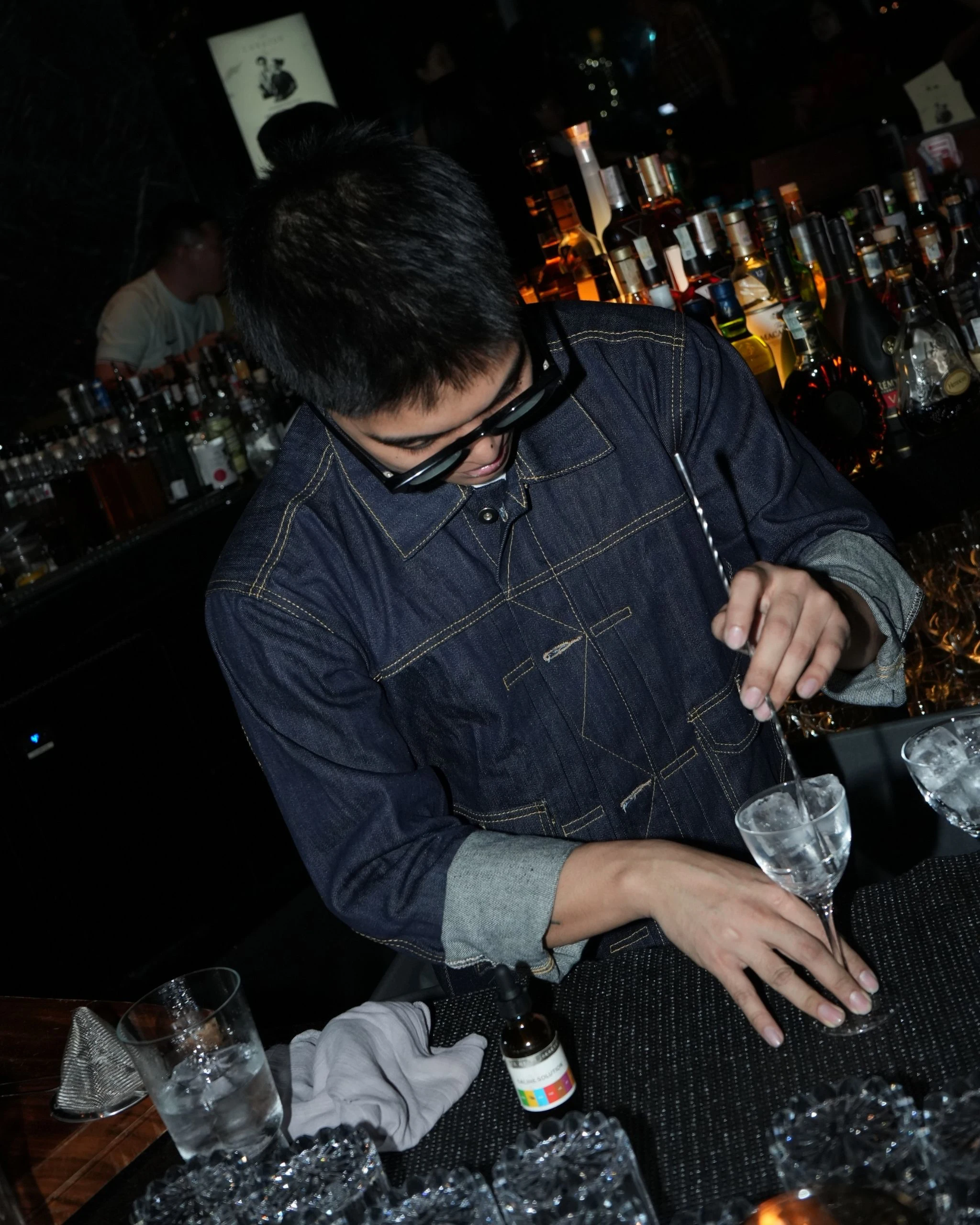
“Beer and pulutan isn’t really a thing now,” explained Kiko Victor, an award-winning bartender at The Curator in Makati, who happens to be Gen Z. “People go out to drink better now. They don’t just drink to get wrecked anymore. There’s still a certain crowd that goes for that, but the Gen Z crowd basically does not do that anymore.”
As we had our conversation one early evening, Kiko was preparing for service, standing behind the bar at the popular night spot. He continued to speak as he worked, saying, “What I noticed about Gen Z is they tend to take care of their health as opposed to going out and drinking. They would go to parties sober. And you know how coffee raves and matcha parties are a thing now?”
To older generations, unusual cultural phenomena such as coffee raves—where young people gather to drink coffee after a morning workout as if they were in a club—may look funny, but they genuinely interest Gen Z. They would rather spend the day sober and healthy than spend the next day nursing a hangover. And you can’t really blame them. But why?
In an article by Dr. Kristen Fuller for Alcohol Help, an American website that combats alcohol addiction by educating readers, the author notes that each new generation drinks less than the one before it. Gen Z is drinking about 20% less than millennials, which she attributes to a greater focus on mental and physical health. She also points to the fact that many young people have watched their parents develop health problems from excessive alcohol consumption. Finally, she argues that younger drinkers no longer see alcohol as necessary for socializing because of the different social spaces they choose, viewing sobriety as a way of being more “present.”
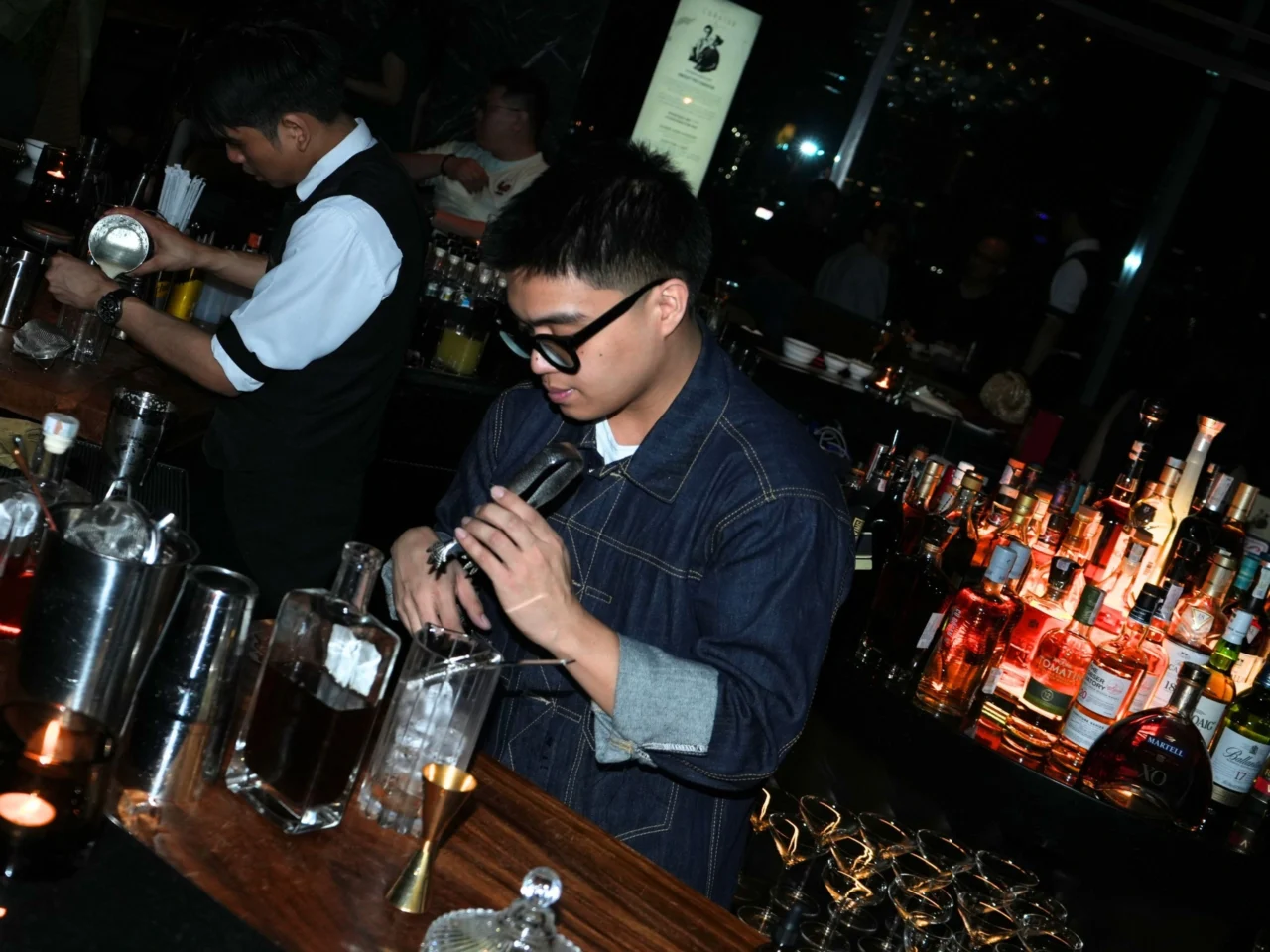
Kiko sees the difference firsthand. “The third spaces for Gen Z are very different now,” he says. “They like coffee shops. They like places where the vibe is light and the energy is good, places where you can have a good conversation.”
This isn’t to say that Gen Z doesn’t have a drinking culture of its own. The country’s food and beverage scene only continues to grow more sophisticated. The arrival of the Michelin Guide last year only underscored that evolution. Several spaces in Manila now specialize in natural wines; secret bars are offering exceptional seasonal menus and mocktails; and young bartenders and mixologists, like Kiko, are at the forefront, creating drinks that often set trends. Nightspots have become destinations, and the trend-conscious young people want to be part of the experience.
“Now there are bars and cocktail clubs designed for each and every person. I would say we are on the cusp of a breakthrough in the Philippines,” says Kiko. He goes on to explain that today’s bar culture also feels far more inclusive. Years ago, going to a nightclub or bar often felt intimidating. It catered to a certain crowd and came with the expectation of being loud and rowdy. Now, with so many specialized bars and artistically driven spaces, people are more comfortable being themselves in a scene that once felt exclusive.
“When they come into the bar, they look very fashionable and artsy,” Kiko says of this new generation of patrons. “And I think they have that same confidence that millennials had.”
“But does it feel performative?” I ask. They are, after all, the TikTok generation.
He replies: “Sure. But I think this generation doesn’t give a damn. They perform for the sake of performing. I think it’s great. They want to curate their lives, not for anyone else, but for themselves. That’s just what they want to do.”
So in the end, I guess the inuman culture isn’t dead. If anything, it’s simply evolved. There’s that word again: it’s more intentional. And older people like me really can’t be too judgmental about it. It’s nice to see younger people taking a tradition and making it their own. Culture evolves, and drinking culture is no exception.
It’s no longer about drinking 10 shots at the bar; it’s about savoring one great artisanal cocktail. It’s no longer about 5 a.m. conversations, but 5 a.m. runs the next morning to sweat out the alcohol. It’s no longer about pulutan, but kombucha shots to settle the stomach. It’s not the death of the inuman. It’s simply its next chapter.
Frequently Asked Questions
Inuman, meaning “drinking session,” is a traditional Filipino social ritual, often held at home with family or friends, historically seen as a rite of passage into adulthood. It typically involves local beer, pulutan (drinking food), and long conversations lasting into the night.
Inuman, meaning “drinking session,” is a traditional Filipino social ritual, often held at home with family or friends, historically seen as a rite of passage into adulthood. It typically involves local beer, pulutan (drinking food), and long conversations lasting into the night.
According to research cited from Alcohol Help, Gen Z drinks roughly 20% less than millennials, driven by greater focus on mental and physical health, having witnessed alcohol-related health problems in older relatives, and no longer viewing alcohol as essential for socializing.
Coffee raves are a Gen Z social trend where young people gather to drink coffee, often after a morning workout, replicating the energy of a nightclub without alcohol. They reflect a broader shift toward sober, health-conscious socializing among younger Filipino drinkers.
Manila’s bar scene has grown more sophisticated, driven partly by the Michelin Guide’s arrival, with natural wine bars, elevated mocktail menus, and trend-setting young mixologists like Kiko Victor. Bartender Kiko Victor describes today’s specialized bars as more inclusive than the nightlife scene of prior generations.