Summaries were generated by AI. Generative AI is experimental.
Explore other styles:
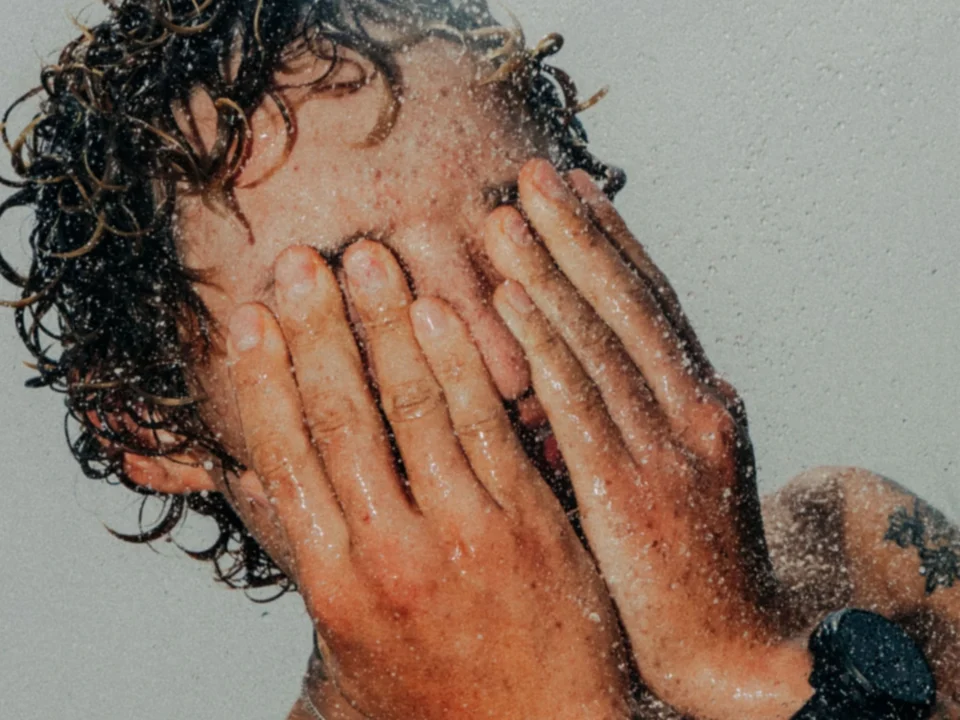
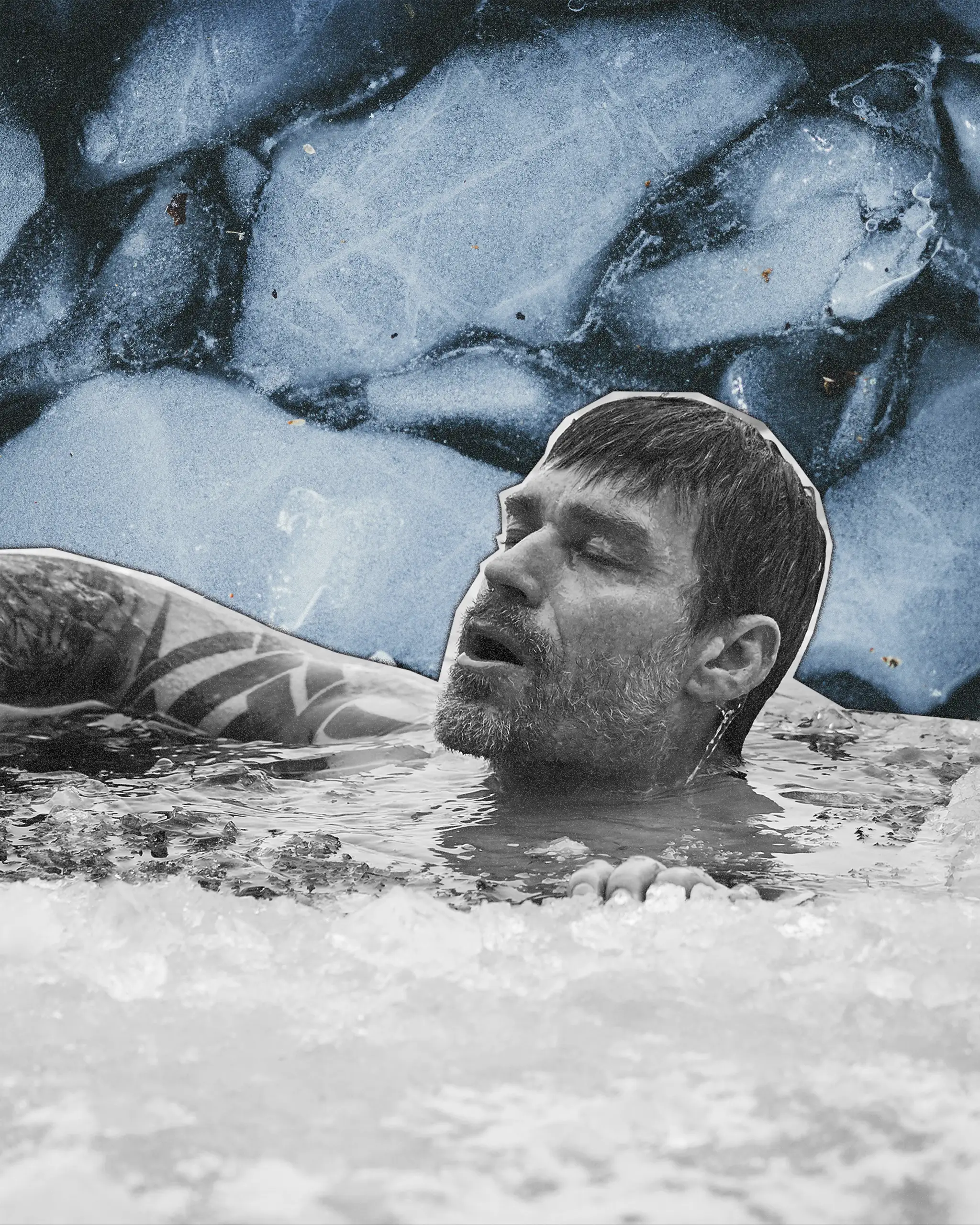
There are easier ways to recover from a workout than willingly sitting in near-freezing water. You could stretch. Book a massage. Order a protein shake and convince yourself tomorrow is technically a rest day. Instead, a growing number of Manileños are choosing to spend anywhere from two to five minutes submerged in water cold enough to trigger an involuntary gasp.
At first glance, it feels like another strange import from the internet’s wellness industrial complex. The same city that once considered taho an acceptable post-run recovery drink now debates water temperatures, breathing protocols, and whether three minutes at six degrees Celsius is somehow more transformative than four. Somewhere between marathon culture and an endless stream of podcasts promising to optimize the human body, cold plunging has quietly become Manila’s latest performance ritual.
The appeal isn’t particularly difficult to understand. Modern fitness culture has become increasingly interested in what happens after the workout rather than just during it. Training hard is one thing, but recovering efficiently enough to train again tomorrow is another. Marathon runners, triathletes, combat sports athletes, and recreational lifters are all searching for marginal gains, and cold exposure promises exactly that.
However, the timing here isn’t accidental.
Five years ago, much of Manila’s fitness culture revolved around aesthetics, promising smaller waists and beach-ready abs. Today, the conversation has shifted toward performance. Functional fitness has exploded, and recovery has become just as aspirational as the workout itself. The modern athlete doesn’t just train harder; they monitor sleep, wear heart-rate trackers, calculate recovery scores, and increasingly believe that what happens after exercise matters just as much as the exercise itself.
Cold plunging slots neatly into that worldview.
The strongest evidence for cold-water immersion remains its role in reducing delayed-onset muscle soreness following intense exercise. A review by the Cochrane Collaboration found that athletes who immersed themselves in cold water after training reported less muscle soreness for up to 96 hours compared with those who simply rested. The Mayo Clinic Health System similarly notes that cold exposure may help reduce inflammation and soreness in the short term, potentially allowing athletes to feel more recovered before their next session.
Researchers, however, remain far less certain about many of the claims that have propelled cold plunging into mainstream wellness. The ideal temperature, duration, and frequency remain subjects of debate, and while evidence consistently supports reduced perceived soreness, the case for improved athletic performance is considerably less convincing.
For runners logging back-to-back training days, that distinction often matters less than the laboratory’s certainty. If an ice bath helps someone feel fresher for tomorrow’s interval session or long run, that alone may justify the discomfort. Claims surrounding metabolism, immunity, chronic inflammation, and longevity, however, remain far more speculative.
That hasn’t stopped the wellness industry from embracing cold exposure with characteristic enthusiasm. Few corners of modern wellness have shown much restraint when presented with a promising recovery tool, and cold plunging has become no exception. Research exploring improvements in mood, alertness, and stress resilience is encouraging, but still preliminary. Much of what regular practitioners describe after emerging from an ice bath—a rush of energy, heightened focus, improved mood—may well be genuine without necessarily being revolutionary.
Perhaps no city was better positioned to embrace cold exposure than Manila. This is a place where stepping outside in April can feel like walking into a convection oven, where the commute home often undoes whatever hydration strategy you had at the gym, and where “cooling down” has traditionally meant standing directly beneath the nearest air-conditioning vent. Against that backdrop, voluntarily lowering your body temperature doesn’t feel quite so absurd.
That demand has reshaped Manila’s wellness landscape almost overnight.
Ice baths, once confined to professional training facilities and elite sports programs, have become businesses in their own right. In Bonifacio Global City, Ice Bath Manila has emerged as one of the city’s more recognizable recovery studios, offering guided immersion sessions for everyone from endurance athletes to curious first-timers. Nearby, Longevity Labs PH approaches cold exposure through the language of preventive health and performance optimization.
Combat sports have embraced the trend as well. Open Mat Makati, a Brazilian Jiu-Jitsu academy, has integrated ice baths alongside sauna sessions and contrast therapy, reflecting the growing overlap between athletic performance and recovery culture. Similar offerings can now be found at Sama Sanctuary, Cedo Wellness, NEXT+ Wellness Center in Quezon City, and Polarity Wellness Club in Ortigas, evidence that cold exposure has expanded well beyond niche athletic circles into the broader wellness economy.
Recovery, once an afterthought, has become something people actively schedule. That may be the most interesting shift of all. Rest days now come with their own rituals; doing nothing now feels remarkably structured.
Cold plunging is ultimately less interesting as a bucket of freezing water than as a reflection of how fitness itself has changed. Increasingly, people want to optimize every stage of the process, from the workout itself to how quickly they can recover enough to do it all again tomorrow. Whether spending three minutes in near-freezing water makes someone significantly healthier remains a question science is still trying to answer. That so many people in Manila are willingly climbing into the ice anyway probably says more about modern wellness culture than any study ever could.
Frequently Asked Questions
The strongest evidence supports cold-water immersion for reducing delayed-onset muscle soreness. A Cochrane Collaboration review found athletes who cold-plunged after training reported less soreness for up to 96 hours compared to rest alone, though evidence for improved athletic performance is much weaker.
Manila’s heat and humidity make voluntary cold exposure feel less absurd than in cooler climates, and the trend aligns with a broader shift in the city’s fitness culture from aesthetics toward performance and structured recovery, including sleep tracking and recovery scores.
Cold plunge studios in Manila include Ice Bath Manila and Longevity Labs PH in BGC, plus offerings at Open Mat Makati, Sama Sanctuary, Cedo Wellness, NEXT+ Wellness Center in Quezon City, and Polarity Wellness Club in Ortigas.
Evidence is strongest for reduced muscle soreness after exercise, per Cochrane Collaboration research and the Mayo Clinic Health System. Claims about metabolism, immunity, chronic inflammation, and longevity remain far more speculative, with ideal temperature, duration, and frequency still debated among researchers.
Manila cold plunge sessions typically run anywhere from two to five minutes, though researchers note there’s no scientific consensus yet on the ideal temperature, duration, or frequency for cold-water immersion, and these remain actively debated questions.
Gabriel Yap
Gab is GQ Philippines’ Associate Features Editor, where he writes about the people, places, and ideas shaping contemporary culture. When he isn’t at events or chasing a story, you’ll likely find him somewhere far from the city, drawn to rugged and remote terrain as a mountaineer and to community-driven journalism. Before GQ, he made his way through Vogue Philippines in various roles, starting as a copywriter before becoming Vogue Man’s Fashion Writer, an occasional stylist, and a culture writer.